
How kitchen design for hospitals affects hygiene and flow
Effective kitchen design for hospitals is no longer only a facilities issue. It now sits at the center of hygiene control, meal accuracy, staff efficiency, and patient safety.
As healthcare foodservice becomes more regulated and technology-driven, kitchen design for hospitals is increasingly shaped by infection prevention standards, traceability needs, and faster meal distribution requirements.
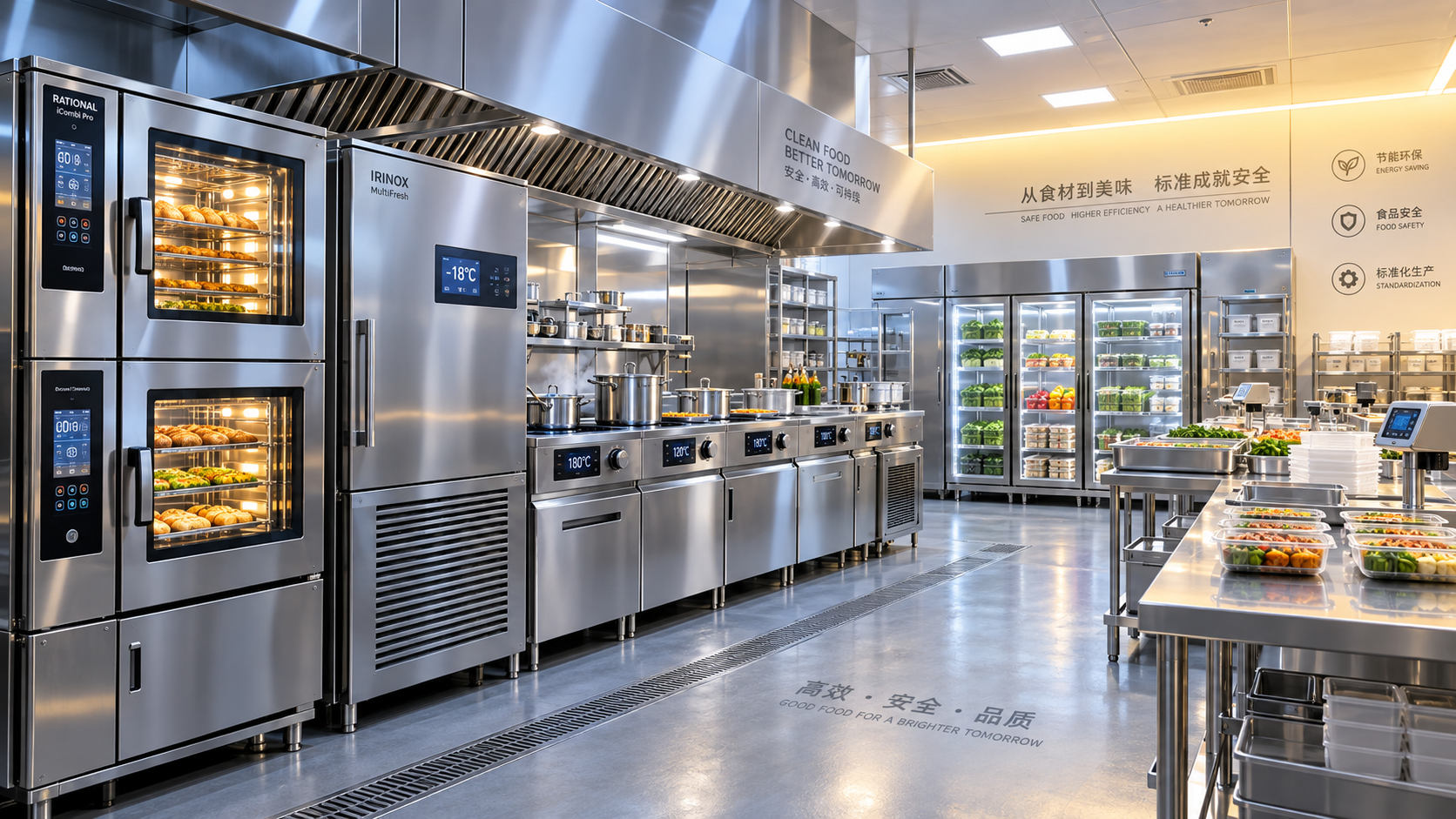
For modern operations, a strong layout reduces cross-contamination risks, supports sanitation routines, and improves the flow of people, food, waste, and equipment throughout the kitchen.
Hospital kitchen layouts are shifting from basic utility to hygiene-centered flow
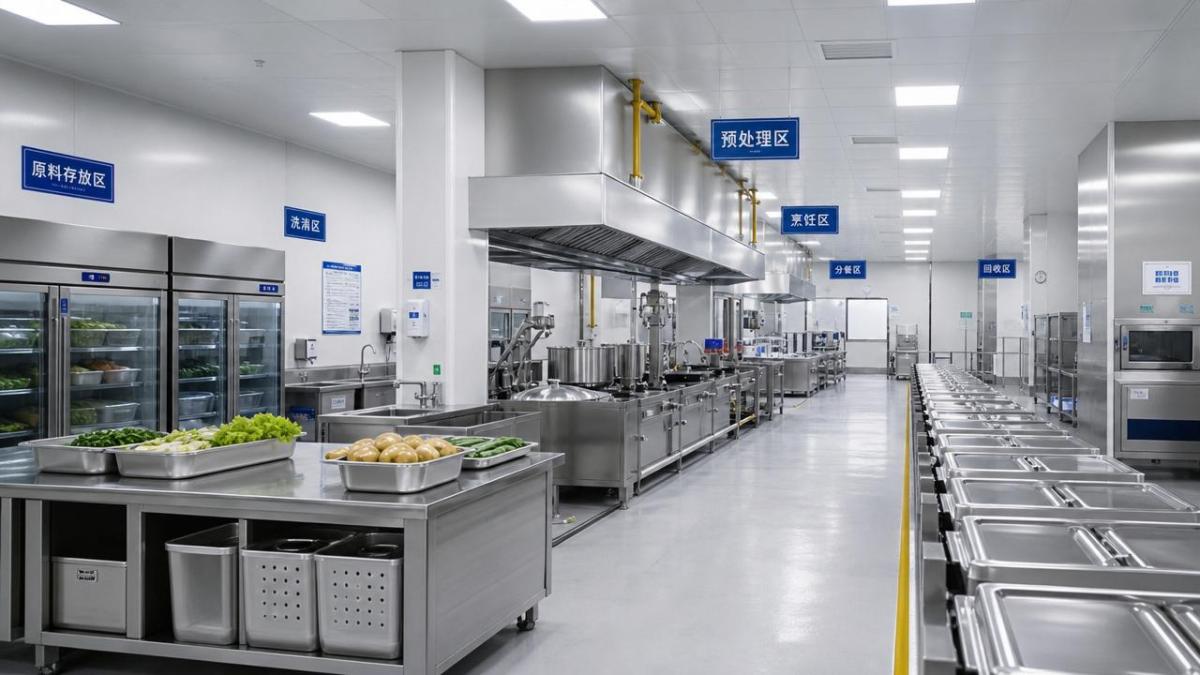
In many facilities, kitchen design for hospitals has moved beyond fitting equipment into available space. The new priority is creating controlled movement paths that protect food and limit contamination points.
This change reflects a broader evolution in the kitchen equipment industry. Smart appliances, integrated workstations, and energy-efficient systems now influence hospital kitchen planning from the start.
Design teams increasingly evaluate zoning before selecting equipment. Clean and dirty paths, receiving areas, cold storage, prep stations, cooking lines, plating zones, and wash areas must connect logically.
When kitchen design for hospitals is planned around directional flow, staff travel less, surfaces stay cleaner, and food reaches wards faster without unnecessary handling.
Several trend signals explain why hygiene and flow now dominate planning decisions
Healthcare kitchens face rising pressure from food safety audits, infection control expectations, special diet complexity, and labor shortages. Each factor pushes designers toward more structured, resilient layouts.
At the same time, the wider kitchen equipment market is advancing toward automation, digital monitoring, and integrated systems. Hospitals are adopting these changes carefully but steadily.
Key drivers behind the current design direction
How kitchen design for hospitals directly affects hygiene performance
The strongest hygiene outcomes begin with separation. Raw ingredients, cooked foods, utensils, waste, and staff traffic should not cross unnecessarily during daily operations.
A poorly planned kitchen allows hidden contamination events. These often happen at shared prep tables, crowded pass-through points, handwashing gaps, and dish return bottlenecks.
By contrast, kitchen design for hospitals improves hygiene when every step supports control. Surfaces become easier to clean, staff know where to move, and sanitation routines become repeatable.
Design elements with the greatest hygiene impact
- Physical zoning between receiving, storage, prep, cooking, plating, and washing
- Dedicated handwashing access near high-touch work areas
- Non-porous, easy-clean surfaces and coved floor-wall transitions
- Ventilation that limits grease, humidity, and airborne contamination spread
- Clear waste removal routes away from meal production paths
- Cold chain continuity through smart refrigeration placement
These details matter because hospital foodservice supports vulnerable populations. Even minor hygiene failures can create larger safety consequences than in standard commercial kitchens.
Flow efficiency is becoming as important as sanitation in daily hospital foodservice
Kitchen design for hospitals also shapes speed, consistency, and workload balance. A clean kitchen is not enough if meals arrive late, temperatures drop, or staff must repeat tasks.
Good flow means ingredients enter smoothly, meals progress in one direction, and finished trays exit without colliding with returns, waste, or warewashing operations.
This becomes especially important in large hospitals, central kitchens, and multi-ward operations. Volume magnifies every weak point in circulation and equipment arrangement.
Operational effects of stronger flow design
- Shorter travel paths reduce labor strain and wasted time
- Better staging improves tray assembly accuracy
- Fewer crossings lower the chance of contamination events
- Proper equipment sequencing supports continuous production
- Clear dispatch zones help preserve food temperature during delivery
In practice, kitchen design for hospitals works best when hygiene logic and flow logic reinforce each other rather than compete for space.
The influence extends across equipment choices, maintenance, and compliance routines
Design decisions affect more than layout drawings. They shape what equipment fits, how cleaning is performed, and how consistently standards can be met over time.
In the broader kitchen equipment industry, modular systems and intelligent appliances are helping hospitals create more adaptable production environments.
For example, refrigerated prep stations reduce transport steps. Touch-efficient controls simplify cleaning. Smart monitoring improves temperature documentation and supports corrective action.
Business areas most affected by layout quality
The most important focus points are becoming easier to identify
Facilities evaluating kitchen design for hospitals should focus on a few high-value priorities first. These areas usually deliver the clearest gains in both hygiene and workflow.
- Map one-way movement for food, staff, carts, dishes, and waste
- Create visible separation for raw, ready-to-eat, and allergen-sensitive preparation
- Place sinks, sanitation stations, and storage where tasks actually happen
- Choose equipment that supports easy cleaning and digital monitoring
- Protect dispatch and tray assembly zones from congestion
- Design for future upgrades in automation and energy efficiency
These priorities align with larger industry movement toward integrated kitchen systems, smarter management tools, and sustainable commercial kitchen equipment.
A practical response starts with assessment, then phased improvement
Not every hospital can rebuild an entire kitchen at once. However, meaningful improvement is still possible through structured assessment and phased design changes.
Suggested decision path
- Audit current movement patterns and contamination crossover points
- Identify equipment bottlenecks affecting holding time or cleaning access
- Prioritize zoning fixes with the highest hygiene and flow benefit
- Add smart monitoring where temperature control is most critical
- Review performance after implementation and refine traffic logic
This approach helps kitchen design for hospitals stay realistic, measurable, and aligned with broader operational and compliance goals.
As healthcare foodservice continues to evolve, kitchens that balance sanitation, speed, flexibility, and smart equipment integration will be better positioned for future demands.
If a layout review is overdue, start by tracing how food, people, and waste move today. That single exercise often reveals the fastest path to safer hospital kitchen performance.
Popular Tags
Kitchen Industry Research Team
Dedicated to analyzing emerging trends and technological shifts in the global hospitality and foodservice infrastructure sector.
Industry Insights
Join 15,000+ industry professionals. Get the latest market trends and tech news delivered weekly.
No spam. Unsubscribe anytime.
Hot Articles
 How to Size a Commercial Kitchen Hood for Cooking Equipment and Heat Loads
- How to Size a Planetary Mixer Machine for High-Viscosity Batch Production
- How to Choose Ceramic Rice Plates for Restaurants: Size, Glaze, and Chip Resistance
- Kitchen Innovation Trends in Emerging Markets: Where Growth Will Come From in 2026
Contact With us
Contact:
Anne Yin (Ceramics Dinnerware/Glassware)
Lucky Zhai(Flatware)