
Commercial Charbroiler Heat Recovery Matters More Than BTU Ratings
When evaluating a commercial charbroiler, BTU ratings alone rarely tell the full performance story. For technical assessment teams, heat recovery determines how quickly the unit rebounds after heavy loads, how evenly it maintains cooking temperatures, and how efficiently it uses energy. Understanding why commercial charbroiler heat recovery matters more than headline BTU numbers is essential for making reliable, cost-effective equipment decisions.
Why the same commercial charbroiler performs differently in real kitchen scenes
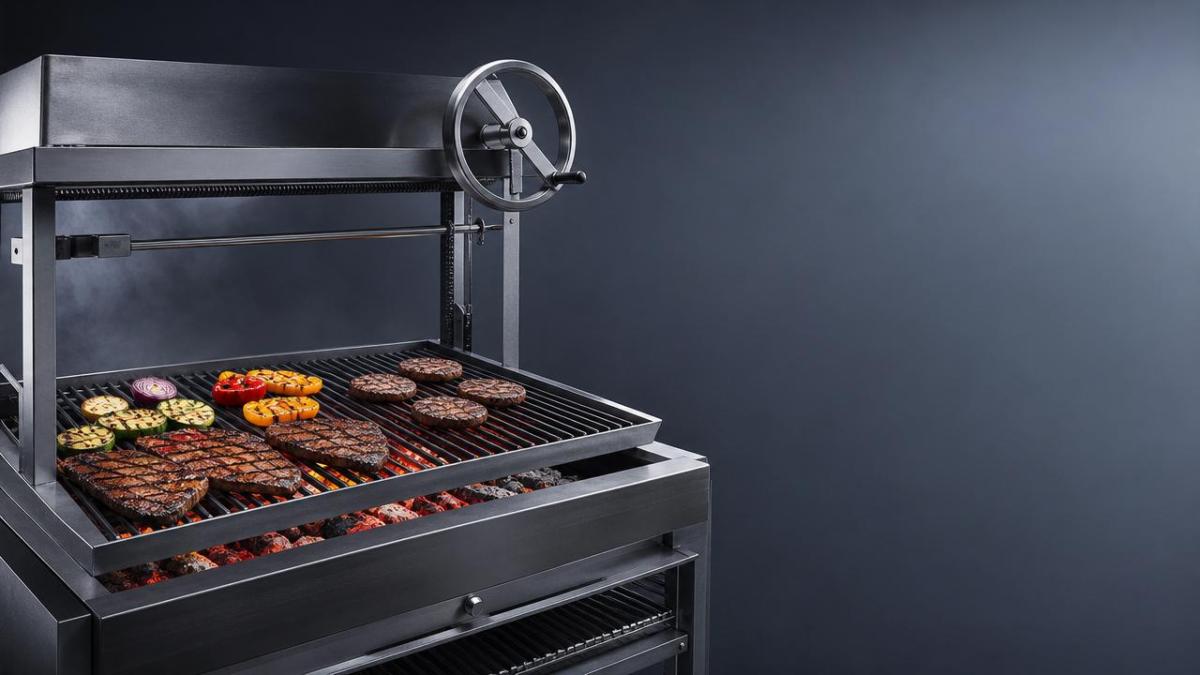
A commercial charbroiler may look powerful on paper, yet struggle during peak service. That gap often comes from poor heat recovery, not low rated BTU capacity.
BTU measures potential fuel input. It does not show how efficiently heat reaches the grates, how quickly metal reheats, or how stable temperatures remain.
In the kitchen equipment industry, real performance matters because restaurant output, food consistency, and utility costs depend on actual cooking recovery under changing demand.
Heat recovery becomes especially important in integrated kitchen systems, where speed, energy efficiency, and predictable output support broader digital and operational goals.
Scene-based evaluation background: workload changes the meaning of BTU ratings
A light-duty café and a high-volume steak concept do not ask the same thing from a commercial charbroiler. Their production rhythm changes the right evaluation method.
In low-volume use, a unit with high BTU input may appear acceptable even with weak recovery. During rush periods, that same unit can lose grate temperature quickly.
The result is slower searing, longer ticket times, uneven grill marks, and greater fuel waste. These issues affect restaurants, hotels, and central production kitchens alike.
That is why commercial charbroiler selection should begin with operating scenes, not brochure numbers. Scene-based testing reveals whether the equipment matches actual demand.
Typical application scenes where heat recovery becomes the key decision point
Fast lunch turnover with repeated batch loading
In fast lunch service, a commercial charbroiler receives repeated cold loads. Burgers, chicken, or vegetables hit the grate in quick cycles without full idle recovery time.
Here, heat recovery determines whether the second and third batch cook like the first. Stable rebound protects throughput and reduces operator compensation.
Steakhouse or premium grill service demanding crust consistency
Premium proteins need strong initial contact heat and fast post-load recovery. A commercial charbroiler with weak recovery may brown unevenly and lose surface caramelization.
Even high BTU models can underperform if burners, radiants, and grate mass are not designed to retain and return heat efficiently.
Hotel banquet production with staggered cooking windows
Banquet cooking often alternates between waiting periods and sudden heavy use. In this scene, a commercial charbroiler must recover rapidly after each concentrated production burst.
Good recovery helps keep timing predictable across multiple menu items. That supports coordinated output with ovens, holding equipment, and plated service flow.
Central kitchen or chain-standardized menu production
Standardized production values repeatability more than raw flame intensity. A commercial charbroiler should maintain similar results across shifts, operators, and load sizes.
Heat recovery supports repeatability because temperature return becomes more predictable. This matters for quality control, energy planning, and kitchen process optimization.
How to judge commercial charbroiler heat recovery beyond marketing numbers
A practical evaluation should combine performance indicators, not depend on BTU alone. The following points reveal whether a commercial charbroiler is truly responsive.
- Temperature rebound time after a full product load
- Surface temperature consistency across cooking zones
- Grate material mass and heat retention behavior
- Burner layout and direct heat transfer efficiency
- Radiant design and how evenly it redistributes heat
- Fuel consumption during repeated high-load cycles
These factors matter across the broader kitchen equipment sector, where energy-efficient cooking systems increasingly outperform simple high-input designs.
Different scenes, different commercial charbroiler priorities
Scene-fit recommendations for selecting a commercial charbroiler
Use a structured comparison process before choosing a commercial charbroiler. Match the equipment to the cooking scene, menu load, and operational rhythm.
- Define the heaviest expected load, not the average load.
- Test recovery after placing cold product across at least half the cooking surface.
- Measure temperature return time instead of comparing BTU numbers only.
- Check grate construction, radiant coverage, and burner spacing.
- Review energy use during continuous cooking, not idle operation alone.
- Confirm cleaning access because residue buildup can reduce effective heat transfer.
These recommendations align with wider trends in kitchen equipment innovation, where automation, efficiency, and reliable thermal performance now guide purchasing decisions.
Common misjudgments that lead to the wrong commercial charbroiler choice
One common mistake is assuming higher BTU always means faster cooking. If heat transfer is inefficient, extra input may simply raise fuel use and kitchen temperature.
Another mistake is testing with an empty grate. A commercial charbroiler should be assessed under realistic food loads because cold product changes the thermal balance immediately.
Ignoring grate mass is also risky. Heavy grates often store more heat, supporting stronger recovery, but they must be paired with suitable burner and radiant design.
Some evaluations focus only on startup speed. Startup matters less than how the commercial charbroiler behaves during the busiest thirty minutes of service.
Cleaning requirements are frequently overlooked. Grease buildup can block heat paths, reduce recovery, and distort comparison results between otherwise similar units.
A better next step for commercial charbroiler evaluation
A stronger selection process starts with real cooking scenes. Build a short test protocol around load size, recovery time, zone stability, and fuel use.
Compare each commercial charbroiler under the same menu conditions. Record how quickly it regains surface temperature and whether product quality remains consistent across cycles.
This approach supports smarter kitchen equipment decisions, especially as foodservice operations seek energy-efficient, reliable, and scalable cooking systems.
If the goal is dependable output rather than impressive brochure numbers, prioritize heat recovery first. In most real kitchens, that is what makes a commercial charbroiler truly perform.
Popular Tags
Kitchen Industry Research Team
Dedicated to analyzing emerging trends and technological shifts in the global hospitality and foodservice infrastructure sector.
Industry Insights
Join 15,000+ industry professionals. Get the latest market trends and tech news delivered weekly.
No spam. Unsubscribe anytime.
Hot Articles
 How to Choose a Leak-Proof Glass Storage Container for Meal Prep and Transport
- How to Size a Commercial Charbroiler for Peak-Hour Restaurant Output
- How to Specify Stainless Steel Kitchen Equipment for High-Volume Commercial Kitchens
- How to Choose Food Containers for Hot, Cold, and Leak-Prone Takeout Meals

Contact With us
Contact:
Anne Yin (Ceramics Dinnerware/Glassware)
Lucky Zhai(Flatware)