
Why Kitchen Knife Steel Choice Changes Sharpening Costs
Choosing the right Kitchen Knife steel affects far more than sharpness on day one. It changes how often edges need service, how long each sharpening session takes, and how much maintenance costs over time.
That shift matters across the kitchen equipment industry, where efficiency, consistency, and lifecycle value now influence buying decisions as much as initial price. In commercial kitchens and homes alike, steel choice is becoming a practical cost variable.
As foodservice operations push for productivity and reliable output, the maintenance profile of every Kitchen Knife gains importance. Steel selection now sits at the intersection of labor planning, tool longevity, and cutting performance.
Why Kitchen Knife steel is becoming a cost-control issue
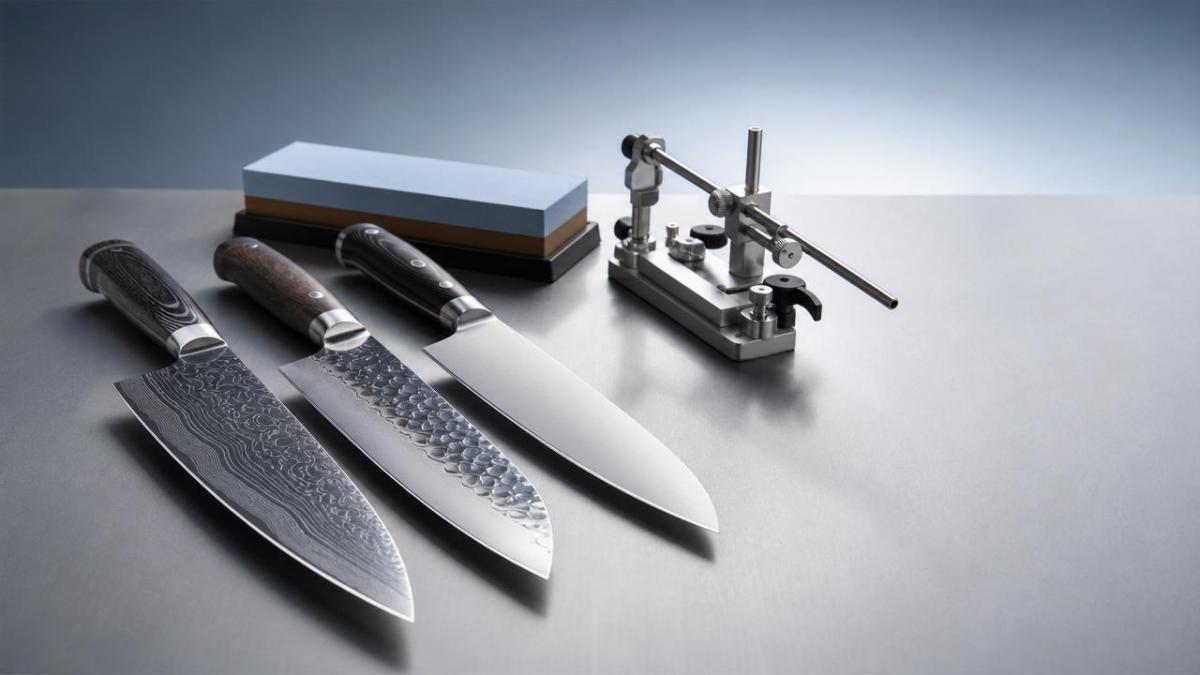
A decade ago, many buyers focused mainly on blade shape, brand, and advertised hardness. Today, sharpening cost is receiving more attention because labor has become expensive and kitchen downtime is harder to absorb.
The modern Kitchen Knife is expected to cut longer, sharpen predictably, and survive heavy daily use. Steel type determines whether that expectation is realistic or whether hidden maintenance costs build quietly in the background.
This trend is visible across restaurants, hotel kitchens, food preparation sites, culinary schools, and home cooking markets. Buyers increasingly compare total ownership costs instead of looking only at the purchase invoice.
The market is shifting from edge retention claims to maintenance economics
Long edge retention sounds attractive, but it does not automatically mean lower sharpening expense. Some hard steels hold an edge longer, yet take more time, more skill, and more abrasive wear to restore.
By contrast, softer stainless steels may need more frequent touch-ups, but each session is faster and easier. The real cost question is not only how often sharpening happens, but what every sharpening event consumes.
That is why Kitchen Knife steel is now discussed in terms of maintenance economics. Operators want to know the combined effect on labor minutes, sharpening media replacement, service intervals, and edge consistency.
Key signals behind this change
- Higher labor costs make long sharpening sessions more expensive.
- Premium steels require better stones, systems, or professional service.
- Busy kitchens need predictable tool availability during service hours.
- Users increasingly value lifecycle cost over simple marketing claims.
- Digital product comparison has made steel properties easier to evaluate.
What drives sharpening costs for each Kitchen Knife steel type
Sharpening cost comes from several linked factors. Hardness is one part, but carbide structure, corrosion resistance, toughness, and heat treatment also affect how a Kitchen Knife behaves on stones or machines.
In practice, a Kitchen Knife made from balanced steel often costs less to maintain than a blade using extreme hardness for marketing appeal. Usability matters more than specification alone.
Common steel categories and their maintenance profile
- Soft to mid-hard stainless steel: easier sharpening, more frequent touch-ups.
- High-carbon steel: keen edges and fast sharpening, but more rust care.
- Powder metallurgy steel: long wear life, but slower and costlier sharpening.
- Hybrid or layered steel: mixed maintenance behavior depending on core composition.
How steel choice changes costs across different kitchen environments
The same Kitchen Knife steel can produce very different cost outcomes depending on volume, skill level, and sharpening tools available. Context matters as much as metallurgy.
In high-output kitchens, frequent but quick sharpening may be cheaper than infrequent but difficult sharpening. In home kitchens, edge retention can matter more because maintenance is usually less structured.
Operational impact by setting
This is why a premium Kitchen Knife is not always the lowest-cost option. A steel that fits the environment will usually deliver better long-term value than the most advanced alloy on paper.
The biggest maintenance mistakes now becoming more visible
As the market matures, several cost mistakes appear repeatedly. Most happen when steel choice is disconnected from sharpening capability and actual usage patterns.
- Buying very hard Kitchen Knife steel without suitable stones or systems.
- Assuming longer edge retention always lowers annual maintenance cost.
- Ignoring corrosion behavior in wet or acidic prep conditions.
- Using one steel type for all tasks, regardless of cutting demands.
- Overlooking training, which increases edge damage and inconsistent sharpening.
These errors create hidden expenses through chipped edges, wasted abrasive media, extra service calls, and uneven cutting performance. The result is lower productivity, even when the original Kitchen Knife seemed high quality.
What deserves closer attention before selecting a Kitchen Knife steel
A useful decision framework starts with workload and maintenance reality, not marketing language. Steel should match who sharpens, how often sharpening happens, and what level of edge precision is actually required.
Core points to evaluate
- Average daily cutting volume and ingredient type.
- Available sharpening skill, whether internal or outsourced.
- Stone, guided system, or machine compatibility.
- Tolerance for patina, rust risk, and cleaning demands.
- Expected service life and budget for maintenance supplies.
- Need for thin, refined edges or tougher all-purpose geometry.
When these points are reviewed together, the best Kitchen Knife steel often becomes clearer. The goal is not maximum hardness. The goal is predictable performance at a manageable maintenance cost.
A practical way to judge future sharpening costs
A simple comparison model can improve decisions. Estimate annual sharpening frequency, average time per session, abrasive replacement rate, and expected edge repair incidents for each Kitchen Knife steel option.
This approach turns the Kitchen Knife decision into a measurable operating question. It also supports broader kitchen equipment planning, where uptime and maintenance predictability are becoming strategic priorities.
The next step is choosing steel with the full lifecycle in mind
Kitchen Knife performance should be judged across months and years, not only at purchase. Steel that aligns with sharpening resources, workload, and environment usually delivers the strongest financial outcome.
Review current knives, track sharpening time, and compare edge behavior by steel category. That small audit can reveal where costs are rising and where a better Kitchen Knife specification can improve efficiency.
In a market moving toward smarter, more efficient kitchen equipment, steel choice is no longer a detail. It is a practical lever for reducing sharpening costs while keeping cutting quality reliable every day.
Popular Tags
Kitchen Industry Research Team
Dedicated to analyzing emerging trends and technological shifts in the global hospitality and foodservice infrastructure sector.
Industry Insights
Join 15,000+ industry professionals. Get the latest market trends and tech news delivered weekly.
No spam. Unsubscribe anytime.
Hot Articles
 How to Choose a Leak-Proof Glass Storage Container for Meal Prep and Transport
- How to Size a Commercial Charbroiler for Peak-Hour Restaurant Output
- How to Specify Stainless Steel Kitchen Equipment for High-Volume Commercial Kitchens
- How to Choose Food Containers for Hot, Cold, and Leak-Prone Takeout Meals


Contact With us
Contact:
Anne Yin (Ceramics Dinnerware/Glassware)
Lucky Zhai(Flatware)