
Restaurant kitchen equipment maintenance saves more than cost
Restaurant kitchen equipment maintenance saves more than cost—it protects uptime, food safety, and service quality. For after-sales maintenance teams, a well-planned maintenance routine helps reduce emergency repairs, extend equipment life, and improve energy efficiency. As commercial kitchens become smarter and more automated, proactive maintenance is essential for keeping operations stable and customers satisfied.
Why does restaurant kitchen equipment maintenance matter more than many teams expect?
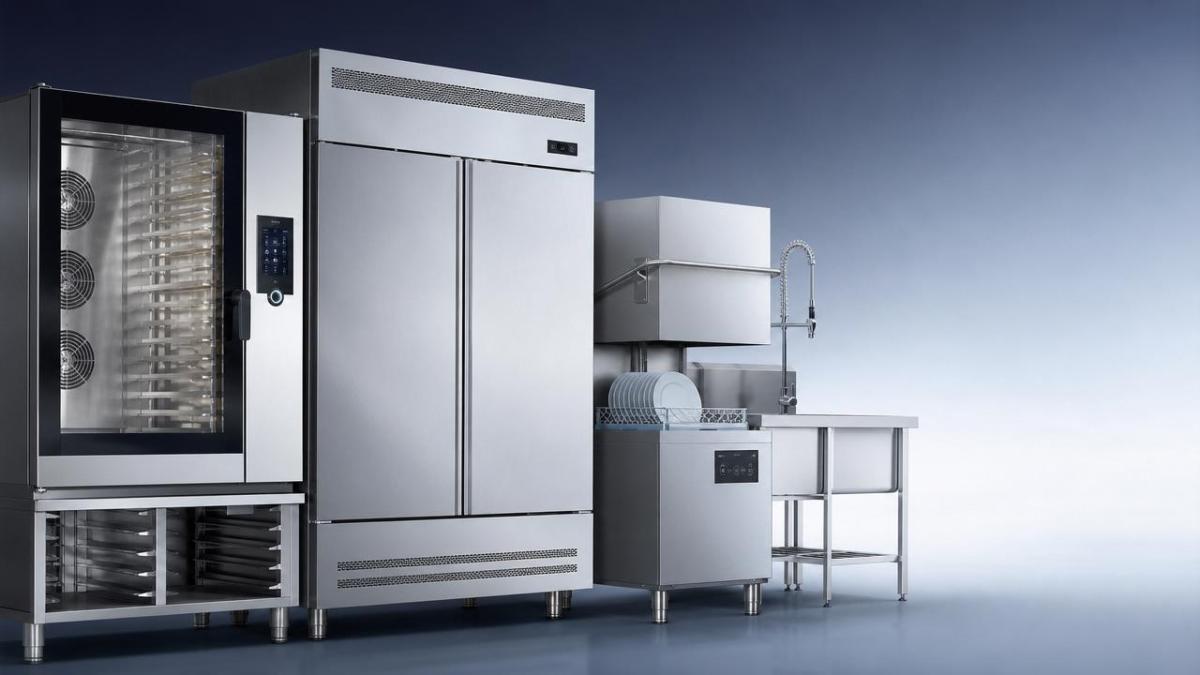
In commercial kitchens, maintenance is not only a technical task. It is directly tied to service continuity, sanitation control, utility cost, and the ability of operators to meet peak-hour demand without disruption.
For after-sales maintenance personnel, the pressure is growing. Equipment fleets now include combi ovens, refrigeration systems, dishwashers, induction units, fryers, food prep machines, and connected control modules. Each category has different wear patterns and service priorities.
The global kitchen equipment industry is also changing fast. Smart kitchen systems, automated cooking lines, and digital monitoring tools are expanding. That means restaurant kitchen equipment maintenance must now cover both mechanical reliability and electronic diagnostics.
What is usually at stake during poor maintenance?
- Unexpected downtime during lunch or dinner rush, when one failed unit can affect the full production line.
- Food safety risk caused by unstable temperature control, poor cleaning, or damaged seals and surfaces.
- Higher energy and water consumption because scaling, clogged filters, leaking gaskets, and drifting sensors reduce operating efficiency.
- Shortened asset life, leading to avoidable replacement cost and difficult budget conversations with operators.
This is why strong maintenance practice is increasingly viewed as an operational safeguard, not a back-end expense. Teams that document faults early and standardize inspection routines often prevent expensive chain failures later.
Which equipment categories need the closest maintenance attention?
Not every unit in a kitchen carries the same maintenance risk. After-sales teams should prioritize equipment based on failure impact, cleaning difficulty, temperature sensitivity, and frequency of daily use.
The table below helps structure restaurant kitchen equipment maintenance by category, typical failure points, and service focus. It is useful when building preventive maintenance schedules for restaurants, hotels, central kitchens, and food processing support areas.
The key takeaway is simple: high-usage and temperature-critical systems usually deserve shorter inspection intervals. Maintenance teams should not assign the same service rhythm to a prep slicer and a walk-in refrigeration unit.
Priority logic for after-sales teams
- Rank equipment by business impact if it stops for two hours.
- Add a food safety score for units controlling hot or cold holding temperatures.
- Review cleaning complexity, because hard-to-clean systems fail earlier in busy kitchens.
- Include spare parts lead time, especially for imported components or smart control boards.
How should maintenance schedules change for traditional and smart kitchen systems?
Commercial kitchens no longer rely only on manual controls. Many sites now use programmable ovens, sensor-based refrigeration, connected dishwashers, and energy-monitoring modules. That changes maintenance planning in meaningful ways.
Restaurant kitchen equipment maintenance for traditional units focuses heavily on cleaning, lubrication, wear checks, and safety function testing. Smart systems still need those basics, but they also require firmware awareness, alarm interpretation, and data-driven troubleshooting.
The following comparison table helps after-sales teams prepare the right service approach instead of applying one maintenance logic to all equipment types.
This comparison shows why maintenance departments need updated competencies. As the kitchen equipment sector moves toward automation, intelligence, and energy efficiency, service teams that can read both physical symptoms and system data create more value for operators.
Practical schedule design
- Daily: operator cleaning, visual checks, temperature confirmation, alarm acknowledgement.
- Weekly: filter cleaning, gasket condition review, leak search, performance trend notes.
- Monthly: calibration review, electrical connection check, moving-part wear inspection.
- Quarterly or semiannual: deeper preventive maintenance, replacement of high-wear parts, control validation, and sanitation review.
What should after-sales maintenance personnel inspect first on site?
A fast but disciplined first inspection prevents wasted service time. Many failures reported as “machine breakdown” are actually caused by cleaning neglect, poor ventilation, unstable power supply, or incorrect operator settings.
Recommended first-visit checklist
- Confirm the complaint with the operator: intermittent fault, total shutdown, slow recovery, or abnormal noise.
- Check installation basics: voltage, gas supply stability where applicable, drainage, water pressure, ventilation clearance, and leveling.
- Inspect hygiene condition: grease accumulation, scale, blocked air paths, food debris, and neglected removable parts.
- Review service history: repeated faults often indicate a root-cause issue rather than a single failed component.
- Validate safety items first: high-limit devices, door interlocks, emergency stops, exposed wiring, and damaged insulation.
For restaurant kitchen equipment maintenance, this sequence matters because it quickly separates operator misuse from genuine equipment deterioration. It also helps maintenance teams produce clearer reports that support future spare-parts planning.
Signs that point to root-cause problems
If a refrigeration unit repeatedly trips after coil cleaning, airflow design or ambient heat load may be the issue. If heating recovery is weak after element replacement, calibration, voltage stability, or door seal leakage may be reducing effective performance.
This root-cause mindset is especially important in integrated kitchens, where one failure can affect prep timing, holding capacity, and dishwashing turnover in the same service cycle.
How can maintenance reduce total operating cost, not only repair cost?
The strongest maintenance programs reduce more than service invoices. They lower utility waste, shrink food loss, avoid overtime disruption, and delay capital replacement. That broader view is essential when justifying preventive service budgets.
The cost table below shows where restaurant kitchen equipment maintenance creates savings beyond the obvious repair line. It can be used during internal discussions with restaurant managers, hotel engineering teams, or central kitchen operators.
When service teams communicate maintenance value in this way, conversations become easier. Operators often approve preventive work faster when they see the link between maintenance, energy efficiency, food safety, and uninterrupted service output.
Where hidden costs usually appear
Hidden cost often comes from delayed action. A worn door gasket may look minor, yet it increases compressor run time, creates temperature instability, and eventually contributes to product loss. A neglected spray arm may slowly reduce wash quality until rewash labor rises.
Which standards, records, and service habits improve maintenance quality?
Even when exact local regulations differ, maintenance quality improves when teams align with common foodservice expectations: safe electrical practice, hygienic surface condition, temperature control accuracy, and traceable service documentation.
Useful compliance-oriented habits
- Record measured temperatures before and after service, not just operator comments.
- Document replaced parts, visible wear, and cleaning deficiencies with clear descriptions.
- Note whether food-contact areas, drains, seals, and internal chambers were checked for sanitation impact.
- Use lockout and electrical isolation procedures where required, especially for high-load commercial appliances.
- Maintain calibration awareness for thermometers, probes, and control interfaces that influence food holding or cooking results.
These habits support clearer handovers between service providers, restaurant managers, and procurement teams. They also improve spare-parts forecasting, because recurring service records reveal which units are becoming unreliable or costly to maintain.
Why documentation matters in modern kitchens
As kitchen equipment becomes more intelligent and connected, documentation is no longer optional. Service logs, alarm history, and maintenance intervals help teams compare sites, detect repeated fault patterns, and plan upgrades instead of reacting only after breakdowns.
FAQ: what do after-sales teams ask most about restaurant kitchen equipment maintenance?
How often should restaurant kitchen equipment maintenance be scheduled?
It depends on equipment type, daily usage, water quality, ventilation condition, and operating hours. High-load cooking, refrigeration, and warewashing systems usually need daily operator checks plus periodic professional preventive service at monthly, quarterly, or semiannual intervals.
Which equipment failures are most expensive when maintenance is delayed?
Refrigeration failures are often among the most expensive because they combine repair cost with food loss. Combi ovens, dishwashers, and fryer systems can also become costly when scale, control drift, or cleaning neglect leads to deeper component damage.
What should be checked before replacing a major component?
Confirm supply conditions, operator settings, airflow or drainage status, sensor readings, and maintenance history first. Many major parts are replaced too early when the true cause is installation condition, contamination, or calibration error.
Are smart kitchen systems easier or harder to maintain?
They can be easier to diagnose if alarm logs and data are available, but they require broader skill sets. Teams must understand both physical service fundamentals and control-layer troubleshooting. Without training, connected equipment may appear more complex than it really is.
What is the most common maintenance mistake in busy kitchens?
Treating cleaning as separate from maintenance is a common mistake. In reality, grease, scale, blocked airflow, and worn seals are often the first stage of technical failure. Good maintenance begins with disciplined daily care.
Why choose us for maintenance planning, spare-parts coordination, and equipment support?
If you are building or improving a restaurant kitchen equipment maintenance program, we can support the process with practical and decision-focused guidance. Our approach fits restaurants, hotels, central kitchens, and food processing support environments where uptime, food safety, and energy performance all matter.
You can contact us for parameter confirmation, maintenance interval planning, spare-parts selection, equipment category matching, delivery cycle discussions, certification-related documentation questions, and tailored service recommendations for smart or conventional kitchen systems.
We can also help you compare maintenance priorities across refrigeration, cooking, warewashing, and food prep equipment, so your after-sales team can focus budget and labor where failure risk is highest. That makes restaurant kitchen equipment maintenance more predictable, more measurable, and more valuable to the operator.
Popular Tags
Kitchen Industry Research Team
Dedicated to analyzing emerging trends and technological shifts in the global hospitality and foodservice infrastructure sector.
Industry Insights
Join 15,000+ industry professionals. Get the latest market trends and tech news delivered weekly.
No spam. Unsubscribe anytime.
Hot Articles

Contact With us
Contact:
Anne Yin (Ceramics Dinnerware/Glassware)
Lucky Zhai(Flatware)