
What to check before choosing a restaurant supplies supplier
Choosing a restaurant supplies supplier can shape daily operations more than many buyers expect. The right partner supports food safety, workflow efficiency, equipment uptime, and predictable costs.
In today’s kitchen equipment market, supply decisions also affect energy use, maintenance planning, and digital kitchen upgrades. A careful review helps reduce risk before contracts are signed.
This guide explains what to check before selecting a restaurant supplies supplier, with practical points covering products, compliance, logistics, service, and long-term value.
Core definition and supplier role
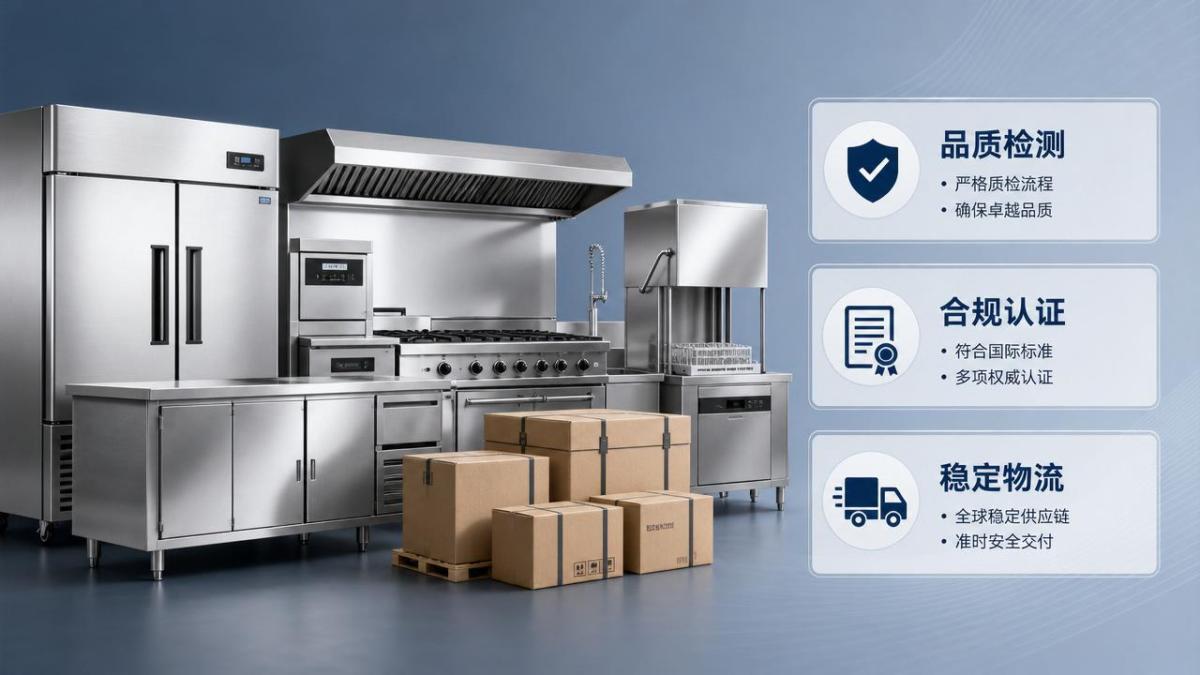
A restaurant supplies supplier provides equipment, tools, consumables, and support services used in commercial food operations. That may include cooking equipment, refrigeration, storage, preparation tools, and sanitation items.
Some suppliers focus only on product distribution. Others offer sourcing, customization, installation coordination, spare parts, training, and maintenance support for commercial kitchens and foodservice facilities.
Because modern kitchens depend on reliable systems, a restaurant supplies supplier should be evaluated as an operational partner, not just a price source.
Industry background and current evaluation priorities
The kitchen equipment industry is changing quickly. Buyers now look beyond basic availability and compare suppliers on efficiency, compliance, technology readiness, and supply chain resilience.
Global foodservice growth, food safety regulation, and rising utility costs have made supplier assessment more strategic. Equipment choices now influence both operations and sustainability targets.
- Demand for energy-efficient kitchen equipment continues to rise.
- Smart controls and digital monitoring are becoming common requirements.
- Supply continuity matters more due to global logistics volatility.
- Compliance with safety and hygiene standards remains essential.
- After-sales support is now a major selection criterion.
A dependable restaurant supplies supplier should understand these shifts and show the ability to support current and future kitchen needs.
Product quality and compliance checks
Start with the product itself. Equipment that looks similar on paper can differ greatly in materials, construction quality, safety performance, and operating lifespan.
Materials and build consistency
Check stainless steel grade, weld quality, surface finishing, insulation, hinges, seals, and control panel durability. Weak details often lead to faster failure in busy kitchens.
Certification and safety standards
Ask which standards apply in your market. Depending on location, that may include CE, NSF, ETL, UL, RoHS, or food-contact material compliance documentation.
A trustworthy restaurant supplies supplier should provide certificates, test reports, user manuals, and traceable product specifications without delay.
Performance verification
Review power consumption, temperature stability, heating speed, noise level, output capacity, and cleaning requirements. These factors directly affect operating cost and staff efficiency.
Supply stability and logistics capability
Even excellent products create problems if deliveries are inconsistent. A restaurant supplies supplier should have clear inventory practices, realistic lead times, and transparent shipment updates.
Ask where goods are manufactured, assembled, and stored. Multi-site sourcing may improve flexibility, but it can also increase variation if quality systems are weak.
- Standard lead time for regular orders
- Capacity during seasonal demand spikes
- Packaging protection for fragile or heavy equipment
- Export experience and customs document accuracy
- Emergency replacement procedures
This is especially important for businesses managing restaurant openings, renovations, or central kitchen expansion projects where delays can affect launch schedules.
Range, compatibility, and project support
A restaurant supplies supplier should offer more than a broad catalog. The product range should be compatible across kitchen zones and aligned with actual operational needs.
For example, refrigeration, preparation tables, cooking lines, dishwashing systems, and storage solutions should fit the available layout, power source, and workflow sequence.
Useful signs of strong support
- Ability to recommend equipment by kitchen volume
- Knowledge of ventilation and utility requirements
- Support for integrated kitchen planning
- Clear dimensional drawings and installation notes
- Options for modular or scalable expansion
This matters because the kitchen equipment industry increasingly values integrated systems over isolated purchases. Better compatibility usually means smoother installation and fewer operational bottlenecks.
Pricing structure and total cost of ownership
Price matters, but unit price alone is an incomplete comparison. The better method is to calculate total cost of ownership across the expected service life.
A lower quote may hide shorter lifespan, higher energy use, expensive spare parts, or slow service response. Those hidden costs often exceed the original savings.
A capable restaurant supplies supplier should explain cost drivers clearly and provide transparent quotations without vague optional charges.
After-sales service and technical responsiveness
After-sales support is one of the most important factors in supplier selection. Fast service protects kitchen continuity when a critical unit fails.
Review warranty terms carefully. Confirm coverage period, excluded parts, labor conditions, remote troubleshooting options, and spare parts lead times.
A reliable restaurant supplies supplier should also provide operating guidance, maintenance instructions, and accessible technical contacts for urgent cases.
Questions worth asking
- What is the response time for service requests?
- Which spare parts are stocked locally?
- Is remote diagnosis available for smart equipment?
- Can training be provided after installation?
Typical supply scenarios and supplier fit
Different operations require different supplier strengths. The best restaurant supplies supplier for one project may not be the best choice for another.
Practical selection steps before commitment
Use a structured review process before making a final decision. This reduces the chance of choosing a restaurant supplies supplier based only on sales presentation.
- Define product, capacity, and compliance requirements clearly.
- Request detailed specifications and certificates.
- Compare at least two or three suppliers on equal criteria.
- Check references, reviews, and completed projects.
- Review warranty, service process, and spare parts policy.
- Confirm delivery schedule and packaging standards.
- Assess long-term operating cost, not only the quote.
If possible, ask for product demonstrations, sample inspections, or trial units. Direct verification often reveals details that brochures cannot show.
Final review and next-step preparation
Selecting a restaurant supplies supplier is a business decision with operational consequences. Quality, compliance, logistics, service, and efficiency should be reviewed together.
The strongest choice is usually a supplier that combines dependable products, transparent communication, and long-term support for modern kitchen performance.
Before moving forward, prepare a comparison sheet covering specifications, certifications, lead times, service terms, and total cost. That simple step can improve decision quality significantly.
When evaluating any restaurant supplies supplier, focus on practical fit with your operation today and flexibility for tomorrow’s smarter, more energy-efficient kitchen environment.
Popular Tags
Kitchen Industry Research Team
Dedicated to analyzing emerging trends and technological shifts in the global hospitality and foodservice infrastructure sector.
Industry Insights
Join 15,000+ industry professionals. Get the latest market trends and tech news delivered weekly.
No spam. Unsubscribe anytime.
Hot Articles
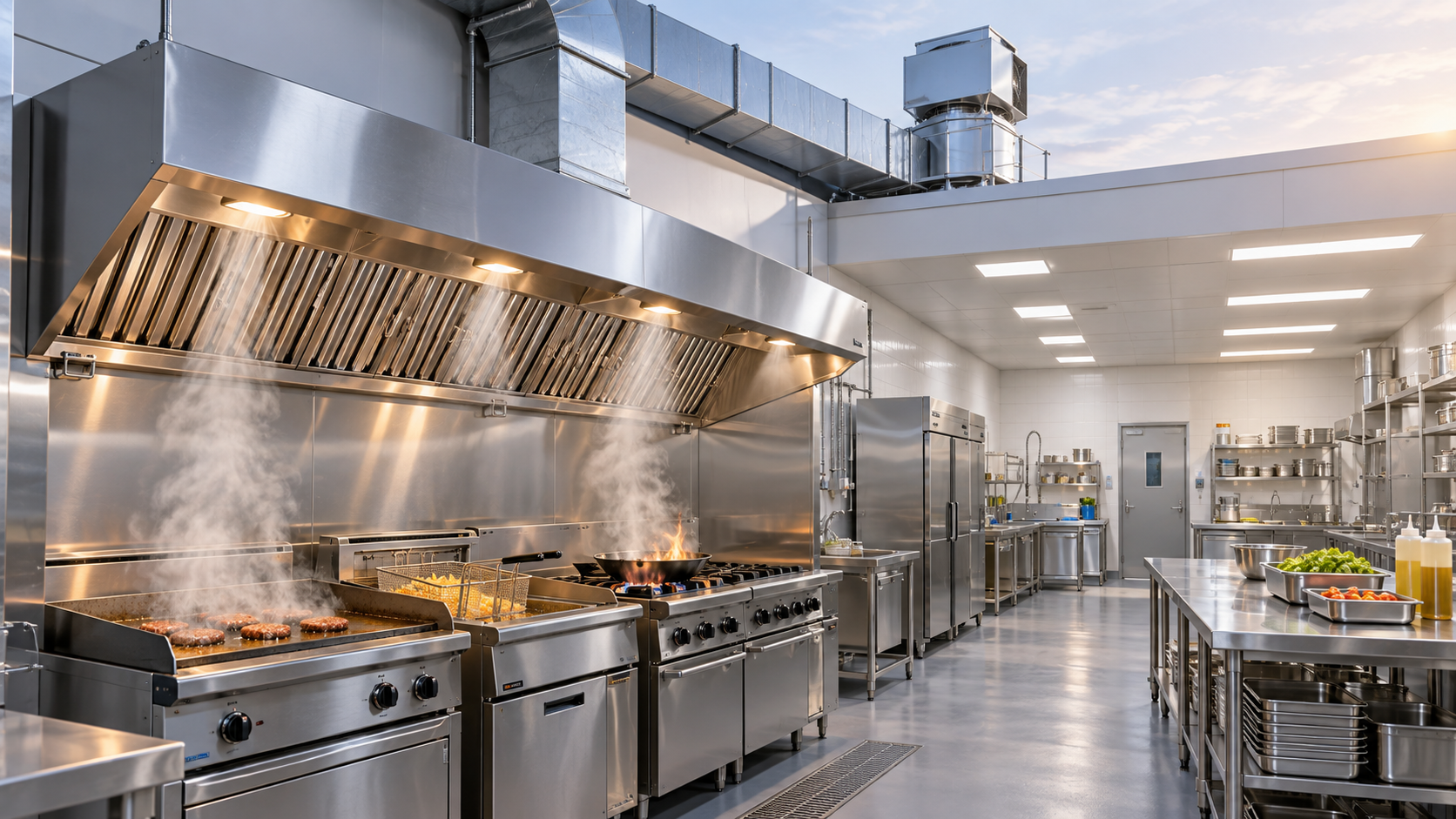
 How to Size a Commercial Kitchen Hood for Cooking Equipment and Heat Loads
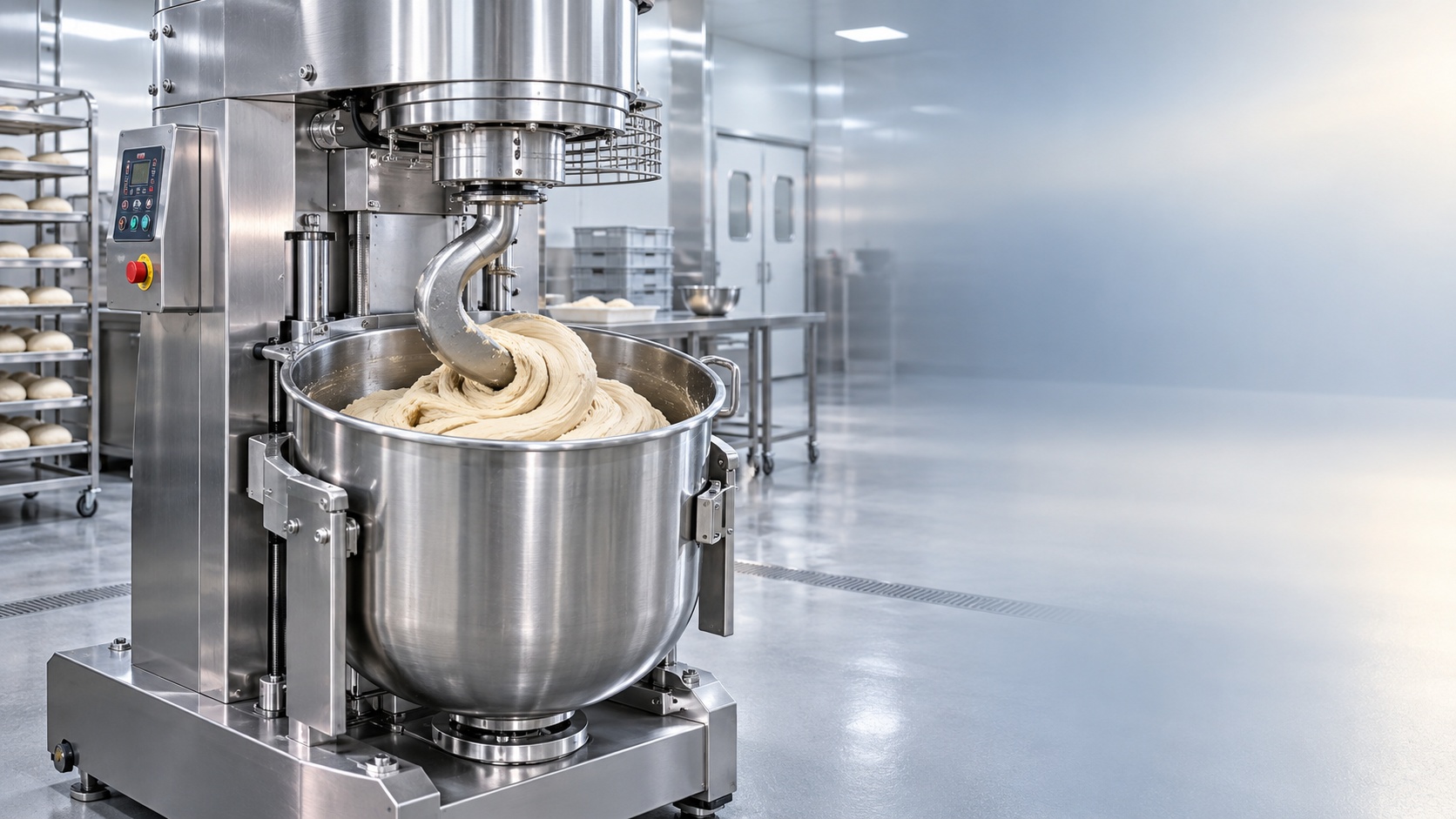
- How to Size a Planetary Mixer Machine for High-Viscosity Batch Production
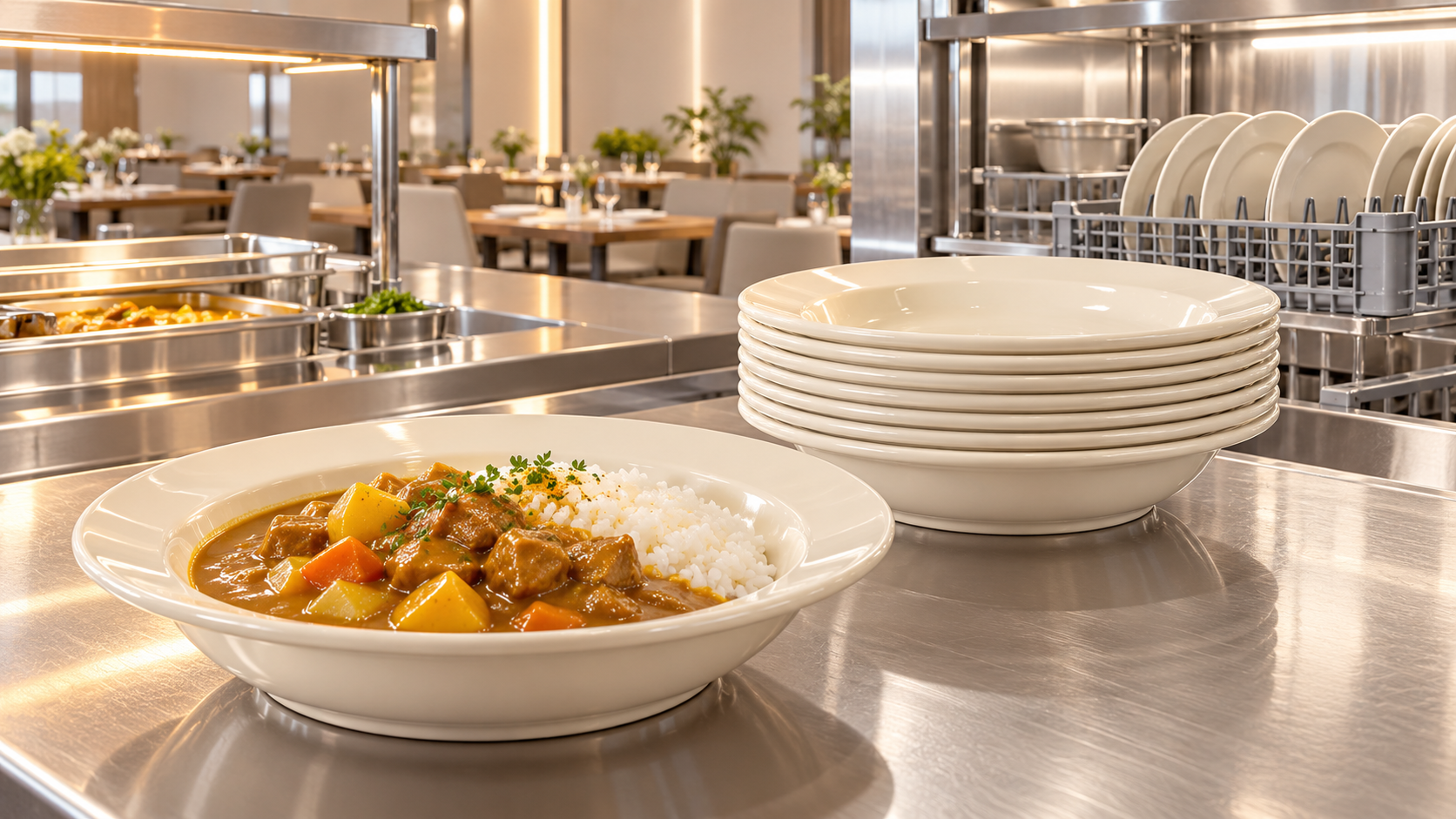
- How to Choose Ceramic Rice Plates for Restaurants: Size, Glaze, and Chip Resistance
- Kitchen Innovation Trends in Emerging Markets: Where Growth Will Come From in 2026
Contact With us
Contact:
Anne Yin (Ceramics Dinnerware/Glassware)
Lucky Zhai(Flatware)