
Why kitchen design for hotels affects guest ratings
In hospitality, guest satisfaction depends on more than elegant rooms and attentive service. Kitchen design for hotels directly influences food quality, service speed, hygiene standards, and overall operational efficiency. These factors shape reviews, repeat bookings, and overall guest ratings.
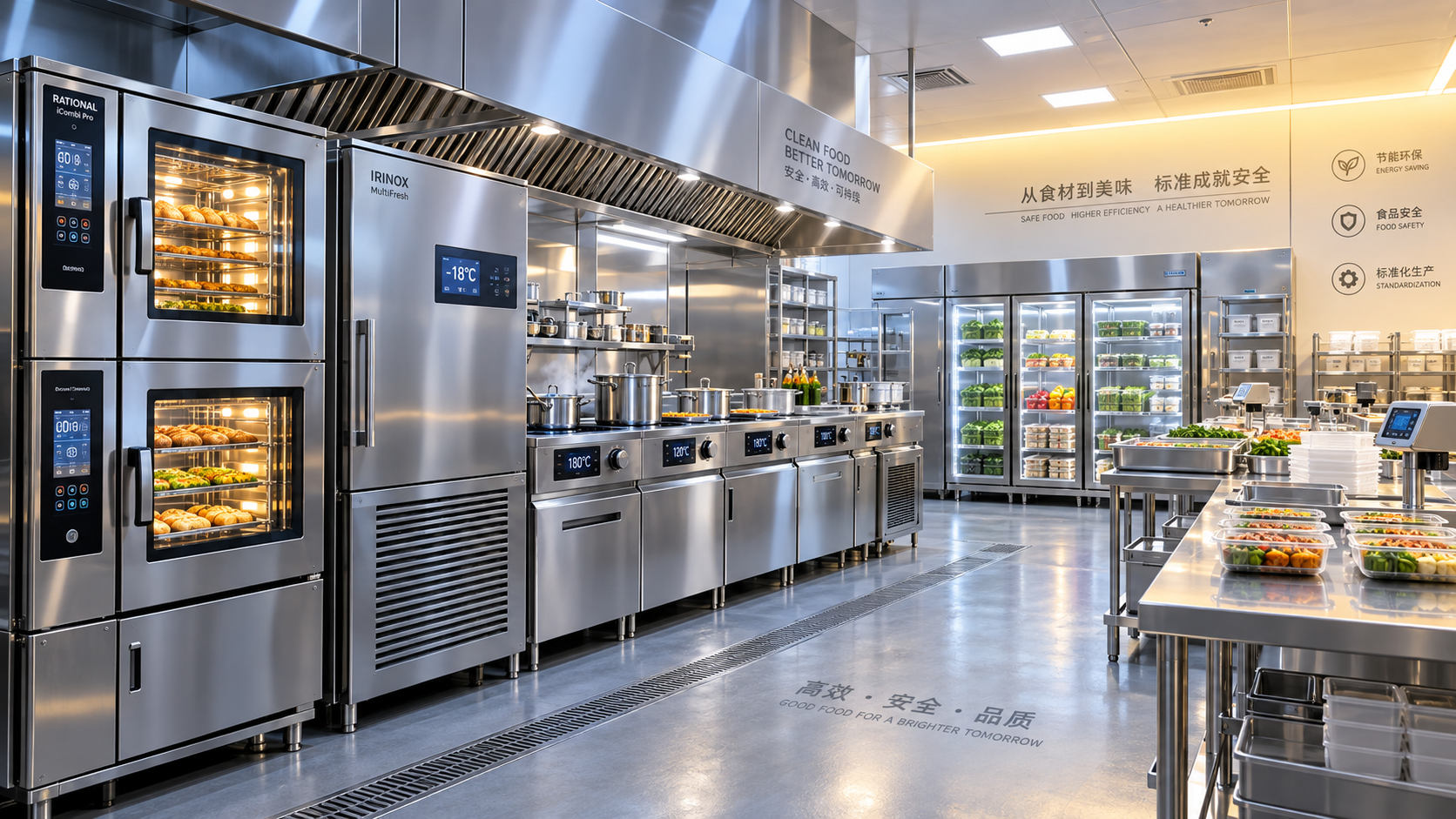
A strong hotel kitchen is not only a production space. It is a coordinated system linking commercial kitchen equipment, workflow planning, food safety controls, energy use, and service delivery. When kitchen design for hotels is planned well, guests notice the result on every plate.
Why a checklist approach improves kitchen design for hotels
Hotel kitchen projects often involve many moving parts. Menu complexity, room count, banquet demand, labor availability, and compliance requirements must fit one operating model. A checklist keeps decisions practical and measurable.
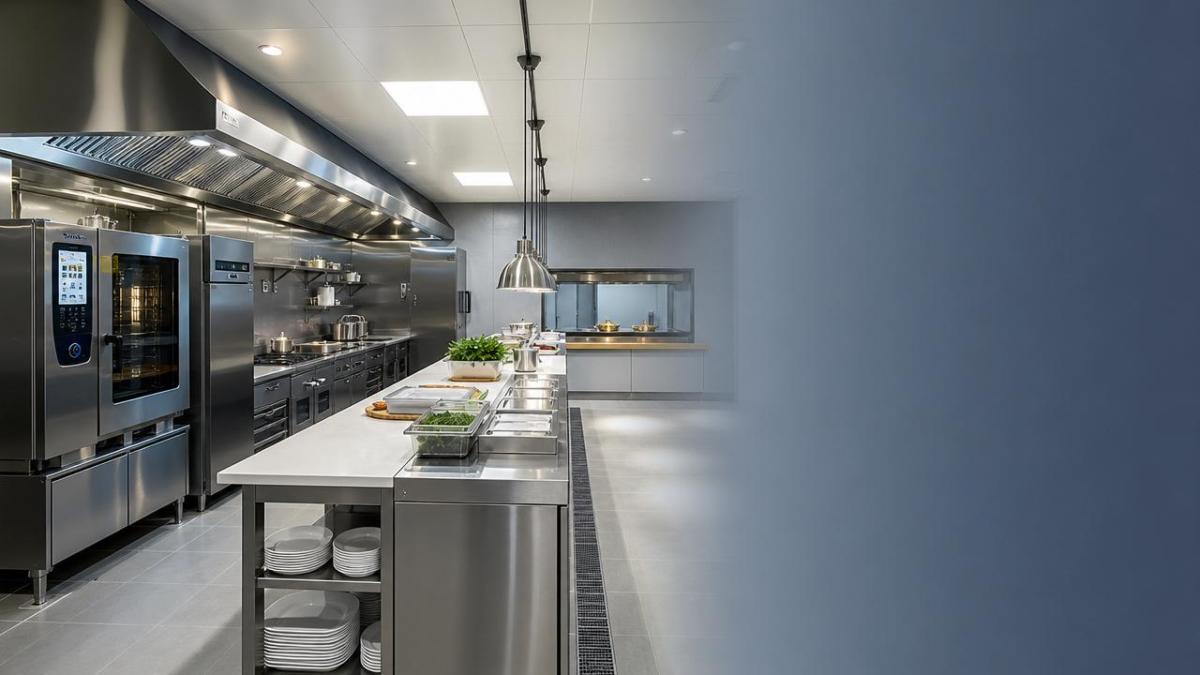
Using a checklist also reduces costly redesigns. It helps compare equipment options, identify bottlenecks, and connect back-of-house planning with front-of-house expectations. In short, kitchen design for hotels becomes easier to evaluate before construction or renovation begins.
Core checklist: what to review before approving a hotel kitchen layout
- Map guest demand by outlet, meal period, and occupancy level to size production zones correctly and avoid undercapacity during breakfast peaks, events, or high-season room service surges.
- Separate receiving, storage, prep, cooking, plating, and dishwashing flows to reduce cross-traffic, improve hygiene control, and support faster service with fewer operational interruptions.
- Match commercial kitchen equipment to actual menu output, not brochure specifications, so ovens, refrigeration, holding units, and prep systems perform reliably under hotel operating pressure.
- Plan ventilation and heat extraction early to protect food quality, maintain staff comfort, control odors, and prevent excess kitchen temperature from affecting adjacent guest areas.
- Build food safety into the layout with handwashing points, cold-chain storage, allergen separation, and easy-clean surfaces that support HACCP procedures and audit readiness.
- Design for speed between kitchen and service points by shortening routes to restaurants, banquet areas, and elevators used for room service delivery.
- Reserve flexible space for menu changes, seasonal demand, and smart kitchen technologies, including automated cooking equipment and digital monitoring systems.
- Reduce utility waste by selecting energy-efficient kitchen solutions, water-saving dishwashing systems, and insulated cold storage that lower long-term operating costs.
- Check maintenance access around every major unit so repairs, cleaning, and parts replacement do not disrupt daily operations or compromise safety.
- Coordinate acoustics, loading access, and waste handling to keep back-of-house noise, smells, and clutter from damaging the overall guest experience.
How kitchen design for hotels affects guest ratings in practice
Breakfast service and first impressions
Breakfast often creates the day’s first service impression. If the kitchen cannot replenish buffet items quickly, guests see empty trays, cold food, and long waiting times. Ratings usually reflect that frustration immediately.
Efficient kitchen design for hotels supports separate breakfast prep zones, hot holding, beverage stations, and smooth dish return. That organization improves freshness and keeps service steady during the busiest hour.
Banquets, events, and reputation risk
Banquet kitchens face intense time pressure. Hundreds of dishes may need to leave the pass within minutes. Without staging space, hot holding, and coordinated plating lines, consistency drops fast.
Event guests may not stay overnight, but their reviews still influence a hotel’s public image. Strong kitchen design for hotels protects timing, portion quality, and food temperature across large functions.
Room service and premium positioning
Room service is judged on speed, temperature, and presentation. A kitchen placed far from service elevators or lacking dedicated finishing space can turn a premium offering into a common complaint.
Hotels that plan direct routes, compact holding equipment, and organized tray assembly areas deliver more consistent in-room dining. Guests often connect that consistency with overall brand quality.
Open kitchens and visible trust
In properties with open or semi-open kitchens, design becomes part of the guest experience. Clean lines, low smoke, controlled noise, and professional movement reinforce confidence in hygiene and quality.
Here, kitchen design for hotels influences both operations and perception. Guests may never see storage rooms, but they immediately notice disorder at live cooking stations.
Commonly overlooked issues that hurt performance
Ignoring menu-engineering reality
Layouts often fail because they are built around generic assumptions. A hotel serving à la carte dining, banquet meals, bakery items, and room service needs different production relationships than a simple restaurant model.
Underestimating storage and receiving pressure
Insufficient cold rooms, dry storage, and receiving zones create clutter and spoilage risk. Deliveries then block production paths, slowing teams and increasing the chance of hygiene failures.
Treating dishwashing as a secondary zone
Dish return delays affect table turnover, banquet resets, and breakfast availability. Poorly placed warewashing zones also create steam, noise, and wet floors that disrupt adjacent workstations.
Choosing equipment without lifecycle thinking
Low-cost equipment may increase energy use, downtime, and maintenance frequency. In hotel operations, reliability matters as much as purchase price because service failures quickly become public reviews.
Overlooking digital integration
Modern kitchen equipment increasingly supports smart monitoring, temperature logging, and production coordination. Without planning power, network, and dashboard access, hotels miss efficiency and traceability benefits.
Practical execution steps for better results
- Audit current service complaints, review patterns in food-related ratings, and connect them to kitchen bottlenecks rather than treating them as isolated service issues.
- Measure peak meal volumes, room service demand, and event capacity before selecting any commercial kitchen equipment or approving a final layout.
- Test movement paths for staff, food, dishes, and waste to identify unnecessary crossing points that increase delay, contamination risk, and labor fatigue.
- Prioritize modular, energy-efficient kitchen solutions that can adapt to future menu changes, sustainability goals, and shifts in occupancy patterns.
- Review compliance, ventilation, drainage, and cleaning access together, because fixing these elements later is usually expensive and operationally disruptive.
Conclusion: better guest ratings start behind the kitchen door
Guest ratings are influenced by the full dining journey, from waiting time to food temperature and perceived cleanliness. Kitchen design for hotels shapes each of those touchpoints more than many properties realize.
A structured review of layout, workflow, commercial kitchen equipment, hygiene controls, and energy performance creates stronger service consistency. That consistency supports better reviews, stronger brand trust, and healthier long-term profitability.
The next step is simple: assess the kitchen against a practical checklist, identify the biggest rating risks, and prioritize upgrades that improve both guest experience and operational resilience.
Popular Tags
Kitchen Industry Research Team
Dedicated to analyzing emerging trends and technological shifts in the global hospitality and foodservice infrastructure sector.
Industry Insights
Join 15,000+ industry professionals. Get the latest market trends and tech news delivered weekly.
No spam. Unsubscribe anytime.
Hot Articles
 How to Size a Commercial Kitchen Hood for Cooking Equipment and Heat Loads
- How to Size a Planetary Mixer Machine for High-Viscosity Batch Production
- How to Choose Ceramic Rice Plates for Restaurants: Size, Glaze, and Chip Resistance
- Kitchen Innovation Trends in Emerging Markets: Where Growth Will Come From in 2026
Contact With us
Contact:
Anne Yin (Ceramics Dinnerware/Glassware)
Lucky Zhai(Flatware)