
Glass Latte Mug Trends Reshaping Cafe Supply
From boutique cafés to large foodservice chains, the rising appeal of the glass latte mug is reshaping beverage presentation, customer experience, and supply decisions. Alongside products like the glass cappuccino cup, stoneware soup bowl, and ceramic serving platter, today’s café supply trends reflect a broader shift toward stylish, durable, and efficient kitchen equipment solutions.
Why is the glass latte mug becoming a priority in modern café supply?
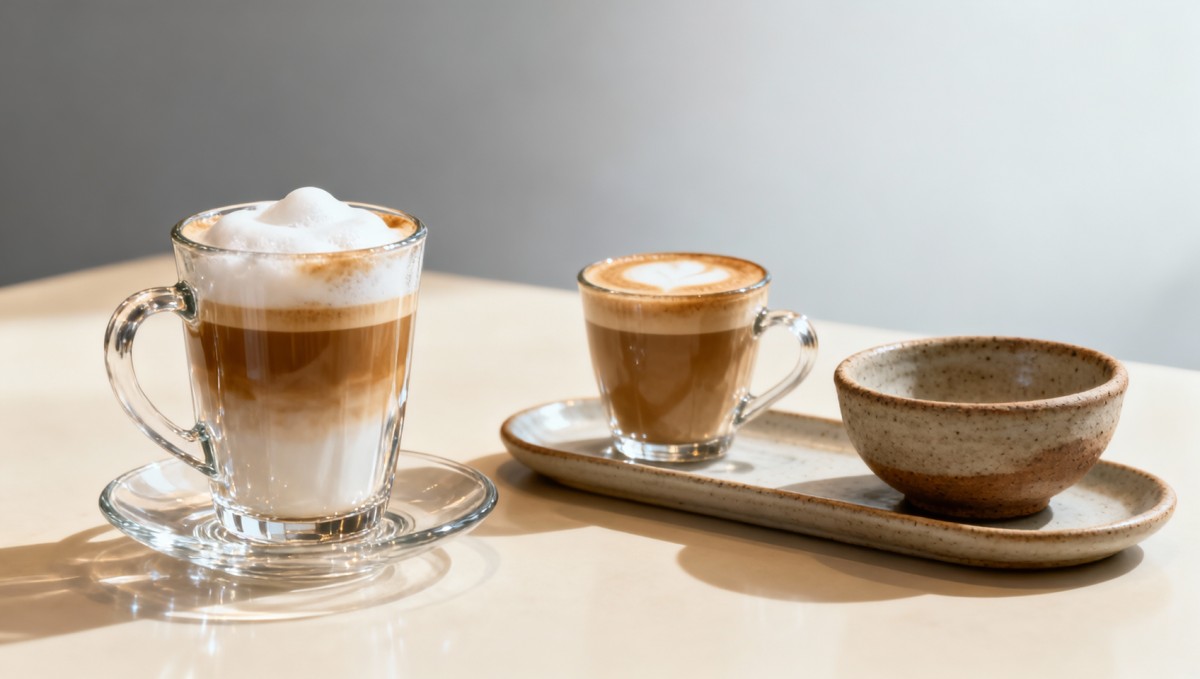
The glass latte mug has moved beyond a simple drinkware choice. In cafés, hotels, bakery chains, and specialty beverage counters, it now functions as part of menu presentation, brand positioning, and service efficiency. Buyers are no longer evaluating cups only by capacity. They are comparing thermal performance, handle comfort, stackability, breakage risk, and whether the mug supports a premium visual experience at the point of service.
This shift matters in the wider kitchen equipment industry, where purchasing decisions increasingly connect design with operational practicality. Commercial kitchens and beverage stations need tools that support fast turnover, easy cleaning, and predictable replacement cycles. A glass latte mug fits this requirement when selected correctly, especially in high-visibility service formats where layered beverages, latte art, and specialty coffee recipes drive customer perception within the first 3–5 seconds of table delivery.
For information researchers and procurement teams, the core question is not whether glass looks attractive. The real issue is whether it can perform reliably across daily service volumes, dishwashing routines, and different beverage temperatures. Typical operating conditions in cafés include repeated filling with drinks in the 60°C–85°C range, frequent transport between coffee bar and service area, and cleaning cycles repeated dozens or even hundreds of times each week.
What demand drivers are influencing purchasing behavior?
Several factors explain why café supply managers are revisiting their drinkware strategy. The first is customer expectation. Transparent drinkware highlights milk texture, layered color, syrups, and foam consistency. The second is menu diversification. Cafés now serve hot latte, iced latte, flavored coffee, tea-based beverages, and dessert drinks in overlapping formats. The third is supply rationalization, where operators want fewer SKUs that still cover multiple service scenarios.
- Boutique cafés often prioritize visual presentation and may accept higher unit cost if the glass latte mug improves social media appeal and premium menu pricing.
- Chain operators usually focus on replacement frequency, handling consistency, and compatibility with standardized beverage sizes such as 250 ml, 300 ml, and 350 ml.
- Hotels and mixed foodservice venues tend to look for coordinated tabletop solutions, so the mug must visually match stoneware soup bowl, ceramic serving platter, and other front-of-house items.
This broader demand pattern reflects a kitchen equipment market moving toward integrated purchasing. Buyers prefer coordinated supply systems rather than isolated product sourcing. In practice, that means the selection of a glass cappuccino cup or glass latte mug is increasingly tied to washing workflow, storage layout, menu engineering, and even sustainability targets related to reusability and product longevity.
Which café and foodservice scenarios benefit most from glass drinkware?
Not every beverage business needs the same type of glass latte mug. The right choice depends on service speed, menu complexity, customer positioning, and back-of-house capacity. For operators, matching drinkware to application scenario can reduce unnecessary replacement cost and avoid performance complaints. For decision-makers, this is also a way to align front-of-house appearance with practical kitchen equipment management.
In low-volume specialty cafés, glass mugs often support signature drinks and premium presentation. In mid-volume stores, they must balance aesthetics with ease of handling during peak periods of 1–3 hours. In larger chains or hotel breakfast service, drinkware usually needs stronger standardization so staff can refill, clear, wash, and restock with minimal confusion. The same mug that works well in a slow artisan café may create breakage and workflow issues in a high-traffic self-service environment.
The following comparison helps buyers understand where a glass latte mug performs best relative to service context and related tabletop products. It also shows why procurement should not treat drinkware as a purely decorative purchase.
The table shows that application fit matters as much as material preference. A glass latte mug can elevate service, but the gains depend on operational discipline. In many mixed-service venues, pairing glass drinkware with more robust items such as a stoneware soup bowl or ceramic serving platter creates a balanced tabletop system where visual appeal meets durability where it is most needed.
How do operators evaluate suitability by service pattern?
A practical method is to divide usage into three service patterns: low-frequency premium presentation, medium-frequency all-day café service, and high-frequency turnover environments. In the first category, aesthetics may outweigh replacement rate. In the second, the mug must survive daily dishwashing and continuous staff handling. In the third, buyers often limit glass use to selected dine-in menus while shifting some beverages to alternative formats better suited to speed and durability.
Key scenario checks before approval
- Estimate average daily usage per outlet and compare it with expected replacement planning over 3–6 months.
- Confirm whether the mug is intended for hot beverages only or both hot and cold service.
- Check whether existing dishwashing racks, shelving, and tray layouts can support the selected shape and height.
These checks are simple, but they prevent common mismatches between product appearance and actual kitchen workflow. That is especially important when café supply decisions are made across multiple outlets, regions, or service formats.
How should buyers compare a glass latte mug with other beverage and tabletop options?
Comparison is essential because drinkware decisions affect more than one beverage category. Procurement teams often compare a glass latte mug with a glass cappuccino cup, ceramic mug, or other coordinated serving items. The objective is not to choose one material for everything. Instead, the goal is to decide which format is best for each menu tier, operating condition, and customer touchpoint.
Glass has clear strengths in presentation and perceived sophistication. Ceramic usually performs better in heat retention and concealment of minor scratches. A glass cappuccino cup may suit smaller specialty drinks, while a glass latte mug is more appropriate when larger volume and layered beverage visibility matter. Supporting items such as a ceramic serving platter and stoneware soup bowl influence the final tabletop impression, which matters in upscale café-brunch or hotel lounge environments.
For a balanced sourcing plan, buyers should compare products against four dimensions: appearance, durability, operational compatibility, and total replacement implications over a typical 6–12 month purchase cycle. The table below supports that evaluation.
The comparison makes one point clear: the glass latte mug performs best when beverage presentation contributes directly to perceived value. If the service model is highly transactional and speed-driven, a hybrid assortment may be more effective than replacing all drinkware with glass. That approach protects both brand image and operational efficiency.
What should decision-makers avoid during comparison?
A common error is comparing only unit price. A lower-cost mug may create more losses if handles are weak, wall thickness is inconsistent, or dimensions fail to fit racks and saucers. Another mistake is assuming all transparent drinkware performs the same way. Small design differences can influence grip safety, pouring stability, and washing survivability over repeated cycles.
Operators should also avoid over-standardizing without testing. A 2–4 week sampling and trial stage is often more valuable than rushing into a large-volume order that later creates breakage, poor storage fit, or inconsistent service presentation across outlets.
What technical and procurement factors matter most before ordering?
When purchasing a glass latte mug for commercial use, technical review should be practical rather than overly theoretical. Buyers need to check dimensions, capacity consistency, base stability, rim comfort, handle size, and suitability for repeated washing. In many foodservice operations, procurement teams build approval criteria around 5 key checks: beverage fit, handling safety, cleaning compatibility, replacement planning, and supply continuity.
Capacity range is one of the first decisions. A common commercial assortment may include sizes around 250 ml, 300 ml, and 350 ml, depending on menu strategy. If one size is expected to cover too many recipes, portion control can become inconsistent. On the other hand, too many sizes increase SKU complexity and storage burden. The best approach is usually to match 2–3 core drink sizes to actual menu engineering rather than aspirational menu design.
Lead time and replenishment planning are equally important. For standard supply programs, common lead times may fall within 2–6 weeks depending on order volume, packaging requirements, and logistics route. Buyers serving multiple regions should also ask whether replacement orders can maintain the same dimensions and appearance across batches. Consistency matters when the mug is part of a branded café experience.
Practical selection checklist for procurement teams
- Confirm usable fill volume, not only nominal capacity, so foam, ice, or toppings do not create overflow during service.
- Check whether the mug can move safely through dishwashing and drying workflows repeated daily or weekly.
- Review carton packing quantity and inner protection, especially if the supply chain includes cross-border shipping or multi-warehouse distribution.
- Ask for sample support before committing to larger procurement, especially if the product must match existing glass cappuccino cup or ceramic tabletop items.
Evaluation table for purchase approval
Before finalizing an order, many B2B buyers use a scoring method to reduce subjective judgment. The matrix below is a practical way to assess a glass latte mug in a structured purchasing workflow.
Using a matrix like this helps procurement managers communicate with operations teams and business decision-makers in the same language. It converts a visual product choice into measurable buying criteria, which is especially useful when multiple stakeholders need to sign off on one café supply program.
What about compliance and broader kitchen equipment expectations?
While specific certification needs vary by market, buyers commonly ask suppliers about food-contact suitability, packaging integrity, and consistency in manufacturing quality. In cross-border kitchen equipment procurement, it is also wise to clarify labeling, packing documentation, and any region-specific import requirements early in the process. That reduces delay risk during the 1–2 week documentation and shipping preparation stage.
Common mistakes, cost concerns, and future supply trends
The most expensive mistake in sourcing a glass latte mug is not the initial purchase price. It is buying a product that fails under actual service conditions. Breakage, inconsistent dimensions, poor carton protection, and mismatch with dishwashing systems can raise total cost quickly. That is why smart buyers examine cost in three layers: unit price, handling loss, and replacement management over time.
Another frequent misunderstanding is that premium appearance automatically means premium suitability. In reality, a visually striking mug may still be unsuitable for a busy café if it is hard to grip, difficult to stack safely in service areas, or too fragile for repetitive use. This is where experienced kitchen equipment sourcing adds value: it connects tabletop aesthetics with real-world operational demands instead of evaluating style in isolation.
Looking ahead, café supply trends are moving toward coordinated product ecosystems rather than standalone items. Buyers increasingly request assortments that combine beverage service, food presentation, and kitchen efficiency in one sourcing plan. That means the glass latte mug is often considered together with a glass cappuccino cup, ceramic serving platter, and stoneware soup bowl as part of a complete dine-in concept or hospitality tabletop package.
FAQ: what do buyers and operators ask most often?
How do I know if a glass latte mug is right for my café?
Start with menu and workflow. If presentation influences purchase decisions and dine-in service is important, glass often adds value. If your operation is heavily focused on speed and minimal handling risk, use glass selectively for premium items. Testing samples for 7–14 days during real service can reveal more than a catalog review.
What should I prioritize: aesthetics or durability?
Both matter, but the balance depends on outlet type. Premium cafés may accept a narrower durability margin for stronger visual impact. Chain stores usually need a better balance, especially where daily volume is high. A structured scoring approach with 4–5 weighted criteria helps prevent emotional buying decisions.
Is it better to standardize one cup for all drinks?
Usually not. Over-standardization often harms recipe fit and customer perception. A better plan is to define 2–3 core sizes that match real sales mix. That keeps inventory manageable while protecting beverage quality and presentation.
What delivery questions should procurement ask early?
Ask about sample lead time, bulk production cycle, packing details, reorder consistency, and documentation support. For many international orders, the difference between a smooth project and a delayed one is early alignment on packaging, batch continuity, and shipping schedule rather than the product itself.
Why work with a supplier that understands both café presentation and kitchen equipment planning?
A successful glass latte mug program is not just about sourcing a nice-looking item. It requires alignment between beverage concept, handling conditions, procurement timing, and long-term replacement logic. Suppliers with broader kitchen equipment experience can help buyers evaluate how drinkware interacts with washing routines, storage systems, menu design, and other tabletop products used across cafés, hotels, and foodservice environments.
This is especially valuable for businesses managing multiple product categories at once. If you are also planning related items such as a glass cappuccino cup, stoneware soup bowl, or ceramic serving platter, a coordinated sourcing approach can reduce communication gaps, simplify sampling, and improve consistency across front-of-house presentation. It can also support smarter purchasing when budget, timing, and product compatibility need to be balanced within one project.
If you are comparing options now, you can discuss practical topics such as capacity confirmation, sample arrangements, order quantities, packaging method, typical lead time, coordinated tabletop selection, and market-specific documentation needs. These details are often the difference between a smooth rollout and a costly revision after launch.
Contact us to review your glass latte mug requirements, compare suitable product combinations, confirm delivery timelines, and explore customized café supply solutions that match your menu, service model, and purchasing targets.
Popular Tags
Kitchen Industry Research Team
Dedicated to analyzing emerging trends and technological shifts in the global hospitality and foodservice infrastructure sector.
Industry Insights
Join 15,000+ industry professionals. Get the latest market trends and tech news delivered weekly.
No spam. Unsubscribe anytime.

Contact With us
Contact:
Anne Yin (Ceramics Dinnerware/Glassware)
Lucky Zhai(Flatware)