
Ceramic Pasta Plate Supply Risks You Should Know
From raw material shortages to shipping delays and quality inconsistency, ceramic pasta plate supply risks can directly affect kitchens, distributors, and buyers. Whether you also source a stoneware soup bowl, ceramic rice plate, or porcelain baking dish, understanding these risks helps you protect product availability, control costs, and make smarter purchasing decisions in a competitive global kitchenware market.
Why ceramic pasta plate supply risks matter more than many buyers expect
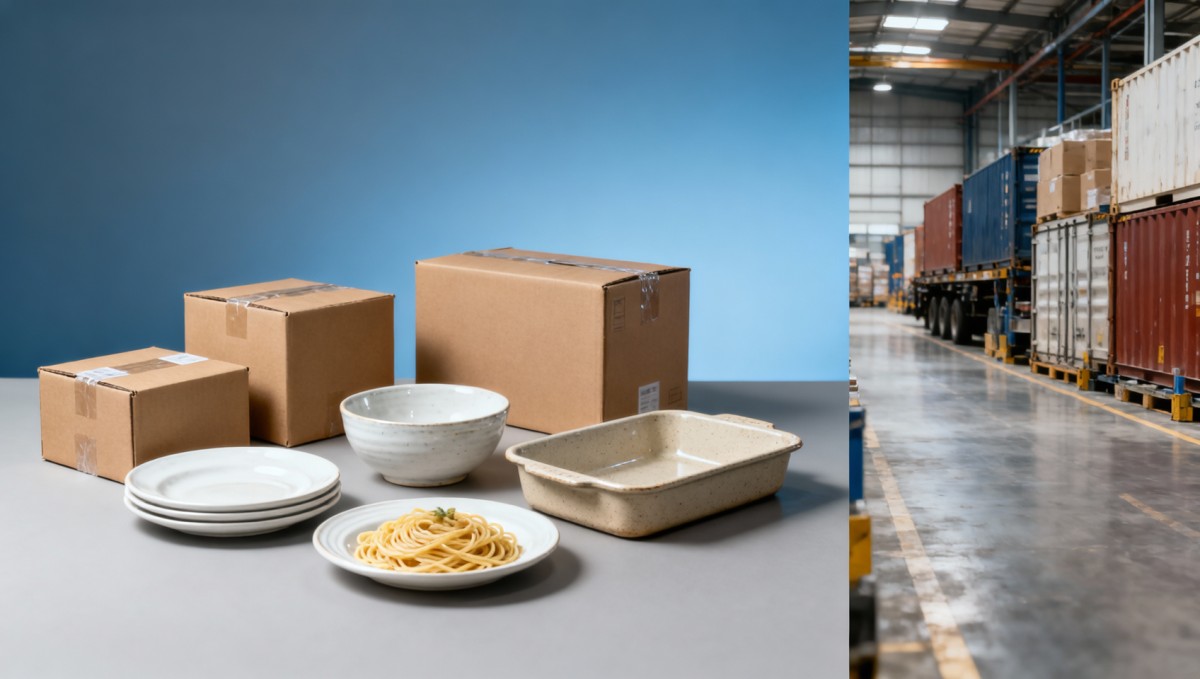
Ceramic pasta plates look simple, but their supply chain is not. A single order depends on clay and glaze availability, kiln capacity, mold consistency, packaging supply, export scheduling, and port operations. In foodservice and kitchen equipment purchasing, even a delay of 2–4 weeks can interrupt restaurant openings, distributor replenishment, or promotional launches.
For operators, the risk is practical: missing stock means broken tableware sets, inconsistent presentation, and higher replacement cost. For procurement teams, the issue is broader. Ceramic pasta plate supply risks can affect landed cost, quality acceptance rates, inventory turnover, and supplier reliability across several SKUs, especially when the same vendor also provides bowls, plates, and bakeware.
In the kitchen equipment industry, buyers increasingly expect stable delivery, food-contact safety, and compatibility with commercial use. Restaurants, hotels, and central kitchens often buy in medium or large batches, not in isolated units. That means one unstable ceramic category can disrupt a larger tabletop or kitchenware procurement plan covering 3–5 related product lines.
Global sourcing adds another layer. Manufacturing hubs such as China, Italy, Germany, and Japan support broad kitchenware supply, but each region has different strengths in cost, finish, lead time, and production flexibility. Buyers who understand the structure of supply risk can make better choices before placing trial orders, annual contracts, or urgent replenishment requests.
The main risk categories to monitor
- Raw material fluctuation, especially clay, feldspar, glaze chemicals, pigments, and carton supply, which can shift both color consistency and production timing within 7–15 days.
- Manufacturing instability, including warping, pinholes, glazing defects, firing cracks, and inconsistent dimensions that may affect stackability and daily service use.
- Logistics disruption, such as container shortages, port congestion, customs delay, and damaged packaging during ocean transit of 3–8 weeks depending on destination.
- Commercial communication gaps, where approved samples differ from mass production, or replenishment orders use slightly different molds, glaze lots, or packaging specifications.
Where do ceramic pasta plate supply risks usually start?
Most supply problems start long before shipment. Ceramic pasta plates require controlled raw material blending, stable shaping, proper drying, and firing at suitable temperature ranges. If any stage changes, the final product may vary in diameter, depth, color tone, edge smoothness, or resistance to thermal and mechanical stress. That matters for both casual dining and high-volume commercial kitchen operations.
Raw material risk is often underestimated. Natural clay and mineral inputs are not perfectly uniform, and glaze ingredients may change by lot. Even when the specification looks the same on paper, visual appearance can shift from one batch to the next. For hospitality buyers trying to maintain a consistent tabletop image across 6 months or 12 months, this becomes a real commercial issue.
Energy and kiln scheduling also shape supply stability. Ceramic manufacturing is energy intensive, and production planning typically groups similar items together. If a supplier is handling mixed orders across dinner plates, pasta bowls, and serving dishes, your ceramic pasta plate order may be delayed until a full kiln cycle is available. In busy periods, that can add 1–3 weeks beyond the nominal lead time.
Packaging is another weak point. A well-made plate can still arrive damaged if dividers, inner boxes, or export cartons are downgraded. In long-distance shipping, breakage risk increases when packaging design does not match plate diameter, rim profile, and carton stacking pressure. This is especially important for importers supplying e-commerce, retail chains, or regional warehouse networks.
Typical upstream and downstream triggers
The table below shows where ceramic pasta plate supply risks typically emerge and what buyers should check before confirming production. It is useful for information researchers, users, procurement staff, and business decision makers who need a fast but practical evaluation model.
The key lesson is simple: ceramic pasta plate supply risks are rarely caused by only one event. Problems often cascade across 3 linked stages, such as delayed glaze input, compressed firing time, and rushed packaging. Buyers who audit the chain early can reduce emergency freight, replacement loss, and acceptance disputes.
What operational teams should verify
- Whether the plate remains stable in repeated dishwashing cycles and daily handling in restaurants, hotels, or institutional catering environments.
- Whether the rim, well depth, and foot design suit the intended use, such as pasta presentation, plated entrees, or soup-pasta crossover service.
- Whether replacement orders can match earlier deliveries within a practical reorder cycle of 30–90 days.
How to evaluate suppliers before ceramic pasta plate risks become expensive
A low unit price does not mean a low procurement cost. In ceramic pasta plate sourcing, the more useful question is whether the supplier can deliver stable quality, realistic lead times, and acceptable replenishment performance. Buyers should compare at least 5 dimensions: production capability, sample-to-bulk consistency, packaging protection, communication speed, and flexibility for repeat orders.
For commercial kitchen and tabletop projects, sample approval should not stop at appearance. Ask for dimensional confirmation, weight range, stacking behavior, and use-case fit. A difference of a few millimeters can matter when plates are paired with existing racks, dishwashers, or storage shelves. Consistency is especially important when you source coordinated items such as stoneware soup bowls and ceramic rice plates from the same program.
Procurement teams should also verify lead time by phase rather than accepting one total number. A typical order may include 3 stages: sample confirmation, mass production, and export dispatch. If the supplier says 35 days, ask how many days belong to each stage and what could add another 7–10 days. This helps planners avoid unrealistic launch schedules.
For decision makers, supplier evaluation must connect to business continuity. If one vendor cannot support urgent replenishment, can they offer compatible alternatives, partial shipments, or substitute finishes? In an expanding global foodservice market, supplier resilience is as important as initial price, especially when tableware supports customer experience and brand presentation.
A practical supplier assessment table
Use this evaluation table when comparing ceramic pasta plate suppliers for restaurants, distributors, hospitality groups, or kitchenware import programs. It combines selection, risk control, and service expectations in one framework.
This type of matrix prevents a common mistake: choosing a supplier only because the sample looks good. In the kitchen equipment and tableware sector, stable process control often matters more than showroom appearance. A supplier that answers these questions clearly usually causes fewer surprises during scaling, replenishment, and multi-SKU coordination.
A 4-step pre-order checklist
- Confirm the final use case: restaurant dine-in, hotel buffet, central kitchen plating, retail resale, or project supply.
- Approve a sample against real criteria: dimensions, weight, stacking, glaze uniformity, and packaging method.
- Lock the commercial terms: MOQ, replenishment window, breakage handling, and estimated shipment timing.
- Create a reorder reference file with photos, measurements, carton details, and purchase notes for the next 6–12 months.
What cost pressures and substitute options should buyers compare?
When ceramic pasta plate supply risks increase, many buyers focus only on the quoted price. That is too narrow. The real cost includes sample cycles, defect replacement, emergency sourcing, storage imbalance, and possible brand inconsistency. In B2B kitchenware procurement, a cheaper plate can become more expensive if it causes 2 replacement orders, extra inspection time, or fragmented tabletop presentation.
Material alternatives can reduce risk in some scenarios, but they also change the dining experience. Stoneware may offer a handcrafted look and strong menu presentation, while porcelain may provide a refined finish and broader compatibility for upscale environments. However, each material has its own supply behavior, production lead time, and risk profile. Buyers should match the product to the service model rather than assume one option is always better.
If your business handles frequent launches or seasonal menus, flexible replenishment may be more valuable than chasing the lowest piece cost. A supplier with stable molds, documented glaze references, and coordinated production for pasta plates, rice plates, and soup bowls can reduce total purchasing friction. That matters for restaurants, hotel groups, and distributors managing multiple warehouse nodes.
It is also wise to review packaging cost against damage risk. Saving a small amount per carton may lead to higher breakage after 20–35 days of shipping and local delivery. For importers and project buyers, landed cost should always be assessed together with durability, order frequency, and the practicality of future matching stock.
Comparing ceramic pasta plate options by procurement priority
The table below helps buyers compare common tableware options when ceramic pasta plate supply risks create pressure on cost, lead time, or continuity. It is not a universal ranking, but a decision aid for specific sourcing goals.
The right choice depends on your reorder risk, presentation standard, and budget structure. If continuity matters most, prioritize batch control and replenishment capability. If menu appearance drives value, evaluate the trade-off between visual finish and operational stability. That is how buyers turn ceramic pasta plate sourcing into a strategic decision instead of a reactive purchase.
FAQ: practical questions buyers ask about ceramic pasta plate supply risks
How long is a normal ceramic pasta plate lead time?
A common range is 2–6 weeks for production after final sample approval, but actual timing depends on mold readiness, order volume, glaze complexity, packaging requirements, and shipping route. If the order includes customization or mixed items such as bowls and baking dishes, planning can extend further. Always ask for a stage-by-stage schedule instead of one total estimate.
What should procurement teams inspect first?
Start with 5 key checks: dimensions, glaze consistency, rim finish, stacking behavior, and packaging integrity. These items influence both kitchen operation and resale quality. If the plates are for commercial use, include dishwashing suitability and reorder matching expectations in the approval notes. Clear records reduce disputes when the second or third shipment arrives.
Are ceramic pasta plates risky for high-volume restaurants?
They can work well in high-volume restaurants if the design is chosen for operational use, not only for appearance. Buyers should confirm practical factors such as stack height, handling comfort, resistance to daily washing cycles, and replacement availability within 30–90 days. A visually attractive plate that is hard to store or frequently chips creates hidden labor and replacement cost.
How can importers reduce breakage during shipping?
Review export packaging in detail. Ask how many pieces go into each inner pack, whether dividers are used, how corner protection is handled, and how cartons are stacked. For longer routes of 3–8 weeks, packaging strength becomes a major factor in landed quality. It is often worth paying more for stronger packing if the shipment includes fragile assortments.
What is the biggest mistake when sourcing ceramic pasta plates?
The biggest mistake is treating the item as a simple commodity. Ceramic pasta plate supply risks involve production control, logistics, inventory planning, and future matching. Buyers who approve only by unit price or photo sample often face problems later. A better method is to assess the full chain: specification, sample, production process, packaging, shipment, and reorder capability.
Why choose us for ceramic pasta plate sourcing and supply planning
In the modern kitchen equipment industry, buyers need more than a catalog. They need support that connects product choice with kitchen use, foodservice timing, and commercial continuity. We help customers review ceramic pasta plate requirements from the perspective of application, procurement, logistics, and coordinated tabletop supply, especially when projects include related items such as soup bowls, rice plates, and baking dishes.
Our support focus is practical. You can consult with us on parameter confirmation, size selection, glaze and finish direction, packaging logic, estimated lead time, and whether a standard ceramic solution or an alternative material is more suitable for your operating scenario. For project buyers and distributors, we can also discuss replenishment planning and mixed-SKU coordination.
If you are comparing suppliers, preparing a hotel or restaurant opening, or trying to reduce ceramic pasta plate supply risks in future orders, send your target size, expected quantity, destination market, and preferred delivery window. We can help you clarify product selection, sampling steps, customization scope, certification-related questions for food-contact use, and quotation planning based on real purchasing priorities.
Contact us to discuss samples, order timelines, packaging details, replacement strategy, and cost comparison across ceramic, stoneware, or porcelain options. That conversation can save weeks of delay, reduce mismatch risk, and make your kitchenware sourcing more stable from first order to repeat supply.
Popular Tags
Kitchen Industry Research Team
Dedicated to analyzing emerging trends and technological shifts in the global hospitality and foodservice infrastructure sector.
Industry Insights
Join 15,000+ industry professionals. Get the latest market trends and tech news delivered weekly.
No spam. Unsubscribe anytime.

Contact With us
Contact:
Anne Yin (Ceramics Dinnerware/Glassware)
Lucky Zhai(Flatware)