Glass Cocktail Cup Trends Changing Bar Presentation in 2026
In 2026, the glass cocktail cup is becoming more than just drinkware—it is a statement piece shaping how bars attract and impress guests. From elegant silhouettes to durable, sustainable materials, new design trends are redefining presentation, customer experience, and visual appeal. For consumers who value style and function, understanding these changes reveals why the right cocktail glass can transform every sip into a premium experience.
Why a checklist matters before following glass cocktail cup trends
Trend articles often focus on what looks beautiful on social media, but end consumers benefit more from a practical guide. A stylish glass cocktail cup may photograph well and still feel awkward in the hand, chip too easily, or fail to keep a drink at the ideal temperature. In 2026, bar presentation is influenced by design, sustainability, comfort, durability, and the overall dining experience. That is why a checklist approach works better than simply chasing the latest shape.
For anyone buying drinkware for home entertaining, gifting, or building a premium kitchen and bar setup, the key question is not just “What is trending?” but “What should I check before I choose?” The answer involves matching the glass cocktail cup to drink style, cleaning habits, storage space, table setting, and long-term value. This practical method also reflects broader changes in the kitchen equipment industry, where performance, efficiency, and smarter material choices increasingly matter as much as appearance.
The 2026 glass cocktail cup trend checklist: what to check first
If you want a glass cocktail cup that feels current and useful, start with these priority checks. They help separate lasting design value from short-lived novelty.
- Shape and silhouette: In 2026, consumers are seeing more sculptural lines, thinner profiles, curved bowls, and reworked classic forms. Check whether the shape enhances aroma, supports garnish placement, and feels balanced when lifted.
- Glass clarity: A premium glass cocktail cup should present layered colors, bubbles, herbs, citrus, and ice with high visual clarity. Cloudy or overly tinted glass can reduce the presentation effect.
- Weight and grip: Trendy design should never compromise comfort. A cup that is too heavy, too slippery, or too delicate may look refined but perform poorly in real use.
- Rim quality: A smoother, finer rim improves drinking comfort and gives the glass cocktail cup a more luxurious feel, especially for martinis, spritzes, and spirit-forward drinks.
- Durability: Modern buyers increasingly want break-resistant or strengthened glass, especially for frequent entertaining. Durability is now part of premium presentation, not separate from it.
- Sustainability signals: Recyclable materials, responsible production, and long product life are major buying drivers. Eco-conscious consumers increasingly view sustainable drinkware as a mark of quality.
- Cleaning compatibility: A glass cocktail cup with deep textures, extreme angles, or narrow openings may become inconvenient. Check whether it is dishwasher safe and easy to dry without water spots.
- Versatility: The best trend-led designs work across more than one serve. A cup that handles cocktails, mocktails, sparkling drinks, and dessert presentation offers better everyday value.
Which visual trends are changing bar presentation most in 2026
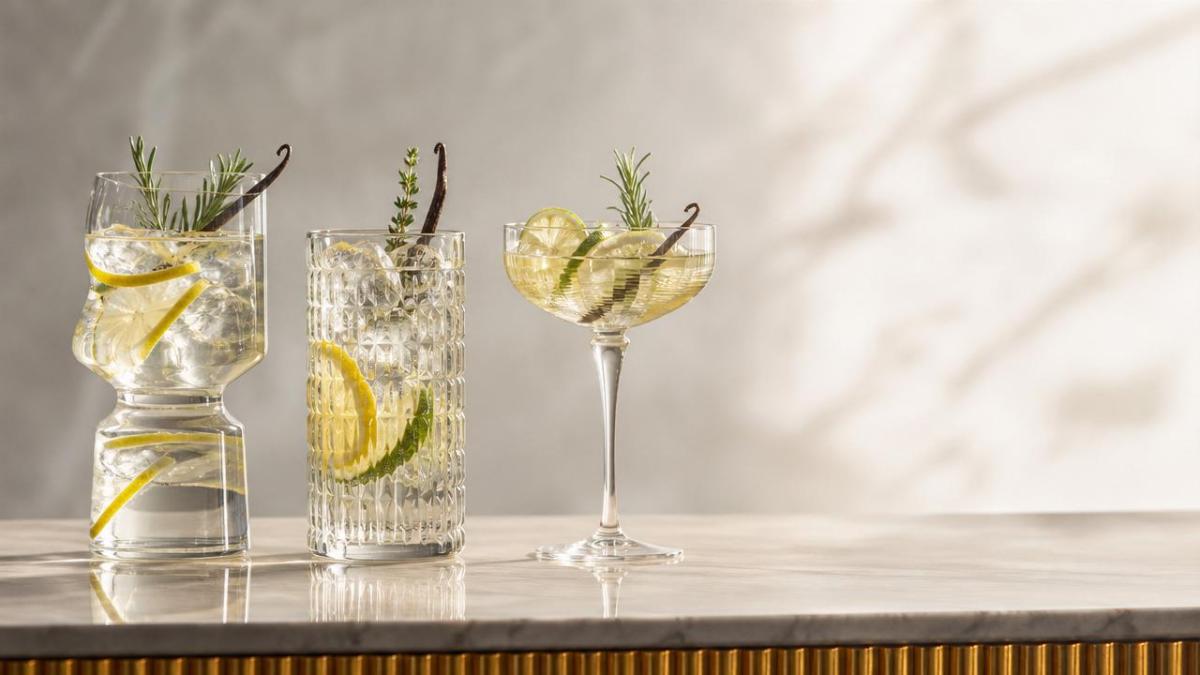
Several design directions are shaping the modern glass cocktail cup market. These trends matter because presentation now influences consumer expectations before the first sip. Bars, restaurants, and home hosts are using drinkware to create a stronger identity, and buyers are bringing those same expectations into personal purchases.
1. Sculptural minimalism
Clean lines with unexpected curves are replacing overly decorative styles. This makes each glass cocktail cup feel artistic without becoming difficult to pair with different table settings. The appeal lies in subtle sophistication rather than visual clutter.
2. Textured surfaces for light play
Ribbing, hammered finishes, vertical fluting, and geometric embossing are increasingly popular. These details make a glass cocktail cup stand out under bar lighting, while also improving grip. Buyers should still check whether texture interferes with cleaning or visual clarity.
3. Vintage-inspired silhouettes with modern durability
Coupe glasses, Nick and Nora shapes, and art deco influences continue to trend, but with stronger materials and better balance. This fusion gives consumers the charm of classic cocktail culture with fewer usability compromises.
4. Transparent luxury over heavy decoration
In 2026, many premium buyers prefer crystal-clear drinkware that lets ingredients become the design. A well-made glass cocktail cup does not need excessive color or print if the drink itself delivers visual drama through ice, fruit, smoke, foam, or layered tones.
5. Sustainable premium design
Consumers increasingly want products that feel refined without appearing wasteful. This is where the kitchen equipment sector’s move toward sustainability becomes visible in drinkware as well. Durable glass, efficient production, and long-life design are now part of the aesthetic story.
How to judge the right glass cocktail cup by drink and occasion
Not every trend fits every drink. Choosing well means matching presentation goals with actual serving use. The table below offers a practical guide for consumers.
Key buying differences for home users, design lovers, and practical shoppers
The best glass cocktail cup depends on what kind of consumer you are. A trend-led purchase makes sense only when it supports your real habits.
For frequent home entertainers
Prioritize stackability, durability, and versatility. You may love dramatic presentation, but repeated use demands glasses that survive washing cycles, casual handling, and varied drink menus. A textured or sculptural glass cocktail cup can work well if it still stores easily and feels stable on crowded tables.
For style-focused buyers
Focus on silhouette, transparency, and how the glass pairs with your interior style. If you host visually driven dinners or enjoy social sharing, choose a glass cocktail cup that creates a signature look without becoming so unusual that it limits use.
For practical value shoppers
Look for a middle ground between premium feel and everyday resilience. Many 2026 designs offer modern form with stronger glass composition, making it easier to invest in quality without treating every use like a special event.
Commonly overlooked issues that can ruin the experience
Even an attractive glass cocktail cup can disappoint if buyers miss a few practical points. These are the most common mistakes to avoid.
- Choosing style over ergonomics: An extreme shape may be hard to hold, especially with condensation.
- Ignoring capacity: Many drinks now use larger ice, layered garnish, or foam. If the cup is too small, presentation suffers.
- Forgetting storage: Tall stems or wide bowls can become inconvenient in compact kitchens.
- Overlooking maintenance: Some highly decorative surfaces show fingerprints, smudges, and water marks more easily.
- Buying trend-only sets: A dramatic glass cocktail cup may feel exciting at first but may not suit daily use or a range of drinks.
- Missing product origin and quality cues: Buyers increasingly care about reliable manufacturing, food-safe standards, and consistent finishing, especially as global kitchen equipment sourcing expands.
Practical selection advice before you buy
To choose a glass cocktail cup confidently in 2026, use a simple decision sequence. First, decide whether your main goal is visual impact, everyday functionality, or a balance of both. Second, list the drinks you serve most often. Third, check how the glass feels in hand and whether it suits your cleaning routine. Fourth, compare the finish, transparency, and rim quality in natural light if possible. Finally, consider whether the design will still look current a year from now.
This approach is especially useful because modern consumers increasingly think like informed product evaluators. Just as buyers of kitchen appliances now compare energy efficiency, smart functions, and long-term performance, drinkware shoppers are learning to assess material integrity, sustainability, and use-case fit before purchasing.
FAQ: quick answers about glass cocktail cup trends
Are stemless styles replacing classic cocktail glasses?
Not completely. Stemless options are growing because they feel casual and durable, but classic stemmed forms still dominate premium presentation for many cocktails. The choice depends on whether you value elegance, temperature control, or relaxed usability.
Is textured glass still practical?
Yes, if the texture improves grip without trapping residue or making the drink hard to see. A well-designed textured glass cocktail cup can be both beautiful and functional.
What makes a glass look premium?
Clarity, refined edges, balanced weight, consistent finishing, and a shape that elevates the drink. Premium does not always mean fragile or ornate; in 2026, many buyers prefer understated luxury.
Should I buy a set or mix styles?
If you host often, a coordinated set is practical. If presentation variety matters more, mixing one signature glass cocktail cup style with one versatile everyday style can work very well.
What to prepare before comparing brands or collections
Before making a final choice, prepare a short list of your priorities: preferred drink types, storage limits, cleaning preferences, desired look, expected frequency of use, and budget range. These factors help you compare products more accurately than trend images alone. If you are choosing for a home bar upgrade, wedding gift, or special entertaining setup, also think about whether you want matching accessories such as shakers, ice tools, or serving trays that suit the same design language.
Final takeaway and next step
The biggest change in bar presentation for 2026 is that the glass cocktail cup is no longer a background item. It is part of the experience, part of the visual identity, and part of how consumers judge quality. The smartest way to follow the trend is not to buy the most dramatic design, but to use a checklist: confirm shape, comfort, clarity, durability, sustainability, and fit for your real drinking occasions.
If you want to take the next step, start by comparing capacity, material quality, dishwasher compatibility, set options, packaging, and price level. If you are buying from a supplier or retailer, ask about glass type, care requirements, break resistance, manufacturing consistency, and whether the design is best suited for cocktails, mocktails, or multipurpose use. That kind of preparation helps you choose a glass cocktail cup that looks current in 2026 and still feels right long after the trend cycle moves on.
Popular Tags
Kitchen Industry Research Team
Dedicated to analyzing emerging trends and technological shifts in the global hospitality and foodservice infrastructure sector.
Industry Insights
Join 15,000+ industry professionals. Get the latest market trends and tech news delivered weekly.
No spam. Unsubscribe anytime.
Contact With us
Contact:
Anne Yin (Ceramics Dinnerware/Glassware)
Lucky Zhai(Flatware)