
Commercial restaurant supplies with the highest hidden upkeep
From commercial restaurant supplies to stainless steel restaurant supplies, the equipment that looks most durable often carries the highest hidden upkeep. For buyers comparing restaurant supplies wholesale, restaurant supplies bulk order options, or choosing a restaurant supplies manufacturer, understanding maintenance costs is essential. This guide helps hotels, schools, cafes, and foodservice operators make smarter purchasing and kitchen design decisions.
In foodservice operations, purchase price is only the visible part of the equation. The real cost of ownership is shaped by cleaning time, spare part replacement cycles, technician availability, energy draw, water quality sensitivity, and downtime risk during peak service. A fryer that seems affordable may require oil filtration service every 1 to 2 weeks, while an ice machine may lose output by 15% to 30% if scale control is ignored.
For procurement teams, operators, and decision-makers, hidden upkeep matters because it affects labor planning, menu consistency, food safety, and return on investment. In many commercial kitchens, maintenance-related costs over 3 to 5 years can exceed 25% of the original equipment purchase value, especially in high-volume environments with 10 to 16 operating hours per day.
The kitchen equipment industry is also changing quickly. Smart controls, energy-efficient systems, and integrated kitchen management tools can reduce upkeep in some categories, but they may add software and sensor maintenance in others. Understanding where hidden upkeep comes from allows buyers to compare suppliers more accurately and design kitchens that remain efficient after installation, not just on delivery day.
Which Commercial Restaurant Supplies Usually Have the Highest Hidden Upkeep
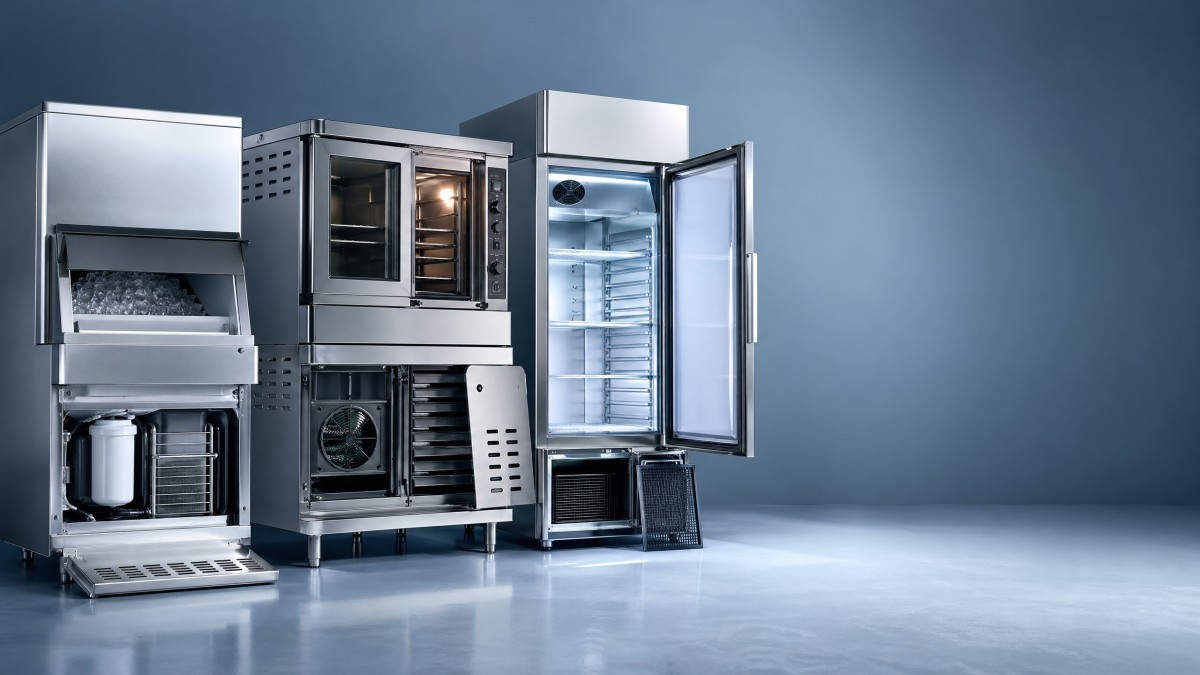
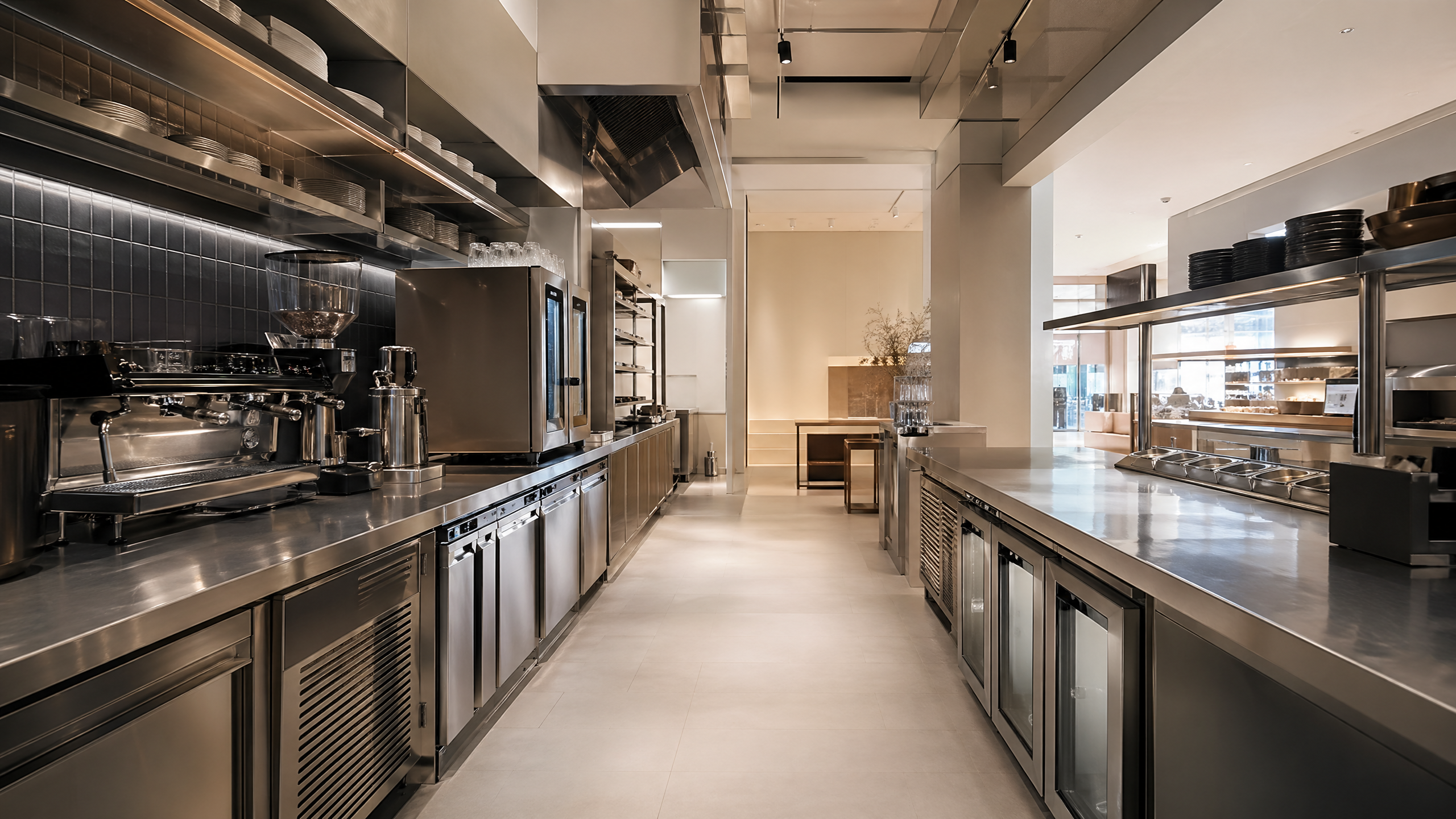
Not all commercial restaurant supplies age in the same way. Equipment with heat, moisture, moving parts, filtration systems, or strict sanitation requirements tends to generate the highest maintenance burden. Stainless steel restaurant supplies often look long-lasting, but the upkeep issue is rarely the exterior surface alone. The real challenge is what happens inside the equipment during daily production.
In practical terms, the categories most likely to create hidden upkeep costs are ice machines, combi ovens, fryers, refrigeration systems, dishwashers, and beverage equipment. Each of these relies on consumables, calibration, drainage, or periodic deep cleaning. A school cafeteria may use a dishwasher 2 to 3 service cycles daily, while a hotel breakfast operation may push ice machines and refrigeration continuously for 24 hours.
Operators often focus on output capacity, such as liters, trays, or BTU ratings, but underestimating upkeep can lead to emergency repair, labor overload, and shortened equipment life. For example, a neglected condenser coil in a refrigerator can increase energy consumption noticeably over a 3 to 6 month period, while also raising compressor stress.
High-upkeep categories and why they become expensive
The table below shows typical categories where hidden upkeep is often underestimated during procurement. These are not absolute rankings, but they are common patterns seen across cafes, chain restaurants, canteens, and central kitchens.
The key takeaway is that hidden upkeep is driven less by visible construction quality and more by operating conditions. Heavy steam, oil vapor, minerals in water, detergent exposure, and high open-close cycles all affect service cost. Buyers comparing restaurant supplies bulk order options should therefore request maintenance schedules at the quotation stage, not after delivery.
A common procurement mistake
A frequent mistake is assuming that heavier equipment automatically means lower lifecycle cost. In reality, a stainless exterior may last 8 to 12 years, but valves, gaskets, probes, pumps, and electronic boards may require attention much sooner. For high-volume kitchens, that difference can reshape the annual maintenance budget within the first 12 to 18 months.
- Ask for a preventive maintenance checklist before purchase.
- Review consumables such as filters, chemicals, and gaskets.
- Check whether parts are locally stocked within 24 to 72 hours.
- Estimate labor minutes per day for cleaning and shutdown routines.
The Real Cost Drivers Behind Hidden Maintenance in Commercial Kitchens
Hidden upkeep is not one single expense. It is usually a combination of 5 cost layers: labor, utilities, consumables, downtime, and technical service. In many kitchens, labor is the least tracked but most frequent cost. If a machine adds 15 to 20 minutes of cleaning per shift and the kitchen runs 2 shifts per day, that becomes a meaningful annual burden.
Water quality is another major cost driver. Hard water shortens the interval between descaling cycles, reduces heating efficiency, and increases failure risk for steam-generating equipment. Ice machines, combi ovens, coffee systems, and warewashing equipment are especially vulnerable. In some regions, poor incoming water can double cleaning frequency unless pretreatment is installed.
Downtime cost is often invisible during procurement because it is not listed on the quote. Yet in a quick-service restaurant, one failed fryer or refrigerator can reduce service capacity immediately. In hotels and institutional kitchens, a dishwashing failure can trigger sanitation bottlenecks within hours. This is why service response time matters almost as much as machine specification.
Main hidden cost components to evaluate
A structured review helps purchasing teams compare equipment beyond unit price. The following table outlines the most important cost drivers and what to ask a restaurant supplies manufacturer or distributor during vendor evaluation.
This comparison shows why restaurant supplies wholesale decisions should include total cost of ownership over at least 36 months. Even when two units have similar cooking capacity, the one with easier access panels, better water management, and simpler cleaning routines can lower service burden significantly over time.
Warning signs during evaluation
If a supplier cannot clearly explain preventive maintenance intervals, expected spare part wear, or operator cleaning responsibilities, the hidden upkeep risk is higher. Procurement teams should also watch for equipment that needs proprietary chemicals, uncommon filters, or long lead time boards that can take 2 to 6 weeks to replace.
- Map the equipment to your actual hours of use, not just rated capacity.
- Separate daily operator tasks from quarterly technician service.
- Estimate the cost of one day of downtime for each critical machine.
- Use a 3-year or 5-year ownership model before approving purchase.
How Buyers Should Compare Restaurant Supplies Wholesale Options More Accurately
When evaluating restaurant supplies wholesale offers, buyers should compare more than purchase price, freight, and warranty length. The most useful supplier comparison includes maintenance burden, installation requirements, training support, and service access. This is especially important for chains, schools, hospitals, and hotels that standardize multiple sites under one procurement contract.
For restaurant supplies bulk order projects, even a small difference in upkeep can scale quickly. If one refrigeration model requires gasket replacement every 9 months instead of every 18 months, the impact across 20 locations is substantial. Bulk orders should therefore include a spare parts strategy, recommended service stock, and clear documentation for operators.
Another essential factor is kitchen layout compatibility. Equipment with poor service clearance can increase technician labor time and delay cleaning. A combi oven placed too close to a wall may meet initial fit requirements but create daily access problems for filters, drain maintenance, or rear ventilation. Good procurement decisions connect equipment selection with kitchen design from the start.
A practical comparison framework for procurement teams
The table below can be used during supplier evaluation meetings. It helps align purchasing, operations, and management teams around measurable criteria instead of relying only on brochure claims.
This framework is especially useful when selecting a restaurant supplies manufacturer for long-term programs. It moves the conversation from “Which unit is cheapest today?” to “Which unit stays usable, serviceable, and predictable over the next 3 to 5 years?” That shift is often where procurement savings are actually created.
Questions every buyer should ask before placing a bulk order
- What are the top 3 parts most commonly replaced in the first 24 months?
- How many minutes does daily cleaning require for a trained operator?
- Does the equipment need water filtration, ventilation clearance, or floor drainage?
- Can the supplier support multi-site training, commissioning, and after-sales coordination?
Strong suppliers answer these questions with specifics. Vague answers usually indicate higher operational risk, especially where uptime and food safety are tightly controlled.
Reducing Hidden Upkeep Through Smarter Kitchen Design, Training, and Service Planning
Many upkeep problems are not caused by weak equipment alone. They come from mismatched installation, poor staff training, or insufficient service planning. A well-selected unit can still become expensive if airflow is blocked, drainage is undersized, or the operator does not understand cleaning intervals. Hidden upkeep is therefore a system issue, not just a product issue.
Kitchen design should allow access clearance for daily cleaning and periodic service. In practice, leaving workable access zones around high-maintenance equipment can reduce technician time and improve sanitation. For example, refrigeration units need space for condenser cleaning, and warewashing systems need easy approach to filters, spray arms, and chemical lines. Serviceability should be checked during layout review, not after installation.
Training is equally important. A 30-minute demonstration at delivery is rarely enough for complex equipment. Operators need practical SOPs covering startup, shutdown, cleaning agents, warning alarms, and weekly inspection points. This is especially true for smart kitchen systems where software alerts may be ignored if staff do not know their meaning.
A 4-step plan to lower lifecycle maintenance cost
- Standardize equipment by location type, such as cafe, hotel buffet, or central kitchen, so spare parts and training are easier to manage.
- Install water treatment, ventilation, and drainage matched to the equipment load rather than minimum code assumptions.
- Create preventive maintenance intervals at daily, monthly, and quarterly levels with named responsibilities.
- Track downtime events, repeated alarms, and consumable usage for at least 6 months after commissioning.
Smart kitchen technology can help here. Digital maintenance logs, sensor-based alerts, and remote diagnostics shorten troubleshooting time and improve preventive care. However, buyers should verify whether the software requires subscription fees, network support, or firmware updates. Digital visibility is valuable, but it should simplify upkeep rather than add another unmanaged layer.
Where integrated solutions make the biggest difference
Integrated kitchen systems are particularly effective in facilities operating 12 to 18 hours per day. In these environments, even small reductions in cleaning time, water waste, or fault response can generate noticeable savings. Food processing kitchens, institutional catering, and multi-site restaurant groups benefit most because their scale makes hidden upkeep easier to measure and improve.
- Use shared maintenance calendars for all high-risk equipment categories.
- Keep basic consumables on-site for at least 30 to 60 days of planned replacement needs.
- Review utility conditions such as water hardness and ambient temperature twice per year.
- Include service access and cleaning ergonomics in every kitchen redesign project.
As the kitchen equipment industry continues moving toward automation, intelligence, and energy efficiency, lifecycle thinking becomes more important than first-cost thinking. The best purchasing decision is usually the one that balances output, hygiene, serviceability, and operational stability across the full life of the kitchen.
FAQ: Practical Questions About Hidden Upkeep in Commercial Restaurant Supplies
How do I identify hidden upkeep before buying?
Ask for four things in writing: cleaning frequency, consumable replacement intervals, preventive maintenance tasks, and critical spare part lead times. If the supplier can only provide capacity and warranty but not service routines, the ownership risk is higher. Reviewing a 12-month maintenance calendar is often more useful than comparing brochure features alone.
Are stainless steel restaurant supplies always lower maintenance?
Not necessarily. Stainless steel resists corrosion well, but upkeep depends on the complete system. A stainless body does not prevent scale, gasket wear, blocked drains, sensor faults, or detergent damage. Surface durability is important, but internal service requirements usually define long-term cost.
What equipment should receive the closest maintenance review in a new project?
Prioritize equipment that combines heat, water, and continuous use: combi ovens, ice machines, dishwashers, refrigeration, and fryers. These categories commonly require daily care plus monthly or quarterly checks. In high-volume kitchens, these units also create the greatest downtime risk if maintenance slips.
What is a reasonable service planning horizon for buyers?
For most commercial kitchens, a 3-year ownership review is the minimum, while 5 years is better for larger capital purchases. That horizon should include labor, utilities, filters, chemicals, spare parts, technician visits, and likely wear items. This approach gives procurement teams a more realistic basis for comparing restaurant supplies wholesale offers.
Final decision guidance
Commercial restaurant supplies with the highest hidden upkeep are usually the ones exposed to heavy heat, moisture, filtration, and sanitation pressure. The smartest buyers do not judge equipment only by appearance, steel thickness, or initial price. They evaluate cleaning time, service intervals, parts access, and operating environment from day one.
If you are comparing restaurant supplies bulk order programs, reviewing a restaurant supplies manufacturer, or planning a new kitchen layout, lifecycle maintenance should be part of every purchasing decision. A well-matched solution can reduce downtime, protect food safety, and improve long-term operating stability. Contact us to discuss your application, get a tailored equipment recommendation, or explore more commercial kitchen solutions for hotels, schools, cafes, and foodservice operations.
Popular Tags
Kitchen Industry Research Team
Dedicated to analyzing emerging trends and technological shifts in the global hospitality and foodservice infrastructure sector.
Industry Insights
Join 15,000+ industry professionals. Get the latest market trends and tech news delivered weekly.
No spam. Unsubscribe anytime.
Contact With us
Contact:
Anne Yin (Ceramics Dinnerware/Glassware)
Lucky Zhai(Flatware)