
Bakery kitchen design mistakes that raise energy use
A poor bakery layout can quietly drive up utility bills, slow production, and strain staff workflows. In most cases, the biggest energy losses do not come from one expensive machine but from design decisions made too early or reviewed too late: poor equipment placement, weak ventilation planning, oversized systems, bad workflow zoning, and limited heat control. For bakery owners, operators, buyers, and facility planners, the key takeaway is simple: energy efficient kitchen design is not only about buying efficient equipment. It depends on how the entire bakery kitchen works as one system.
If you are evaluating kitchen design for bakeries, estimating kitchen design cost, or selecting equipment from a restaurant supplies manufacturer, avoiding a few common mistakes can reduce energy use, improve output consistency, and lower long-term operating costs.
Why bakery kitchen design mistakes raise energy use faster than most teams expect
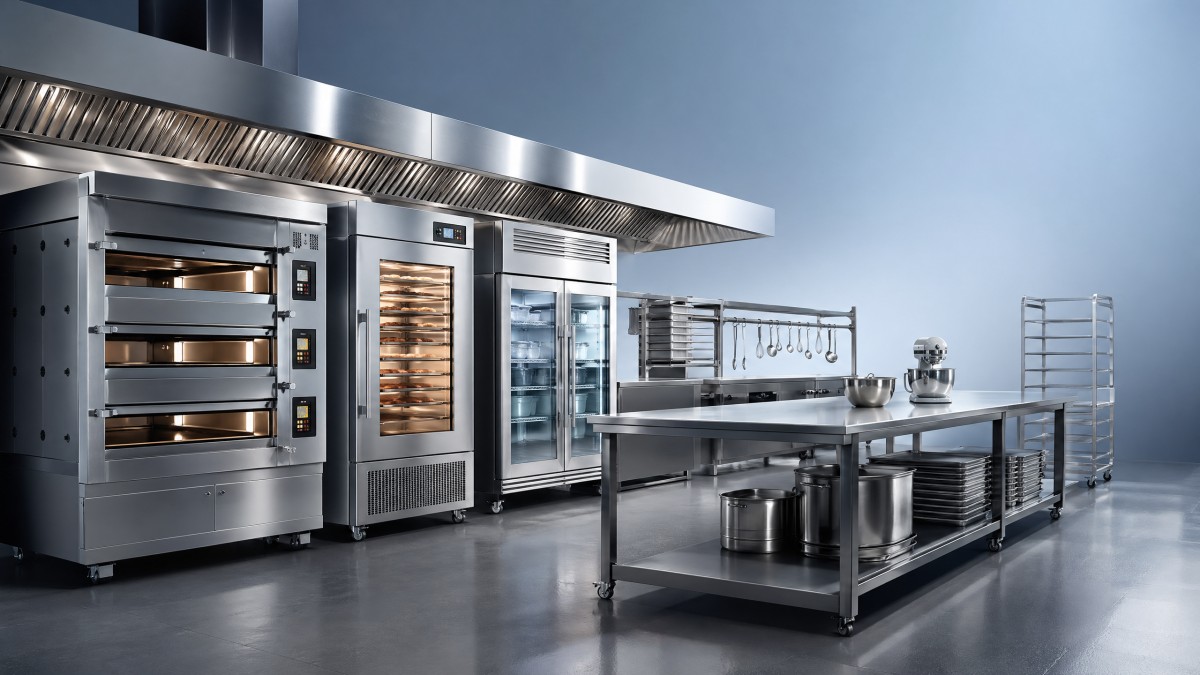
Bakery operations are energy intensive by nature. Ovens, proofers, refrigeration, mixers, dishwashing areas, lighting, HVAC, and ventilation all run for long hours. Unlike some foodservice environments, bakeries also generate continuous heat and often operate on tight production schedules. That means even small design errors can create a daily penalty in gas and electricity consumption.
The most common problem is that teams focus heavily on equipment specifications but not enough on system interaction. A high-efficiency oven can still waste energy if it sits beside refrigeration, if the exhaust hood is oversized, or if product flow causes doors to open too often. In other words, energy waste is often designed into the kitchen before operations even begin.
For decision-makers, this matters because the consequences go beyond utilities:
- Higher monthly operating costs
- Longer production time and lower throughput
- More heat stress for staff
- Inconsistent baking conditions
- Faster wear on HVAC and refrigeration systems
- Reduced return on equipment investment
What are the most common bakery kitchen design mistakes that increase energy consumption?
Several design issues appear repeatedly in bakery projects. These are usually the highest-impact mistakes to review first.
1. Poor equipment placement creates avoidable heat transfer
One of the most expensive mistakes is placing heat-generating equipment too close to cold storage, prep zones, or temperature-sensitive production areas. Ovens, deck ovens, rack ovens, fryers, and proofers release significant heat. When they are installed near refrigerators, freezers, chocolate workstations, or dough holding areas, nearby systems must work harder to maintain stable conditions.
This leads to double energy waste: hot equipment adds thermal load, and cooling equipment consumes more power to fight it.
Better approach: Separate hot, cold, and ambient work zones. Create enough clearance for airflow and maintenance access. Review how radiant and ambient heat move through the room, not just where equipment physically fits.
2. Oversized or poorly designed ventilation systems
Many bakery kitchens use ventilation systems that are either too large, poorly balanced, or not matched to actual appliance duty levels. Excessive exhaust removes conditioned air from the building, forcing the HVAC system to spend more on replacement air. At the same time, weak hood design can trap heat, making staff uncomfortable and reducing equipment efficiency.
Better approach: Match hood size, capture design, exhaust volume, and makeup air strategy to the actual bakery line. Demand-controlled ventilation can help some facilities reduce unnecessary fan runtime.
3. Ignoring workflow zoning
Bad workflow does not just waste labor. It also wastes energy. If staff must repeatedly move between mixing, proofing, baking, cooling, packaging, and storage in an inefficient sequence, doors open more often, equipment sits idle while still powered, and products spend longer in conditioned spaces.
Better approach: Design a logical production flow from receiving to storage, prep, baking, cooling, finishing, packaging, and dispatch. The goal is fewer steps, fewer delays, and less environmental disruption.
4. Choosing equipment by purchase price only
Low upfront cost can become high operating cost very quickly in a bakery. Equipment that looks economical at purchase may consume more gas, electricity, water, or maintenance hours over its lifetime.
This is especially important for:
- Ovens
- Proofers
- Refrigeration units
- Dishwashing systems
- Ventilation fans
- Lighting systems
Better approach: Compare total cost of ownership, not just purchase price. Ask suppliers for energy data, duty cycle expectations, control features, insulation details, and maintenance requirements.
5. Underestimating insulation and heat containment
Bakery environments rely on controlled heat, but too many kitchens allow that heat to escape into the wider space. Poorly insulated ovens, poorly sealed doors, heat-leaking ducting, and weak building envelope performance can all raise utility use.
Better approach: Review equipment insulation quality, door sealing, wall and ceiling performance, and opportunities to isolate high-heat production zones.
6. Inadequate lighting design
Lighting may not be the largest bakery energy load, but poor lighting design still adds cost. Older fixtures generate extra heat, increase cooling demand, and often deliver uneven visibility that affects work quality.
Better approach: Use efficient LED lighting with task-based planning for prep, mixing, decorating, washing, and storage areas.
7. No plan for idle-time energy waste
Many bakeries lose energy during non-peak periods. Equipment stays on longer than necessary because the layout, controls, or production sequence make shutdown inconvenient.
Better approach: Choose equipment with programmable controls, standby modes, and fast recovery where appropriate. Design production areas so operators can safely shut down unused stations without disrupting flow.
How should bakery owners and buyers evaluate an energy efficient kitchen design?
For procurement teams and business decision-makers, the best evaluation method is practical rather than theoretical. Instead of asking whether a kitchen looks modern, ask whether the design reduces energy use across the full production cycle.
Key questions include:
- Are hot and cold zones clearly separated?
- Does the workflow reduce unnecessary movement and door opening?
- Is the ventilation design matched to actual equipment load?
- Will the refrigeration system be exposed to excess ambient heat?
- Are control systems simple enough for staff to use correctly?
- Is maintenance access built into the layout?
- Can the kitchen scale output without major energy penalties?
For buyers comparing commercial restaurant supplies, these questions often reveal more value than a basic equipment quote. A trusted restaurant supplies manufacturer or integrated supplier should be able to discuss not only product features but also installation logic, workflow coordination, and long-term operating efficiency.
Which design choices usually deliver the best return on investment?
Not every bakery needs a full redesign to improve performance. In many projects, a few targeted decisions produce the strongest return.
High-ROI improvements often include:
- Repositioning heat-producing equipment away from refrigeration
- Upgrading to better-matched ventilation and makeup air systems
- Selecting ovens with stronger insulation and better controls
- Improving zoning between production, cooling, and storage
- Replacing outdated lighting with LED fixtures
- Adding programmable operating schedules for key equipment
- Improving door seals, airflow paths, and thermal separation
For growing bakery businesses, these changes can support both immediate savings and future capacity. A design that reduces stress on utilities and staff usually also improves consistency, speed, and workplace comfort.
How do kitchen design cost and energy savings connect in real bakery projects?
Many teams hesitate to invest in better design because they focus on initial kitchen design cost. That is understandable, but incomplete. A bakery kitchen should be judged over years of operation, not just at installation.
A cheaper layout can become more expensive if it causes:
- Higher electricity and gas bills
- More HVAC demand
- Shorter equipment lifespan
- Higher repair frequency
- Lower labor productivity
- Production bottlenecks
- Reduced product quality consistency
By contrast, a well-planned bakery may cost more upfront but deliver lower operating cost every month. For enterprise buyers and management teams, this is where capital spending and operational savings should be evaluated together.
A practical way to assess value is to request:
- Estimated utility consumption by equipment category
- Expected production capacity per shift
- Ventilation and HVAC load assumptions
- Maintenance intervals and parts needs
- Lifecycle cost comparisons between equipment options
What should operators and managers look for during design reviews or facility upgrades?
If you are reviewing a new bakery plan or upgrading an existing site, use a checklist that connects layout choices to real operating behavior.
Review these points carefully:
- Can staff move in a straight, efficient production sequence?
- Are high-heat appliances grouped intelligently without overheating the room?
- Is cooling or refrigerated storage protected from oven heat?
- Are hood systems designed for actual cooking and baking conditions?
- Is there enough space for cleaning and maintenance?
- Do controls support scheduled startup and shutdown?
- Will expansion require redesigning airflow or utility capacity?
For operators, usability matters as much as engineering. Even an efficient layout can underperform if daily operation is awkward. The best bakery kitchen design supports how people actually work, not how a drawing looks on paper.
How to choose suppliers that support lower-energy bakery design
Whether you are sourcing a full bakery line or selected commercial restaurant supplies, supplier quality affects energy performance more than many buyers expect. The right partner should help connect equipment choice, layout efficiency, and long-term serviceability.
Look for suppliers or manufacturers that can provide:
- Clear technical specifications and energy information
- Application advice for bakery-specific workflows
- Integrated equipment planning support
- Ventilation and installation coordination
- After-sales service and spare parts availability
- Experience with energy efficient kitchen design
This is especially important when comparing offers from a restaurant supplies manufacturer. The lowest quote may not account for system compatibility, utility demand, or service response, all of which affect long-term operating cost.
Conclusion
Bakery kitchen design mistakes that raise energy use are usually not dramatic. They are subtle decisions about layout, zoning, ventilation, controls, and equipment selection that add cost every single day. For bakery owners, operators, procurement teams, and business leaders, the most important insight is that energy efficiency starts with design logic, not just efficient machines.
If you are planning kitchen design for bakeries, reviewing kitchen design cost, or selecting commercial restaurant supplies, focus on total operating performance. A bakery that separates hot and cold zones, supports smooth workflow, matches ventilation to actual demand, and uses well-chosen equipment will usually consume less energy, work more efficiently, and deliver stronger long-term profitability.
Popular Tags
Kitchen Industry Research Team
Dedicated to analyzing emerging trends and technological shifts in the global hospitality and foodservice infrastructure sector.
Industry Insights
Join 15,000+ industry professionals. Get the latest market trends and tech news delivered weekly.
No spam. Unsubscribe anytime.
Contact With us
Contact:
Anne Yin (Ceramics Dinnerware/Glassware)
Lucky Zhai(Flatware)