
Why do some glass sauce jars leak after repeated use?
A glass sauce jar that starts leaking after repeated use can create waste, mess, and product-quality concerns. Whether you compare it with a glass jam jar, glass salad jar, or even kitchen staples like a ceramic rice bowl and stoneware rice bowl, the issue often comes down to seal wear, lid deformation, and handling habits. This article explores the real causes behind leakage and how users and buyers can reduce failures.
Why repeated use changes the sealing performance of a glass sauce jar
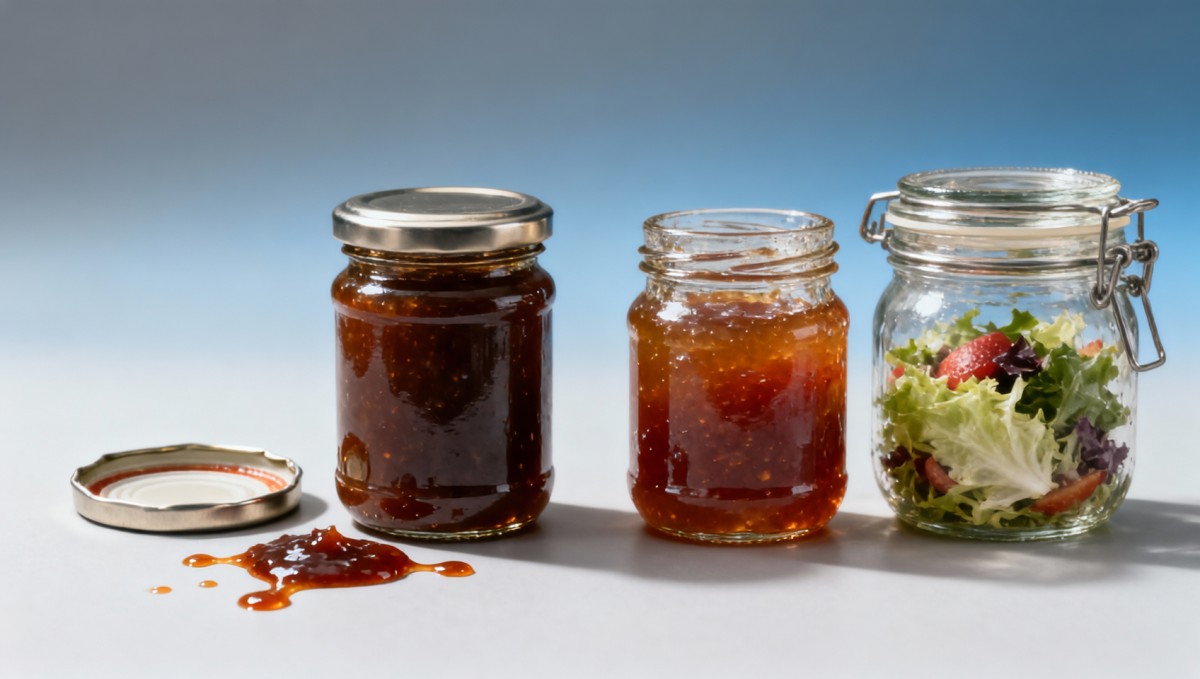
At first use, many glass sauce jars appear reliable because the lid liner, thread fit, and rim surface are still in near-original condition. After 10–30 opening and closing cycles, however, small changes begin to accumulate. In foodservice kitchens, central kitchens, and home environments, these changes are often accelerated by heat, oil, acid, sugar residue, and frequent washing.
Leakage rarely comes from the glass body alone. More often, the problem is a system failure involving four parts: the glass finish, the closure, the liner or gasket, and the user’s handling method. A jar may look intact from the outside but still leak when inverted, transported, or stored for 24–72 hours. This matters for operators, purchasing teams, and decision-makers who need predictable packaging performance.
In the broader kitchen equipment industry, small packaging failures can affect sanitation routines, storage efficiency, and customer experience. Restaurants, hotels, food processors, and retail packers increasingly expect packaging accessories to support food safety and operational consistency, just as they expect dependable performance from automated filling lines, kitchen appliances, and handling tools.
A practical way to understand leakage is to separate normal wear from preventable failure. Normal wear may appear after months of use. Preventable failure often appears within 1–8 weeks because of poor torque control, mismatched lids, thermal shock, or cleaning methods that harden the liner too quickly.
The 5 most common failure mechanisms
- Lid liner fatigue: repeated compression reduces elasticity, so the liner can no longer compensate for tiny irregularities on the jar rim.
- Thread wear or mismatch: using non-matching closures, even if they seem to fit, can create uneven pressure around the neck finish.
- Rim contamination: dried sauce, oil film, salt crystals, or sugar residue can interrupt full contact between lid and glass.
- Heat-related deformation: hot filling, dishwasher cycles, or storage near heat sources can affect closure shape and sealing compound behavior.
- Impact micro-damage: minor chips or invisible edge abrasions often happen during stacking, transport, or rough washing.
For information researchers, the key takeaway is simple: a leaking glass sauce jar is not just a “bad jar.” It is usually a compatibility and lifecycle issue. For buyers, this means the closure specification is almost as important as the glass specification. For users, it means daily handling practices can significantly extend or shorten service life.
What specific conditions make glass sauce jars leak faster?
Some sauces are much harder on packaging than others. Thin soy-based sauces, vinegar-based dressings, chili oil blends, and high-sugar glazes all challenge the seal differently. Low-viscosity liquids escape through tiny gaps more easily, while oily products reduce friction and can spread along the thread path. Acidic contents may also shorten the useful life of certain liner materials over repeated contact cycles.
Temperature is another major factor. Filling a glass sauce jar at elevated temperatures and then reusing it without checking closure condition can lead to hidden deformation. In many practical settings, repeated exposure to roughly 40°C–80°C during filling, washing, or warming is enough to accelerate seal aging, even if the jar itself remains structurally sound.
Popular Tags
Kitchen Industry Research Team
Dedicated to analyzing emerging trends and technological shifts in the global hospitality and foodservice infrastructure sector.
Industry Insights
Join 15,000+ industry professionals. Get the latest market trends and tech news delivered weekly.
No spam. Unsubscribe anytime.

Contact With us
Contact:
Anne Yin (Ceramics Dinnerware/Glassware)
Lucky Zhai(Flatware)