
Ceramic salad plate finishes that hide scratches longer
Choosing the right ceramic salad plate finish can significantly reduce visible wear in busy kitchens, restaurants, and homes. From matte-glazed ceramic salad plate options to durable stoneware pasta bowl and ceramic rice bowl collections, scratch resistance matters for both presentation and long-term value. This guide explores finishes, materials, and practical buying factors to help users and buyers select tableware that stays attractive longer.
Why finish matters more than many buyers expect
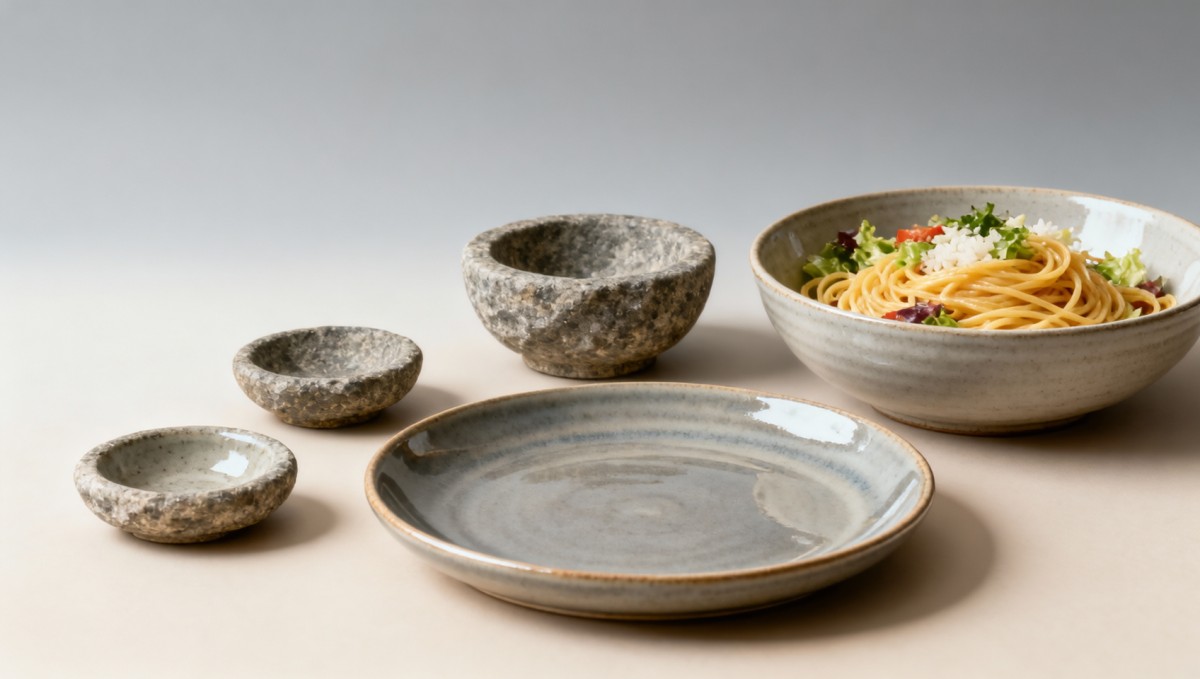
A ceramic salad plate does not fail only when it chips. In many commercial kitchens, the first visible problem is surface scratching. Fine gray marks from cutlery, stacking friction, and repeated washing can make plates look old within 3–6 months of heavy use, even when the body remains structurally sound. For restaurants, hotels, and catering groups, that affects presentation, replacement planning, and brand perception.
Finish is the main reason some ceramic salad plate collections hide scratches longer than others. The glaze texture, color depth, reflectivity, and firing quality determine whether utensil marks stay subtle or become obvious after daily service. In practical terms, a finish that diffuses light and visually masks abrasion can extend acceptable appearance during hundreds or even thousands of handling cycles.
This issue is especially relevant in the broader kitchen equipment industry, where operators now balance durability, hygiene, workflow efficiency, and replacement cost. Tableware is no longer treated as a purely decorative purchase. Procurement teams increasingly compare ceramic salad plate lines the same way they evaluate restaurant appliances or kitchen tools: by lifecycle value, consistency, and suitability for real operating conditions.
For information researchers, users, buyers, and decision-makers, the key question is not simply which plate looks attractive on day one. It is which finish still looks acceptable after repeated stacking, dishwashing, plating, and service across 6–18 months of use.
What actually causes visible scratching?
Not all marks are true deep scratches. Many are metal transfer from stainless steel flatware, while others come from abrasive particles, rough stacking, or inconsistent glaze hardness. In commercial use, the most common stress points include plate rims, center plating zones, and underside foot rings. These areas experience the highest contact frequency during serving and washing.
Common causes usually fall into 4 categories:
- Repeated knife and fork contact during service, especially with steak knives or serrated edges.
- Stacking friction during transport, storage, and dish return in high-turnover environments.
- Improper dishwashing conditions, such as overloaded racks, hard water residue, or abrasive cleaning materials.
- Low-density or uneven glaze application, which makes wear patterns appear earlier and more unevenly.
Understanding that difference matters for procurement. If the concern is mostly visible metal marking, buyers may solve the issue through finish choice and cleaning protocol. If the problem is true glaze wear, they may need a different ceramic body, firing process, or plate design.
Which ceramic salad plate finishes hide scratches longer?
No single finish is right for every operation. The best option depends on service style, lighting, washing frequency, and replacement tolerance. Still, some finish families consistently perform better in real-world visual aging. Buyers evaluating ceramic salad plate, stoneware pasta bowl, and ceramic rice bowl ranges should compare not just color and shape, but also how each finish handles contrast, gloss, and surface texture.
The table below compares common finish types used in ceramic salad plate collections and related tableware. It focuses on visible scratch concealment, maintenance behavior, and suitability for foodservice or household use.
Popular Tags
Kitchen Industry Research Team
Dedicated to analyzing emerging trends and technological shifts in the global hospitality and foodservice infrastructure sector.
Industry Insights
Join 15,000+ industry professionals. Get the latest market trends and tech news delivered weekly.
No spam. Unsubscribe anytime.

Contact With us
Contact:
Anne Yin (Ceramics Dinnerware/Glassware)
Lucky Zhai(Flatware)