
Glass whiskey tumbler weight can change the drinking experience
The weight of a glass whiskey tumbler can do more than influence comfort in hand—it can shape aroma release, balance, and the overall drinking ritual. For buyers comparing drinkware alongside products like glass cappuccino cup, glass mojito cup, or even glass salad jar, understanding material feel and function helps make smarter choices for home, hospitality, and commercial kitchen use.
Why does glass whiskey tumbler weight matter in real use?
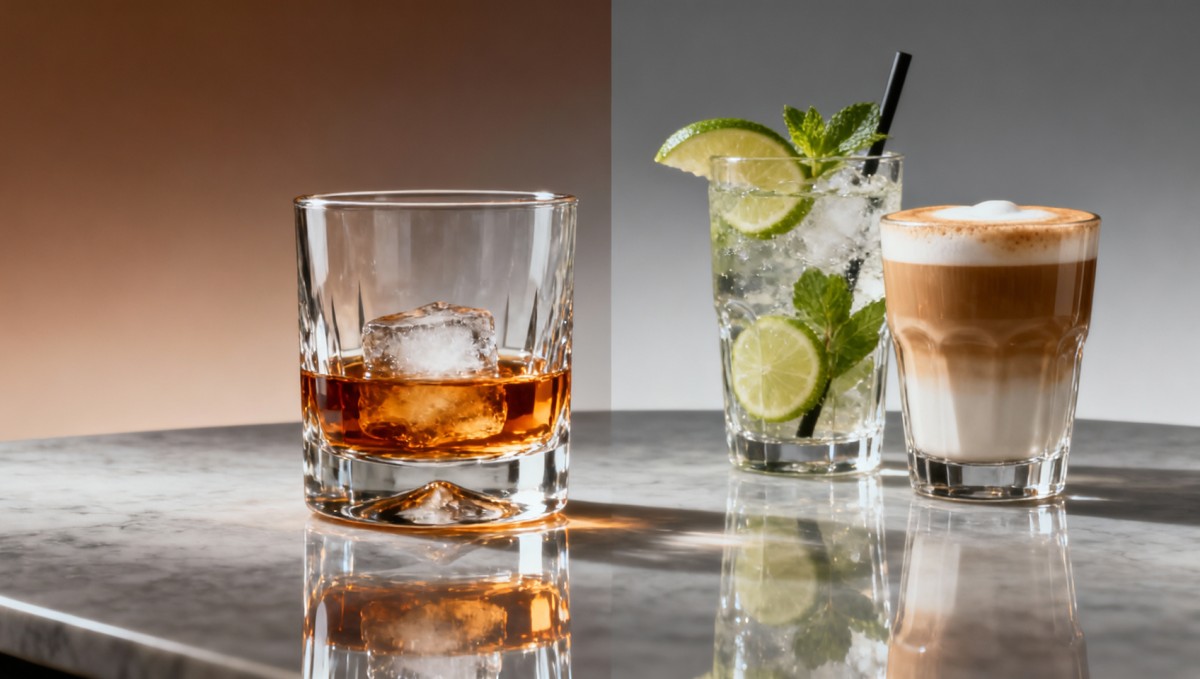
For many buyers, a glass whiskey tumbler is judged first by appearance. In practice, weight is one of the most functional factors. A lighter tumbler may feel agile and easy to lift during fast bar service, while a heavier tumbler often communicates stability, premium positioning, and a slower drinking ritual. In restaurants, hotels, tasting rooms, and premium household kitchens, that difference influences both user experience and purchasing logic.
Weight affects at least 4 linked dimensions: hand feel, thermal perception, balance on the table, and resistance to tipping. A tumbler that feels too light may seem less valuable even if the glass quality is acceptable. A tumbler that feels too heavy can create fatigue when staff handle dozens of units per shift. For operators working 6–8 hours in beverage service, this detail becomes operational, not merely aesthetic.
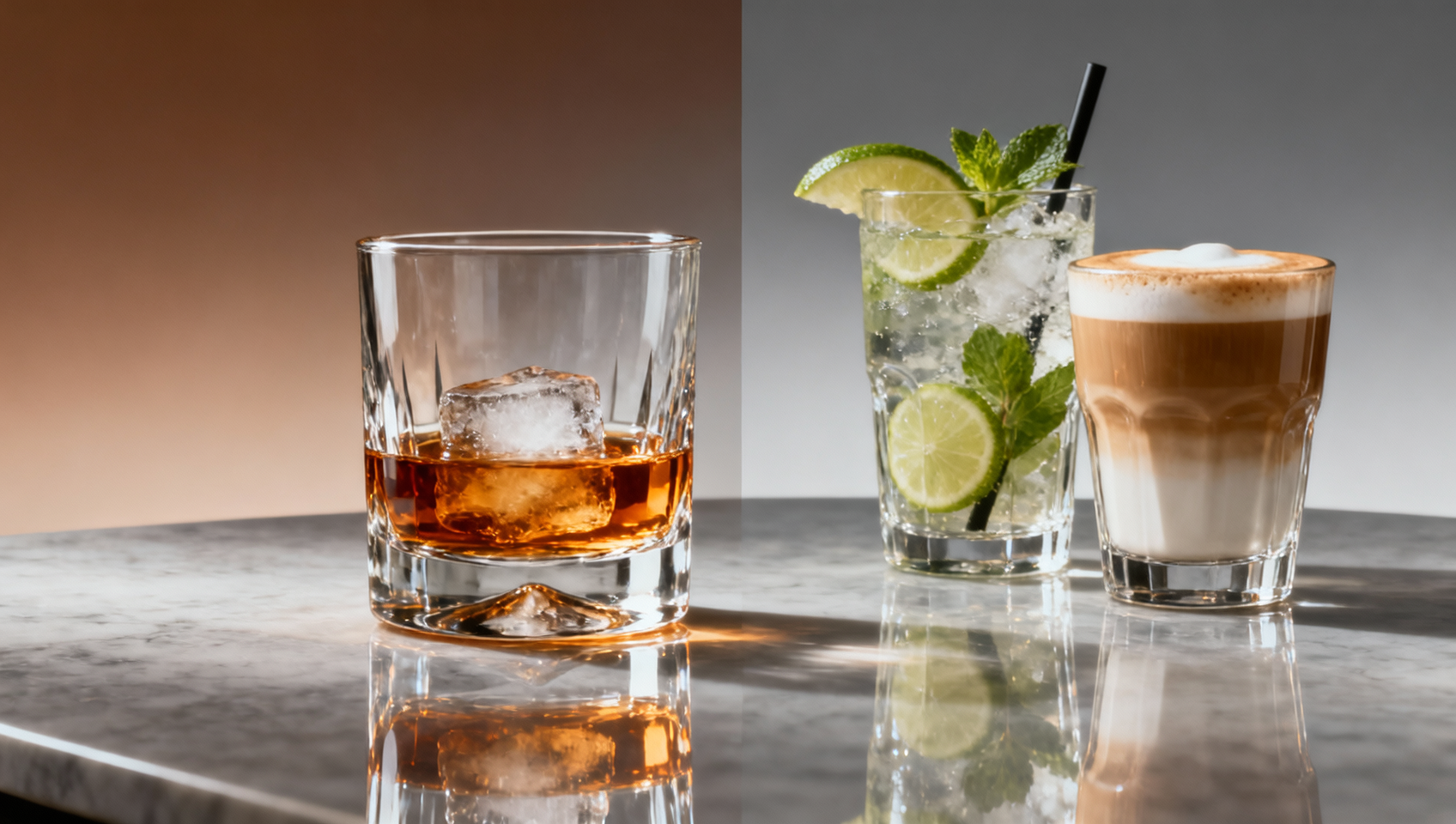
In the kitchen equipment and tabletop supply chain, drinkware is increasingly evaluated like any other professional-use item: by application fit, replacement frequency, and handling efficiency. This is especially important for procurement teams managing mixed beverage programs that include whiskey, cocktails, coffee, desserts, and cold storage presentation. The same buyer may source a glass whiskey tumbler together with a glass mojito cup or glass cappuccino cup, so consistency in weight and visual language matters.
Weight also changes perception of quality at the point of service. When a customer receives a tumbler with a solid base and controlled balance, the drink often feels more intentional. This matters in premium hospitality, where small tactile signals influence brand memory. For B2B buyers, that means glass weight should be reviewed as part of a 3-part decision: customer impression, staff usability, and lifecycle value.
What weight changes in the drinking experience
- A heavier base often improves perceived stability, which is useful in bars, lounges, and hotel minibars where glasses are frequently moved across trays and counters.
- A lighter tumbler can support faster turnover and reduced wrist strain in high-volume service, especially when staff clear and reset tables every 10–15 minutes.
- Moderate weight often gives the best balance for tasting use, where aroma, swirl control, and hand comfort all matter during a 20–40 minute drinking session.
- Excessively heavy glass may look premium on the shelf but can raise shipping cost, storage load, and accidental drop impact during repetitive handling.
How heavy is too heavy? Comparing common tumbler weight ranges
There is no single ideal weight for every glass whiskey tumbler because volume, wall thickness, base design, and intended setting all vary. Still, buyers can use common market ranges to compare options more effectively. In many commercial and household applications, empty tumbler weights commonly fall between 250 g and 550 g, with premium heavy-base designs often sitting toward the upper end of that range.
When reviewing samples, procurement teams should avoid separating weight from capacity. A 300 ml tumbler at 420 g feels different from a 250 ml tumbler at the same weight because the mass distribution changes how the glass tilts, lands, and rotates in the hand. This is why a side-by-side comparison is more useful than reading a catalog description alone.
The table below helps purchasing managers, operators, and brand owners compare typical tumbler weight profiles and their likely use scenarios. These are not fixed standards, but practical reference ranges used during product screening, sample evaluation, and hospitality tabletop planning.
The key takeaway is not that heavier always means better. Instead, the right range depends on the service model. If your team is prioritizing fast handling and lower replacement friction, a lighter-to-mid range may be more practical. If your goal is premium guest perception and slower sipping occasions, a heavier glass whiskey tumbler can be the better fit.
Weight should be reviewed together with these 5 checks
- Capacity range, such as 250–350 ml for standard whiskey pours with ice.
- Base thickness and whether the center of gravity feels stable during table placement.
- Rim thickness, which affects sip comfort and premium perception.
- Stacking or storage suitability in back-of-house conditions.
- Carton loading impact, especially for international orders and consolidated kitchenware shipments.
Which applications need different weight strategies?
Not every buyer needs the same glass whiskey tumbler profile. A procurement team for a cocktail bar evaluates glasses differently from a hotel group or a kitchenware importer. Weight selection becomes more accurate when tied to use intensity, presentation goal, and handling process. This is the same principle used across modern kitchen equipment sourcing, where products are selected based on task efficiency, durability expectations, and operational fit.
For example, a venue serving 80–150 whiskey-based drinks per night needs a tumbler that can survive repetitive washing, fast tray movement, and frequent countertop contact. A luxury gift distributor may prioritize tactile weight and packaging harmony over rapid service convenience. A retail kitchenware brand may need visual consistency across a full glassware family that includes a glass cappuccino cup, glass mojito cup, and storage formats such as a glass salad jar.
Because drinkware often sits inside a broader kitchen and tabletop assortment, decision-makers should compare weight in the context of system purchasing. That means asking whether the tumbler aligns with dishwasher use, shelf spacing, replenishment planning, and brand positioning. In many B2B projects, that systems view reduces mismatch and unnecessary reordering within the first 3–6 months.
The table below maps common application scenarios to weight priorities, helping buyers avoid choosing a tumbler based on looks alone.
This comparison shows why a one-size-fits-all recommendation rarely works. The best tumbler weight is the one that performs well in your actual service environment, not just on a showroom shelf. Buyers who align application with weight range usually make fewer post-purchase adjustments.
Application-specific questions procurement teams should ask
For operators and users
Can staff comfortably handle the tumbler across a full shift? If the venue runs 2 service peaks per day, even a small increase in per-glass weight can influence speed, fatigue, and breakage risk. A sample handling test over 30–50 repeated lifts is often more revealing than visual inspection.
For purchasing teams
Does the weight raise freight cost beyond the acceptable range for the order size? Heavier glass may improve premium feel, but it can also reduce carton efficiency and increase transit exposure. This is especially important for cross-border supply chains serving hotels, restaurants, and foodservice distributors.
For business decision-makers
Does the tumbler support brand positioning across the entire beverage line? If whiskey is part of a broader tabletop strategy, the selected weight should not conflict with adjacent products such as cocktail glasses, coffee cups, and storage jars used in the same commercial environment.
What should buyers check before ordering a glass whiskey tumbler?
A good purchasing decision combines tactile evaluation with technical and supply-chain review. In the kitchen equipment and hospitality supply sector, even simple tabletop items should be checked with the same discipline applied to appliances or food-contact tools. That means defining use case, verifying dimensions, reviewing packaging, and confirming whether the glass supports the cleaning and handling routine required by the end user.
For most B2B buyers, the first screening round should cover 6 items: empty weight, capacity, rim diameter, base thickness, carton configuration, and replacement availability. If samples are being compared, set a consistent method. For example, test 3 candidates over a 7-day internal review involving pouring, lifting, dishwashing, shelf storage, and visual inspection under service lighting.
Procurement teams should also review compatibility with the broader product mix. If the same supplier provides a glass whiskey tumbler, glass cappuccino cup, and glass mojito cup, consistency in quality control and packaging can simplify import handling and reorder cycles. Combining categories often reduces communication time and improves specification management.
The checklist below is useful for buyers who need a practical selection path without overcomplicating the process.
- Confirm the target use environment: home retail, hotel room, bar service, tasting room, or gifting.
- Match empty weight to handling frequency: lighter for repetitive use, heavier for premium presentation.
- Review capacity and ice accommodation, often within a practical 250–350 ml range for whiskey service.
- Ask about packing details, breakage prevention, and whether spare or repeat orders can be supplied within 2–6 weeks depending on stock and production status.
- Check whether the product is intended for food-contact applications and whether supplier documentation can support compliance discussions in your market.
Common procurement mistakes
One common mistake is choosing the heaviest tumbler simply because it feels expensive. That decision can backfire in high-turnover service settings where staff prioritize speed and safety. Another mistake is selecting only by unit price without considering shipping weight, replacement rate, and presentation value. The lowest-priced option may generate higher overall cost after 6–12 months of use.
A third mistake is ignoring lineup compatibility. Buyers often compare a whiskey tumbler in isolation, even though customers experience it alongside coffee service, cocktails, desserts, and tabletop storage. In modern kitchenware procurement, the better decision usually comes from evaluating the product family, not one piece alone.
Compliance, durability, and service planning in commercial supply
In commercial and international sourcing, product feel is only part of the decision. Buyers also need to consider food-contact suitability, production consistency, and after-sales practicality. While specific requirements vary by destination market, it is reasonable to ask suppliers about material declarations, routine quality control, packaging method, and inspection steps before shipment.
For hospitality, retail, and kitchen equipment distributors, durability planning should include handling frequency, dishwashing conditions, and reorder certainty. A tumbler used once a week in a household kitchen faces different demands from one processed through commercial washing cycles several times per day. This is why sample testing over 1–2 weeks is often a better decision tool than relying on appearance photos.
Packaging and replenishment also matter. If a buyer expects recurring orders every quarter, it is useful to confirm whether the supplier can maintain consistent dimensions and weight range across production lots. Small variation is normal in manufacturing, but procurement teams should still define acceptable tolerance for appearance and handling consistency before bulk confirmation.
In broader kitchen equipment projects, integrated sourcing is increasingly valuable. Buyers want fewer suppliers, clearer specifications, and easier communication across product categories. A supplier capable of supporting drinkware together with related kitchen and tabletop items can simplify project execution, especially when timelines are tight and multiple SKUs need to move together.
A practical 4-step sourcing process
- Define the service goal and target users, such as lounge guests, bar staff, or retail consumers.
- Shortlist 2–3 tumbler options by capacity, weight range, and design language.
- Run a sample review covering grip, balance, cleaning suitability, and packaging security.
- Finalize commercial terms, expected lead time, repeat-order plan, and any documentation needed for your market.
FAQ and next steps for buyers comparing whiskey tumblers
Buyers often start with one simple question about weight, but the real decision usually involves service model, logistics, aesthetics, and replacement planning. The following questions reflect common search intent from information researchers, operators, purchasing staff, and business decision-makers evaluating a glass whiskey tumbler for hospitality or kitchenware distribution.
Is a heavier glass whiskey tumbler always better?
No. A heavier tumbler can improve premium feel and tabletop stability, but it may not be ideal for high-frequency handling. In many commercial settings, a medium range around 321–430 g provides a better balance between guest perception and operational convenience. The best option depends on whether your priority is tactile luxury, service speed, or shipping efficiency.
What capacity works best with common whiskey service?
A practical range for many applications is 250–350 ml. This usually allows room for neat pours, water addition, or ice without making the glass feel oversized. Capacity should be checked together with weight, because the same weight can feel very different across different volumes and base geometries.
How should I compare a whiskey tumbler with other glassware categories?
Compare them as part of a product family. If you also source a glass cappuccino cup, glass mojito cup, or glass salad jar, look at design consistency, packaging efficiency, and supplier coordination. This is especially useful for kitchen equipment importers, hospitality groups, and retail brands managing mixed tabletop collections.
What lead time should buyers usually expect?
Lead time depends on stock availability, decoration requirements, and order size. For standard items, buyers often review samples and confirm orders within 7–15 days, while production or replenishment may take 2–6 weeks depending on the supply plan. It is best to confirm this early if your project includes coordinated kitchen equipment or multiple glassware SKUs.
Why choose us for sourcing support?
We support buyers who need more than a catalog description. If you are comparing glass whiskey tumbler options for hospitality, retail, or broader kitchen equipment procurement, we can help you review weight range, capacity matching, packaging details, product family coordination, and typical lead-time planning. We can also discuss sample support, specification confirmation, food-contact documentation needs, and how to align whiskey tumblers with related items such as a glass cappuccino cup, glass mojito cup, or glass salad jar.
Contact us to discuss 3 practical areas before you buy: product selection based on your service scenario, delivery planning based on quantity and destination, and customization scope based on packaging or assortment needs. This approach helps reduce sourcing risk, speed up internal decision-making, and build a more coherent beverage and kitchenware offering.
Popular Tags
Kitchen Industry Research Team
Dedicated to analyzing emerging trends and technological shifts in the global hospitality and foodservice infrastructure sector.
Industry Insights
Join 15,000+ industry professionals. Get the latest market trends and tech news delivered weekly.
No spam. Unsubscribe anytime.
Contact With us
Contact:
Anne Yin (Ceramics Dinnerware/Glassware)
Lucky Zhai(Flatware)