
What makes a glass cappuccino cup crack under sudden heat?
A glass cappuccino cup can crack under sudden heat when thermal shock causes uneven expansion between its inner and outer surfaces. For buyers, operators, and sourcing teams comparing products like a glass salad jar, glass whiskey tumbler, or ceramic baking bowl, understanding heat resistance is essential for safety, durability, and long-term value. This article explains the key causes, material differences, and practical ways to reduce breakage in daily use.
Why does a glass cappuccino cup crack under sudden heat?
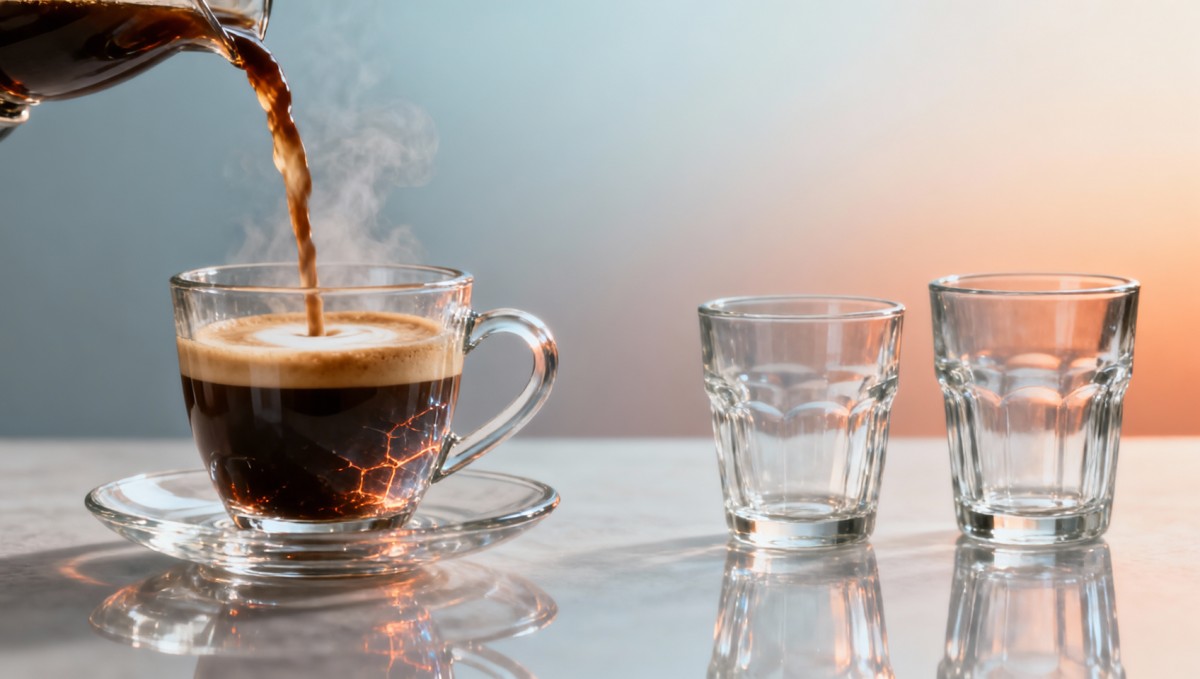
In kitchen equipment use, sudden breakage is rarely random. A glass cappuccino cup usually cracks because the inside surface heats much faster than the outside surface, creating thermal stress. When hot coffee at roughly 85°C–95°C enters a cool cup, the temperature difference may exceed what the glass structure can safely absorb within a few seconds.
This issue matters in restaurants, hotels, cafés, and household kitchens because beverage service often happens under time pressure. Operators may move cups from storage rooms at 10°C–20°C directly into hot-drink preparation. In commercial settings with repeated service cycles every 3–10 minutes, even a small mismatch between material and process can increase the risk of cracks, chips, and customer complaints.
The problem is not simply “heat.” It is uneven heat transfer. Thick bases, decorative coatings, etched patterns, and sharp geometry changes around the handle or rim can make expansion inconsistent. Once one part of the cup expands faster than another, tensile stress builds along weak points, and the cup may fracture immediately or fail later after repeated use.
For procurement teams, this means that product appearance alone is not a reliable buying standard. A visually attractive cup may still perform poorly if wall thickness is uneven, annealing is inadequate, or the intended temperature range was never matched to real beverage service conditions.
The 4 most common causes in daily use
- A large temperature jump, such as pouring near-boiling liquid into a refrigerated or winter-cold cup.
- Material mismatch, especially when standard soda-lime glass is used where borosilicate glass would be more suitable.
- Manufacturing stress left inside the glass because of poor annealing, uneven thickness, or low process control.
- Service misuse, including metal spoon impact, placing the cup on a wet cold counter, or heating one side only.
In a busy kitchen equipment environment, these causes often combine. A cup may survive 20 or 30 service cycles and then crack on the next use because internal stress had already accumulated. That is why durable drinkware selection should consider both material science and operating habits.
Which materials handle thermal shock better in coffee service?
Not all drinkware materials behave the same when exposed to hot liquids. For sourcing teams evaluating a glass cappuccino cup against a glass whiskey tumbler or ceramic baking bowl, the key question is thermal shock resistance under actual use, not only basic heat tolerance. Some products can endure high temperatures but still fail when the temperature changes too quickly.
Borosilicate glass is generally preferred for rapid hot beverage applications because it has a lower coefficient of thermal expansion than standard soda-lime glass. That means it expands less when heated and is less likely to develop severe stress. Tempered glass can also improve strength, but impact resistance and thermal shock performance are not always identical, so buyers should verify intended application.
Popular Tags
Kitchen Industry Research Team
Dedicated to analyzing emerging trends and technological shifts in the global hospitality and foodservice infrastructure sector.
Industry Insights
Join 15,000+ industry professionals. Get the latest market trends and tech news delivered weekly.
No spam. Unsubscribe anytime.
Contact With us
Contact:
Anne Yin (Ceramics Dinnerware/Glassware)
Lucky Zhai(Flatware)