
Porcelain cereal bowl sourcing gets harder when glaze rules tighten
As glaze regulations become stricter, sourcing a reliable porcelain cereal bowl is no longer a simple price comparison. Buyers now need to balance compliance, durability, and design across categories such as stoneware rice bowl, ceramic cereal bowl, and ceramic baking bowl. For importers, operators, and decision-makers, understanding material choices and supplier capabilities is essential to reduce risk and secure consistent quality.
Why porcelain cereal bowl sourcing is getting more complex
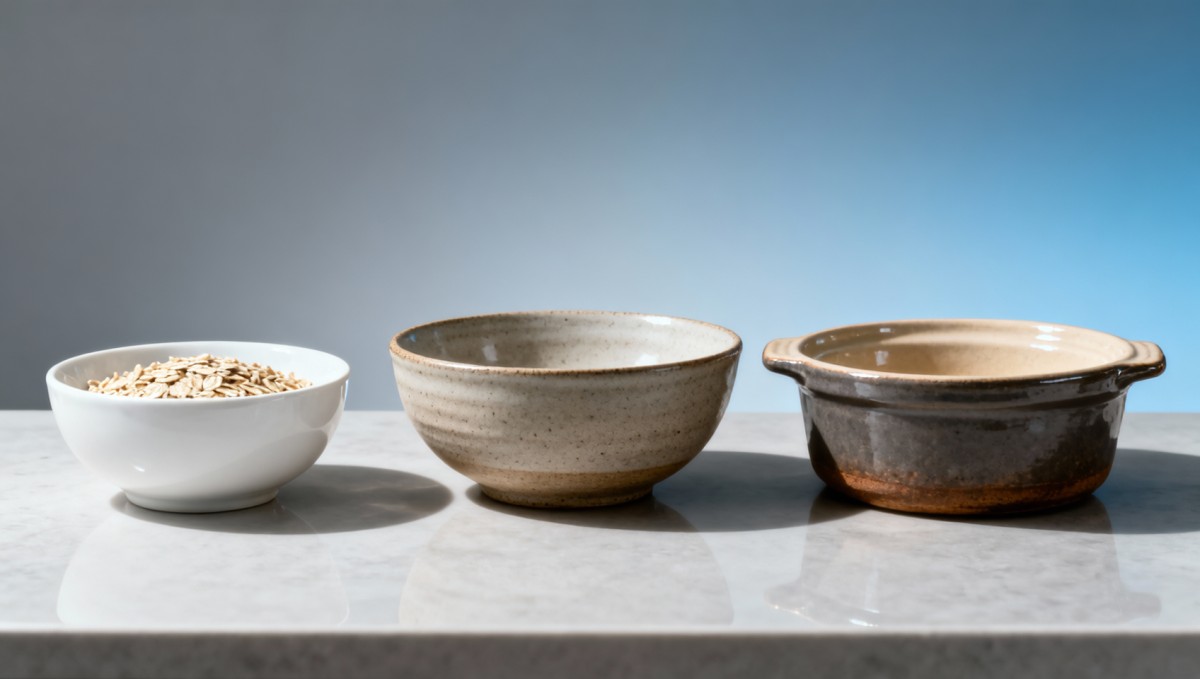
In the kitchen equipment industry, tableware is no longer treated as a low-risk accessory. Restaurants, hotels, central kitchens, food processors, and retail buyers increasingly expect bowls to meet both food-contact safety and long-cycle operational demands. A porcelain cereal bowl used in breakfast service may face daily dishwasher exposure, stacking pressure, rapid replenishment, and repeated handling across 2–3 service periods every day.
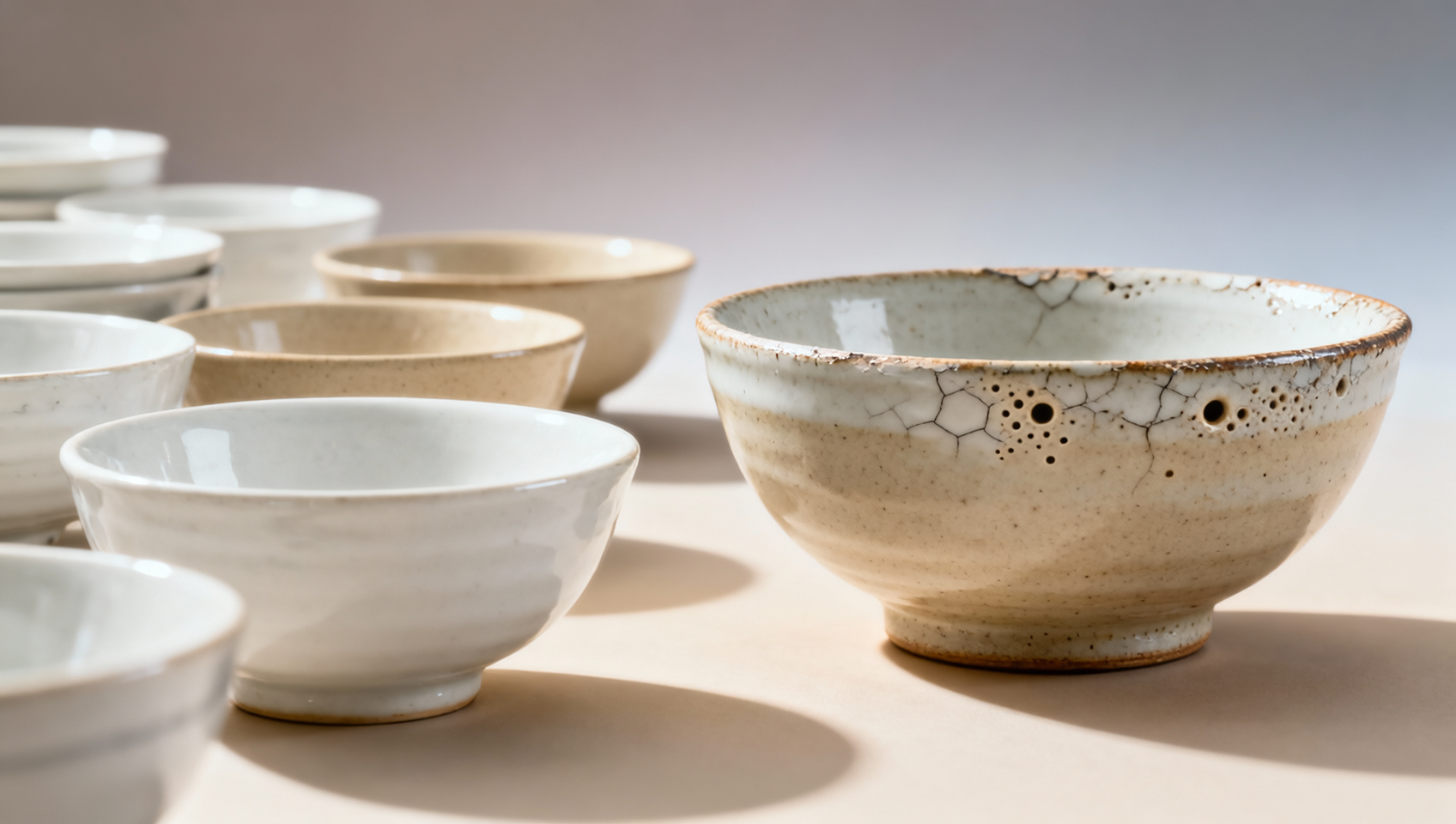
The pressure rises when glaze rules tighten. Buyers must now verify whether the glaze system, pigments, and firing process align with destination-market requirements for food-contact products. Even when two ceramic cereal bowl samples look similar, the underlying risk can differ due to body composition, glaze formulation, kiln consistency, and supplier testing discipline. This is why sourcing errors often appear after shipment, not before order confirmation.
For procurement teams, the challenge is rarely only technical. It also includes lead time, documentation, replacement planning, and communication speed. A supplier that can make a nice-looking stoneware rice bowl but cannot maintain color consistency within one production cycle of 30–45 days may create operating losses far beyond unit price savings. In hospitality and foodservice, appearance and supply reliability directly affect brand perception.
Decision-makers should also note that stricter glaze control is part of a broader trend in kitchen equipment: better food safety, more traceable production, and closer integration between materials, performance, and compliance. That means bowl sourcing now belongs in the same risk-management framework as cookware, food prep tools, and commercial kitchen equipment.
- Food-contact compliance is checked earlier in the buying process, often before sample approval or mass order placement.
- Operators want bowls that survive repeated dishwashing, stacking, and temperature changes over 6–12 months of regular use.
- Importers increasingly compare supplier documentation, not only shape, glaze color, and quoted price.
How to compare porcelain cereal bowl, stoneware rice bowl, and ceramic baking bowl
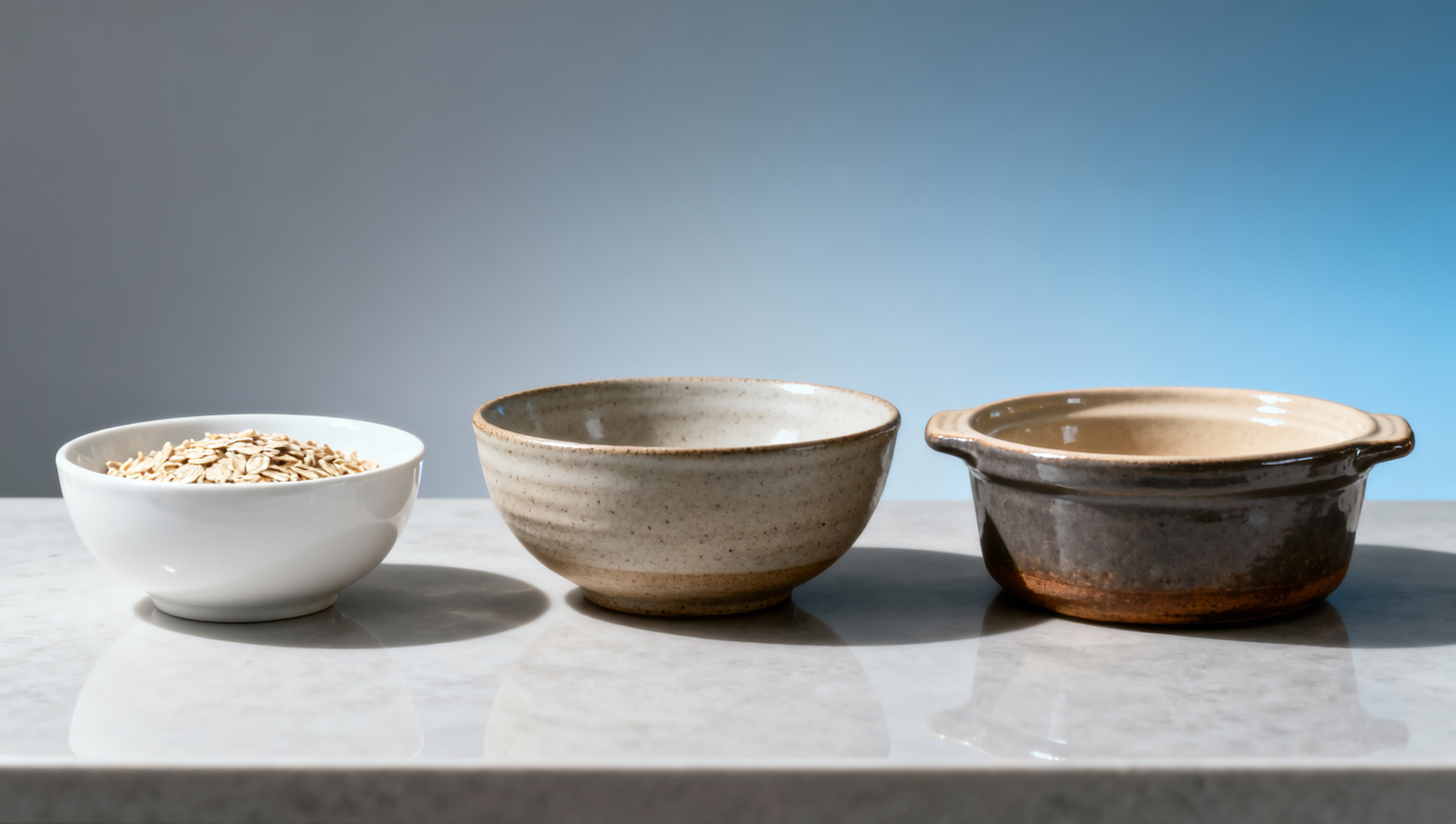
Different bowl categories serve different operational goals. A porcelain cereal bowl is often selected for a cleaner surface, lower water absorption, and more refined table presentation. A stoneware rice bowl may appeal when buyers want a rustic appearance or thicker body feel. A ceramic baking bowl enters the discussion when thermal use matters, such as oven-to-table applications or heated side dishes in hospitality service.
However, comparing them only by aesthetics creates procurement blind spots. Buyers should evaluate at least 5 dimensions: body density, glaze stability, chip resistance, thermal suitability, and consistency between sample and bulk order. A ceramic cereal bowl designed mainly for dry or warm breakfast items may not perform like a ceramic baking bowl exposed to higher temperature swings, and a stoneware rice bowl may carry different absorption and weight characteristics.
Category comparison for practical purchasing decisions
The table below helps procurement teams compare typical selection logic across common bowl categories used in foodservice and kitchen supply programs.
Popular Tags
Kitchen Industry Research Team
Dedicated to analyzing emerging trends and technological shifts in the global hospitality and foodservice infrastructure sector.
Industry Insights
Join 15,000+ industry professionals. Get the latest market trends and tech news delivered weekly.
No spam. Unsubscribe anytime.

Contact With us
Contact:
Anne Yin (Ceramics Dinnerware/Glassware)
Lucky Zhai(Flatware)