
Are stoneware rice bowls better for daily heat retention?
When choosing tableware for everyday meals, many buyers ask whether a stoneware rice bowl offers better heat retention than a ceramic rice bowl or even a porcelain cereal bowl. For homes, restaurants, and procurement teams comparing durability, comfort, and serving performance, understanding how stoneware works alongside items like a stoneware pasta bowl or ceramic baking bowl can make smarter purchasing decisions easier.
Why heat retention matters in daily rice bowl selection
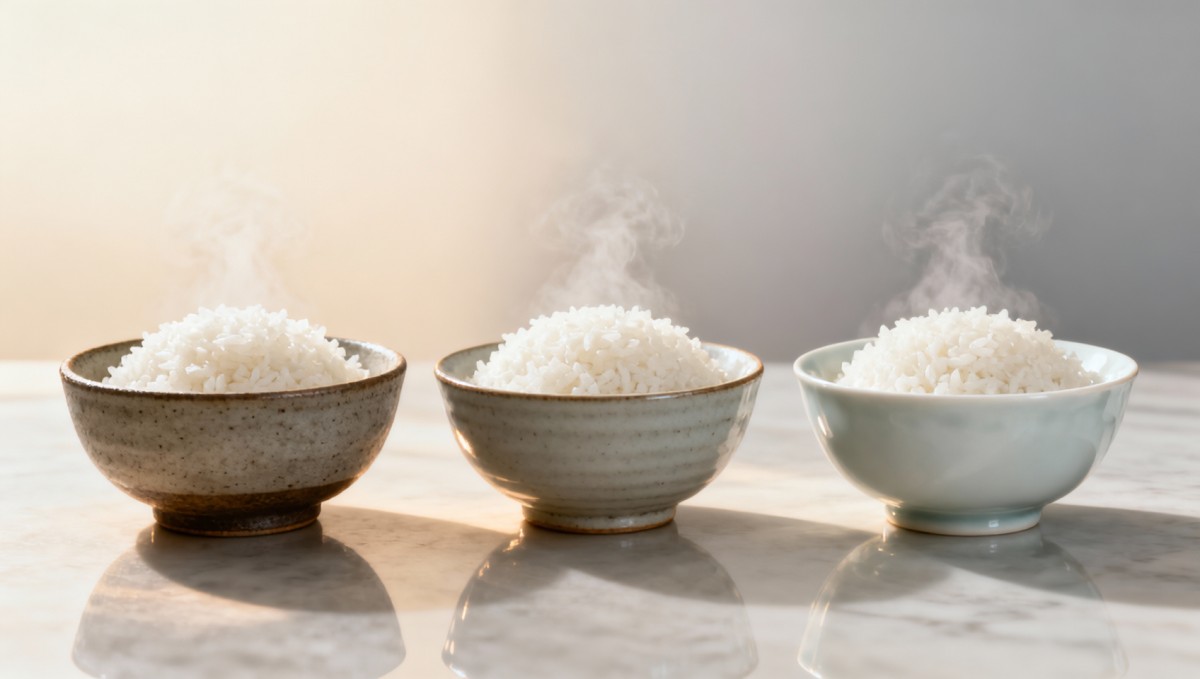
In real use, heat retention is not only about keeping rice warm for a few extra minutes. It affects serving rhythm, user comfort, meal quality, and even customer satisfaction in restaurants or hotels. For operators handling repeated meal service over 30–90 minutes, a bowl that slows heat loss can reduce complaints about food cooling too quickly.
A stoneware rice bowl is generally valued because it has a denser body and a thicker wall than many lightweight porcelain or standard ceramic bowls. That combination often helps it absorb heat gradually and release it more slowly. In practical terms, this means the bowl itself stays warm longer after contact with hot rice at roughly 60°C–75°C serving temperature.
For procurement teams, the question is broader than material preference. They need to balance at least 4 factors: heat retention, break resistance, stackability, and replacement cost. A bowl that keeps heat well but chips easily may not work in high-turnover foodservice. A bowl that is cheap but loses heat fast may reduce the dining experience.
In the wider kitchen equipment industry, tableware decisions increasingly follow the same logic used for larger equipment purchases: application fit, efficiency, lifecycle value, and operational consistency. Even a small item such as a stoneware rice bowl can influence workflow in central kitchens, casual dining chains, hotel buffets, and household kitchens.
- Home users often focus on comfort in hand, microwave suitability, and whether meals stay warm for 10–20 minutes.
- Restaurant operators usually care about table presentation, turnover speed, and resistance to repeated washing cycles.
- Purchasing managers compare carton packing efficiency, replenishment frequency, and consistency across batches.
- Business decision-makers evaluate lifecycle cost, supplier stability, and compatibility with broader tableware programs.
Stoneware vs ceramic vs porcelain: which bowl keeps rice warmer?
The short answer is often yes: a stoneware rice bowl usually offers better daily heat retention than a thin porcelain cereal bowl, and in many cases performs better than lighter ceramic rice bowls. However, the result depends on wall thickness, firing method, glaze, base design, and whether the bowl is preheated before service.
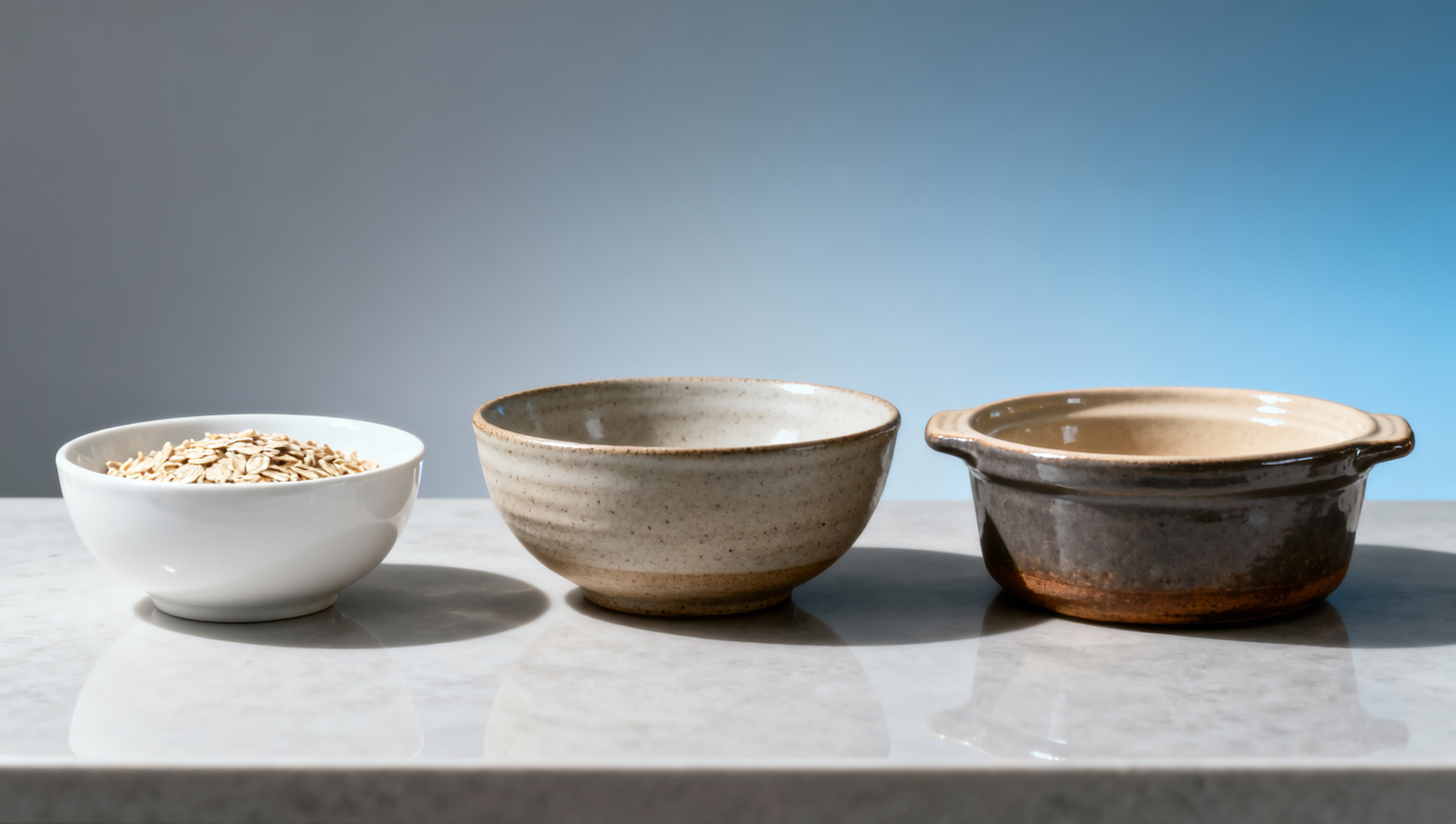
It is useful to separate broad material labels from actual product performance. “Ceramic” is a broad category that can include stoneware and porcelain. In buyer language, though, ceramic rice bowl often refers to general earthen or standard glazed ceramic products, while stoneware points to a more durable and heavier form with stronger thermal mass.
The table below compares common bowl types used in household and foodservice settings. These are typical market characteristics rather than fixed laboratory values, so final selection should still depend on product samples, batch consistency, and intended serving conditions.
Popular Tags
Kitchen Industry Research Team
Dedicated to analyzing emerging trends and technological shifts in the global hospitality and foodservice infrastructure sector.
Industry Insights
Join 15,000+ industry professionals. Get the latest market trends and tech news delivered weekly.
No spam. Unsubscribe anytime.

Contact With us
Contact:
Anne Yin (Ceramics Dinnerware/Glassware)
Lucky Zhai(Flatware)