
Smart kitchen design is shifting from gadgets to control
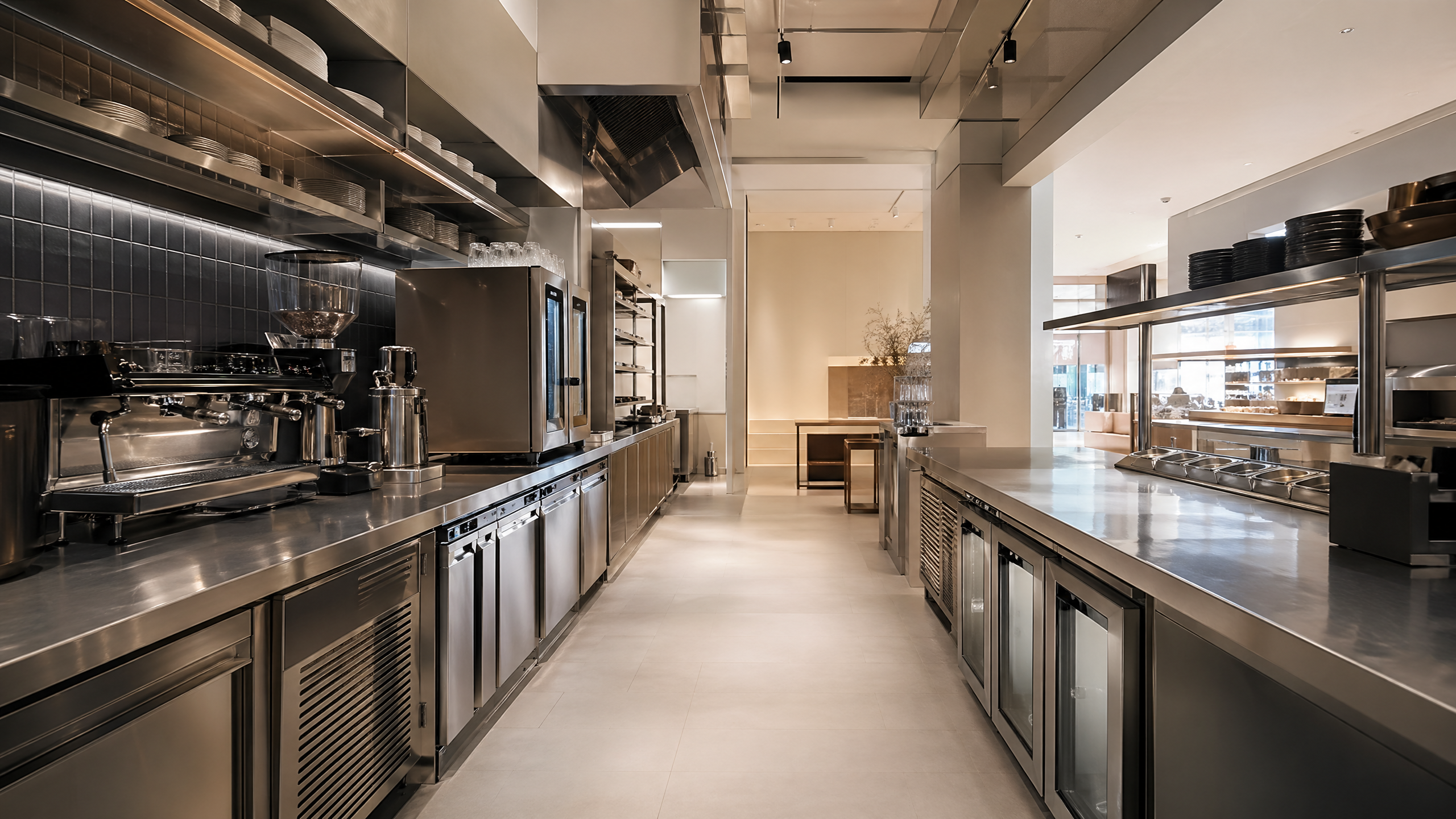
Smart kitchen design is no longer about adding more gadgets—it is about gaining better control, efficiency, and safety across every workflow. For operators, buyers, and decision-makers, the real question is not which device looks smarter, but which design choices make kitchens easier to run, easier to manage, and more profitable over time. Whether the project involves kitchen design for industrial kitchens, hospitals, schools, cafes, or residential use, the shift is clear: better layout, integrated systems, energy efficient kitchen design, and dependable equipment matter more than novelty.
Why smart kitchen design is moving from gadgets to control
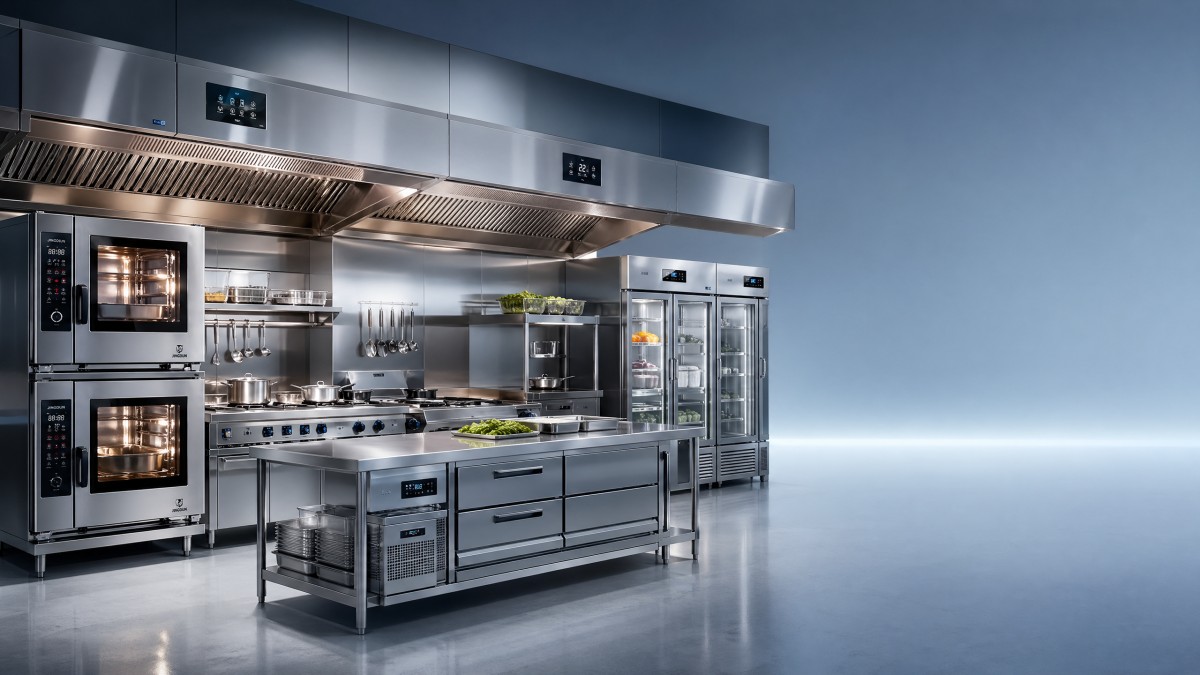
For years, “smart kitchen” often meant touchscreens, connected appliances, or app-based features. Today, buyers are more practical. They want control over energy use, food safety, labor efficiency, maintenance, and workflow visibility. In other words, a kitchen is considered smart when it helps people operate better, not simply when it contains more technology.
This change is especially important in commercial environments. A restaurant, hospital, school cafeteria, hotel, or food processing facility does not benefit much from isolated gadgets that do not improve throughput or reduce risk. What matters is whether the full kitchen system supports consistent output, faster service, lower waste, and safer operations.
That is why custom kitchen design and integrated kitchen planning are gaining attention. Instead of asking, “What smart features does this appliance have?” more buyers now ask:
- Can this design reduce bottlenecks?
- Can staff control temperature, timing, and cleaning more consistently?
- Can managers track usage, maintenance, and energy costs?
- Will the kitchen remain efficient as business volume changes?
- Is the equipment backed by a reliable restaurant supplies manufacturer?
The answer to these questions has a much greater business impact than adding one more connected device.
What different buyers really want from a smart kitchen
Although the term “smart kitchen design” sounds broad, search intent usually comes from practical needs. Different audiences may use similar keywords, but they care about different outcomes.
Information researchers usually want to understand the market direction. They are looking for current trends, use cases, and the difference between traditional and modern kitchen design.
Users and operators care most about ease of use. They want workstations that are logical, equipment that is simple to control, and systems that reduce repetitive manual tasks without making daily work more complicated.
Procurement teams focus on equipment life, reliability, compatibility, energy consumption, compliance, and vendor support. They are comparing options not just by price, but by total operating value.
Business decision-makers want measurable returns. They care about labor savings, output consistency, food safety, utility costs, downtime risk, and whether a new kitchen design supports expansion or standardization across sites.
This means a useful article on smart kitchen design should not stay at the level of trend language. It should help readers decide what kind of control matters, where it creates value, and how to avoid investing in features that look advanced but add little operational benefit.
What “control” actually means in kitchen design
In modern kitchen planning, control is multi-layered. It includes physical control of workflow, digital control of equipment, operational control of staff routines, and management control of performance data.
1. Workflow control
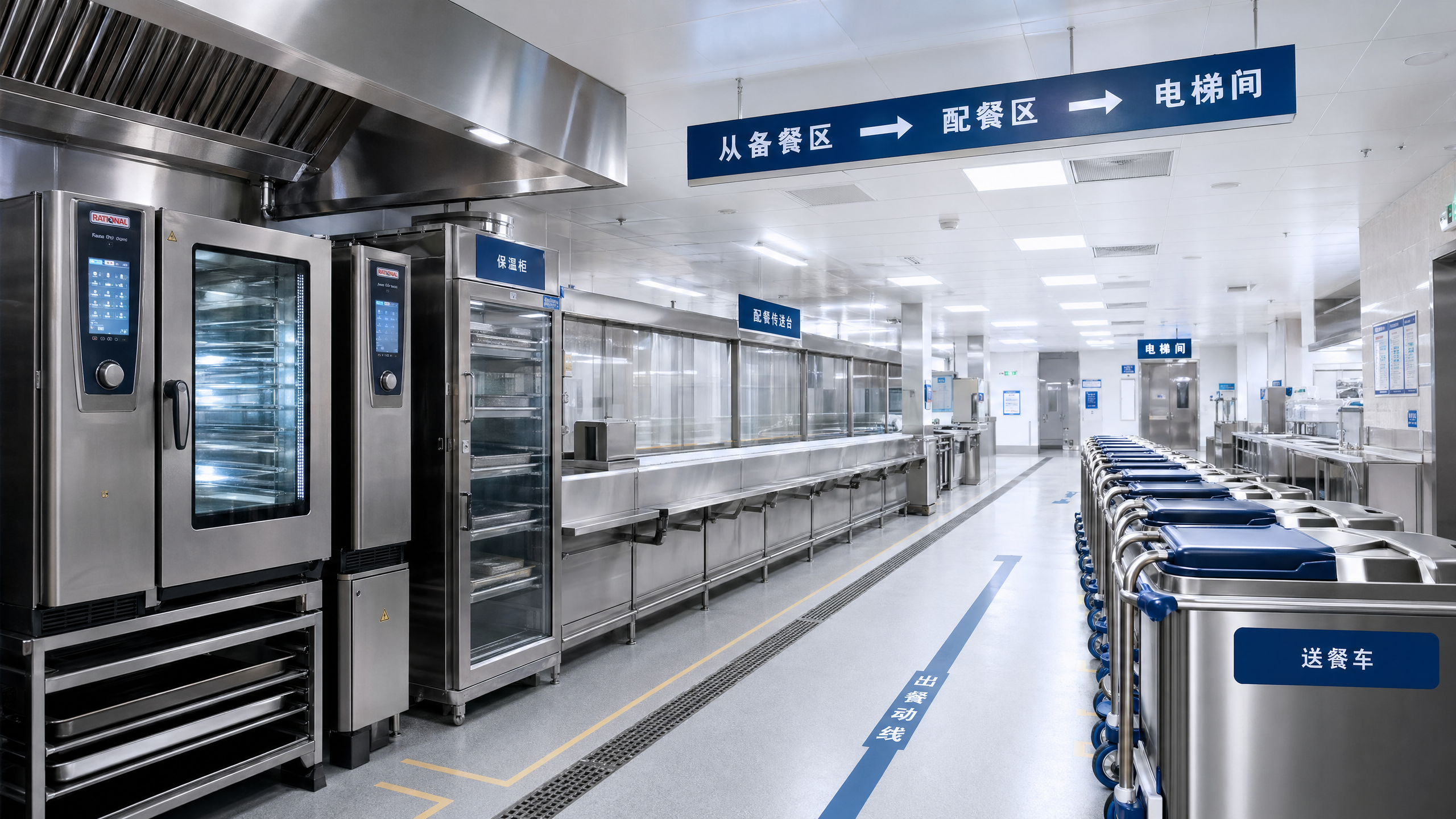
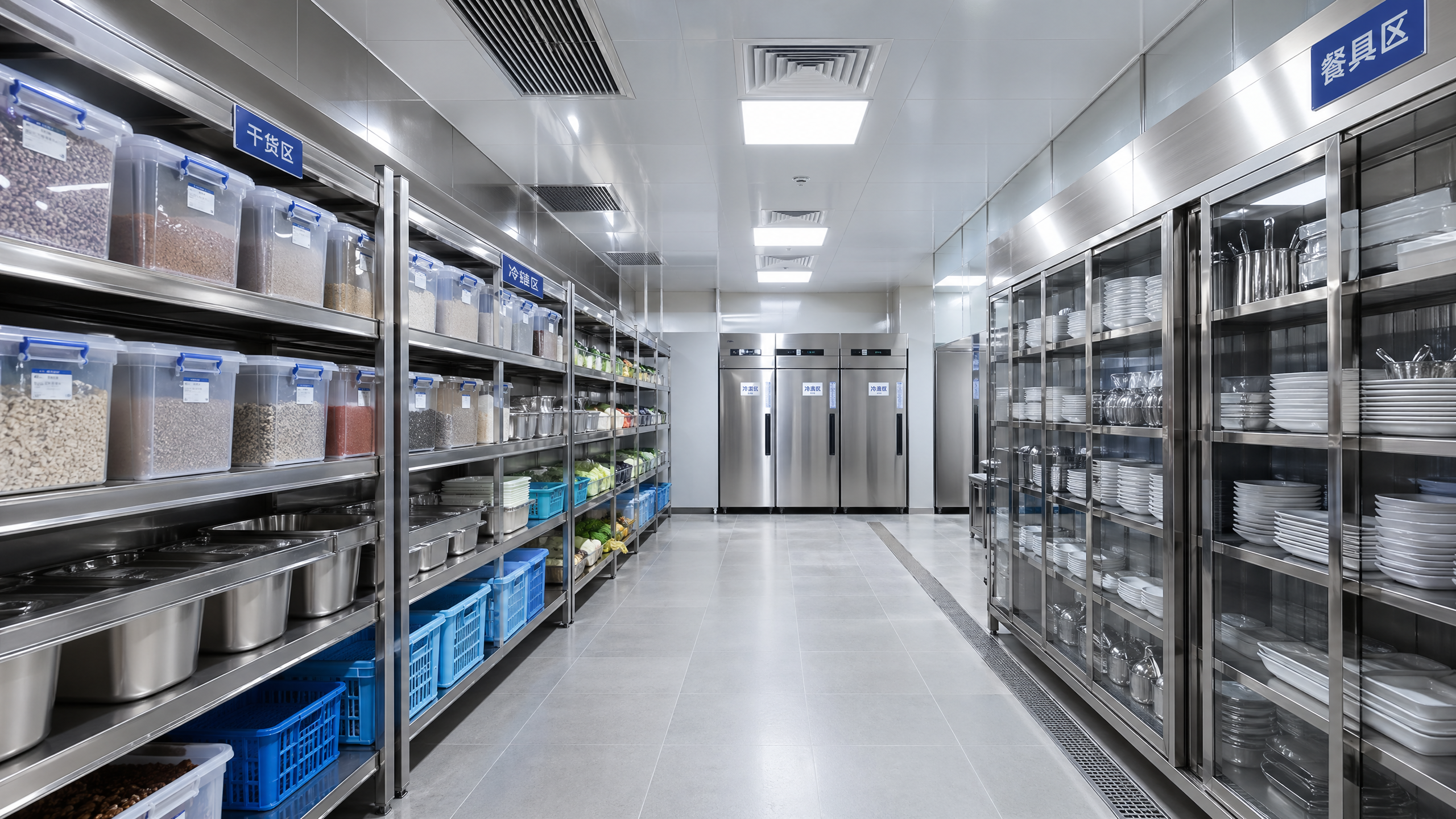
A good layout reduces unnecessary movement, separates clean and dirty zones, and supports a natural sequence from storage to prep, cooking, holding, service, and cleaning. This is essential in kitchen design for industrial kitchens, hospitals, and schools where consistency and hygiene are critical.
2. Temperature and process control
Intelligent cooking equipment, programmable ovens, refrigerated prep systems, and monitoring tools help maintain stable results. This is especially valuable when turnover is high or when menu consistency must be maintained across shifts or locations.
3. Energy control
Energy efficient kitchen design is no longer optional. Rising utility costs make it essential to choose equipment and layouts that reduce wasted heat, idle time, and ventilation load. Smart systems that optimize power use can lower operating expenses significantly over time.
4. Safety and sanitation control
Smart design supports separation of food zones, better air handling, easier cleaning access, and reduced manual error. In healthcare, school, and food processing environments, this directly affects compliance and public trust.
5. Maintenance and uptime control
Connected or monitored equipment becomes valuable when it helps teams detect faults early, schedule servicing, and avoid breakdowns during peak periods. This is where buying from an experienced restaurant supplies manufacturer can make a major difference.
Where smart kitchen design delivers the most value
Not every kitchen needs the same level of automation or digital integration. The best design depends on volume, menu complexity, labor conditions, hygiene requirements, and available space.
Industrial and central kitchens
These operations benefit most from system-level control. Batch consistency, process timing, energy optimization, and workflow standardization are usually more valuable than front-end gadget features.
Hospitals and care facilities
Kitchen design for hospitals must prioritize hygiene, temperature control, traceability, and dependable output. Smart design here should reduce contamination risk and support consistent meal delivery under strict compliance requirements.
Schools and institutional kitchens
Kitchen design for schools should focus on safety, speed, simple operation, and cost control. Equipment that is durable, easy to clean, and easy to train on usually creates more value than highly complex systems.
Cafes and restaurants
In kitchen design for cafes and restaurant operations, compact workflow, multi-function equipment, and speed of service matter most. Smart solutions should help small teams do more with less space and less energy.
Residential kitchens
In home use, the trend is similar but driven by convenience. Consumers increasingly prefer systems that improve storage, cooking precision, and energy savings over flashy standalone gadgets with limited daily value.
How to evaluate smart kitchen solutions before buying
If the goal is better control, then every purchase decision should be tested against operational reality. A simple evaluation framework can prevent expensive mistakes.
Ask whether the solution solves a real bottleneck.
If a device does not reduce labor, improve consistency, save energy, or strengthen safety, its value may be limited.
Check integration, not just features.
A smart appliance that does not fit the full kitchen process may add complexity rather than control. The best solutions work with the layout, staff routines, ventilation, cleaning process, and service model.
Calculate total cost of ownership.
Initial purchase price is only one part of the decision. Energy use, maintenance frequency, spare parts availability, training time, and downtime risk often matter more over the equipment lifecycle.
Consider operator usability.
Even advanced systems fail if staff cannot use them confidently. Interfaces should be clear, training should be manageable, and daily cleaning should not be difficult.
Review supplier capability.
A trusted restaurant supplies manufacturer should offer more than products. Buyers should look for design support, technical documentation, after-sales service, compliance understanding, and stable supply capacity.
Why custom kitchen design often beats off-the-shelf smart upgrades
Many businesses try to modernize by adding individual smart appliances to an outdated layout. This may improve one task, but it rarely fixes larger operational inefficiencies. In contrast, custom kitchen design starts with the full workflow and aligns equipment, space, utilities, and staffing around actual use.
Custom design is especially valuable when:
- Space is limited or irregular
- The kitchen serves high-volume or multi-shift operations
- Food safety requirements are strict
- Energy consumption is a major cost concern
- The business plans to scale or standardize processes
A tailored design can combine automated kitchen systems, food processing machinery, commercial kitchen equipment, and digital kitchen management tools in a way that supports measurable operational goals. That makes the kitchen smarter in the way that matters most: controllable, predictable, and efficient.
Common mistakes to avoid in smart kitchen projects
One common mistake is over-investing in visible technology while under-investing in layout, ventilation, cleaning access, and staff flow. If the base design is poor, digital features will not solve the core problem.
Another mistake is choosing equipment based only on brochure specifications. Buyers should verify whether the equipment suits actual production volume, utility conditions, maintenance resources, and operator skill level.
A third mistake is ignoring future flexibility. A kitchen may work for current demand, but if menu offerings, compliance standards, or service formats change, rigid systems can become expensive constraints.
Finally, businesses sometimes overlook supplier reliability. Delayed parts, weak technical support, or inconsistent product quality can quickly erase the expected benefits of a smart upgrade.
What the future of kitchen equipment design looks like
The future of kitchen equipment is not simply more connectivity. It is better coordination between equipment, data, energy systems, and human workflows. The most successful kitchens will combine intelligent cooking equipment, automated food processing systems, and practical digital management tools with strong physical design.
We can expect continued growth in:
- Energy efficient kitchen design
- Integrated monitoring and preventive maintenance
- Automated and semi-automated prep systems
- Compact high-performance equipment for urban spaces
- Custom kitchen design for specialized operational needs
For global buyers, this also means supplier selection will become more strategic. Manufacturers in major production markets such as China, Germany, Italy, and Japan will continue shaping the market, but buyers will increasingly compare not just product catalogs, but engineering support, system compatibility, and long-term service value.
Conclusion
Smart kitchen design is shifting from gadgets to control because businesses now need results, not just features. The most valuable kitchens are those that improve workflow, reduce waste, lower energy use, support food safety, and give operators and managers better control over daily performance.
For researchers, this shift explains where the market is heading. For operators, it means easier and safer work. For procurement teams, it means evaluating total value instead of headline features. For decision-makers, it means investing in kitchen systems that produce measurable operational returns.
In short, the smartest kitchen is not the one with the most technology. It is the one designed to perform reliably, efficiently, and sustainably in real-world conditions.
- commercial kitchen equipment
- smart kitchen
- industrial kitchen
- cooking equipment
- central kitchen
- kitchen design
- restaurant supplies
- kitchen solutions
- kitchen equipment
- energy efficient kitchen design
- smart kitchen design
- custom kitchen design
- kitchen design for cafes
- kitchen design for schools
- kitchen design for hospitals
- kitchen design for industrial kitchens
- restaurant supplies manufacturer
Popular Tags
Kitchen Industry Research Team
Dedicated to analyzing emerging trends and technological shifts in the global hospitality and foodservice infrastructure sector.
Industry Insights
Join 15,000+ industry professionals. Get the latest market trends and tech news delivered weekly.
No spam. Unsubscribe anytime.
Contact With us
Contact:
Anne Yin (Ceramics Dinnerware/Glassware)
Lucky Zhai(Flatware)