
Energy efficient kitchen design without slowing production
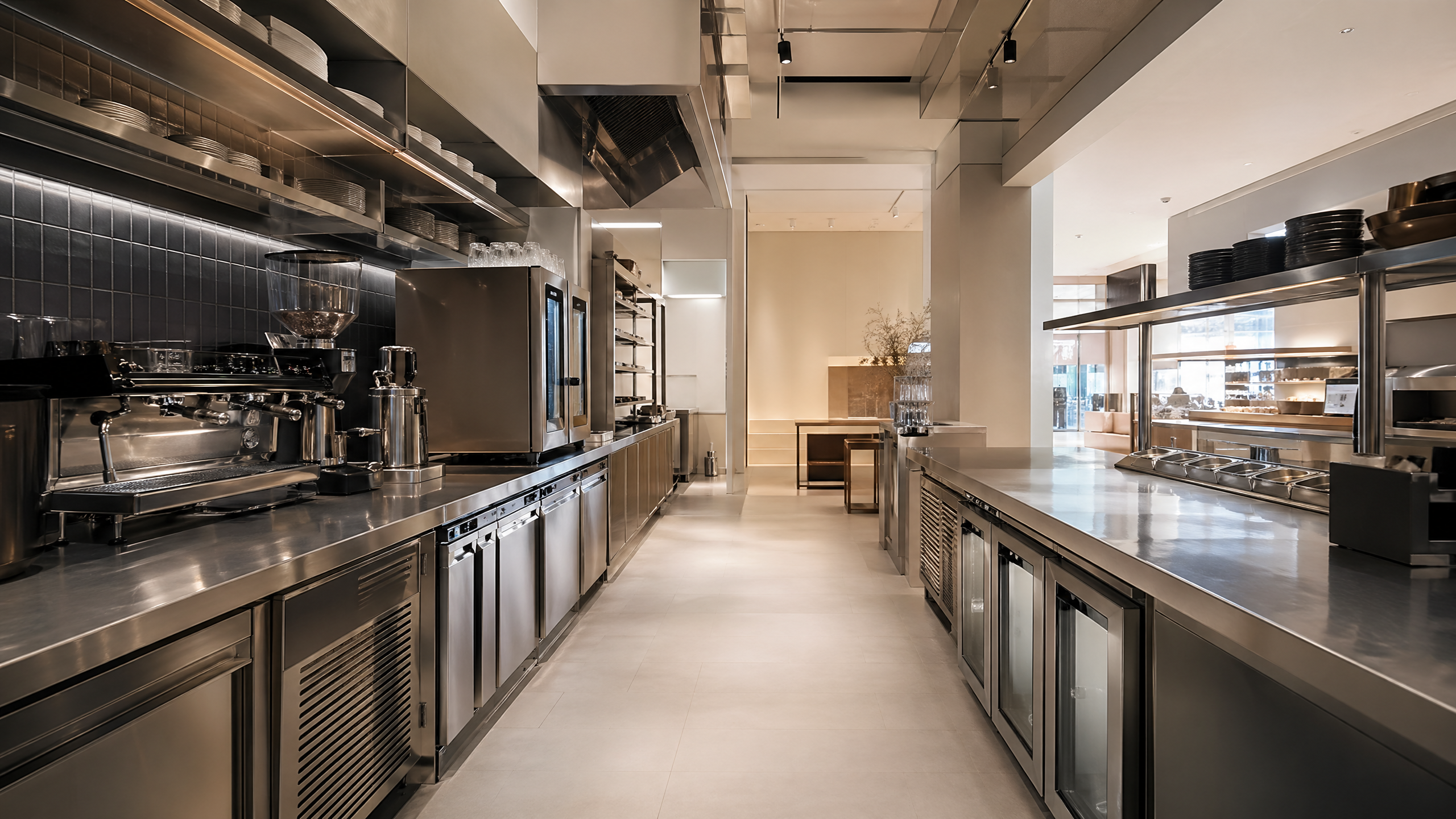
Energy efficient kitchen design is no longer just about lowering utility bills. For restaurants, hotels, hospitals, schools, bakeries, and food processing facilities, the real challenge is reducing energy use without creating bottlenecks that slow service, affect food quality, or limit daily output. The good news is that a well-planned kitchen can do both: cut waste and support faster, safer, more reliable production.
For operators, buyers, and decision-makers comparing commercial restaurant supplies, custom kitchen layouts, and restaurant supplies wholesale options, the key is to focus on how design choices affect workflow, equipment load, labor efficiency, maintenance, and long-term operating costs. The most successful projects do not simply add “efficient” appliances. They align kitchen design, production volume, staff movement, ventilation, and equipment selection into one practical system.
How do you make a kitchen more energy efficient without reducing output?
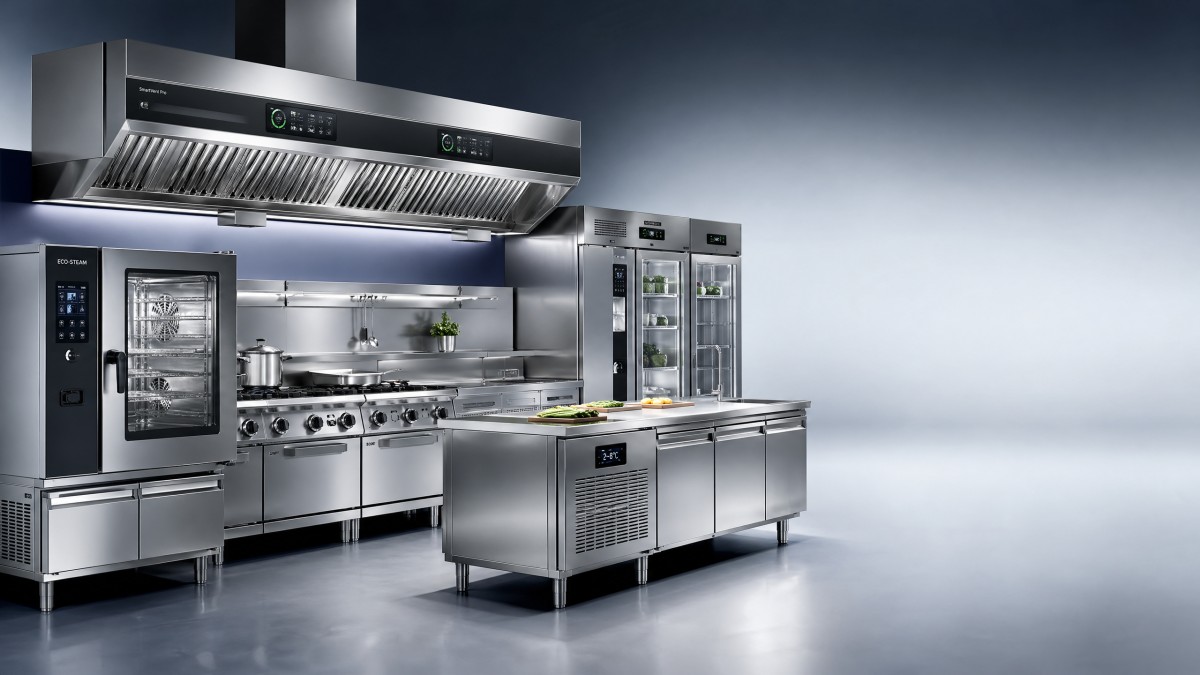
The short answer is this: improve workflow first, then match equipment and utilities to real production demand. Many kitchens waste energy not because they lack efficient machines, but because the layout forces unnecessary movement, long idle times, heat buildup, overventilation, and duplicated tasks.
In high-output environments such as industrial kitchens, hospital kitchens, central kitchens, and busy restaurants, energy efficiency should support production continuity. That means:
- Reducing walking, waiting, and cross-traffic between prep, cooking, holding, and cleaning zones
- Choosing equipment sized for actual peak and off-peak loads
- Using ventilation and extraction systems that respond to demand instead of running at full power all day
- Improving heat control so kitchens stay cooler and equipment works more efficiently
- Designing cleaning, storage, and service flows to prevent labor delays
In practice, a kitchen that produces more with less energy is usually one that has fewer workflow interruptions. If staff can work faster, equipment cycles are better organized, and heat is better managed, production does not need to slow down to save energy.
What matters most to buyers, operators, and decision-makers?
Different stakeholders care about different outcomes, but their concerns usually connect to the same design decisions.
Operators and kitchen users care about whether the kitchen is easy to work in. They want equipment that heats consistently, stations that are logically arranged, safe movement paths, and less physical strain during service.
Procurement teams focus on total value. They compare commercial kitchen equipment, stainless steel restaurant supplies, warranty terms, maintenance needs, replacement parts availability, and whether a supplier can support installation and after-sales service.
Business decision-makers want to know whether the investment will reduce utility costs, support production growth, lower downtime risk, and improve return on investment over time.
Information researchers often look for benchmarks and practical guidance: which kitchen design strategies actually reduce energy use, where savings usually come from, and how to avoid buying equipment that looks efficient on paper but creates operational constraints.
Across all groups, the top concerns are usually:
- Will efficiency upgrades disrupt production capacity?
- Which design changes deliver the fastest payback?
- How should equipment be selected for different kitchen types?
- What layout mistakes cause hidden energy waste?
- How can a kitchen remain flexible as demand changes?
Why kitchen layout usually has a bigger impact than equipment labels alone
Many buyers start with appliance specifications, but layout often determines whether efficient equipment can actually perform efficiently. A poorly arranged kitchen can make even advanced appliances waste power through delays, reheating, overproduction, and unnecessary ventilation demand.
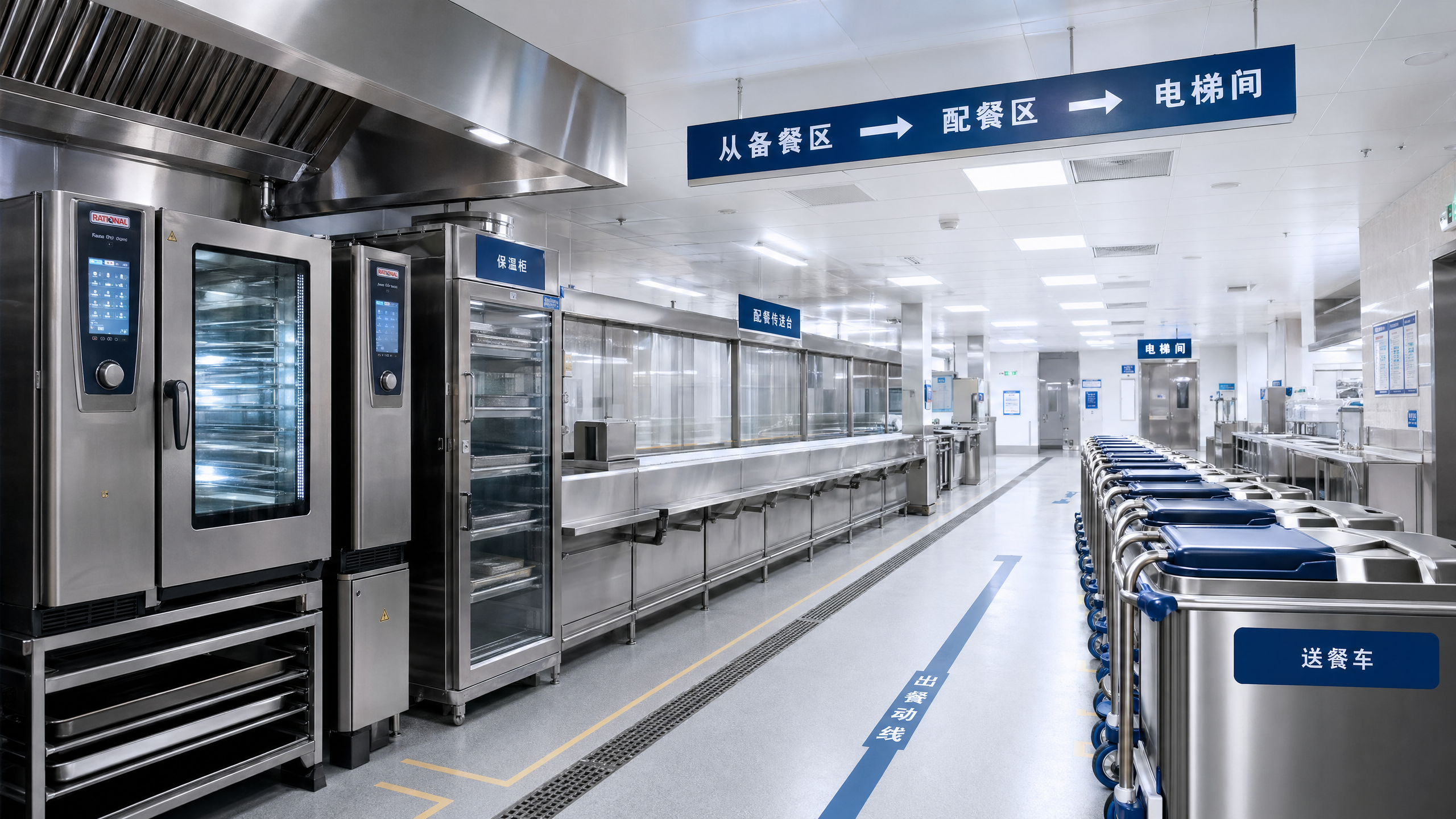
In kitchen design for industrial kitchens and institutional settings, the highest-value improvements often come from separating functions clearly:
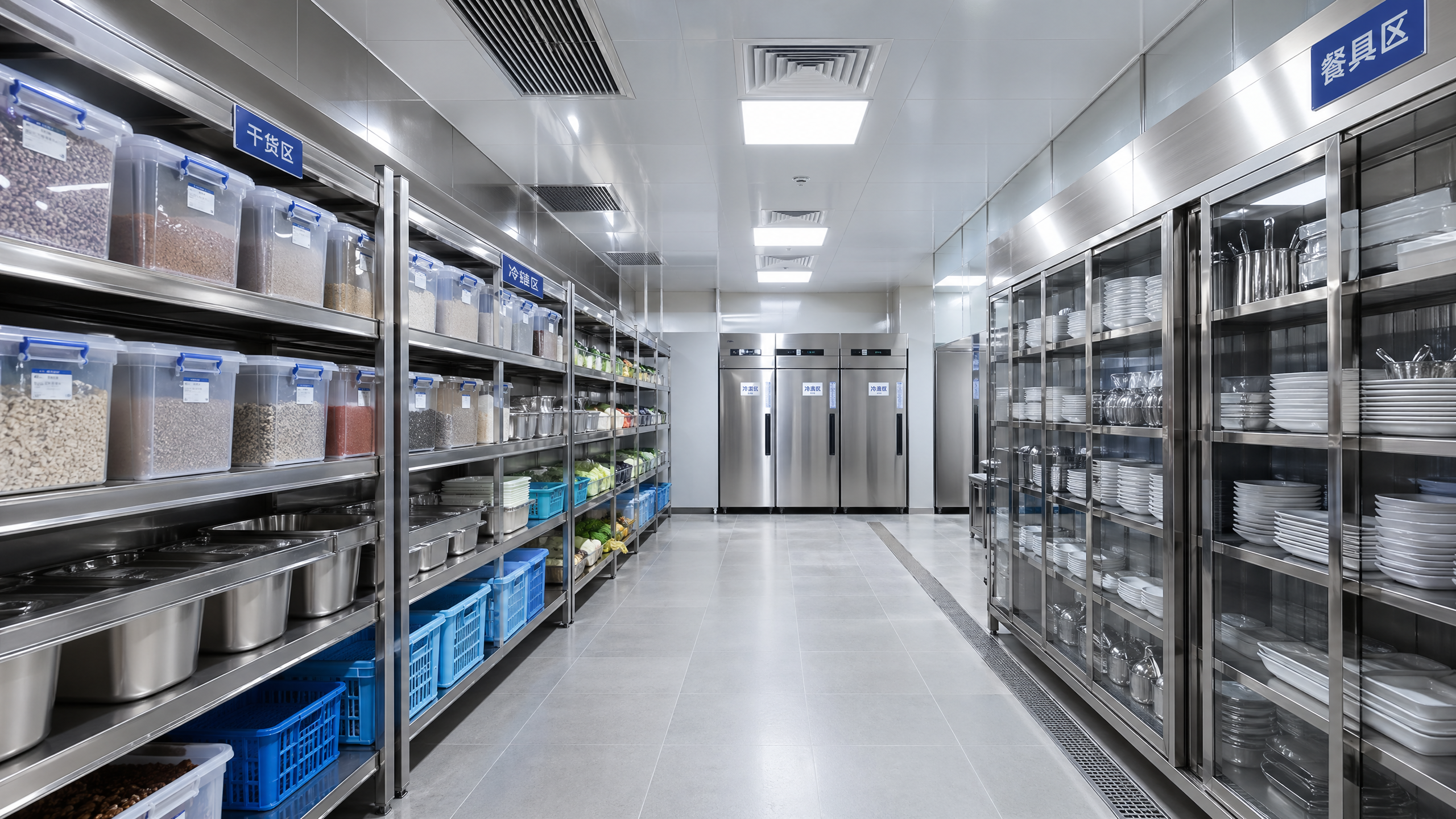
- Receiving and storage should minimize transport distance to prep areas
- Cold prep and hot prep should be positioned to reduce overlap and contamination risk
- Cooking lines should group high-heat equipment strategically for ventilation efficiency
- Holding and plating should be close to service or dispatch points
- Washing zones should avoid interfering with food movement and labor flow
In commercial kitchens, every extra step, every door opening, and every station conflict adds measurable cost over time. A better layout can reduce refrigeration loss, shorten cook-to-serve timing, and improve the useful operating window of equipment.
This is especially important in hospitals, schools, and central production kitchens, where meal schedules are strict and output consistency matters as much as energy savings.
Which energy efficient kitchen features deliver the most practical value?
Not every energy-saving feature has the same operational impact. The best investments are the ones that reduce energy consumption while also improving throughput, consistency, or labor efficiency.
Key features that often provide strong practical value include:
- High-efficiency cooking equipment, such as combi ovens, induction ranges, and insulated fryers, which provide better heat control and lower wasted energy
- Demand-controlled kitchen ventilation, which adjusts fan speed based on cooking activity instead of running at maximum power continuously
- Zoned refrigeration and cold storage design, which reduces unnecessary access and temperature fluctuation
- Heat recovery systems, where appropriate, to reuse waste heat from refrigeration or dishwashing systems
- Smart kitchen design controls, including monitoring systems for equipment runtime, energy use, and maintenance alerts
- LED task lighting and better daylight planning in suitable spaces
- Insulated holding and transport solutions that reduce reheating demand
For buyers sourcing restaurant supplies wholesale, it is important to separate true operational value from marketing claims. A cheaper unit may have a lower purchase price, but if it generates more heat, requires longer recovery time, or increases ventilation load, it may cost more over its service life.
How should energy efficient design differ by kitchen type?
There is no single model that works for every facility. The right solution depends on menu complexity, meal volume, production schedule, labor skill level, hygiene standards, and service format.
Restaurants and hotels usually need a balance between speed, flexibility, and guest-facing quality. Energy efficient kitchen design here often focuses on compact line design, high-performance ventilation, flexible cooking equipment, and reducing idle equipment runtime during non-peak periods.
Hospitals and schools prioritize consistency, sanitation, and scheduled volume production. In these environments, kitchen design should support batch cooking, safe holding, smooth tray assembly, and dependable cleaning workflows. Energy efficiency often comes from zoning, scheduling, and durable integrated systems.
Bakeries and cafes often face continuous heat generation and uneven daily demand. Smart kitchen design can help by improving oven placement, proofing area control, refrigeration access, and front-to-back workflow.
Industrial kitchens and food processing facilities typically benefit most from process integration, automation, utility optimization, and material flow planning. In these settings, energy efficiency is closely tied to production engineering, not just equipment replacement.
What procurement teams should evaluate before buying equipment or approving a redesign
Whether you are upgrading one line or planning a full kitchen buildout, procurement decisions should go beyond catalog comparisons. A practical evaluation should include:
- Production fit: Can the equipment handle actual peak demand without oversizing daily base load?
- Energy profile: How much energy does the system use during startup, idle time, active use, and cleaning?
- Space efficiency: Does the equipment improve workflow or create congestion?
- Ventilation impact: Will it increase extraction and cooling requirements?
- Maintenance and downtime risk: Are service access, spare parts, and technical support available?
- Durability: Are stainless steel restaurant supplies and workstations built for high-frequency use and sanitation compliance?
- Integration: Can the equipment work with digital monitoring, automated systems, or existing kitchen infrastructure?
For decision-makers, one of the most useful methods is to compare options based on total cost of ownership rather than purchase price alone. That includes installation, utility consumption, maintenance, labor effect, expected lifespan, and output reliability.
Common mistakes that increase energy use and slow production at the same time
Some of the most expensive kitchen design problems are not obvious during planning. They only appear later as labor inefficiency, inconsistent output, and rising utility bills.
Common mistakes include:
- Oversized cooking equipment that runs inefficiently during normal service
- Poor separation between hot and cold zones, increasing refrigeration load
- Long movement paths between prep, cook, and service areas
- Ventilation systems that are always on full power regardless of activity
- Insufficient storage near workstations, causing repeated trips and door openings
- Ignoring cleaning workflow, which creates end-of-shift delays and water waste
- Choosing low-cost equipment that produces excess ambient heat or requires longer recovery cycles
These issues matter because they hurt both efficiency and production speed. A kitchen that feels busy is not always a productive kitchen. Often, the problem is hidden friction in the design.
How to balance short-term cost with long-term operational value
For many businesses, the biggest hesitation is initial investment. Efficient systems, custom layouts, and smart controls may cost more upfront than basic alternatives. However, the right question is not “Which option is cheapest today?” but “Which option supports reliable production at the lowest long-term operating cost?”
A strong business case usually includes value from several areas:
- Lower electricity, gas, and ventilation costs
- Reduced heat stress and improved staff productivity
- Less equipment downtime and lower maintenance disruption
- Better output consistency and food quality control
- More usable capacity within the same footprint
- Improved compliance with sustainability and facility standards
For growing operations, scalability matters too. A kitchen that is efficient today but difficult to expand later may become a constraint. Flexible layouts, modular commercial kitchen equipment, and integrated utility planning can help future-proof the investment.
What a smart decision process looks like
If you are planning a new kitchen or evaluating an upgrade, the best process is structured and evidence-based. Start by understanding actual production patterns instead of designing around assumptions.
A practical decision process often includes:
- Measure current production volume, peak periods, and utility pain points
- Map workflow from receiving to service and cleaning
- Identify where delays, heat loss, idle runtime, and staff congestion occur
- Prioritize layout corrections before replacing everything
- Compare equipment options based on total cost of ownership and operational fit
- Review ventilation, refrigeration, and cleaning systems as part of one integrated design
- Choose suppliers that can support installation, training, and after-sales service
This approach helps both operators and decision-makers avoid fragmented purchasing. Energy efficient kitchen design works best when equipment, layout, labor flow, and control systems are treated as one production environment.
Conclusion
Energy efficient kitchen design does not have to mean slower production. In fact, the best-designed kitchens usually lower energy use by removing the same inefficiencies that slow teams down: poor layout, excessive heat, unnecessary movement, oversized equipment, and disconnected workflows.
For restaurants, hotels, hospitals, schools, bakeries, and industrial food operations, the most valuable strategy is to combine workflow-led planning with the right commercial kitchen equipment, durable stainless steel restaurant supplies, and smart control systems. Buyers and decision-makers who focus on total operating performance, not just upfront cost, are more likely to build kitchens that are efficient, productive, and ready for long-term growth.
If your goal is to cut energy costs without sacrificing output, the right answer is not simply to buy “efficient” equipment. It is to design a kitchen that works better as a complete system.
- commercial kitchen equipment
- smart kitchen
- industrial kitchen
- cooking equipment
- central kitchen
- kitchen design
- restaurant supplies
- kitchen equipment
- energy efficient kitchen design
- smart kitchen design
- kitchen design for industrial kitchens
- restaurant supplies wholesale
- commercial restaurant supplies
- stainless steel restaurant supplies
Popular Tags
Kitchen Industry Research Team
Dedicated to analyzing emerging trends and technological shifts in the global hospitality and foodservice infrastructure sector.
Industry Insights
Join 15,000+ industry professionals. Get the latest market trends and tech news delivered weekly.
No spam. Unsubscribe anytime.
Contact With us
Contact:
Anne Yin (Ceramics Dinnerware/Glassware)
Lucky Zhai(Flatware)