
How to Plan a Kitchen Shelving System That Lasts
Planning a kitchen shelving system that lasts starts with choosing durable Kitchen Shelf solutions that match your workflow, storage volume, and hygiene standards. Whether you manage catering kitchen equipment, restaurant kitchen supplies, or stainless steel kitchen equipment for a busy commercial space, the right layout improves efficiency, safety, and long-term value. This guide explains how to design shelving that supports daily operations and future growth.
Why a long-lasting kitchen shelving system matters from day one
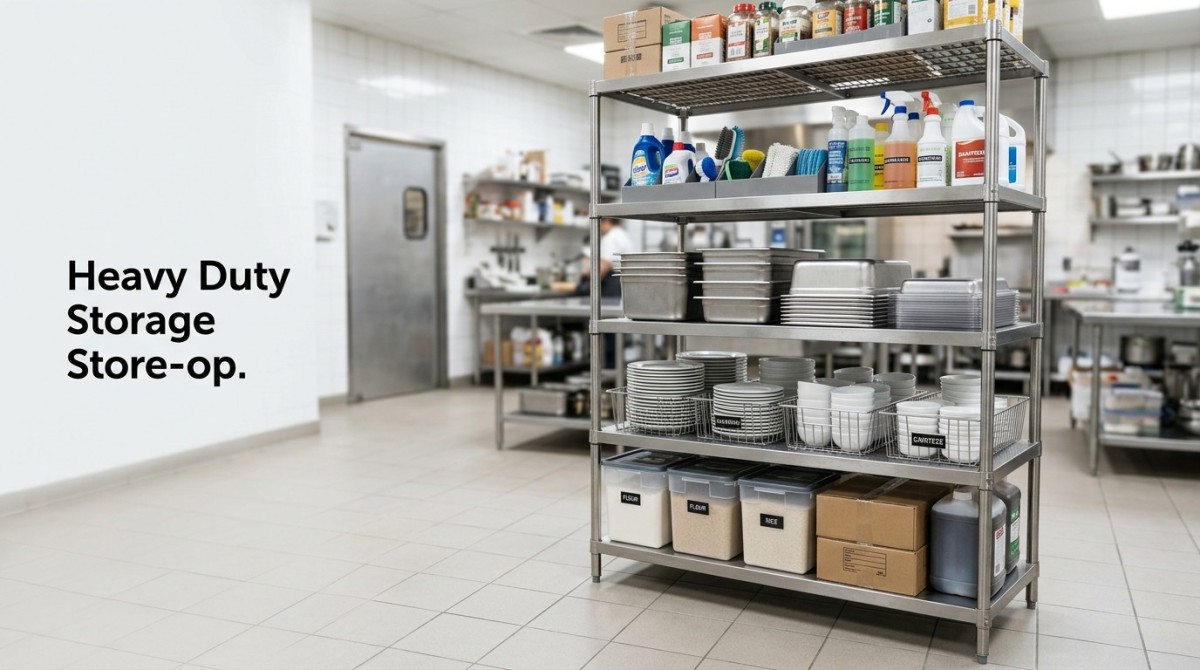
A kitchen shelving system is not only a storage fixture. In commercial and semi-commercial environments, it directly affects movement flow, food safety, inventory visibility, cleaning speed, and replacement cost over a period of 3–10 years. When shelving is poorly planned, operators lose time reaching for supplies, buyers face repeated maintenance, and decision-makers absorb unnecessary downtime and renovation expense.
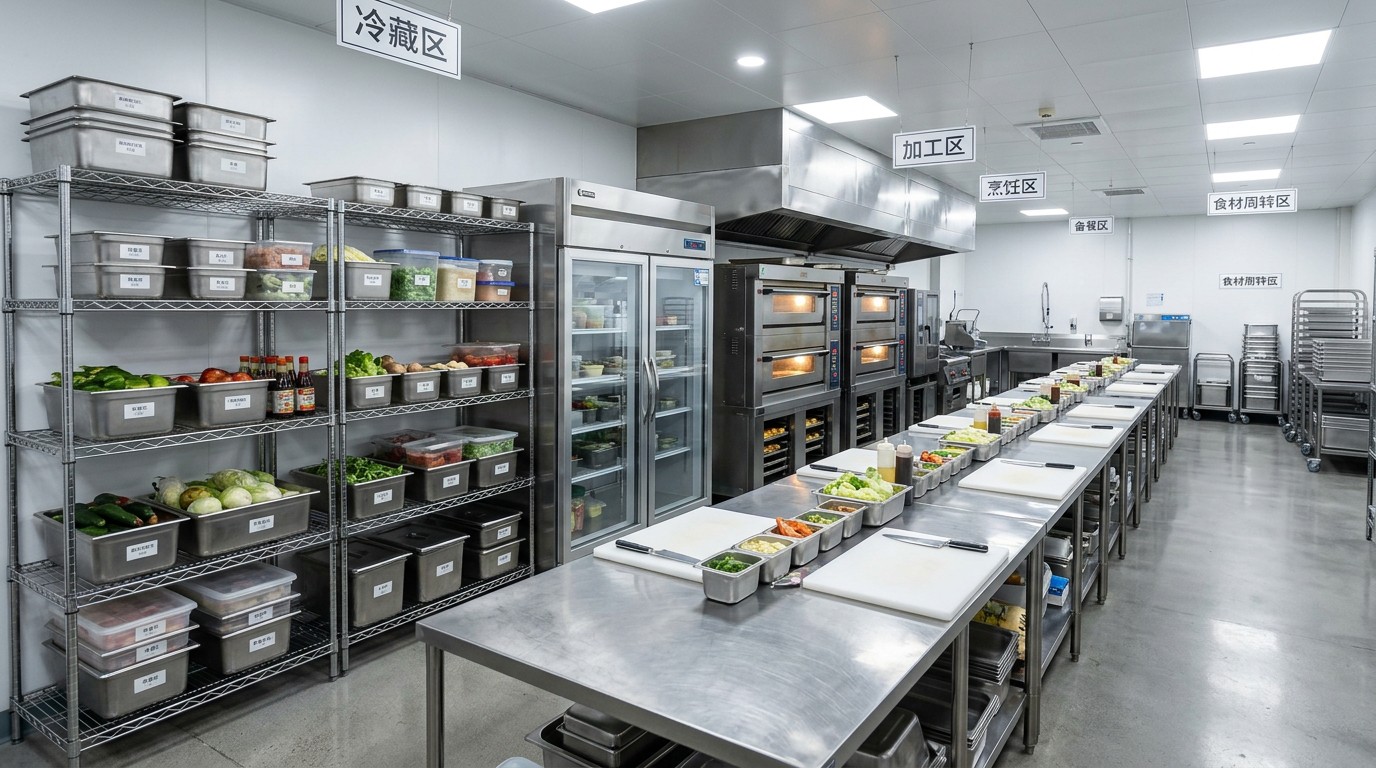
In the kitchen equipment industry, storage design now sits closer to system planning than simple furniture purchasing. Restaurants, hotels, central kitchens, food processing rooms, and institutional catering sites increasingly need Kitchen Shelf layouts that work alongside commercial kitchen equipment, cold storage zones, preparation tables, and digital stock control routines. This is especially important where hygiene inspections, batch rotation, and high turnover are part of everyday operations.
A durable shelving plan usually begins with 3 core questions: what will be stored, how often will it be accessed, and what environment will it face each day? Dry storage, dish return, packaging stock, small appliance holding, and ingredient staging all create different load patterns. A shelf used 20–50 times per shift should not be specified the same way as a reserve rack touched once per week.
For procurement teams, the goal is to avoid buying on appearance alone. Stainless steel kitchen equipment often looks similar at first glance, yet service life can vary significantly depending on gauge, weld quality, corrosion resistance, joint design, and whether the system allows modular expansion. A shelving layout that supports the current menu but cannot adapt within 12–24 months often becomes a hidden cost rather than a long-term asset.
What functions should the system support?
- Fast access to high-frequency items such as pans, prep containers, spice bins, cleaning tools, or serviceware without crossing hot or wet zones.
- Safe separation of raw materials, packaged goods, chemicals, and ready-to-serve items in line with common hygiene practice.
- Weight-bearing stability for bulk storage, with clear organization for light, medium, and heavy loads.
- Cleaning access under, behind, and between shelf levels to reduce dust, grease, moisture buildup, and pest risk.
If these functions are defined before purchasing, the final Kitchen Shelf system is more likely to support long-term operations, not just initial installation. That is particularly relevant for foodservice businesses expanding into automation, digital workflow control, and integrated kitchen systems.
How to assess your space, load, and workflow before choosing a Kitchen Shelf
Before comparing materials or prices, map the operating reality of the room. A practical review normally covers 4 zones: receiving, storage, preparation, and dispatch or service. In compact kitchens, one rack may support multiple tasks, but that does not mean one specification fits all. Heat, humidity, cleaning chemicals, and movement intensity each influence the best shelf design.
Measure the room with working clearance in mind, not empty-floor dimensions alone. A typical review should include shelf depth, aisle width, door swing, drain position, and access around cooking lines or refrigeration. In busy operations, aisles often need enough room for one-way or two-way movement, especially when staff carry ingredient bins or wheeled containers several times per hour.
Load planning is equally important. Light-duty shelving for packaged disposables differs from racks holding rice sacks, canned goods, mixers, or stacked gastronorm pans. Buyers should request practical load information per shelf tier and per full unit, then compare it with actual storage density. Overloading one section while leaving another underused is one of the most common reasons systems warp or loosen within the first 6–18 months.
Workflow mapping also reduces contamination and handling errors. For example, cleaning chemicals should remain separate from ingredients, and high-use utensils should sit closer to prep or pass areas than long-term dry stock. Good planning can cut repeated walking distances, speed replenishment, and simplify stock rotation during rush periods.
A practical planning checklist for operators and buyers
- List what will be stored by category: dry goods, small appliances, utensils, cleaning items, packaging, or prepared components.
- Classify each category by access frequency: hourly, daily, weekly, or reserve stock.
- Estimate load bands for each shelf level, such as light, medium, or heavy use, before requesting a quotation.
- Identify environmental exposure: dry area, humid wash-up area, chilled room, or hot line proximity.
- Confirm whether the layout may need expansion in the next 1–2 years due to menu growth or increased output.
The table below helps teams connect use conditions with suitable shelving decisions. It is especially useful when comparing restaurant kitchen supplies, catering kitchen equipment storage, and stainless steel kitchen equipment requirements in one project.
This comparison shows why the same Kitchen Shelf specification should not be copied across every room. By matching storage conditions to actual use, buyers improve service life, while operators gain a safer and more efficient layout.
Which material and structure will last longer in commercial kitchens?
Material choice affects durability, hygiene, cleaning effort, and total ownership cost. In many professional environments, stainless steel kitchen equipment remains the preferred option because it balances strength, corrosion resistance, and cleanability. However, even within stainless solutions, performance depends on thickness, finish, fabrication quality, and how the shelf is connected or braced.
Open-wire shelves can improve airflow and visibility, which is useful in dry stores or cold rooms. Solid shelves can better support small items and reduce the risk of tipping containers, but they may collect water or dust faster if placed in wet or greasy areas without proper cleaning routines. For this reason, material decisions should follow environment and product type rather than a single design preference.
Structure matters as much as material. Adjustable shelves support changing inventory patterns over 6–12 month periods. Reinforced corner posts and stable leveling feet help on uneven floors. In high-use kitchens, weld quality, load distribution, and ease of assembly or reconfiguration often decide whether a unit remains reliable after repeated cleaning, shifting, and restocking.
For buyers comparing quotes, the lowest price may omit key details such as shelf edge treatment, anti-rust finishing on non-visible parts, replacement part availability, or whether the unit can integrate with modular catering kitchen equipment lines. These omissions usually surface later as maintenance or hygiene problems.
Material and structure comparison for purchasing decisions
Use the following table to compare common shelving directions by maintenance demand, environmental fit, and upgrade flexibility. It supports more informed purchasing across restaurant kitchen supplies and larger integrated kitchen projects.
A durable result often combines more than one type. For example, a project may use fixed stainless steel solid shelves in dry storage, wire shelves in chilled rooms, and mobile staging racks near production zones. That mixed approach often performs better than applying one format across all 4 functional areas.
Details that are often overlooked
- Shelf adjustment increments should align with actual container heights, otherwise usable volume is wasted.
- Foot design matters in wet areas where frequent washdown can affect stability or sanitation access.
- Edges should be smooth and practical to clean, especially in kitchens with daily wipe-down and weekly deep-clean routines.
- If future expansion is likely, select a modular line with compatible add-on units rather than isolated single racks.
How to plan for hygiene, compliance, and maintenance without overspending
A long-lasting kitchen shelving system must support sanitation as much as storage. In foodservice and food processing environments, shelves should allow regular cleaning, visible inspection, and practical separation of food and non-food items. In many operations, cleaning is performed daily, while deeper maintenance or disassembly checks happen weekly or monthly depending on use intensity and local procedures.
Common compliance expectations vary by market and facility type, but buyers typically review food-contact suitability where relevant, corrosion resistance, ease of cleaning, and compatibility with internal hygiene plans. In professional kitchens, shelving should also help maintain product rotation, support traceable storage logic, and reduce the chance of cross-contamination between raw, cooked, allergen-sensitive, and chemical items.
The most cost-effective decision is not always the cheapest initial quote. Lower-cost units can create hidden expenses through shorter service intervals, faster rusting in humid zones, or more labor-intensive cleaning. When evaluating cost, consider a 12–36 month operating period and compare maintenance frequency, replacement part availability, and expected cleaning time per unit.
For enterprise decision-makers, this matters because shelving affects more than storage. It influences audit readiness, staff compliance, and operational continuity. Well-chosen restaurant kitchen supplies and shelf systems can simplify standard operating procedures and reduce unplanned replacement cycles.
Key checks before approval
- Confirm whether the surface and structure are suitable for your cleaning chemicals and washdown frequency.
- Check that bottom shelf clearance supports floor cleaning and inspection in routine hygiene rounds.
- Verify that shelf spacing can accommodate your most common containers without blocking airflow or hand access.
- Ask whether replacement components, extra tiers, or compatible accessories can be supplied within normal lead times of 7–15 days or 2–4 weeks, depending on project complexity.
A maintenance-focused review also helps compare cost alternatives more clearly. The following table gives a practical decision model for buyers balancing budget, hygiene demands, and operational lifespan.
This type of comparison is useful when budgets are limited but service expectations are high. It helps procurement teams explain why a slightly higher initial investment may reduce labor, replacement, and compliance risk over time.
Implementation steps, common mistakes, and FAQ for buyers and operators
Even the right Kitchen Shelf product can fail if implementation is rushed. A reliable project usually follows 4 steps: site review, storage mapping, specification confirmation, and installation check. For larger kitchens or multi-room facilities, an additional verification phase is useful after the first 30 days of operation to confirm aisle flow, shelf loading, and cleaning practicality.
One frequent mistake is choosing shelf dimensions before reviewing actual container sizes and staff reach patterns. Another is ignoring future output changes. A kitchen serving one format today may shift toward batch prep, delivery packaging, or semi-automated production within a year. Shelving that cannot be reconfigured often forces unnecessary replacement instead of simple adaptation.
Operators also benefit from basic labeling and zone discipline. High-turn items should stay between easy-reach levels, heavier goods should remain on lower tiers, and reserve stock should not block daily-use tools. These simple layout rules improve safety and help preserve shelf condition by preventing concentrated overload or unstable stacking.
For procurement and management teams, documenting 5 key approval points can prevent costly errors: load requirement, material suitability, cleaning method, lead time, and expansion compatibility. This creates a clearer basis for comparing suppliers and solutions.
FAQ: what buyers and users ask most often
How do I choose between fixed and modular Kitchen Shelf systems?
Choose fixed systems when the room layout is stable, inventory types rarely change, and budget control is the main priority. Choose modular systems when the kitchen may expand, change menu structure, or add equipment within 12–24 months. Modular options usually cost more at the start but reduce future layout disruption.
What areas benefit most from stainless steel kitchen equipment shelving?
Stainless steel shelving is especially practical in prep rooms, wash areas, mixed humidity environments, and projects that require stronger hygiene control. It is also a good fit where restaurant kitchen supplies and catering kitchen equipment operate under frequent cleaning cycles or where long replacement intervals are preferred.
What should procurement teams check before asking for a quotation?
Prepare 6 items in advance: room measurements, storage categories, estimated load per shelf, cleaning conditions, required delivery window, and any compliance or documentation needs. This information shortens the selection cycle and improves quotation accuracy, especially for custom or semi-custom projects.
How long is a normal delivery and installation cycle?
For standard shelving, common lead times may range from 7–15 days, while customized configurations or multi-zone orders often require 2–4 weeks. Installation time depends on quantity, site access, and whether existing commercial kitchen equipment must remain in operation during fitting.
Why choose us for kitchen shelving planning and sourcing support
We support buyers, operators, and project decision-makers with practical guidance based on real kitchen equipment applications rather than generic shelf recommendations. Our approach connects Kitchen Shelf planning with workflow, hygiene needs, material suitability, and future expansion, helping you avoid mismatched purchases and repeated replacement costs.
You can contact us to discuss shelf dimensions, load expectations, stainless steel kitchen equipment matching, delivery timelines, modular configuration options, and documentation requirements for your market. If you are comparing restaurant kitchen supplies for a new site or upgrading catering kitchen equipment storage in an existing facility, we can help clarify suitable specifications before quotation.
We can also support project discussions around sample evaluation, layout suggestions, cleaning-focused design choices, and coordination with broader commercial kitchen equipment plans. Sharing your room layout, target use area, and expected storage categories is often enough to start a more accurate recommendation process.
If you want a kitchen shelving system that lasts, start with the right questions, not just the lowest price. Reach out to confirm parameters, compare options, review delivery timing, and build a storage solution that supports efficient operation today and scalable growth tomorrow.
Popular Tags
Kitchen Industry Research Team
Dedicated to analyzing emerging trends and technological shifts in the global hospitality and foodservice infrastructure sector.
Industry Insights
Join 15,000+ industry professionals. Get the latest market trends and tech news delivered weekly.
No spam. Unsubscribe anytime.
Contact With us
Contact:
Anne Yin (Ceramics Dinnerware/Glassware)
Lucky Zhai(Flatware)