
Industrial Kitchen Equipment Investment Signals for 2026
As 2026 approaches, industrial kitchen equipment is drawing stronger investor attention as foodservice businesses upgrade for efficiency, safety, and automation. From stainless steel kitchen equipment and commercial refrigerator systems to commercial convection oven solutions and central kitchen equipment, the market is signaling steady growth. For buyers, operators, and decision-makers, understanding these investment signals can reveal where future demand, innovation, and competitive advantage are heading.
The core question behind this topic is practical: where is demand really moving, and which equipment categories are most likely to deliver operational and financial value in 2026? For procurement teams, operators, and business leaders, the answer is increasingly clear. Investment is flowing toward equipment that reduces labor pressure, improves food safety, cuts energy costs, supports centralized production, and connects with digital management systems. In other words, the strongest signals are not about buying more equipment, but about buying better-performing systems with measurable returns.
What are the clearest investment signals for industrial kitchen equipment in 2026?
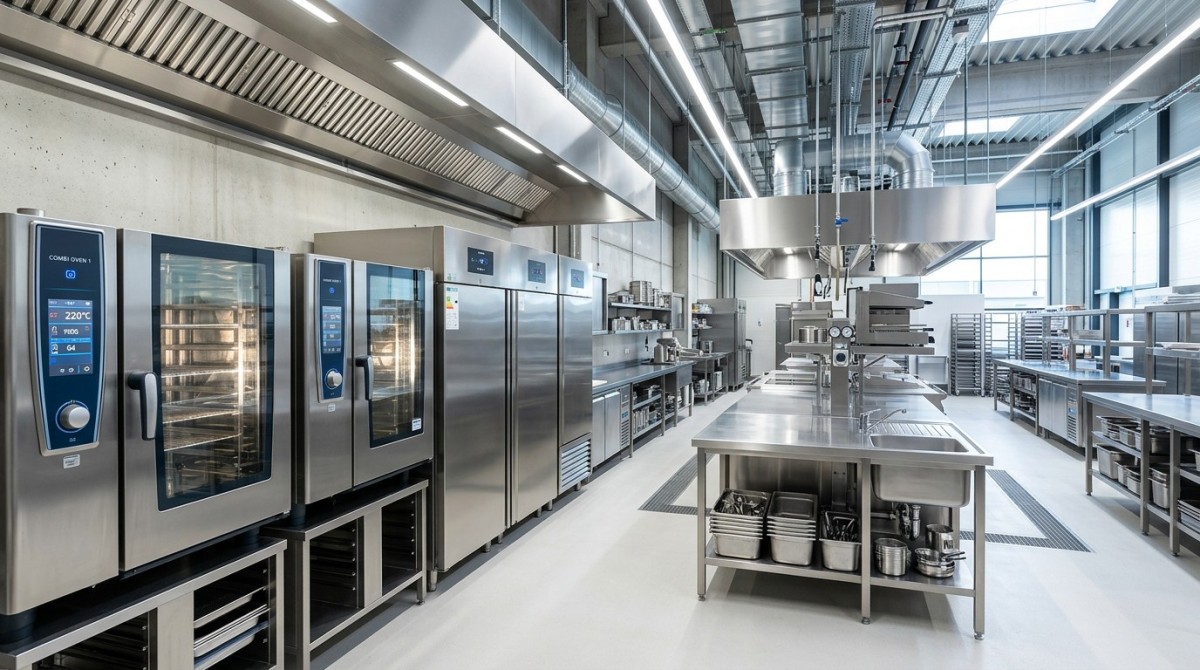
Several market signals suggest that 2026 will favor industrial kitchen equipment suppliers and buyers focused on efficiency, compliance, and smart operations.
First, labor shortages remain a long-term pressure across restaurants, hotels, catering groups, and food processing businesses. This is increasing interest in automated food processing systems, programmable cooking equipment, and central kitchen equipment that simplify repetitive tasks and reduce dependence on highly skilled labor.
Second, energy prices and sustainability targets are pushing buyers toward energy-efficient kitchen solutions. Commercial refrigerator systems, induction cooking equipment, heat-recovery systems, and high-efficiency commercial convection oven platforms are getting more attention because they help lower operating costs over time.
Third, food safety regulations are becoming stricter in many markets. This is driving investment in equipment with better temperature control, easier cleaning, hygienic stainless steel surfaces, and integrated monitoring functions. Stainless steel kitchen equipment continues to perform well because it aligns with durability, sanitation, and compliance needs.
Fourth, the expansion of chain foodservice brands, cloud kitchens, and central production models is increasing demand for scalable, standardized systems. Buyers are not only looking for individual machines, but for integrated kitchen systems that improve consistency across locations.
Finally, digitalization is becoming a stronger buying factor. Equipment that can connect to kitchen management software, maintenance alerts, production monitoring, or energy tracking platforms is likely to attract more investment than stand-alone units with no data capability.
Which equipment categories are likely to attract the most attention?
Not all product segments will benefit equally. The strongest opportunities are concentrated in categories that solve urgent cost and workflow problems.
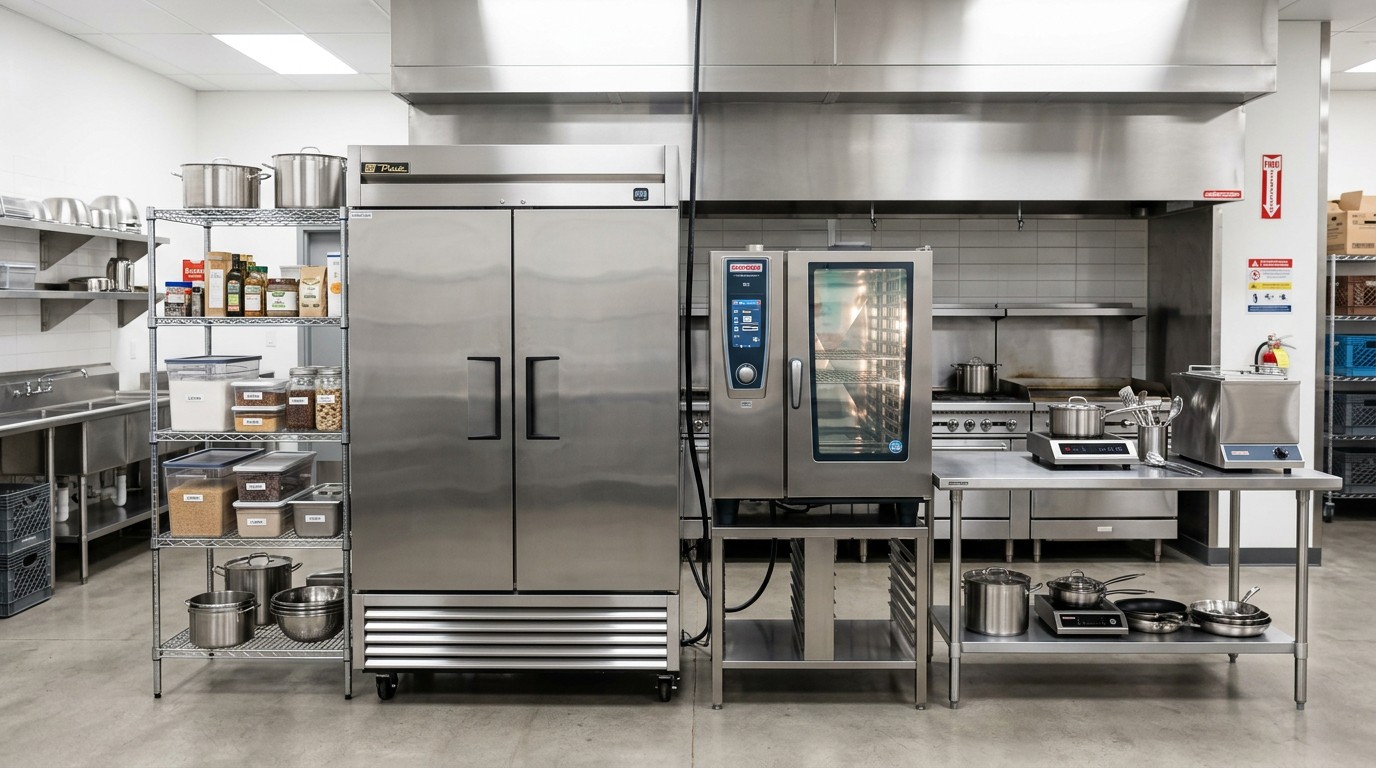
Commercial refrigeration systems remain a high-priority area because temperature control affects food safety, inventory preservation, and energy consumption at the same time. Buyers increasingly prefer models with better insulation, intelligent sensors, remote monitoring, and lower total energy use.
Commercial cooking equipment, especially commercial convection oven systems, combi ovens, and programmable cooking units, is also well positioned. These products help operators improve consistency, reduce cooking errors, and handle higher throughput with less manual intervention.
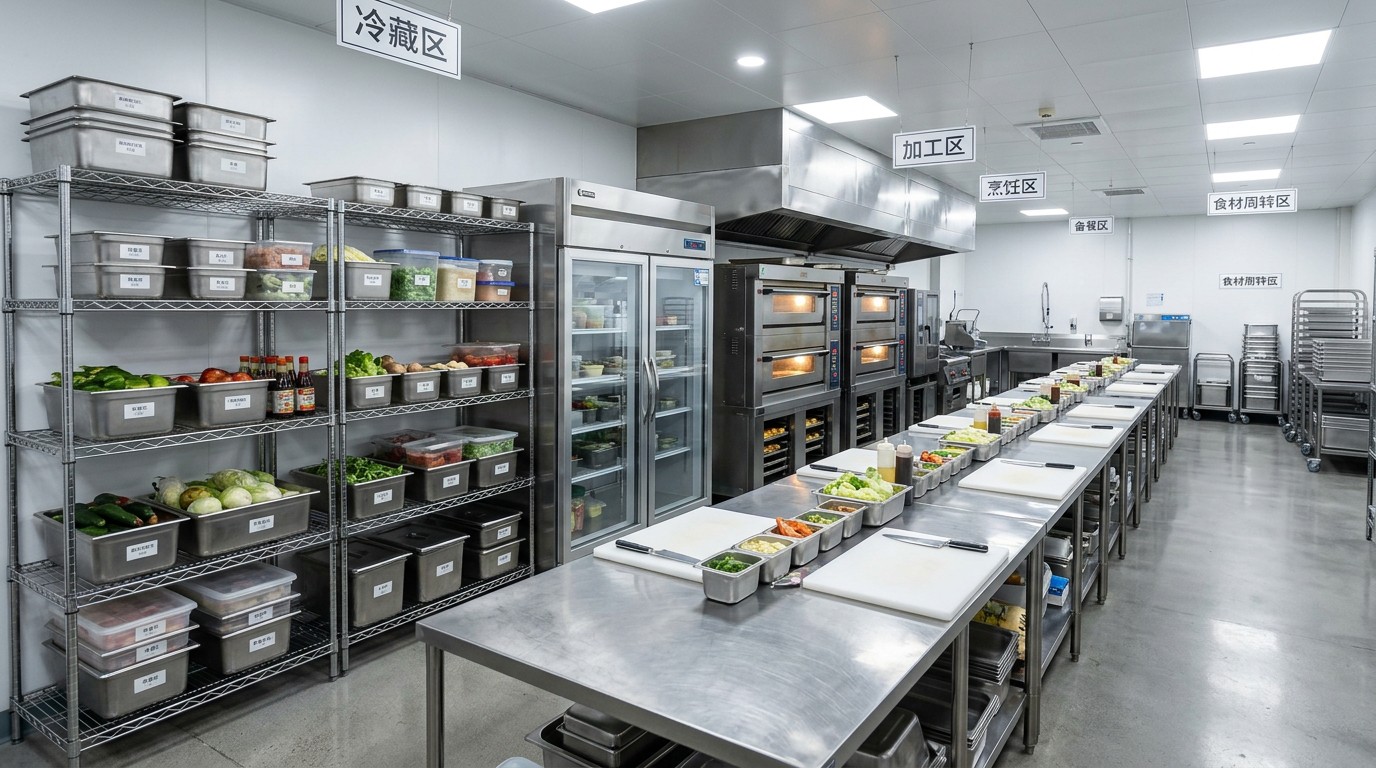
Central kitchen equipment is another major area to watch. As foodservice groups seek scale and standardization, central kitchens help consolidate labor, improve portion control, and maintain uniform product quality across multiple outlets. This makes associated equipment attractive not only for operators but also for investors studying long-term business models.
Food processing machinery for washing, cutting, mixing, forming, packaging, and portioning is likely to gain traction as more companies build semi-automated or fully automated production lines.
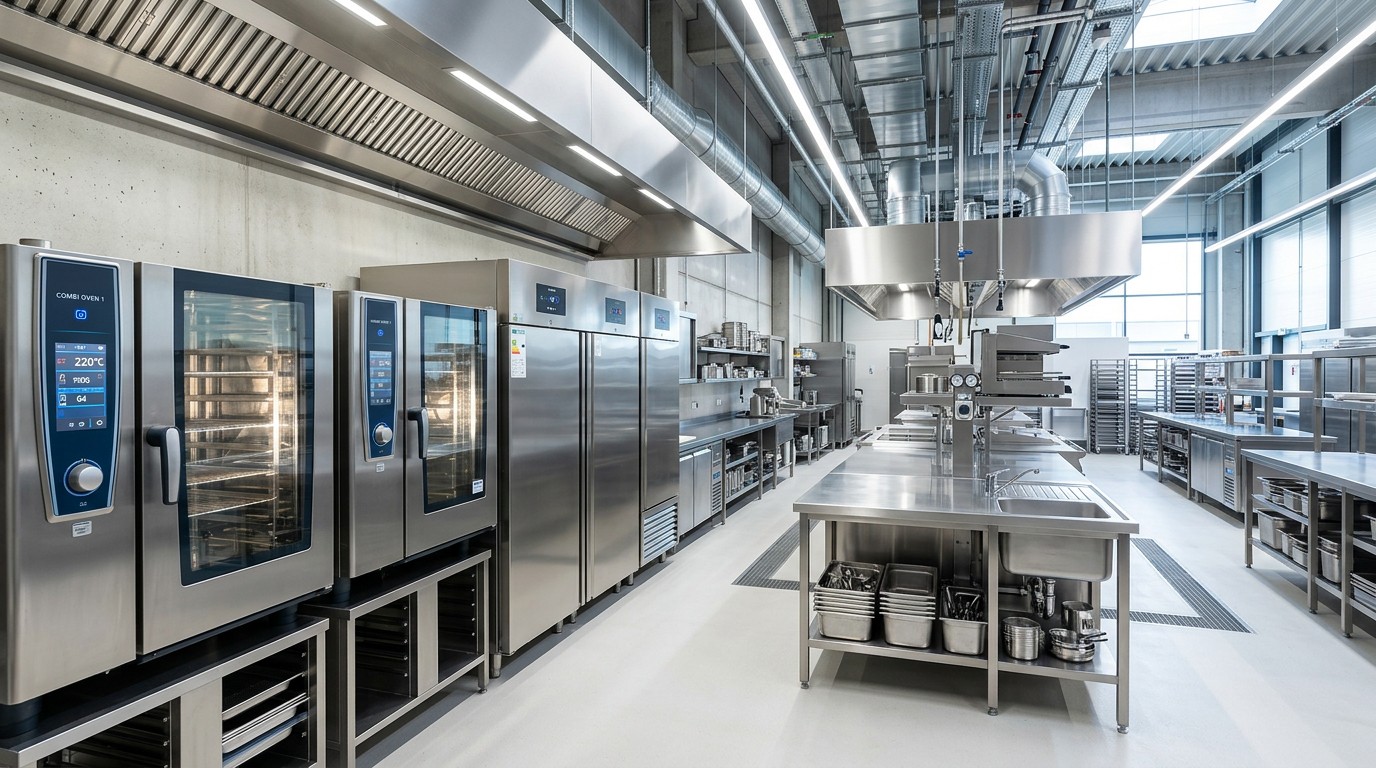
Stainless steel kitchen equipment continues to be a stable and strategic segment. Worktables, sinks, storage systems, shelving, preparation stations, and custom fabrication products may appear less innovative than smart equipment, but they remain essential to hygiene, layout efficiency, and long service life.
Why are buyers and decision-makers changing the way they evaluate kitchen equipment?
In the past, many purchasing decisions were based heavily on upfront price. That approach is becoming less effective. Today, buyers are more focused on total lifecycle value.
For enterprise decision-makers, the key shift is from capital cost alone to total cost of ownership. A lower-priced machine may cost more over five years if it consumes more electricity, requires frequent maintenance, creates downtime, or limits production flexibility.
For procurement teams, supplier reliability is becoming nearly as important as product specifications. Delivery lead times, spare parts availability, training support, warranty terms, and service response now play a larger role in vendor selection.
For operators and kitchen managers, ease of use matters more than ever. Equipment that is difficult to clean, hard to program, or prone to operator error can reduce the practical value of an otherwise advanced system.
This means the 2026 market is likely to reward manufacturers and suppliers that can show business results, not just technical features. Buyers want proof of energy savings, throughput improvements, cleaning efficiency, compliance support, and labor reduction.
What questions should procurement teams ask before investing?
To make sound decisions, procurement and management teams should evaluate industrial kitchen equipment through a business-case lens. The most useful questions include:
- What operating problem does this equipment solve today?
- Will it reduce labor hours, waste, energy consumption, or downtime?
- Is it suitable for current production volume and future expansion?
- How easy is it to clean, maintain, and train staff on?
- Does it support food safety compliance and audit requirements?
- What is the expected payback period?
- Can the supplier provide installation, service, and spare parts support in our market?
- Will this equipment integrate with digital kitchen management or centralized operations?
These questions help buyers avoid a common mistake: purchasing equipment based on catalog features without validating operational fit. In 2026, fit-for-purpose buying will matter more than broad feature comparison.
How should operators and users interpret these investment signals in daily work?
For users and frontline operators, investment signals are not just financial trends. They often indicate how kitchens will actually function in the near future.
If more businesses invest in smart kitchen technologies and automated systems, daily workflows will increasingly involve programmable processes, digital controls, preventive maintenance alerts, and stricter standard operating procedures. Staff will need to work with equipment that is more connected, more data-driven, and more standardized.
This creates several practical implications:
- Training becomes a strategic requirement, not an optional add-on.
- Equipment usability should be considered before purchase.
- Cleaning and sanitation workflows must match the machine design.
- Operators should provide feedback during equipment selection because real-world usability affects productivity.
In many cases, the best investment is not the most advanced machine, but the one that staff can use correctly and consistently in a demanding production environment.
What risks should investors and buyers watch in 2026?
Although the outlook is positive, there are still risks. Overinvestment in technology without a clear use case is one of the biggest. Some companies buy high-end systems because of market hype, then fail to use key features or realize expected returns.
Another risk is underestimating implementation complexity. Central kitchen equipment, integrated production systems, and digital kitchen solutions often require layout planning, staff training, process redesign, and after-sales support. Without these, performance can fall short.
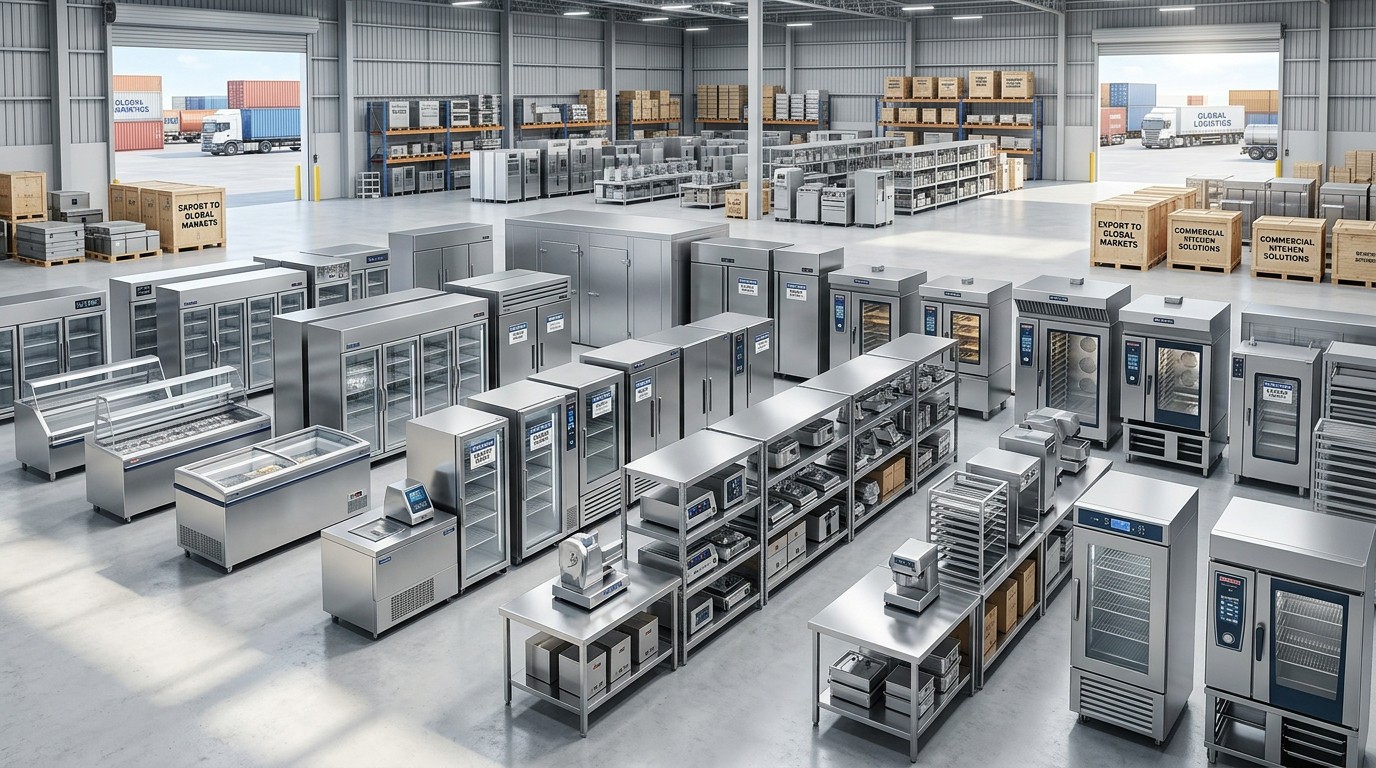
Supply chain and geopolitical risks also remain relevant. Buyers sourcing globally should assess manufacturing stability, logistics timelines, tariff exposure, certification requirements, and local technical support.
Finally, equipment standardization can be a hidden issue for multi-site businesses. If each site purchases different models or brands without alignment, maintenance, training, and spare parts management become more difficult and expensive.
What is the overall outlook for industrial kitchen equipment investment in 2026?
The overall outlook is constructive. Demand is expected to remain supported by foodservice expansion, kitchen modernization, food safety requirements, and the push for automation and energy efficiency. However, the best-performing segments will likely be those tied to measurable business outcomes.
For most target readers, the practical conclusion is this: 2026 looks favorable for investment in industrial kitchen equipment, but the strongest opportunities are selective. Commercial refrigerator systems, commercial convection oven solutions, stainless steel kitchen equipment, automated food processing machinery, and central kitchen equipment are especially well positioned when they can deliver lower operating costs, safer production, and better process control.
Businesses that approach equipment purchasing strategically, with clear ROI criteria and operational fit in mind, will be in a stronger position to benefit. The market is no longer rewarding equipment that simply fills space in a kitchen. It is rewarding systems that improve performance, resilience, and scalability.
In short, the most important investment signal for 2026 is not just market growth. It is the shift toward smarter, cleaner, more efficient, and more integrated kitchen operations. For buyers, operators, procurement teams, and decision-makers, that is where the real value is emerging.
- smart kitchen
- industrial kitchen
- cooking equipment
- stainless steel kitchen
- central kitchen
- kitchen solutions
- Commercial Refrigerator
- Central Kitchen Equipment
- kitchen equipment
- industrial kitchen equipment
- commercial cooking equipment
- kitchen equipment suppliers
- stainless steel kitchen equipment
- commercial convection oven
Popular Tags
Kitchen Industry Research Team
Dedicated to analyzing emerging trends and technological shifts in the global hospitality and foodservice infrastructure sector.
Industry Insights
Join 15,000+ industry professionals. Get the latest market trends and tech news delivered weekly.
No spam. Unsubscribe anytime.
Contact With us
Contact:
Anne Yin (Ceramics Dinnerware/Glassware)
Lucky Zhai(Flatware)