
Commercial Convection Oven Upgrades That Cut Energy Use
Upgrading a commercial convection oven is one of the fastest ways to reduce energy costs while improving cooking consistency in busy foodservice operations. For restaurants, hotels, central kitchens, and food processors, the real question is not whether energy-efficient equipment matters, but which upgrades deliver measurable savings without slowing production. In most cases, the best results come from focusing on high-impact improvements such as better insulation, high-efficiency burners or elements, variable-speed fans, tighter door seals, smart controls, and heat recovery features. For buyers comparing kitchen equipment wholesale options or planning a broader stainless steel kitchen equipment upgrade, the right commercial kitchen oven investment should lower utility use, improve output stability, reduce maintenance issues, and support a stronger long-term return.
Which commercial convection oven upgrades reduce energy use the most?
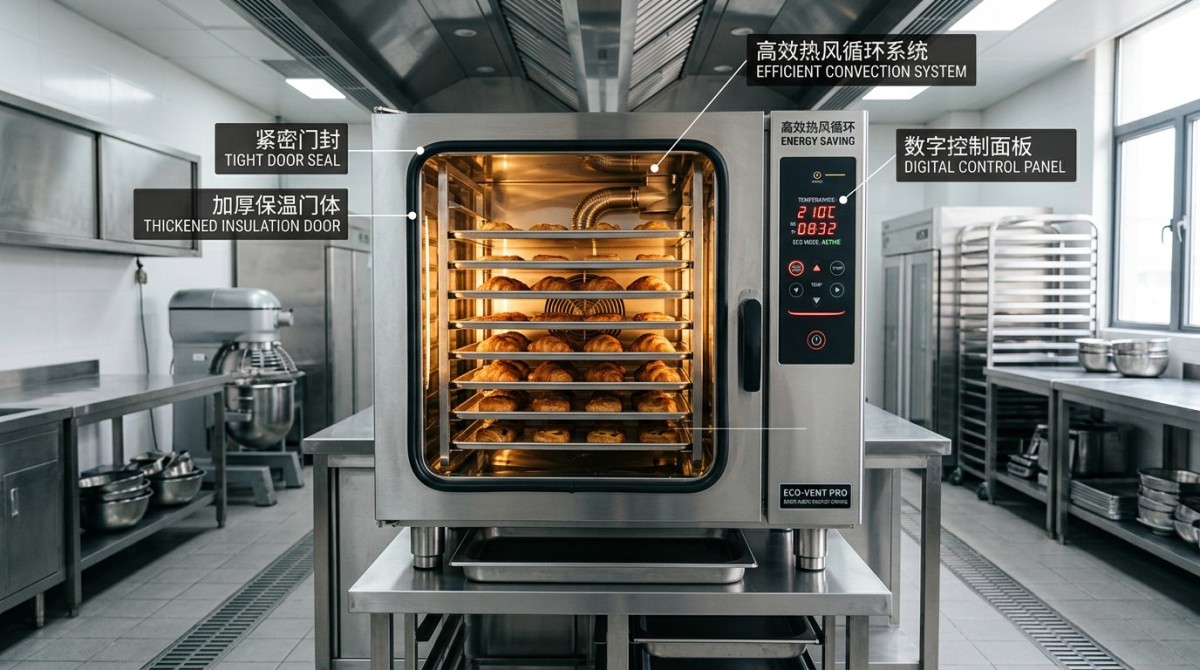
For most buyers and operators, the biggest energy savings do not come from a single feature. They come from a combination of upgrades that reduce heat loss, shorten cook times, and improve control over oven performance.
The most valuable upgrades typically include:
- Improved insulation: Better insulation helps the oven retain heat, reducing the amount of energy needed to maintain cooking temperature during long service periods.
- High-performance door gaskets and tighter seals: Worn seals allow constant heat escape. Replacing them is often a low-cost upgrade with immediate efficiency benefits.
- Variable-speed or optimized fan systems: A convection oven depends on airflow. More efficient fan motors and better airflow design can cook food more evenly while lowering unnecessary power draw.
- Advanced digital controls: Smart controls prevent temperature overshooting, reduce idle waste, and allow more precise cooking cycles.
- Efficient heating elements or burners: Whether electric or gas, newer heating systems usually convert energy into usable heat more effectively than older models.
- Programmable standby modes: These reduce energy consumption during slower service windows without requiring full shutdown.
- Heat recovery or better exhaust management: In higher-volume environments, capturing or limiting wasted heat can significantly improve total kitchen energy performance.
If an existing unit is older, replacing the oven may deliver better results than retrofitting multiple components. For relatively newer ovens, targeted upgrades can still produce meaningful savings at a lower capital cost.
How do buyers decide whether to retrofit or replace the oven?
This is one of the most important purchasing decisions for procurement teams and business owners. A retrofit makes sense when the oven structure is still sound, parts are available, and the expected energy savings justify the upgrade cost. Replacement is usually the better choice when the oven has frequent breakdowns, poor temperature consistency, outdated controls, or high maintenance demand.
A practical evaluation should include:
- Age of the current oven: Older units often consume much more energy than newer energy-efficient commercial kitchen oven models.
- Current repair frequency: Rising service costs can erase the financial benefits of keeping old equipment in use.
- Energy bills and operating hours: The more the oven runs, the faster efficiency upgrades can pay back.
- Production needs: A kitchen with high output demand may gain more from a new oven with faster recovery times and better batch consistency.
- Compliance and safety requirements: Newer units may better support food safety standards and operational monitoring.
For enterprise decision-makers, the key is total cost of ownership rather than just purchase price. An oven that costs more upfront but cuts energy use, lowers downtime, and improves throughput may be the stronger investment.
What do operators care about beyond energy savings?
Energy efficiency matters, but operators usually judge equipment by daily performance. If an upgrade saves energy but slows service, creates uneven cooking, or complicates training, it may not be a good fit.
The most common operator concerns include:
- Cooking consistency: Even airflow and accurate temperature control reduce product waste and rework.
- Recovery time: Fast temperature recovery is essential in busy kitchens with repeated door opening.
- Ease of use: Clear digital interfaces and programmable menus help reduce training time and user error.
- Cleaning and maintenance: Accessible components and durable stainless steel construction simplify upkeep.
- Kitchen heat load: More efficient ovens can reduce excess ambient heat, improving staff comfort and reducing HVAC strain.
That is why the best commercial convection oven upgrades combine energy reduction with workflow improvement. In practical terms, the ideal upgrade supports both the finance team and the kitchen team.
Which features matter most for procurement and ROI analysis?
Procurement teams and business managers need clear criteria when comparing suppliers, kitchen equipment wholesale offers, and model specifications. The goal is to avoid buying based on marketing claims alone.
Important evaluation points include:
- Energy certification or verified efficiency data: Look for measurable performance indicators rather than general “energy-saving” claims.
- Annual estimated operating cost: Compare long-term utility expense, not just acquisition cost.
- Capacity and production fit: Oversized ovens waste energy, while undersized ovens create bottlenecks.
- Material durability: Stainless steel kitchen equipment is often preferred for commercial durability, sanitation, and maintenance efficiency.
- Parts availability and service support: Downtime can quickly outweigh any theoretical energy savings.
- Control system compatibility: Smart kitchen environments may benefit from ovens that integrate with digital kitchen management systems.
- Warranty coverage: Better warranty terms can reduce financial risk during the first years of operation.
ROI should be calculated across several categories: energy savings, labor efficiency, reduced food waste, fewer maintenance calls, and potential production gains. In many cases, a convection oven upgrade pays back not only through lower utility bills, but also through more stable kitchen performance.
How do convection oven upgrades support broader kitchen efficiency?
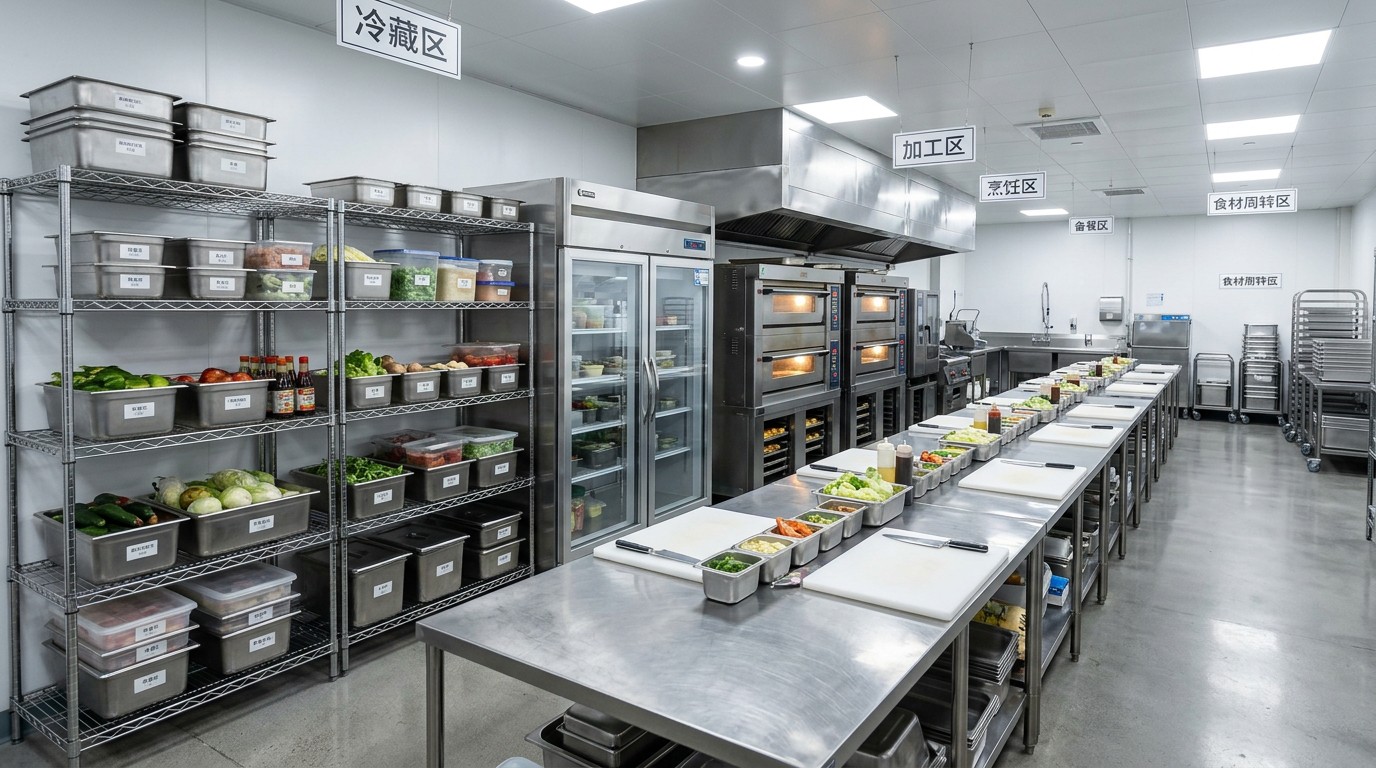
A commercial convection oven does not operate in isolation. Its performance affects ventilation needs, kitchen line speed, holding equipment timing, and overall labor flow. That is especially relevant in facilities investing in modern kitchen layouts, integrated prep zones, or a smarter kitchen shelving system.
When oven upgrades are aligned with broader kitchen planning, businesses can achieve additional benefits such as:
- More efficient product movement between prep, cook, and holding areas
- Reduced congestion around hot equipment
- Better space utilization for high-volume output
- Improved coordination with automated or semi-automated kitchen systems
- Lower combined energy demand across cooking and ventilation equipment
For companies sourcing multiple categories of commercial kitchen equipment, this makes oven selection a strategic decision rather than a standalone appliance purchase.
What are the most common mistakes when choosing an energy-efficient commercial oven?
Many buyers focus too heavily on advertised efficiency percentages without checking whether the equipment fits actual operating conditions. A model that performs well in a test environment may not deliver the same value in a busy restaurant, hotel banquet kitchen, or food production site.
Common mistakes include:
- Choosing capacity based only on peak demand and ignoring average load conditions
- Overlooking maintenance access and service support
- Ignoring how often doors are opened during real production
- Failing to train staff on programmable controls and standby functions
- Comparing purchase price without reviewing total lifecycle cost
- Not considering how the oven fits with existing ventilation and workflow systems
The most successful purchases come from matching oven features to real usage patterns, staff capabilities, menu requirements, and energy management goals.
Final decision: what kind of upgrade delivers the best long-term value?
For most commercial kitchens, the best long-term value comes from upgrades that improve thermal efficiency, airflow performance, control precision, and operational reliability at the same time. If the current oven is still structurally sound, targeted retrofits such as new seals, upgraded controls, and better fan or heating components can cut energy waste quickly. If the oven is aging, inconsistent, or expensive to maintain, replacement with a modern energy-efficient commercial convection oven is often the smarter financial choice.
Buyers, operators, procurement teams, and business leaders should evaluate oven upgrades through a practical lens: how much energy can be saved, how stable production becomes, how maintenance changes, and how well the equipment fits the wider kitchen system. When chosen carefully, a commercial kitchen oven upgrade can reduce utility costs, strengthen output quality, and support a more efficient, future-ready foodservice operation.
Popular Tags
Kitchen Industry Research Team
Dedicated to analyzing emerging trends and technological shifts in the global hospitality and foodservice infrastructure sector.
Industry Insights
Join 15,000+ industry professionals. Get the latest market trends and tech news delivered weekly.
No spam. Unsubscribe anytime.
Contact With us
Contact:
Anne Yin (Ceramics Dinnerware/Glassware)
Lucky Zhai(Flatware)