
How to Pick a Dish Sterilizer for Small Foodservice Sites
Choosing the right Dish Sterilizer for a small foodservice site is essential for hygiene, workflow, and cost control. Whether you run a café, snack bar, or compact restaurant, the best solution should fit your space, match your cleaning volume, and work smoothly with other professional kitchen equipment such as a Glass Washer, commercial refrigeration equipment, and commercial kitchen hood systems.
For small operations, dish sterilization is not only a sanitation task. It affects labor efficiency, service speed, equipment layout, and compliance management. A unit that is too large wastes energy and floor area, while one that is too small can create bottlenecks during peak service windows of 1–3 hours.
This guide is written for researchers comparing options, operators managing daily cleaning, technical evaluators reviewing specifications, and decision-makers balancing budget with long-term value. The goal is to help you choose a practical dish sterilizer solution for compact foodservice environments without overbuying or overlooking critical details.
Why Dish Sterilizers Matter in Small Foodservice Operations
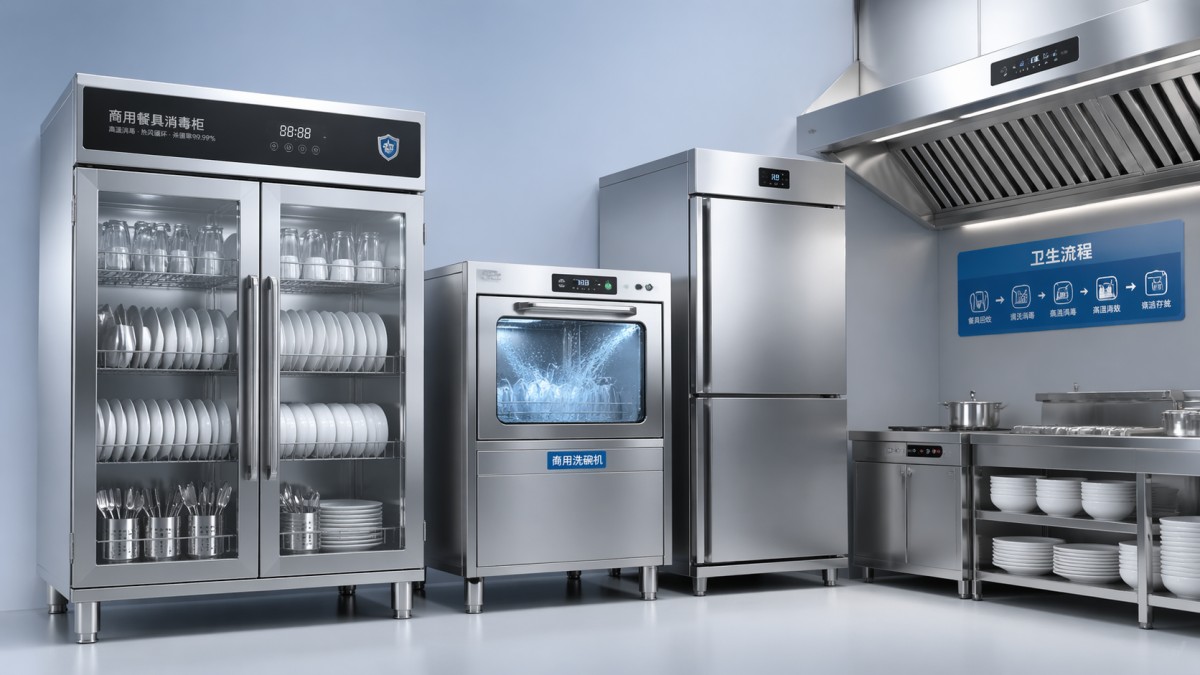
In a small kitchen, every square meter, every labor minute, and every utility cost matters. Unlike larger central kitchens that can separate washing, drying, and sterilization into different zones, cafés and snack bars often work within 10–30 square meters of back-of-house space. In that setting, the dish sterilizer must support hygiene without interrupting prep, plating, or storage flow.
A proper sterilization process helps reduce cross-contamination risks after washing. This is especially important for sites handling dairy, ready-to-eat foods, desserts, or high-turnover beverage service. Even if a small site serves only 80–200 covers per day, plate, cup, and utensil turnover may exceed 300–600 pieces in a full operating cycle.
From an operational viewpoint, the dish sterilizer should work as part of a connected hygiene line. In many small foodservice layouts, washed wares move from a sink area or Glass Washer to drying and sterilization, then into closed storage near the service station. Poor integration adds 2–5 extra handling steps per batch, increasing labor and breakage risk.
Small operators also need to think beyond hygiene alone. Heat output, ventilation load, power supply, and cleaning frequency all influence equipment suitability. A sterilizer that creates excessive ambient heat may affect nearby commercial refrigeration equipment, while a poorly placed unit can interfere with access under commercial kitchen hood systems or wall-mounted shelving.
The table below outlines how dish sterilizers create value for different small foodservice formats.
The key takeaway is that a dish sterilizer should be chosen based on actual ware flow, not just business type. Two shops with the same seating count may need very different sterilization capacity if one relies on reusable glassware while the other uses disposable packaging for part of its service.
Main risks of choosing the wrong unit
- Undersized capacity that forces repeated cycles during peak hours and slows service by 10–20 minutes per turn.
- Oversized cabinets that consume valuable prep or storage space in kitchens with limited back-of-house area.
- Power or ventilation requirements that do not match the existing site infrastructure.
- Incompatible rack or tray dimensions that increase manual rearrangement and breakage risk.
Key Selection Criteria: Capacity, Footprint, and Sterilization Method
The first decision point is capacity. For small foodservice sites, useful capacity is usually measured by how many plates, bowls, cups, or mixed wares can be processed per cycle and how many cycles can realistically be run per hour. A compact site may only need 30–60 plates per cycle, while a busier quick-service operation may need 80–120 mixed items in one batch.
Footprint is the second filter. Countertop models can work well where floor space is restricted, but operators must confirm nearby clearance for door opening, steam release, and loading. In practical planning, at least 5–10 cm of side clearance and a safe front operating zone are often necessary, especially when the unit sits near sinks or prep benches.
The third factor is the sterilization method. Small foodservice buyers commonly compare heat-based, hot-air, and combined drying-sterilization cabinets. The right choice depends on ware material, target throughput, and operating habits. For example, glass cups and light utensils may benefit from faster drying support, while ceramic-heavy kitchens may prioritize thermal consistency and internal rack stability.
Technical reviewers should also check wattage, voltage, and cycle duration. A unit rated at 1.5–3.0 kW may be suitable for many small sites, but compatibility with the site’s electrical load is essential. If your kitchen already runs refrigeration, blenders, coffee equipment, or induction appliances on the same line, load planning becomes a purchasing requirement, not an afterthought.
Below is a practical comparison of common dish sterilizer configurations for smaller operations.
The comparison shows that the best unit is not always the largest. In many cases, a moderate-capacity cabinet with a 15–30 minute cycle and good internal organization delivers better throughput than a bigger unit that is slow to load, difficult to place, or mismatched with the kitchen’s operating rhythm.
Four specification checks before shortlisting
- Confirm internal rack dimensions against your largest plates, trays, and cup baskets.
- Verify cycle time, warm-up time, and whether drying is included in the full process.
- Check power supply requirements such as voltage and total load in relation to other kitchen equipment.
- Review body material, door seal quality, and ease of cleaning for daily sanitation routines.
A note on mixed wares
Many small foodservice sites wash and sterilize mixed wares rather than uniform batches. That means saucers, cups, cutlery, dessert plates, and bar tools may share the same workflow. When evaluating a dish sterilizer, internal flexibility often matters as much as nominal capacity. Adjustable racks and logical loading zones can reduce handling time by 15% or more in high-turnover shifts.
How to Match the Sterilizer with Kitchen Layout and Other Equipment
A dish sterilizer should be assessed as part of the full kitchen system. In small commercial kitchens, equipment placement affects labor paths, cleaning consistency, and air movement. The shortest route usually runs from soiled ware drop-off to washing, then to sterilization, and finally to clean storage or service pickup. If that route crosses raw prep stations or busy cooking lanes, hygiene control becomes harder to maintain.
When planning around a Glass Washer, the sterilizer should be positioned so operators can move wares in a single direction without backtracking. In a tight bar or café setup, even 2 unnecessary steps per rack can add noticeable labor over 50–100 cycles per week. Door swing direction, bench height, and adjacent shelving all deserve review before purchase approval.
Commercial refrigeration equipment is another placement concern. Sterilizers with stronger heat release should not sit too close to refrigerators, undercounter coolers, or ingredient holding units, because extra ambient heat may increase compressor workload. In compact kitchens, separating heat-emitting and cooling equipment zones by even a practical gap can improve operating efficiency and serviceability.
Ventilation also matters. While not every dish sterilizer needs dedicated exhaust in the same way as heavy cooking equipment, sites should still evaluate nearby airflow, moisture control, and safe installation distance from commercial kitchen hood systems, grease zones, and wall surfaces. Poor ventilation can lead to condensation, slower drying, and unpleasant working conditions in small enclosed spaces.
The following table can be used during site surveys or technical review meetings.
A system view often prevents expensive mistakes. Buyers sometimes focus on the sterilizer’s list price but overlook layout adaptation, electrical modifications, or shelving changes. In a small foodservice site, these indirect costs can materially affect the total investment, especially when installation must be completed within a 3–7 day renovation window.
Practical layout recommendations
- Place the sterilizer close enough to the wash zone for efficient transfer, but not so close that splash water affects electrical safety.
- Reserve a clean unloading area so sterilized wares do not return to mixed-use prep surfaces.
- Check that service staff can access clean wares without entering the busiest wash corridor.
- Plan routine maintenance access at least monthly, not only day-one installation space.
Cost, Maintenance, and Long-Term Purchasing Decisions
For business decision-makers, price should be evaluated across the full operating life of the dish sterilizer. A lower upfront price can become expensive if the unit has slow cycle times, inefficient power use, or high cleaning labor demand. On small sites with lean staffing, saving even 10 minutes per shift may matter more than a modest difference in purchase cost.
Maintenance requirements deserve special attention. Daily cleaning should be simple enough for operators to complete in 5–10 minutes after service. Weekly checks may include rack stability, door seal condition, and ventilation openings. If a sterilizer is difficult to clean, residue buildup can affect performance and create avoidable hygiene risks over time.
Procurement teams should also ask about parts replacement cycles and service response arrangements. In many commercial kitchen equipment purchasing decisions, support readiness is a hidden differentiator. A small restaurant cannot always wait 2 weeks for a basic component if sterilization capacity is tied directly to service continuity and local inspection readiness.
Another useful approach is to compare the unit against your business growth horizon. If the site expects a 20–30% increase in turnover over the next 12–24 months, buying at the absolute minimum capacity may lead to premature replacement. However, oversizing too far can reduce energy efficiency and complicate installation in already constrained premises.
Use the checklist below to guide final supplier discussions and internal approval.
Five purchasing questions to ask before ordering
- What is the realistic load per cycle for my actual mix of plates, cups, and utensils?
- How long does one full sterilization cycle take under normal daily operating conditions?
- What electrical connection and site preparation are required before delivery?
- Which parts need routine replacement, and what is the expected maintenance interval?
- What support is available for installation guidance, operator training, and after-sales service?
Common selection mistakes
A common mistake is choosing only by nominal capacity without testing actual ware dimensions. Another is assuming every sterilizer integrates smoothly with a Glass Washer or existing dish racks. Buyers also sometimes ignore utility compatibility and discover too late that the unit competes with refrigeration or other kitchen electrical equipment during peak load periods.
FAQ for small foodservice buyers
How large should a dish sterilizer be for a small café?
A small café often works well with a unit sized for 20–50 items per cycle if it mainly handles cups, saucers, and light tools. If reusable dine-in service is heavy or turnover exceeds 150–200 customer transactions per day, a larger cabinet or faster cycle configuration may be more practical.
Is a separate dish sterilizer necessary if I already have a Glass Washer?
In many operations, yes. A Glass Washer focuses on washing performance for specific wares, while a dish sterilizer supports post-wash hygiene control and clean storage workflow. The two can complement each other, especially in beverage service sites where glassware volume is high and hygienic turnover is important.
How often should the unit be cleaned and inspected?
Basic interior cleaning is usually a daily task, while seals, racks, and vents should be checked weekly. A broader functional inspection can be scheduled monthly or quarterly depending on use intensity, local operating standards, and the number of cycles run each day.
A well-chosen dish sterilizer supports more than sanitation. It helps small foodservice sites improve throughput, reduce handling steps, protect ware quality, and align better with the rest of the kitchen equipment layout. The best choice comes from matching real usage volume, site conditions, utility capacity, and future operating plans rather than selecting by headline size or price alone.
If you are comparing compact sterilization solutions for cafés, bakeries, snack bars, or small restaurants, now is the right time to review your layout, cycle demand, and equipment integration plan. Contact us to discuss your application, get a tailored recommendation, and learn more about practical kitchen equipment solutions for small foodservice operations.
Popular Tags
Kitchen Industry Research Team
Dedicated to analyzing emerging trends and technological shifts in the global hospitality and foodservice infrastructure sector.
Industry Insights
Join 15,000+ industry professionals. Get the latest market trends and tech news delivered weekly.
No spam. Unsubscribe anytime.
Contact With us
Contact:
Anne Yin (Ceramics Dinnerware/Glassware)
Lucky Zhai(Flatware)