
Heated Display Cabinet Buying Guide for Bakery and Deli Use
Choosing the right heated display cabinet for bakery and deli use is mainly about balancing three priorities: food safety, product appearance, and operating efficiency. For most buyers, the best choice is not simply the largest or most advanced model, but the one that matches your menu, service volume, holding time, and kitchen workflow. A good cabinet should hold food at safe temperatures without drying it out, present products clearly to customers, fit your available space, and support day-to-day operations with easy cleaning and reliable controls. This guide focuses on the questions buyers actually ask when comparing options, including temperature performance, humidity control, capacity, display style, energy use, maintenance, and how the unit fits into wider commercial kitchen design.
What Should You Check First Before Buying a Heated Display Cabinet?
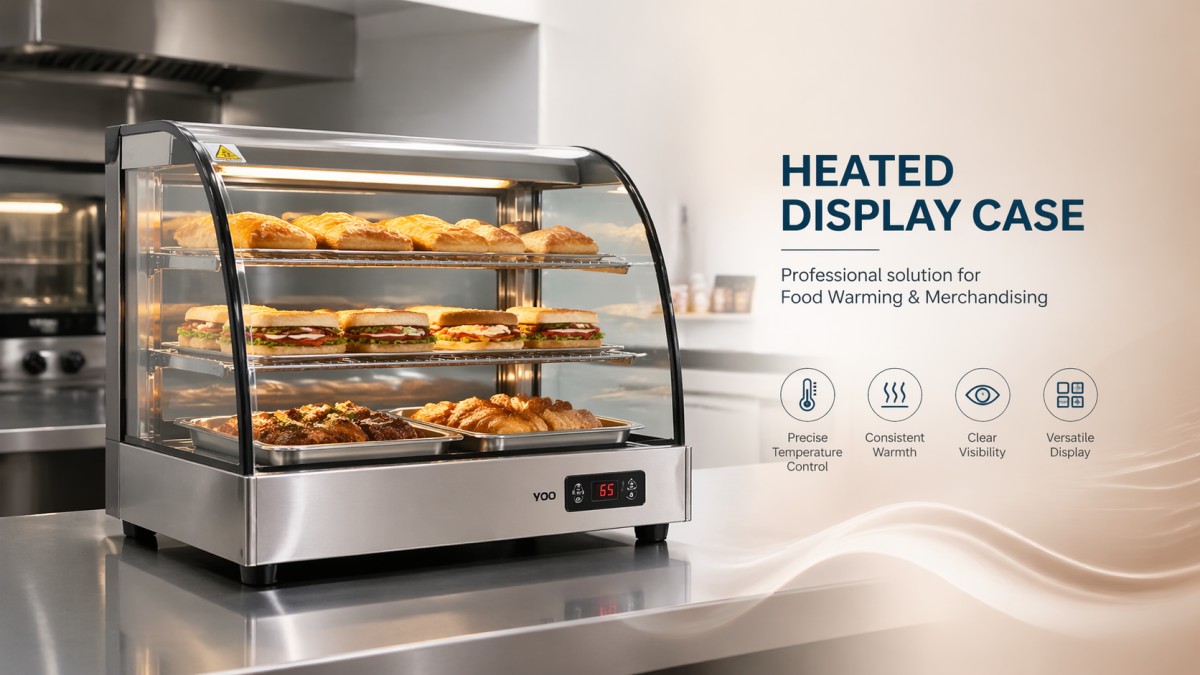
The first step is to define exactly what the cabinet will hold and how long items need to stay inside. Bakeries and delis often use heated display cabinets for different purposes, and the right specification depends heavily on the product mix.
For example, pastries, savory pies, pizza slices, sandwiches, fried snacks, roast items, and hot deli foods all behave differently under heat. Some products need gentle warming to preserve texture, while others need stronger heat retention to meet food safety standards during service.
Before comparing models, buyers should answer these practical questions:
- What food items will be displayed most often?
- How many trays or shelves are needed during peak hours?
- How long will products typically be held before sale?
- Is the priority self-service visibility, staff-assisted service, or back-counter holding?
- Do you need dry heat, humidified heat, or adjustable settings for multiple product types?
- Will the cabinet be placed in the front-of-house display area or integrated into the back-of-house production line?
If these answers are unclear, buyers often end up with units that are oversized, difficult to use, or unsuitable for the actual menu. For decision-makers, this means unnecessary capital cost. For operators, it means uneven holding performance and more food waste.
How Important Are Temperature Control and Food Safety?
Temperature control is one of the most important buying criteria because it directly affects food safety, product quality, and compliance. In bakery and deli environments, heated display cabinets are expected to hold hot food at safe serving temperatures while preserving appearance and texture.
Look for cabinets with accurate thermostatic controls, clear temperature displays, and consistent heat distribution across all shelves. A unit that heats strongly at the top but leaves lower shelves cooler can create safety risks and inconsistent customer experience.
Buyers should pay attention to:
- Temperature range and stability
- Recovery time after doors are opened frequently
- Heat distribution between upper and lower shelves
- Whether the cabinet is designed for continuous commercial use
- Compliance with local food safety requirements
For technical evaluators, testing actual operating performance matters more than relying only on brochure claims. In busy deli service, frequent opening and closing can reduce internal temperature quickly. A cabinet should be able to recover fast enough to maintain safe food holding conditions.
It is also important to remember that a heated display cabinet is a holding solution, not a cooking device. Food must already be prepared to safe internal temperatures before entering the cabinet.
Do You Need Humidity Control for Bakery and Deli Products?
Yes, in many cases humidity control makes a major difference. One of the most common buyer mistakes is selecting a heated cabinet based only on temperature and appearance, without considering moisture retention.
Dry heat works well for some products that should stay crisp, but it can quickly dry out sandwiches, pastries with fillings, or prepared deli foods. On the other hand, too much humidity can soften crusts and damage the texture of baked goods.
As a general rule:
- Use drier heat for fried snacks, crisp pastries, and products that should remain firm
- Use humidity-assisted holding for foods prone to drying out, such as hot sandwiches, meat dishes, or filled bakery items
- Choose adjustable settings if your menu changes throughout the day
For bakeries with mixed product lines, flexible control is often more valuable than a single fixed heating mode. This helps preserve product quality and reduces write-offs caused by texture loss.
What Size, Capacity, and Layout Make Sense for Your Operation?
Capacity should be based on peak demand, not just average daily sales. A cabinet that looks sufficient during quiet periods may become a bottleneck during lunch rushes, evening takeout spikes, or weekend bakery traffic.
At the same time, oversizing can waste energy, occupy valuable floor space, and create product holding issues if food sits too long. The right size depends on turnover rate and merchandising strategy.
Key considerations include:
- Number of shelves or GN pan compatibility
- Footprint and counter dimensions
- Vertical versus horizontal display format
- Rear access or pass-through access for staff
- Single-sided or dual-sided customer visibility
For front-of-house use, visibility and access are critical. A display cabinet should encourage sales without slowing service. For back-of-house support, capacity and workflow integration may be more important than presentation.
Business decision-makers should also assess whether one larger cabinet or multiple smaller cabinets would better support menu separation, service speed, and cleaning routines.
Which Display Features Actually Improve Sales and Daily Use?
In bakery and deli environments, a heated display cabinet is not only a warming unit but also a merchandising tool. Good visibility can increase impulse purchases, especially for ready-to-eat items.
Features that often matter in practice include:
- Curved or straight glass depending on display style
- Interior lighting that enhances food appearance without overheating products
- Adjustable shelves for different product sizes
- Sliding or hinged rear doors for easy restocking
- Clear labeling space for pricing and product names
Operators usually prefer designs that allow fast restocking and easy cleaning. Buyers should avoid selecting a model based only on showroom appearance if the daily workflow will become slower or more difficult.
For customer-facing areas, the cabinet should match the overall commercial kitchen design and retail presentation concept. In modern foodservice spaces, equipment appearance can influence brand perception as much as technical performance.
How Does a Heated Display Cabinet Fit with Other Kitchen Equipment?
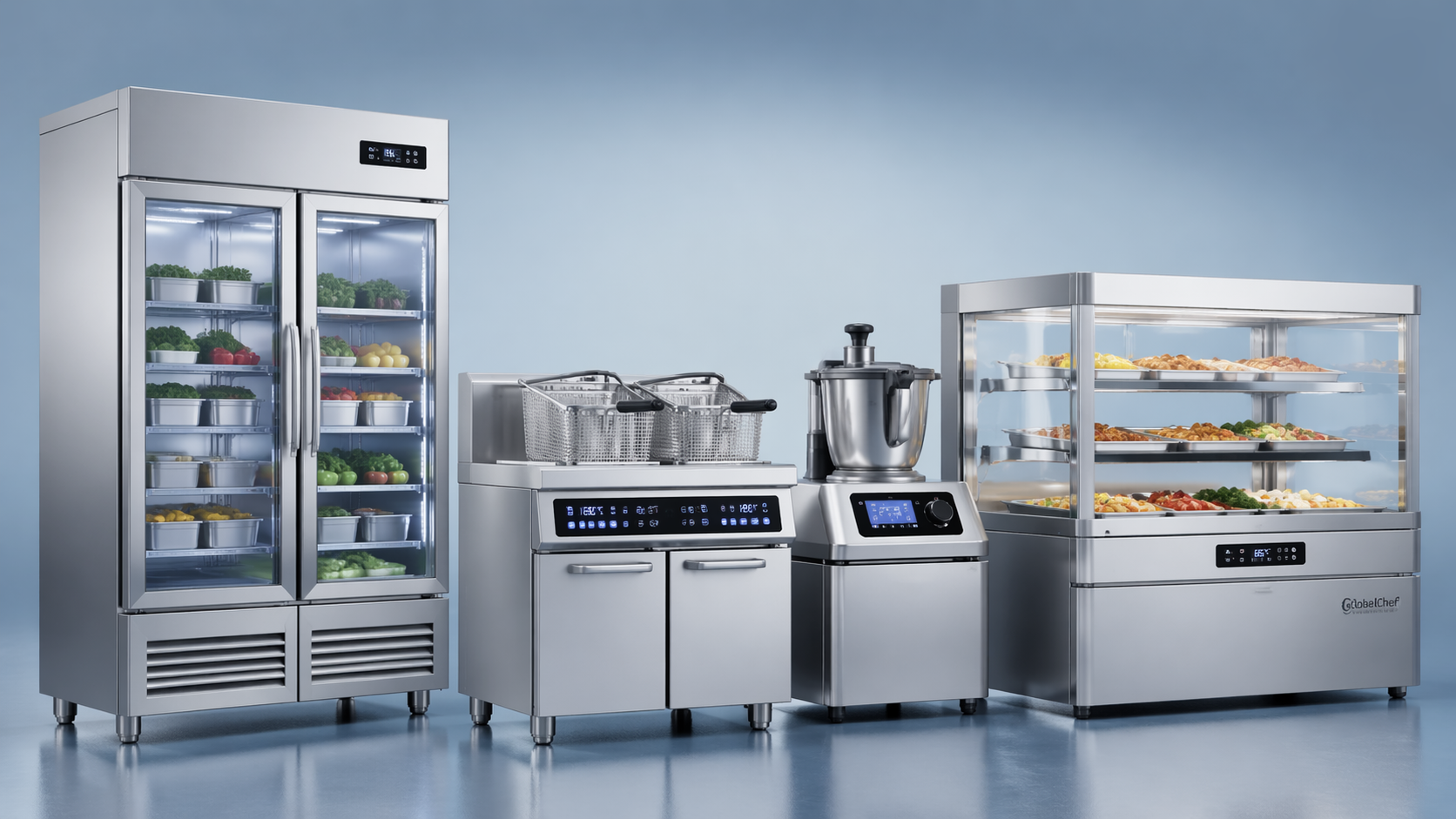
In many businesses, the cabinet does not operate alone. It should work smoothly with nearby prep stations, service counters, commercial refrigeration equipment, and buffet warmer equipment where relevant.
For example, a deli may prepare cold ingredients in refrigerated units, assemble products at a prep counter, heat them in ovens or warming equipment, and then transfer them into the display cabinet for service. If the cabinet location disrupts this sequence, labor efficiency drops.
When planning installation, consider:
- Power supply requirements and electrical load
- Ventilation and heat output into the surrounding area
- Distance from prep, cooking, and service zones
- Compatibility with counters, serving lines, and display systems
- Cleaning access around and under the unit
For larger operations, integration into total commercial kitchen design can improve staff movement, reduce service delays, and support food safety procedures. Technical evaluators should review not only the cabinet itself but also the broader equipment layout.
What About Energy Efficiency, Durability, and Maintenance Costs?
Purchase price is only one part of the investment. Over time, energy use, cleaning labor, replacement parts, and downtime can have a major impact on total cost of ownership.
A well-built heated display cabinet should offer:
- Efficient insulation to reduce heat loss
- Durable stainless steel construction or other commercial-grade materials
- Easy-to-remove shelves and crumb trays
- Simple controls that staff can use correctly
- Accessible service components for maintenance
In real operations, easy cleaning is especially important. Bakery crumbs, grease, sauces, and spills can accumulate quickly. If a cabinet is hard to clean, hygiene standards suffer and labor time increases.
Ask suppliers about warranty coverage, spare parts availability, service response time, and expected maintenance intervals. For business buyers managing multiple locations, after-sales support can be as important as the equipment specification itself.
How Can Buyers Compare Models More Effectively?
To make a sound purchase decision, compare models using operational criteria rather than marketing language alone. A structured evaluation process helps both technical teams and business managers choose more confidently.
A useful comparison checklist includes:
- Suitable food types and holding performance
- Temperature accuracy and consistency
- Humidity or moisture control options
- Capacity at peak service times
- Footprint and installation suitability
- Ease of loading, serving, and cleaning
- Energy consumption
- Build quality and expected lifespan
- Brand reputation and service support
- Total cost of ownership, not just purchase price
If possible, ask for a live demonstration or performance test with your actual products. This is one of the best ways to judge whether the cabinet can maintain appearance, temperature, and texture under realistic operating conditions.
Final Buying Advice for Bakeries and Delis
The best heated display cabinet for bakery and deli use is the one that protects food quality, supports safe holding, fits your workflow, and helps products sell. For most operations, the decision should be based on four core factors: the type of food you serve, the volume you need to hold, the level of temperature and humidity control required, and how the unit fits into your wider kitchen and service setup.
If your operation depends on visual merchandising, customer-facing design and lighting deserve close attention. If speed and reliability matter most, prioritize thermal consistency, easy access, and cleaning efficiency. For enterprise buyers and technical evaluators, total cost of ownership, service support, and integration with commercial refrigeration equipment and other kitchen systems should be central to the decision.
In short, a heated display cabinet is not just a warming appliance. It is part of food safety management, product presentation, operational flow, and revenue performance. Choosing carefully will help bakeries and delis reduce waste, improve service, and present hot food at its best.
Popular Tags
Kitchen Industry Research Team
Dedicated to analyzing emerging trends and technological shifts in the global hospitality and foodservice infrastructure sector.
Industry Insights
Join 15,000+ industry professionals. Get the latest market trends and tech news delivered weekly.
No spam. Unsubscribe anytime.
Contact With us
Contact:
Anne Yin (Ceramics Dinnerware/Glassware)
Lucky Zhai(Flatware)