
Stoneware Soup Bowl Imports: Where Costs Are Rising
As global sourcing costs climb, buyers of stoneware soup bowl products are reassessing pricing, logistics, and supplier strategy across the kitchenware market. From ceramic rice plate and porcelain baking dish lines to stoneware cereal bowl and ceramic serving platter collections, import trends now affect both daily operations and long-term procurement decisions. This article explores where costs are rising and what importers, operators, and decision-makers should watch next.
For most buyers, the short answer is clear: import costs for stoneware soup bowls are not rising because of one single factor. The pressure is coming from a combination of higher raw material costs, energy-intensive firing, freight volatility, packaging requirements, compliance demands, and tighter supplier pricing. For procurement teams, restaurant operators, and business decision-makers, the real issue is not just whether prices are going up, but where those increases are happening, how permanent they may be, and what actions can reduce risk.
Where are stoneware soup bowl import costs rising the most?
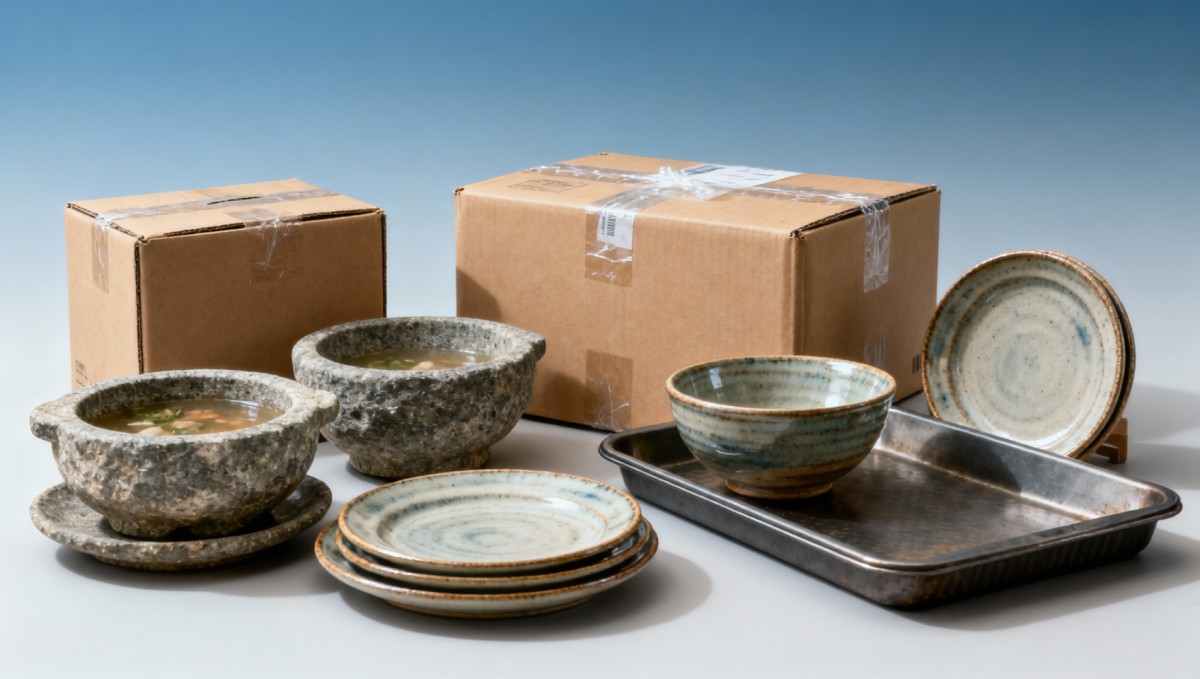
When buyers search for information on stoneware soup bowl imports, they usually want practical answers: which cost categories are increasing, how those increases affect landed cost, and whether they should change suppliers, materials, or order strategy. In today’s market, the biggest cost increases are typically showing up in five areas.
1. Raw materials and ceramic body inputs
Stoneware production depends on clay blends, glazes, pigments, and finishing materials. Prices for these inputs have risen in many sourcing regions due to mining costs, environmental restrictions, fuel prices, and broader inflation in industrial materials. Even a modest increase at the factory level can materially affect the final bowl cost when multiplied across high-volume orders.
2. Energy used in kiln firing
Stoneware is energy-intensive to produce. Kiln firing requires stable and often expensive gas or electricity input, and this has become one of the most important pricing pressures in ceramic and porcelain manufacturing. Compared with some lower-temperature ceramic products, stoneware often carries higher production energy exposure, which makes suppliers more sensitive to utility cost spikes.
3. International freight and inland transport
Ocean freight has become less predictable over the past few years, and importers still face recurring pressure from port congestion, route disruption, fuel surcharges, chassis shortages, and inland trucking costs. Because soup bowls are relatively heavy and breakable, shipping efficiency matters. A rise in freight rates can quickly reduce margins, especially for importers handling mixed kitchenware SKUs such as ceramic rice plates, porcelain baking dishes, and serving platters in the same container.
4. Packaging and damage prevention
Stoneware bowls need protective packaging to reduce breakage in transit. Higher carton prices, inner protective materials, palletization costs, and stricter drop-test expectations all contribute to higher total cost. Buyers sometimes underestimate this category, but improved packaging is often necessary when shipping fragile kitchenware internationally.
5. Compliance, testing, and quality assurance
Importers serving restaurants, hotels, distributors, or retail channels may face requirements related to food contact safety, lead and cadmium limits, labeling, and product consistency. Testing and inspection are not always the largest cost line, but they are increasingly important. In a higher-risk trade environment, buyers are spending more on pre-shipment inspections, third-party testing, and factory audits to avoid rejected goods or customer complaints.
Why are these increases especially important for kitchenware buyers?
For the kitchen equipment and tableware sector, cost increases matter because stoneware soup bowls are rarely purchased in isolation. They are often part of a broader sourcing program that includes cereal bowls, rice plates, baking dishes, serving platters, and other dining or back-of-house items. That means even a small increase in unit cost can create a larger budget impact across a full collection or seasonal order.
Different buyer groups also feel these increases in different ways:
- Information researchers want to understand whether market conditions are temporary or structural.
- Users and operators care about whether a cheaper alternative will reduce durability, stackability, or daily usability.
- Procurement teams focus on landed cost, supplier reliability, MOQ, breakage rate, and replenishment speed.
- Business decision-makers care about margin protection, sourcing risk, inventory planning, and long-term supplier strategy.
This is why a simple “price per piece” comparison is no longer enough. A low ex-factory quote can still produce a high total cost if the supplier has weak packaging, inconsistent glaze quality, unstable lead times, or poor documentation for export compliance.
Which import cost components should buyers track most closely?
To make better purchasing decisions, buyers should break down cost increases into the categories that most directly affect the final landed price of a stoneware soup bowl order.
Ex-factory price
This is still the starting point, but it should be evaluated together with material grade, finish consistency, firing quality, and defect tolerance. If a supplier lowers the unit price by using thinner walls, less stable glaze, or lower packaging standards, the apparent savings may disappear after shipment.
Freight cost per cubic meter and per kilogram
Stoneware products are dense and fragile, so both weight and volume matter. Buyers should ask whether they are paying more because of the product itself, because of packaging inefficiency, or because container utilization is poor.
Breakage rate
A frequent hidden cost in imported ceramic and stoneware products is damage during transport. Even a 2% to 5% breakage rate can materially affect total procurement cost, replacement orders, and customer satisfaction.
Duty, tariff, and customs-related charges
These vary by destination market and product classification. Buyers should check whether changes in trade policy, customs valuation, or origin rules are influencing their import cost structure.
Inventory carrying cost
Longer lead times and unpredictable replenishment cycles force companies to hold more stock. That ties up cash and warehouse space. For businesses buying across multiple kitchenware categories, this can become a major operational issue.
How should buyers compare stoneware suppliers when costs are rising?
When the market becomes more expensive, supplier comparison should become more disciplined, not more reactive. The strongest purchasing decisions usually come from comparing total sourcing performance rather than chasing the lowest quote.
Look beyond unit price
Ask suppliers for a cost structure explanation. If one supplier is suddenly much cheaper, find out whether the difference comes from clay quality, glaze process, firing standard, packaging thickness, inspection level, or incoterm assumptions.
Assess production stability
In stoneware manufacturing, consistency matters. Check whether the supplier can maintain color, shape, thickness, and finish across batches. This is especially important for hospitality groups, restaurant chains, and distributors selling coordinated collections.
Review packaging engineering
For imported soup bowls, packaging design directly affects breakage, pallet efficiency, and freight cost. A supplier with slightly higher packaging expense may still deliver better total value if damage is reduced and container space is used more effectively.
Check lead time realism
Many suppliers quote optimistic production windows during negotiation. Buyers should confirm actual lead times during peak season, not just off-season estimates. Reliable delivery can be more valuable than a small price concession.
Evaluate communication and compliance support
Suppliers that can provide clear testing records, export documents, carton markings, and production updates often reduce operational risk. This matters even more for importers managing multiple product types across commercial kitchen and tableware lines.
Should importers switch materials, reduce specifications, or stay with stoneware?
This is a common question when costs rise. The answer depends on the use case.
Staying with stoneware often makes sense when durability, thermal retention, presentation quality, and perceived value are important. Stoneware soup bowls are widely used in restaurants, hotels, and home dining collections because they offer a balance of function and visual appeal.
Switching to alternative ceramic options may help if cost control is the top priority and the application does not require the same weight, finish, or premium feel. However, lower-cost substitutions can create trade-offs in chip resistance, product image, and customer experience.
Reducing specifications can work, but only if buyers are careful. Smaller diameter, simplified glaze decoration, less complex shapes, and optimized packaging can reduce costs without harming usability. But cutting too far on wall thickness or packaging often creates bigger downstream problems.
For many buyers, the better strategy is not a full material switch but a selective product tier approach: maintain premium stoneware for visible service lines while using simpler, cost-controlled options for lower-impact applications.
What can procurement teams do right now to control rising import costs?
Buyers do not control freight markets or fuel costs, but they can still improve results through sourcing and planning discipline.
Consolidate SKUs where possible
Too many similar bowl sizes or glaze variants can complicate purchasing and reduce volume leverage. Rationalizing the assortment may improve order efficiency and negotiation power.
Optimize container loading
Ask suppliers for loading plans, carton dimensions, and pallet options. Better cube utilization can reduce per-unit freight cost across stoneware and related ceramic product lines.
Negotiate based on annual volume, not only single orders
Suppliers are often more flexible when they can see forecast visibility. If your business buys soup bowls together with cereal bowls, rice plates, and baking dishes, a broader sourcing discussion may create pricing advantages.
Use quality controls before shipment
Pre-shipment inspection, packaging checks, and breakage testing are usually cheaper than handling claims after arrival. This is particularly relevant for fragile kitchenware imports.
Build a dual-supplier strategy
Relying on one factory can expose buyers to sudden price increases, production delays, or quality drift. A primary-secondary supplier model can improve resilience without forcing an immediate switch.
Review incoterms carefully
FOB, CIF, and other shipping terms can change the apparent cost comparison. Buyers should compare quotes on the same basis before making sourcing decisions.
What should decision-makers watch next in the stoneware import market?
Looking ahead, buyers should monitor several trends. First, energy costs in manufacturing countries will continue to influence ceramic pricing. Second, freight markets may remain volatile due to geopolitical disruption and route changes. Third, environmental and safety expectations may increase compliance costs for some exporters. Fourth, buyers may see stronger interest in regional diversification rather than depending too heavily on one country or one supplier cluster.
At the same time, there is also opportunity. Suppliers that invest in efficient kilns, better packaging systems, digital production control, and more stable export operations may become stronger long-term partners. In other words, rising costs can help buyers identify which suppliers are truly capable of delivering reliable value.
Conclusion: rising costs are real, but smart sourcing matters more than ever
Stoneware soup bowl imports are becoming more expensive in several key areas, especially raw materials, energy, freight, packaging, and compliance. For buyers in the kitchen equipment and kitchenware market, the most important takeaway is that the real challenge is not simply higher prices, but understanding which costs are structural, which are manageable, and which suppliers can still deliver dependable total value.
For procurement teams and business leaders, the best response is a more complete sourcing approach: compare landed cost instead of headline price, test supplier consistency, reduce hidden breakage and logistics waste, and align product specifications with actual use. Buyers who make decisions this way are in a much better position to protect margins, maintain product quality, and build a more resilient import strategy.
Popular Tags
Kitchen Industry Research Team
Dedicated to analyzing emerging trends and technological shifts in the global hospitality and foodservice infrastructure sector.
Industry Insights
Join 15,000+ industry professionals. Get the latest market trends and tech news delivered weekly.
No spam. Unsubscribe anytime.
Contact With us
Contact:
Anne Yin (Ceramics Dinnerware/Glassware)
Lucky Zhai(Flatware)