
Stoneware Rice Bowl Price Shifts Importers Should Track
Stoneware rice bowl prices are no longer moving in a simple, predictable way. For importers, the main story is this: costs are being pushed by raw materials, kiln energy, labor, freight, order volume, and supplier strategy at the same time. That means the lowest quote is not always the lowest landed cost, and short-term savings can create long-term supply or quality risk. If you are comparing a stoneware soup bowl, stoneware cereal bowl, ceramic rice plate, or even adjacent categories such as porcelain baking dish, the smartest approach is to track price shifts by cost driver, not by unit price alone.
For procurement teams, operators, and business decision-makers, the practical question is not just “Are prices rising?” but “Which price changes matter, what is temporary, and how should we respond?” This article focuses on the signals importers should monitor, how to evaluate supplier quotes, and where stoneware rice bowl sourcing decisions can protect margin and reduce risk.
What Is Really Driving Stoneware Rice Bowl Price Shifts?
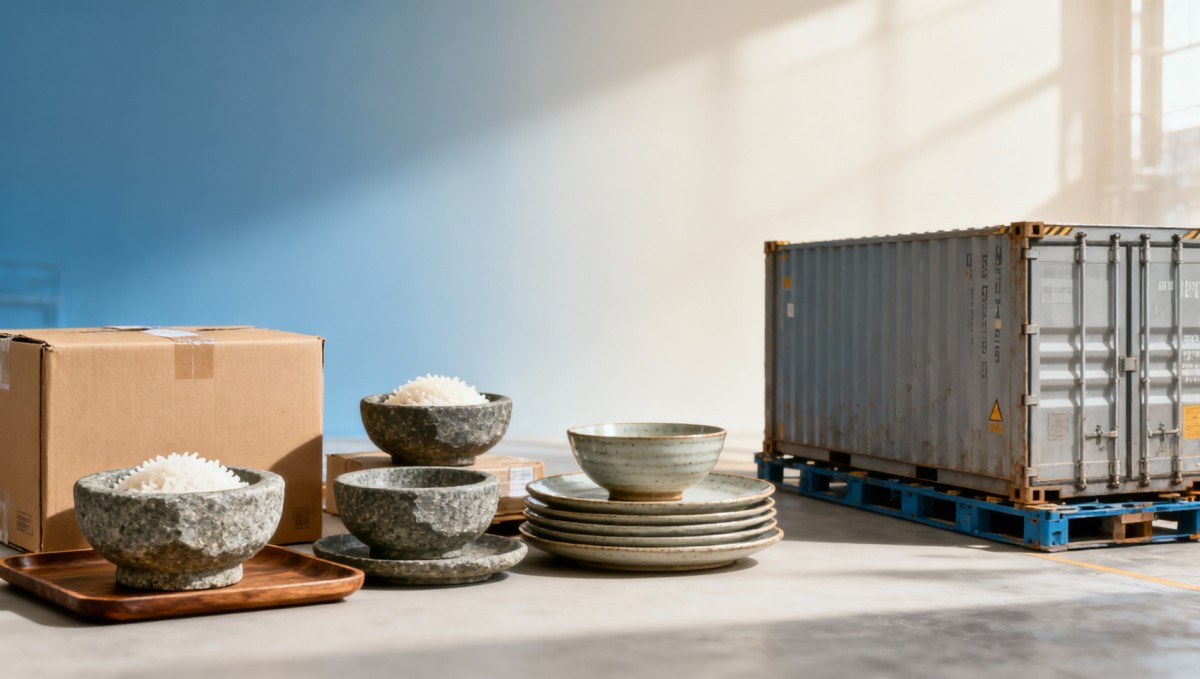
For most importers, stoneware rice bowl pricing changes come from a combination of production-side and trade-side pressures rather than a single market factor. Understanding these drivers helps buyers judge whether a quote is fair, inflated, or likely to change again in the next buying cycle.
1. Raw material cost movement
Stoneware production depends on clay blends, glaze materials, pigments, and packaging inputs. When mineral costs rise or glaze ingredients become less stable in supply, factories often adjust bowl prices quickly. Even a small increase in body material or glaze can have a noticeable impact on mass-volume tableware orders.
2. Energy and firing costs
Stoneware requires high-temperature firing, so kiln energy is a major cost component. Natural gas, electricity, and local energy policy can directly affect manufacturing cost. In regions where utilities fluctuate sharply, suppliers may shorten quote validity periods or add review clauses for repeat orders.
3. Labor and compliance expenses
Labor costs in major ceramic manufacturing regions have increased over time, especially for shaping, glazing, sorting, decorating, and inspection. At the same time, compliance requirements related to environmental protection, workplace safety, and food-contact standards can add cost but also improve supply reliability.
4. Freight volatility
Ocean freight remains one of the biggest reasons importers see mismatch between factory price and final landed cost. Bowls are fragile, relatively low-value per cubic meter, and packaging-heavy. That makes freight efficiency especially important. A stable ex-factory price can still result in a much higher import cost if container rates, fuel surcharges, or local handling fees increase.
5. Demand shifts across hospitality and retail
Demand from restaurants, hotel projects, wholesalers, and retail brands changes production scheduling. When suppliers receive more orders for coordinated dinnerware collections, customized glazes, or seasonal programs, standard rice bowl production may face longer lead times or different pricing priorities.
Which Price Signals Should Importers Track First?
Importers do not need to monitor every market detail. They need a short list of indicators that actually improve sourcing decisions.
Track quote validity and adjustment frequency
If suppliers shorten quote validity from 90 days to 30 days, that usually signals cost uncertainty. If they keep repricing the same SKU, buyers should investigate whether the pressure comes from raw materials, packaging, freight, or weak internal cost control.
Compare by landed cost, not unit cost
A stoneware rice bowl with a lower factory quote may require thicker protective packaging, create higher breakage risk, or reduce container efficiency. Importers should compare:
- EXW or FOB price
- Packaging cost per unit
- Units per carton and per container
- Breakage allowance
- Duty and customs-related fees
- Inspection and compliance cost
This is especially important when comparing related products like stoneware soup bowl, stoneware cereal bowl, ceramic rice plate, and porcelain baking dish, because shape and packing density can significantly change freight economics.
Watch minimum order quantity changes
When factories raise MOQ, consolidate colors, or limit custom glaze options, they may be trying to preserve margin under cost pressure. Buyers should treat these changes as an early warning sign of future price adjustments.
Monitor lead time extension
Longer lead times often indicate capacity pressure, labor shortage, or unstable supply of inputs. Even before price rises appear on a quotation sheet, lead time stress can signal future cost increases.
How Should Buyers Compare Stoneware Rice Bowl Quotes More Accurately?
A strong sourcing decision goes beyond checking size and price. Importers should standardize quote comparison so suppliers are evaluated on the same basis.
Use a like-for-like specification sheet
Ask every supplier to quote against the same detailed requirements:
- Diameter, height, and weight tolerance
- Material type and firing range
- Glaze finish and color consistency standard
- Microwave, dishwasher, oven, or freezer suitability
- Backstamp and branding details
- Packaging format and drop-test expectations
Without this, one supplier may quote a thinner, lighter bowl while another prices a heavier and more durable version. The apparent price gap may not reflect true value.
Separate core cost from optional cost
Importers should ask suppliers to break out pricing into product cost, decoration surcharge, packaging upgrade, mold cost, and testing cost. This makes it easier to identify what is fixed and what can be negotiated.
Assess breakage economics
A cheaper bowl can become more expensive if it fails in transit or chips easily in restaurant use. Buyers serving foodservice operators should estimate replacement cost and service disruption, not just purchase price.
What Risks Matter Most When Prices Move Too Fast?
Rapid price changes often create secondary risks that are more damaging than the increase itself.
Quality inconsistency
Some suppliers under margin pressure may reduce sorting standards, alter glaze composition, or change packaging quality. This can lead to shade variation, pinholes, warping, or increased breakage.
Supplier instability
If a factory is quoting aggressively below market while industry costs are rising, buyers should check financial stability and capacity realism. Unsustainably low prices may lead to delayed shipments, sudden repricing, or order cancellation.
Overbuying the wrong inventory
When importers expect further increases, they may overstock. But if demand shifts or design preferences change, inventory carrying costs can erase the benefit of buying early. This is especially relevant for customized hospitality programs and trend-sensitive retail collections.
Margin compression at resale
Distributors and brands that do not update pricing models fast enough can see margin shrink between order placement and customer delivery. A clear review mechanism for freight, duty, and replenishment pricing is essential.
Where Can Importers Still Find Cost Control Opportunities?
Even in a volatile market, importers still have room to manage cost without automatically sacrificing quality.
Optimize packaging and loading
For bowl categories, packaging design has a major effect on landed cost. Better carton design, divider structure, and pallet configuration can improve container utilization and reduce damage rates.
Consolidate SKUs strategically
Reducing unnecessary variation in glaze colors, decals, or sizes can increase order concentration and improve negotiation leverage with suppliers.
Balance stoneware with adjacent materials when needed
Some importers may compare stoneware rice bowl programs with ceramic rice plate or porcelain baking dish sourcing to balance product mix, production lead time, or target margin. The goal is not to replace one category blindly, but to understand where each material offers better commercial value.
Build supplier relationships around forecast visibility
Factories are more likely to offer stable pricing or better scheduling when buyers provide rolling forecasts and realistic reorder plans. Predictability can sometimes deliver more value than aggressive spot negotiation.
What Is a Smart Buying Strategy for the Next Sourcing Cycle?
For most importers, the best response is a structured and flexible purchasing plan.
- Short term: review current supplier quotes against landed cost and lead time, not just unit price.
- Medium term: lock key high-volume SKUs where demand is stable and negotiate packaging, MOQ, and replenishment terms.
- Long term: diversify qualified suppliers, monitor energy and freight trends, and create a price review process tied to actual cost drivers.
Buyers serving restaurants and hotels should also align purchasing decisions with operational needs. A slightly higher-priced stoneware rice bowl may be the better choice if it offers stronger durability, visual consistency, and lower replacement frequency in daily service.
Final Takeaway for Importers
Stoneware rice bowl price shifts are important, but the real advantage comes from understanding why prices are moving and how those changes affect landed cost, product quality, and supply continuity. Importers who track raw materials, firing energy, freight, MOQ, lead time, and packaging efficiency will make better sourcing decisions than those who only compare the lowest quote.
In today’s kitchen equipment market, smarter buying means evaluating stoneware rice bowl programs alongside related categories such as stoneware soup bowl, stoneware cereal bowl, ceramic rice plate, and porcelain baking dish with a full-cost and risk-based view. That approach helps protect margin, improve supply reliability, and support better purchasing decisions over time.
Popular Tags
Kitchen Industry Research Team
Dedicated to analyzing emerging trends and technological shifts in the global hospitality and foodservice infrastructure sector.
Industry Insights
Join 15,000+ industry professionals. Get the latest market trends and tech news delivered weekly.
No spam. Unsubscribe anytime.
Contact With us
Contact:
Anne Yin (Ceramics Dinnerware/Glassware)
Lucky Zhai(Flatware)