
Restaurant Kitchen Supplies: Buy in Sets or by Item?
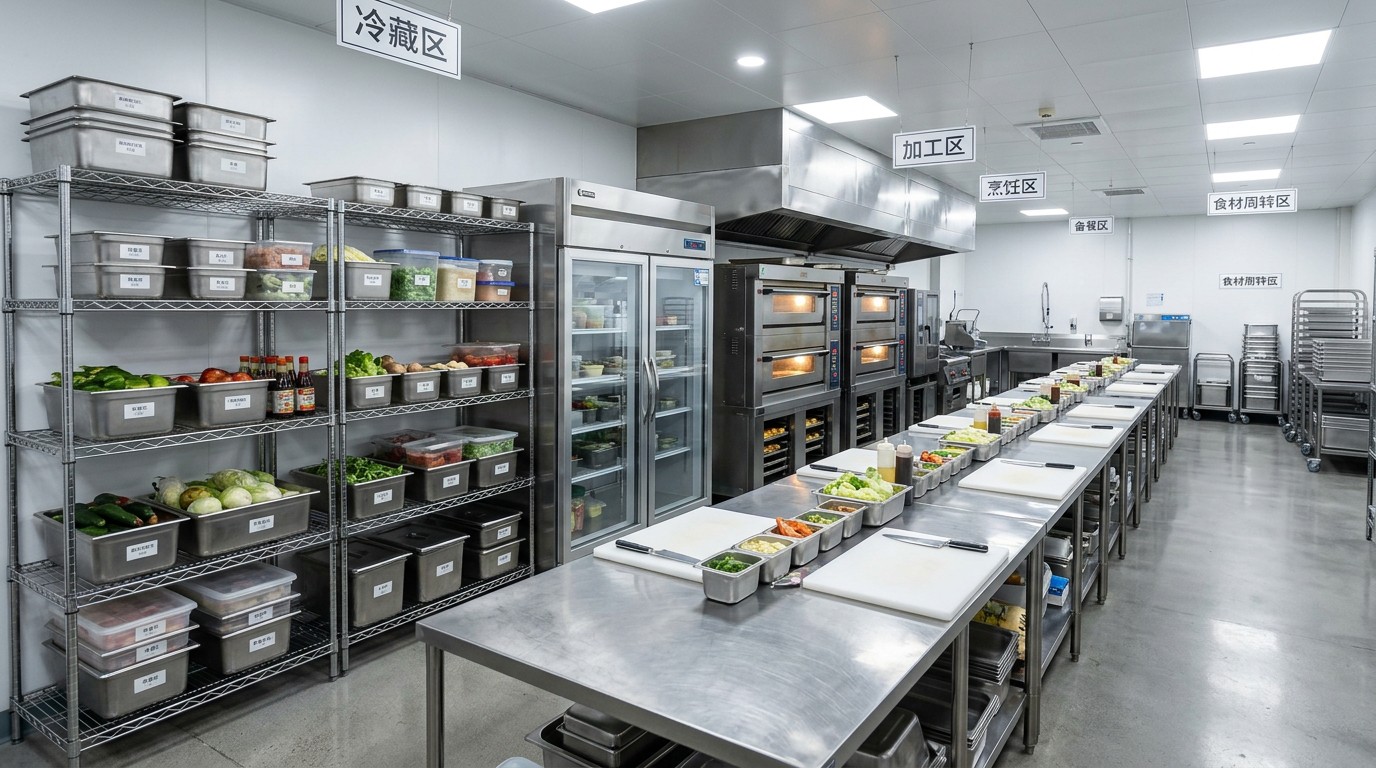
Choosing the right restaurant kitchen supplies can affect budget, workflow, and long-term efficiency. Whether you are comparing kitchen equipment wholesale sets or selecting individual items such as stainless steel kitchen equipment, a commercial refrigerator, or a commercial kitchen oven, the best option depends on your kitchen size, menu, and purchasing goals. This guide helps buyers and operators evaluate both strategies with practical insight.
In most cases, there is no single best answer for every business. Buying in sets is often better for new kitchens, standardized operations, and faster setup. Buying by item is usually better for kitchens with specialized menus, replacement needs, phased upgrades, or tighter control over specifications. For most buyers, the smartest approach is not “all sets” or “all individual items,” but a mixed strategy based on operational priorities.
Should you buy restaurant kitchen supplies in sets or by item?
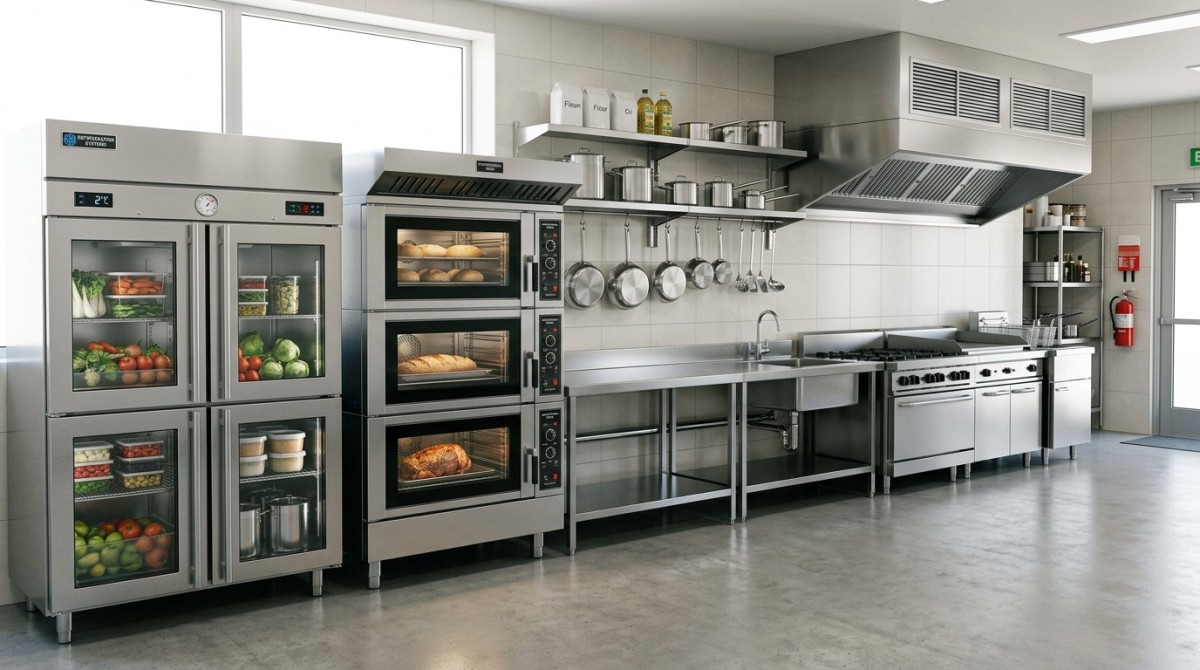
The core decision comes down to four factors: budget, kitchen workflow, menu requirements, and long-term flexibility.
If you are opening a new restaurant, central kitchen, or quick-service unit and need a full setup fast, kitchen equipment wholesale sets can simplify procurement. A bundled purchase may reduce sourcing time, improve product compatibility, and sometimes lower total upfront cost. This option is especially practical when the kitchen layout and menu are predictable.
If you already operate a kitchen, need replacements, or run a concept with unique production demands, buying by item gives you more control. You can select exact capacities, brands, materials, and performance levels for each station. This is often the better choice when one underperforming machine can affect food quality, speed, or labor efficiency.
For procurement teams and decision-makers, the question is not just purchase price. The real issue is total operating fit: will the chosen supplies support output, safety, maintenance, and future growth without creating hidden costs?
What are the main advantages of buying kitchen equipment in sets?
Buying in sets appeals to many restaurant owners and purchasing managers because it reduces complexity. Instead of comparing dozens of products separately, buyers can source a coordinated package of core equipment and supplies.
The main benefits include:
- Faster procurement: One supplier or a smaller group of suppliers means less time spent on comparison, negotiation, and coordination.
- Better consistency: Equipment lines designed to work together may fit more smoothly into the kitchen layout and power requirements.
- Potential cost savings: Kitchen equipment wholesale packages sometimes include better pricing than separate purchases, especially for startup projects.
- Simplified installation: Bundled solutions can reduce compatibility issues across refrigeration, cooking, prep, and storage zones.
- Easier vendor management: Fewer contacts can mean easier after-sales communication, spare parts sourcing, and warranty follow-up.
This approach is often well suited for chain restaurants, standard hotel kitchens, cafeterias, ghost kitchens, and businesses opening multiple sites with a repeatable format. If your kitchen concept is built around proven workflows rather than highly customized cooking methods, sets can save both time and management effort.
What are the risks of buying in sets?
The biggest risk is paying for convenience with reduced precision. A bundled package may include items that are acceptable on paper but not ideal in actual operation.
Common problems include:
- Overbuying or underbuying: You may get equipment capacity that does not match your production volume.
- Lower customization: A set may not reflect the specific needs of your menu, prep style, or staff workflow.
- Mixed-value bundles: Some suppliers use attractive package pricing to move slower-selling items.
- Uneven equipment quality: Not every item in a set offers the same durability or performance level.
- Limited upgrade flexibility: It may be harder to phase in premium equipment later if the original system was chosen for standardization only.
For operators, this can lead to practical frustration. For example, a bundled commercial kitchen oven may be sufficient for basic roasting but not ideal for high-speed baking or multi-batch consistency. A commercial refrigerator included in a set may fit the budget but fail to support temperature recovery during rush periods. These issues often become visible only after service begins.
When is buying restaurant kitchen supplies by item the better choice?
Buying by item makes more sense when kitchen performance matters more than package convenience. This is common in restaurants with specialized menus, premium positioning, or operational bottlenecks that require targeted investment.
You should strongly consider item-by-item purchasing if:
- You already have part of the kitchen in place and only need additions or replacements.
- Your menu depends on specific cooking methods, storage temperatures, or prep equipment.
- You want to compare brands for key categories such as stainless steel kitchen equipment, ovens, refrigeration, or ventilation.
- You are upgrading in stages to spread capital cost over time.
- You need better energy efficiency or smarter controls in selected equipment categories.
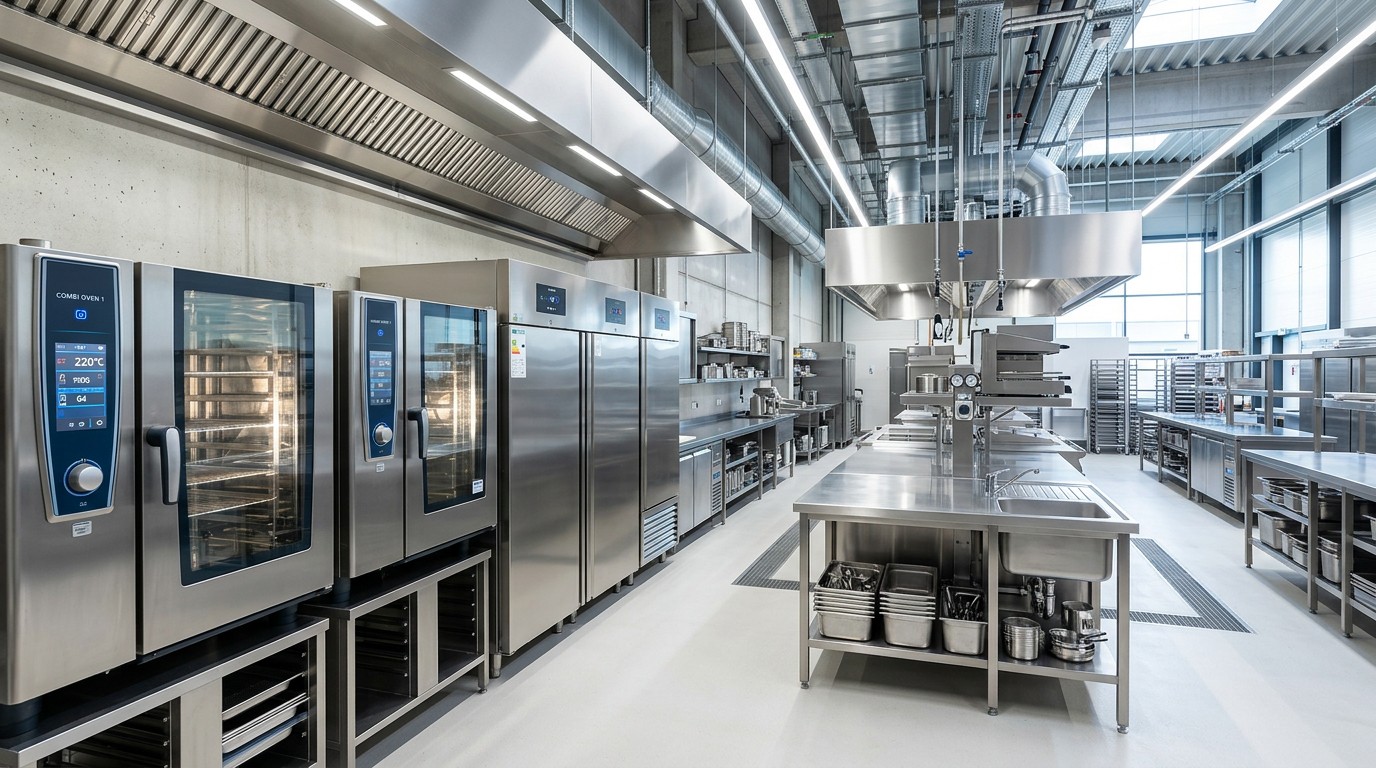
This method gives buyers more technical and commercial control. You can invest more where return is highest, such as refrigeration reliability, high-output fryers, or a better commercial kitchen oven, while choosing simpler products for low-impact areas like shelving or utility tables.
For growing businesses, phased procurement also reduces the risk of locking capital into equipment that may not fit future operations.
How should buyers compare total value instead of just purchase price?
Many purchasing mistakes happen because buyers focus too much on initial cost and too little on lifecycle value. A lower-priced package is not automatically cheaper over two to five years.
To compare options properly, evaluate these factors:
- Upfront cost: Equipment price, shipping, import cost, taxes, and installation.
- Operating cost: Energy use, water use, consumables, and labor efficiency.
- Maintenance cost: Service intervals, spare parts availability, and downtime risk.
- Productivity impact: Output per hour, prep speed, recovery time, and consistency.
- Space efficiency: Whether the equipment supports a practical workflow in the real kitchen footprint.
- Scalability: Ability to support menu expansion or volume growth.
For example, a higher-quality commercial refrigerator may cost more upfront but reduce food loss, improve temperature stability, and lower maintenance calls. Likewise, a better stainless steel kitchen equipment setup may improve sanitation, durability, and cleaning time. These operational gains matter to users, managers, and finance teams alike.
What questions should procurement teams and operators ask before deciding?
Before choosing sets or individual items, align procurement with real kitchen use. The best decisions usually come from cross-checking purchasing logic with operator input.
Ask these practical questions:
- What are the top five menu items, and what equipment do they depend on most?
- Which stations create the biggest workflow bottlenecks today or are likely to in the new layout?
- Is speed of opening more important than maximum customization?
- Which items must be premium-grade, and which can be standard-grade?
- How important are energy efficiency, smart controls, and future upgrades?
- Will maintenance be handled internally or by external service partners?
- Are replacement parts and technical support available in your market?
These questions help different stakeholders make better decisions:
- Information researchers want a clear framework for comparing options.
- Operators care about usability, cleaning, speed, and reliability.
- Procurement staff focus on supplier comparison, price control, and warranty terms.
- Business decision-makers care about ROI, risk, standardization, and long-term operating efficiency.
Which kitchen categories are most suitable for sets, and which are better bought individually?
A practical way to decide is to separate standardized items from performance-critical items.
Often suitable for sets:
- Worktables and sinks
- Basic stainless steel kitchen equipment and storage solutions
- Shelving and utility carts
- Smallwares and general prep tools
- Standardized cooking lines for repeatable formats
Often better bought individually:
- Commercial refrigerator and freezer units with specific capacity or temperature needs
- Commercial kitchen oven models tied to exact cooking results
- High-output cooking equipment for specialty menus
- Ventilation and extraction systems linked to local code and kitchen layout
- Smart or energy-efficient equipment where long-term savings matter
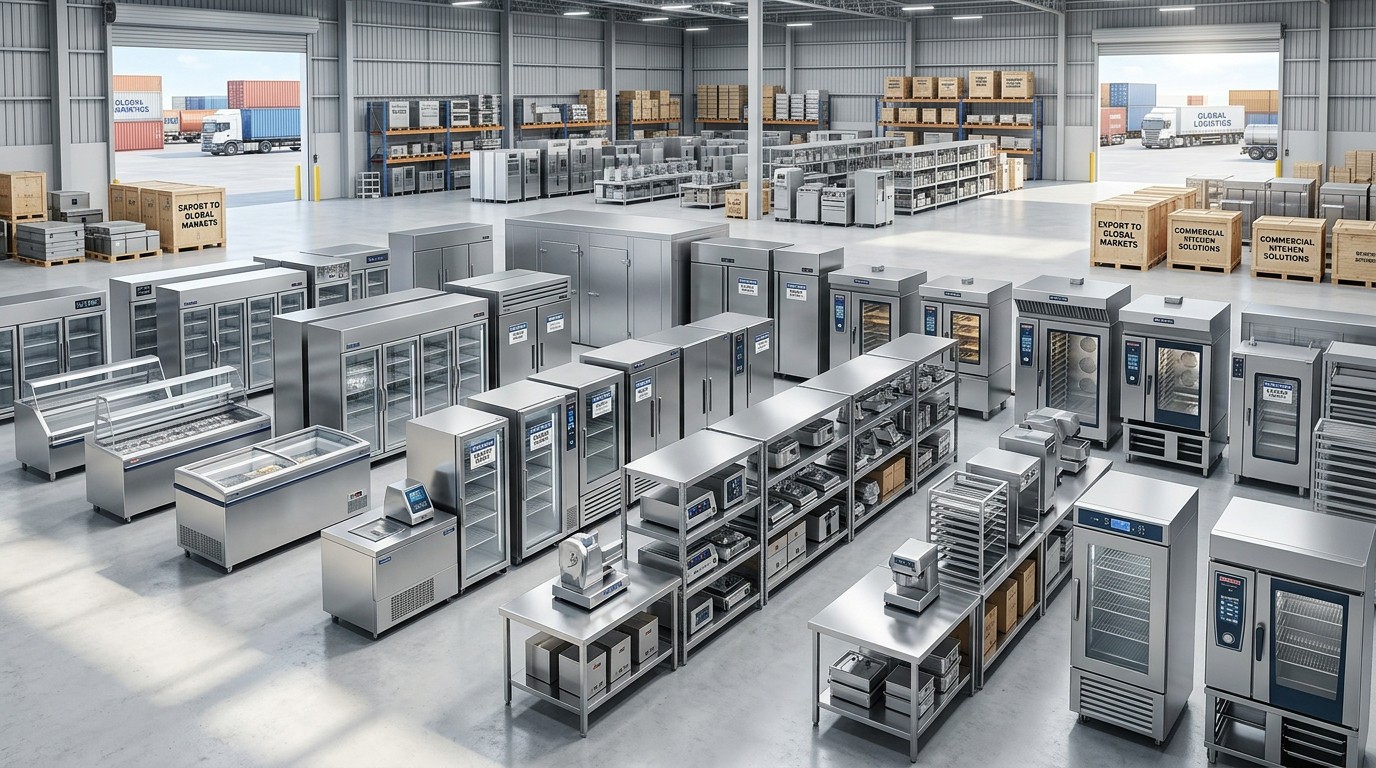
This category-based approach often leads to the best balance. Buyers can use kitchen equipment wholesale sourcing where standardization works, while reserving item-level selection for equipment that directly affects food quality, output, or energy cost.
A smart purchasing strategy for most restaurants
For many restaurants, the most effective approach is a hybrid model.
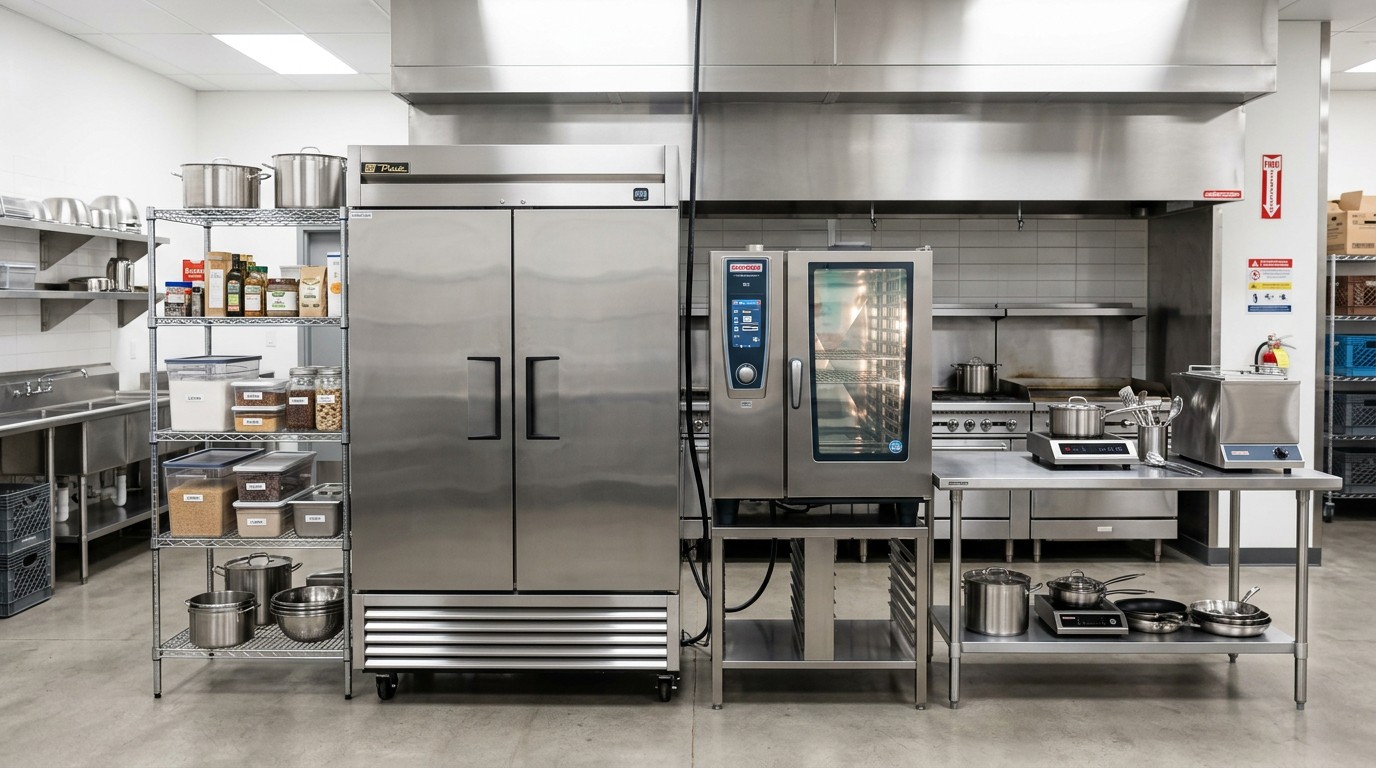
Buy standard infrastructure in coordinated sets to save time and reduce sourcing friction. Then buy mission-critical equipment by item based on menu, service volume, and operational risk. This helps control budget without sacrificing performance where it matters most.
A practical hybrid purchasing plan may look like this:
- Define menu and production flow first.
- Map the kitchen into prep, cooking, holding, refrigeration, cleaning, and storage zones.
- Use sets for low-risk, standardized categories.
- Select individual units for refrigeration, ovens, and specialty cooking equipment.
- Compare suppliers not only on price, but on service, lead time, compliance, and spare parts support.
- Review total cost of ownership before final approval.
This method is especially useful for businesses that want a practical mix of speed, cost control, and operational quality.
Conclusion
When choosing restaurant kitchen supplies, buying in sets is usually best for fast setup, standardization, and simpler procurement. Buying by item is usually better for customization, targeted upgrades, and performance-critical kitchens. For most restaurants, hotels, and foodservice businesses, a hybrid strategy delivers the strongest result.
The key is to match purchasing strategy to actual kitchen needs, not just supplier packaging or short-term price. If your goal is long-term efficiency, reliable output, and better return on investment, evaluate each category by its impact on workflow, food quality, maintenance, and growth. That is how buyers turn kitchen equipment decisions into business value.
Popular Tags
Kitchen Industry Research Team
Dedicated to analyzing emerging trends and technological shifts in the global hospitality and foodservice infrastructure sector.
Industry Insights
Join 15,000+ industry professionals. Get the latest market trends and tech news delivered weekly.
No spam. Unsubscribe anytime.
Contact With us
Contact:
Anne Yin (Ceramics Dinnerware/Glassware)
Lucky Zhai(Flatware)