
Stoneware Cereal Bowl Buying Mistakes to Avoid
Choosing the right stoneware cereal bowl seems simple, but small buying mistakes can affect durability, food safety, and daily usability. For buyers comparing a stoneware soup bowl, stoneware rice bowl, ceramic dessert bowl, or even a porcelain baking dish, understanding material quality, finish, and intended use is essential. This guide highlights the most common pitfalls to help users, purchasers, and decision-makers make smarter, longer-lasting kitchenware choices.
Why do buyers often choose the wrong stoneware cereal bowl?
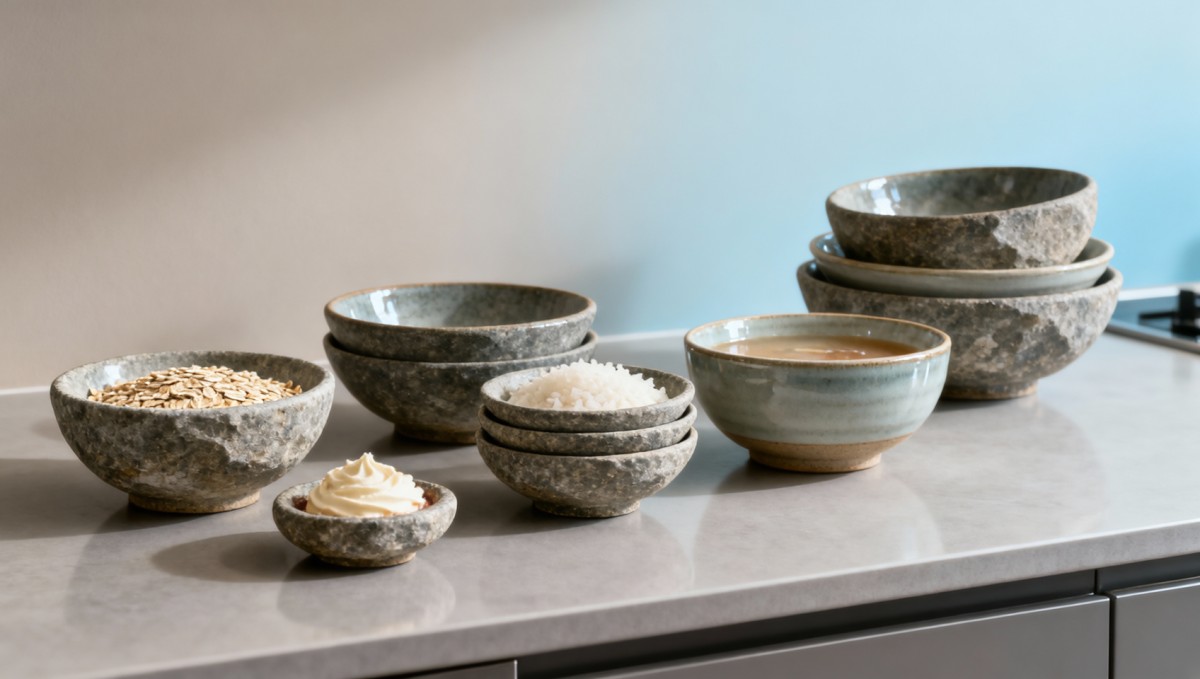
In the kitchen equipment industry, even a basic tableware item can become a purchasing risk when buyers focus only on appearance or unit price. A stoneware cereal bowl used in restaurants, hotels, central kitchens, or home settings must match actual operating conditions, including serving temperature, washing frequency, stacking pressure, and replacement cycle. Ignoring these factors often leads to breakage, glaze wear, or user complaints within 3–12 months.
Another common issue is assuming all ceramic products perform the same way. In practice, a stoneware cereal bowl, a stoneware soup bowl, a stoneware rice bowl, and a ceramic dessert bowl may look similar on a shelf, yet differ in wall thickness, water absorption, thermal shock resistance, and rim strength. For procurement teams managing medium or large-volume orders, these differences directly affect total cost, operational efficiency, and after-sales workload.
Global sourcing also complicates selection. Buyers often compare products from major kitchen equipment manufacturing regions such as China, Germany, Italy, and Japan, but not every supplier uses the same quality benchmark or production control. Without a clear checklist covering 5 key points—material body, glaze safety, dimensional consistency, edge finishing, and packaging protection—decision-makers may approve products that are visually attractive but operationally weak.
For foodservice operators, the risk goes beyond aesthetics. Bowls are handled many times per day, exposed to hot foods, dishwashers, storage racks, and transport. A poor purchase decision affects labor, hygiene confidence, and table presentation. That is why smart kitchen and integrated equipment planning should include even smallwares and serving pieces, not only cooking machines or automated systems.
- Price-first selection often overlooks lifespan and raises replacement frequency over 6–18 months.
- Style-first selection may ignore stackability, storage efficiency, and dishwasher suitability.
- Specification gaps can create inconsistency between sample approval and bulk delivery.
Which buying mistakes matter most in commercial and household use?
The first major mistake is confusing decorative stoneware with service-grade stoneware. A bowl intended mainly for display may have attractive reactive glaze or artisanal texture, but that does not guarantee suitability for daily cereal service, soup service, or rice portions. In hospitality and restaurant environments, bowls may go through 1–3 dishwasher cycles per day, which requires reliable glaze stability and strong resistance to chipping at the rim and foot.
The second mistake is buying the wrong size profile. A stoneware cereal bowl that looks elegant online may be too shallow for cereal and milk, too wide for portion control, or too narrow for easy spoon access. For operators, even a 1–2 cm difference in diameter or 100–200 ml difference in capacity changes plating consistency, food cost control, and tray compatibility. This is especially relevant in hotel breakfast service and institutional catering.
The third mistake is overlooking finish quality. Buyers often evaluate color and glaze pattern, but fail to inspect the contact areas. Rough foot rings can scratch tables. Uneven glaze can trap stains. Pinholes or craze-like surface defects may not cause immediate failure, but they weaken long-term appearance and increase cleaning difficulty. For open-kitchen and high-visibility dining formats, visual consistency matters as much as functional strength.
The fourth mistake is assuming microwave and dishwasher statements are enough. A bowl may technically tolerate microwave use, but repeated heating and cooling can still shorten service life if the body formulation and glaze fit are poor. The safer approach is to ask how the bowl performs across 3 use conditions: hot fill, machine washing, and stacked storage. This gives a more practical view than relying on a single marketing label.
Common mistakes and their operational impact
The table below helps purchasers compare common buying mistakes across commercial kitchens, hospitality service, and residential use. It focuses on realistic risk points rather than generic claims.
For procurement teams, the lesson is simple: the wrong bowl does not fail only at the moment of purchase. It fails later in the dish room, on the service line, during transport, or when customers notice quality inconsistency. A structured evaluation process reduces these risks before volume commitment.
How should you compare stoneware, ceramic, and porcelain options?
Many buyers compare a stoneware cereal bowl against a ceramic dessert bowl or a porcelain baking dish without separating form from material. “Ceramic” is a broad category, while stoneware and porcelain refer to more specific body types and firing characteristics. The right choice depends on use frequency, required appearance, temperature exposure, and handling conditions. In most daily serving applications, the best bowl is not the one with the most refined finish, but the one with the most balanced performance.
Stoneware is often selected for its solid feel, rustic appearance, and practical durability. It usually works well for cereal, soup, rice, and casual plated desserts. Porcelain can offer a denser body and a more refined visual style, but in some high-volume operations it may not always be the first choice if the concern is replacing losses at controlled cost. Buyers should compare at least 4 dimensions: body density, edge strength, thermal behavior, and visual consistency across batches.
Application also matters. A stoneware soup bowl may prioritize heat retention and deeper capacity. A stoneware rice bowl may need a smaller footprint and easier hand feel. A ceramic dessert bowl may focus more on presentation. A porcelain baking dish must withstand oven conditions not required for a cereal bowl. Mixing these use cases leads to costly over-specification or under-performance.
For enterprise decision-makers, standardizing too many functions into one product can create compromise. In many kitchens, a 2-tier or 3-tier bowl strategy works better: one general-use bowl for breakfast and side service, one deeper bowl for soups or grain bowls, and one presentation-focused piece for desserts. This improves operational fit without causing excessive SKU complexity.
Material and use comparison for practical selection
Use the following comparison table when evaluating whether a stoneware cereal bowl is the right purchase or whether another material or format better fits the intended service model.
This comparison shows that material choice should always follow usage. Procurement teams that define serving function first, then verify dimensions and durability, usually avoid the most expensive mistake: buying visually correct products that fail operationally.
What should purchasers inspect before placing a bulk order?
Before confirming a bulk order, purchasers should move beyond catalog images and request a structured sample review. A practical process often takes 7–15 days, depending on sample availability and shipping. During this stage, the goal is not only to approve appearance, but to confirm whether the stoneware cereal bowl supports target use conditions such as daily washing, stacking, transport, and repeated service. This step is especially important for importers, distributors, and hotel groups standardizing multiple outlets.
Dimensional consistency is one of the first checks. If the approved sample has one profile but bulk production varies in depth, rim thickness, or foot diameter, the bowls may not stack correctly or may disrupt portioning. For practical control, ask suppliers to confirm tolerances used in routine production, especially for manually finished or reactive glaze items where variation may be more visible. Even in decorative styles, consistency still matters in batch supply.
Packaging review is equally important. Buyers often inspect the bowl but ignore the shipping method. In global trade, damage risk rises when inner cartons, dividers, or pallet stability are not matched to bowl weight and finish. For medium and large shipments, the real procurement cost includes not only the product price, but also the breakage rate during transport, inbound handling time, and claims management workload.
Food-contact suitability should also be addressed carefully. If your market requires specific declarations or conformity documents, confirm them before order release, not after goods are packed. Different destinations may ask for different documentation standards, and enterprise buyers should align sourcing teams, compliance teams, and logistics teams early in the process to avoid 2–4 week delays.
A practical 6-point inspection checklist
- Measure diameter, height, and usable capacity to ensure the stoneware cereal bowl matches the menu or household portion requirement.
- Check rim and foot ring smoothness to reduce chipping risk and surface scratching during everyday handling.
- Inspect glaze for pinholes, uneven color zones, crawling, or stain-prone texture, especially in darker or reactive finishes.
- Run a stacking test with 5–10 pieces to confirm storage efficiency and stability on shelves or service carts.
- Review dishwasher and microwave suitability in relation to real use frequency, not just label claims.
- Confirm packaging layers, carton count, and replacement policy for transport damage before final payment terms are set.
A disciplined pre-order review often prevents the hidden costs that appear later. In many kitchen equipment projects, small serving pieces are purchased in high quantities, so a minor quality issue can quickly become a large operational issue across dozens or hundreds of units.
How do compliance, lifecycle cost, and replacement planning affect the final decision?
A low initial price does not always mean lower procurement cost. For a stoneware cereal bowl used in foodservice, the real cost includes sample review time, shipping protection, expected breakage, cleaning performance, and replacement frequency over 12–24 months. Buyers who calculate only the unit price may overlook the fact that a slightly stronger bowl can reduce replenishment orders, labor interruption, and mismatched table settings later.
Compliance also matters in cross-border and enterprise purchasing. While exact documentation depends on market destination, buyers commonly request general food-contact declarations, material safety statements, or test-related support documents. The key point is not to assume all suppliers prepare the same files. Clarifying documentation scope during quotation review is often faster than solving missing-paperwork issues after production is complete.
Replacement planning should be built into the initial sourcing decision. For example, if a hotel breakfast operation uses a bowl 2–3 times per day and expects long service continuity, it is wise to ask whether repeat orders can maintain color and shape consistency. This is particularly important for reactive glazes and handcrafted finishes, where natural variation is part of the design but must still stay within an acceptable commercial range.
In integrated kitchen supply environments, standardizing smallwares alongside larger kitchen equipment supports smoother operations. When bowl dimensions fit racks, shelving, washing baskets, and tray systems, the result is better efficiency and fewer handling errors. That is why professional sourcing should treat tabletop items as part of the wider kitchen workflow, not as isolated decorative purchases.
Questions decision-makers should ask suppliers
Quality and consistency
Ask how the supplier controls batch consistency for shape, glaze tone, and finish quality. For repeat projects over 6–12 months, this is often more important than the first sample itself.
Delivery and replenishment
Confirm normal lead time, reorder lead time, and whether seasonal production pressure may affect schedule. In many supply chains, a typical production and shipment window can vary by 2–6 weeks depending on order volume and destination.
Documentation and market fit
Clarify what food-contact or compliance support can be provided for your import market, sales channel, or institutional procurement framework. This prevents costly alignment gaps between sourcing and regulatory review.
FAQ and next steps for smarter bowl sourcing
Buyers often have similar final questions before choosing a stoneware cereal bowl. The answers below help connect product selection with real kitchen operations, from home use to commercial procurement. They also support teams comparing a stoneware soup bowl, stoneware rice bowl, ceramic dessert bowl, or porcelain baking dish as part of a broader sourcing plan.
How do I know if a stoneware cereal bowl is suitable for restaurant use?
Check whether the bowl can handle repeated dishwasher cycles, stable stacking, and frequent manual handling. Ask for sample review under 3 practical conditions: hot food service, machine washing, and storage stacking. Also verify that the size supports menu portioning and tray or shelf compatibility. Restaurant suitability is determined by operating rhythm, not by appearance alone.
Is a larger bowl always better for cereal or soup?
Not necessarily. A larger bowl may increase food cost variation, reduce storage efficiency, and feel awkward in fast service. In many cases, choosing the right capacity range and bowl depth is more important than choosing the biggest option. For breakfast and casual dining, usability often depends on spoon access, milk overflow control, and how the bowl feels in one hand.
What is the biggest mistake in bulk purchasing?
The most common mistake is approving a sample without confirming bulk consistency, packaging method, and replacement planning. A good-looking sample does not guarantee stable production results. Procurement teams should align sample approval, quality expectations, carton protection, and documentation before deposit release.
Can one bowl replace a stoneware soup bowl, rice bowl, and dessert bowl?
Sometimes, but not always. A single multi-use bowl may simplify inventory, yet it can compromise portion accuracy, service style, and guest presentation. In many operations, a 2-item or 3-item bowl range performs better than a one-size-fits-all strategy. The best approach depends on menu structure, storage space, and service speed.
Why choose us for sourcing support and quotation discussion?
We support buyers who need more than a simple product list. You can contact us to discuss bowl dimensions, capacity matching, glaze finish options, packaging method, sample support, estimated lead time, and documentation expectations for your target market. If you are comparing a stoneware cereal bowl with a stoneware soup bowl, stoneware rice bowl, ceramic dessert bowl, or porcelain baking dish, we can help narrow the options based on usage scenario and budget.
For distributors, hotels, restaurant groups, and project buyers, we can also assist with bulk selection logic, repeat-order consistency planning, and coordination with broader kitchen equipment procurement. Share your target quantity, preferred style, delivery window, and compliance requirements, and we can help you evaluate suitable options, sample arrangements, and quotation details with greater clarity.
Popular Tags
Kitchen Industry Research Team
Dedicated to analyzing emerging trends and technological shifts in the global hospitality and foodservice infrastructure sector.
Industry Insights
Join 15,000+ industry professionals. Get the latest market trends and tech news delivered weekly.
No spam. Unsubscribe anytime.

Contact With us
Contact:
Anne Yin (Ceramics Dinnerware/Glassware)
Lucky Zhai(Flatware)