
Restaurant supplies for hotels that cut replacement costs
For hotels seeking durable, cost-saving solutions, choosing the right restaurant supplies for hotels is more than a purchasing decision—it is a long-term strategy. From stainless steel restaurant supplies to energy efficient kitchen design, the right commercial restaurant supplies help reduce replacement frequency, improve daily operations, and support consistent service quality. This guide explores practical options for buyers, operators, and decision-makers looking to maximize value.
In hotel foodservice operations, replacement cost is rarely caused by one large failure alone. More often, it comes from repeated wear on cookware, breakage of tableware, corrosion in wet zones, overworked refrigeration systems, and poorly matched equipment that forces staff to improvise. When these issues happen across a 100-room, 200-room, or 500-room property, the annual budget impact can become significant.
For procurement teams, operators, and management, the goal is not only to buy lower-priced products. The real objective is to lower total cost of ownership over 3-5 years while keeping kitchens efficient, safe, and guest-ready. That requires a more structured approach to restaurant supplies for hotels, including material selection, workflow planning, maintenance scheduling, and supplier evaluation.
Why replacement costs rise in hotel foodservice environments
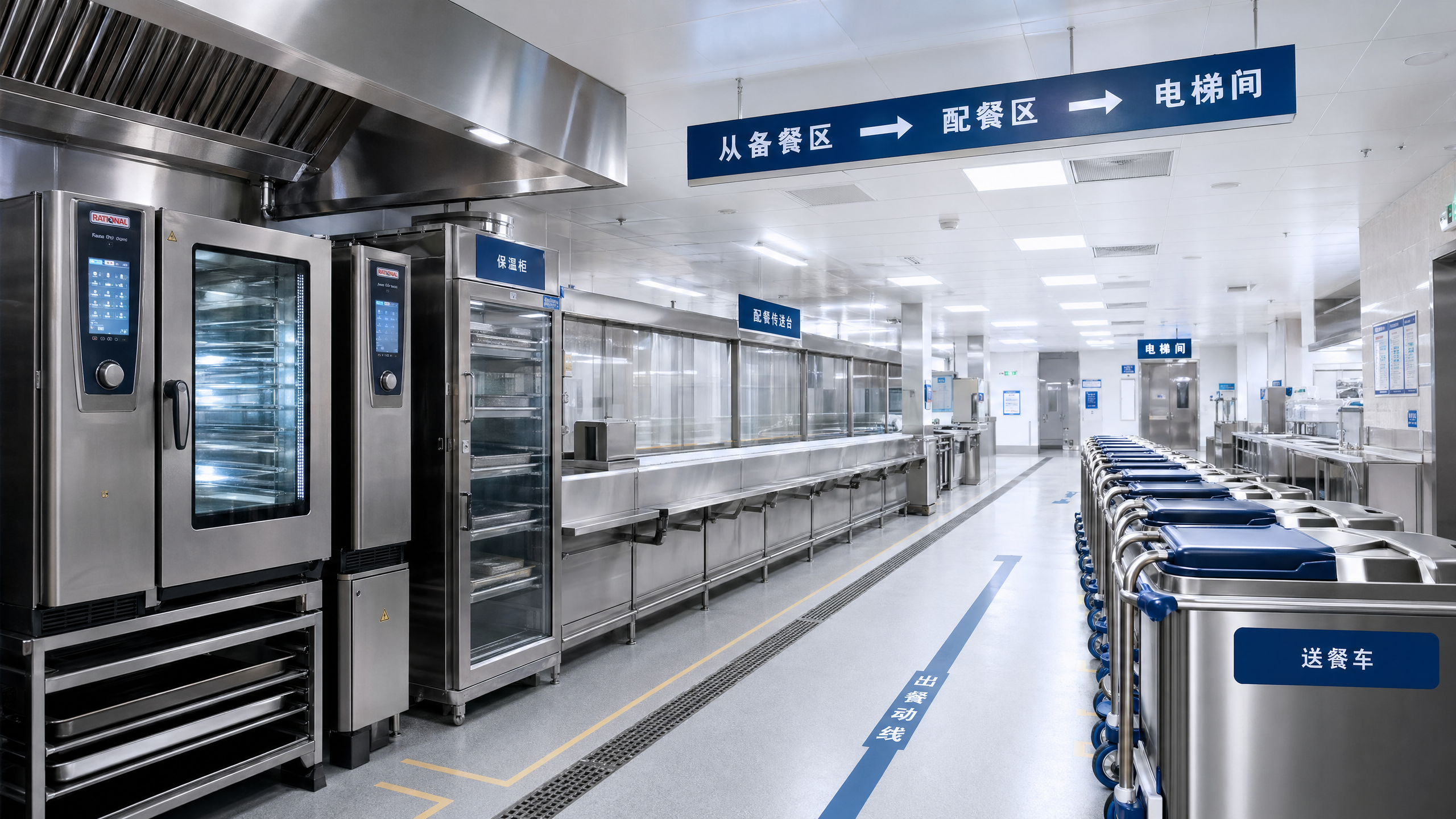
[[IMG:img_01]]Hotels place unique demands on commercial restaurant supplies because usage patterns are broader than in a single-concept restaurant. A hotel may run breakfast buffets, banquets, room service, poolside service, staff meals, and conference catering from one operation. That means supplies are exposed to high-frequency handling, temperature shifts, chemical cleaning, and multi-shift use for 12-18 hours per day.
Replacement costs usually rise for 4 main reasons: low-grade materials, poor product fit, inconsistent maintenance, and fragmented purchasing. For example, stainless steel restaurant supplies made with unsuitable gauges or low corrosion resistance may warp, dent, or discolor faster in humid kitchens. Likewise, glassware selected only by appearance may fail under banquet stacking and transport conditions.
Another common issue is underestimating lifecycle stress. A prep table used 50-80 times per shift, a dish rack moving through 3-5 wash cycles daily, or a fryer basket exposed to repeated thermal shock will not perform like equipment in lower-volume settings. Buyers who only compare unit price often miss these operational realities, which leads to shorter replacement intervals.
Hotels also face hidden replacement drivers linked to kitchen layout. In a congested line, carts hit worktables, staff stack utensils improperly, and refrigeration doors are opened more frequently. In these cases, product failure is partly a design problem. An energy efficient kitchen design with clearer zones and better storage can reduce both accidental damage and equipment overuse.
Typical cost pressure points in hotel supply categories
The table below shows where hotels most often see avoidable replacement spending and what usually causes it. These are common procurement and operational patterns rather than brand-specific claims.
The key takeaway is that replacement costs usually reflect a mismatch between product specification and operating intensity. Hotels that define usage conditions up front often reduce avoidable replacement cycles by selecting more durable commercial restaurant supplies from the beginning rather than correcting mistakes later.
Early warning signs to monitor
- Visible rust, pitting, or discoloration in wet-prep or dishwashing zones within 6-12 months.
- Repeated handle loosening, warped pans, or cracked lids in high-heat stations.
- Frequent emergency replacement orders that disrupt monthly procurement planning.
- Storage racks, trolleys, or banquet carts showing wheel failure after heavy daily movement.
How to choose durable restaurant supplies for hotels
Durability starts with matching materials and construction to the actual hotel environment. In practice, that means separating supplies by zone: hot line, prep, warewashing, cold storage, service, and transport. Each zone has different stress levels. A supplier that understands hotel kitchens can help define the right balance between durability, hygiene, and budget instead of offering one generic specification for every area.
Stainless steel restaurant supplies remain a strong choice for hotels because they offer corrosion resistance, cleanability, and structural reliability. However, not all stainless products perform the same. Buyers should compare finish quality, edge treatment, weld consistency, and load-bearing design. For high-contact surfaces, stable construction often matters more than decorative appearance.
For smaller tools and utensils, the focus should shift to ergonomics and cleaning durability. Tongs, ladles, hotel pans, cutting boards, and storage bins may look inexpensive individually, but they are replaced in volume. A property replacing 20-40 small items per month can quickly accumulate hidden procurement and labor costs through reordering, receiving, and staff retraining.
Hotels should also evaluate stackability, modularity, and interchangeability. When trays, containers, lids, shelving inserts, and service pieces share compatible dimensions, breakage drops and storage becomes more efficient. This is especially useful in banquet departments where setup and turnover may happen within 30-90 minutes between events.
Selection criteria by product type
The following comparison can help procurement teams prioritize durable features when sourcing restaurant supplies for hotels across several common categories.
This comparison shows that durable restaurant supplies for hotels are rarely defined by one feature alone. The winning specification is usually the one that fits the product’s environment, cleaning method, and handling frequency. That is why procurement teams should involve kitchen operators before final approval.
A practical 5-point buying checklist
- Map each item to a usage zone and estimate daily handling frequency.
- Review cleaning chemicals, water exposure, and temperature stress.
- Check whether parts are easy to replace within 7-14 days if needed.
- Standardize sizes to reduce storage complexity and spare inventory.
- Compare 3-year replacement expectations, not just the initial quote.
The role of energy efficient kitchen design in lowering equipment turnover
A hotel can buy strong commercial restaurant supplies and still see high replacement costs if the kitchen environment is working against them. Energy efficient kitchen design is often discussed in terms of utility savings, but it also affects durability. Better airflow, heat zoning, and traffic planning can extend the working life of refrigeration, prep surfaces, storage systems, and even smallwares.
For example, when hot equipment is placed too close to refrigeration, compressors work harder and maintenance frequency can rise. When dishwashing exits directly into congested storage space, wet handling increases drop risk and corrosion exposure. In high-volume hotel kitchens, even a 10-15% reduction in unnecessary movement can lower impact damage and improve cleaning consistency.
Workflow separation is especially important for properties handling breakfast peaks and banquet production on the same day. If receiving, cold prep, cooking, plating, and return warewashing are compressed into overlapping paths, the chance of collisions and rushed handling grows. Durable restaurant supplies perform best when they are supported by a layout that reduces abuse.
Integrated kitchen planning is also becoming more relevant as smart kitchen technologies and digital management systems spread. Monitoring door openings, cleaning intervals, and equipment loads can help hotel teams identify where frequent replacement is tied to process rather than product. This data-led approach is increasingly valuable in multi-property groups and central purchasing structures.
Layout factors that influence product lifespan
Before finalizing procurement, hotels should review how kitchen layout and utility planning affect service equipment, storage, and preparation areas. The table below summarizes common design-related issues.
The conclusion is straightforward: replacement cost control is partly a design decision. Hotels that connect restaurant supplies for hotels with layout planning often gain two benefits at once—longer product life and lower energy waste across the kitchen.
Where to start when upgrading an existing kitchen
- Review the 10-20 most frequently replaced items from the last 12 months.
- Check whether failures cluster in one zone such as warewashing or hot line production.
- Measure bottlenecks in transport distance, door opening frequency, and storage access.
- Prioritize layout adjustments that can be completed in 1-3 phases without stopping service.
Procurement strategy, maintenance planning, and supplier evaluation
A cost-saving procurement strategy combines specification discipline with planned maintenance. In many hotels, replacement spending rises because departments buy reactively. Kitchen, banquet, housekeeping support, and F&B management may all order overlapping items from different vendors. This creates inconsistent quality, spare-part confusion, and uneven service life across the property.
A better model is to group restaurant supplies for hotels into 3 bands: critical infrastructure, high-turn operational items, and presentation-focused service supplies. Critical infrastructure includes workstations, sinks, storage, and refrigeration support items that should be selected for 3-5 year durability. High-turn items such as utensils and pans need standardization and easy replenishment. Presentation-focused pieces should balance brand image with handling practicality.
Maintenance planning also plays a direct role in replacement reduction. A monthly inspection schedule for wheels, hinges, seals, handles, fasteners, and shelving load points can prevent minor wear from becoming total failure. For busy hotels, a 30-day, 90-day, and 180-day review cycle is often more effective than waiting for yearly audits.
Supplier evaluation should go beyond price sheets. Procurement teams should ask about material consistency, replenishment lead time, packaging protection, after-sales response, and whether supply categories can be consolidated. In international sourcing, delivery windows of 2-6 weeks may be normal depending on product complexity, so hotels should plan buffer stock for high-turn essentials instead of relying on emergency orders.
Key procurement decision factors
The table below can be used by buyers and decision-makers when comparing suppliers or building a hotel kitchen supply framework agreement.
When these factors are evaluated together, hotels gain more control over lifetime cost. This matters even more as the kitchen equipment industry moves toward smarter, more integrated systems where performance, maintainability, and interoperability increasingly shape procurement value.
Common mistakes that increase replacement spending
- Buying mixed sizes that prevent lids, racks, or transport carts from being shared.
- Ignoring operator feedback and selecting items that are difficult to clean or move.
- Using banquet-grade pieces in back-of-house heavy production zones.
- Failing to track replacement frequency by item category every quarter.
FAQ: practical questions from hotel buyers and operators
The questions below reflect common search intent from information researchers, operators, procurement teams, and business decision-makers comparing restaurant supplies for hotels in real purchasing cycles.
How do hotels know whether a supply item is truly cost-effective?
Compare the purchase price against expected service life, cleaning labor, and replacement frequency over at least 24-36 months. An item that costs 15-25% more upfront may still be more cost-effective if it lasts twice as long or reduces breakage during transport and washing.
Which areas should be upgraded first when budgets are limited?
Start with high-touch, high-failure zones: hot line utensils, prep surfaces, storage carts, warewashing accessories, and buffet transport equipment. These categories often create the fastest return because they combine frequent use with frequent replacement. Review the last 6-12 months of replacement records to prioritize accurately.
How long is a normal lead time for commercial restaurant supplies?
Lead times vary by category and sourcing model. Standard stock items may be available in 7-15 days, while customized stainless steel restaurant supplies or integrated kitchen components may require 3-6 weeks. Hotels should maintain a small safety stock for critical consumable tools and service accessories.
What should operators do to extend service life after purchase?
Use zone-specific cleaning methods, avoid overloading mobile equipment, standardize storage positions, and inspect wear points every 30 days. Staff training matters as much as product quality. Even durable commercial restaurant supplies can fail early if they are stacked incorrectly, cleaned with unsuitable chemicals, or used outside their intended load conditions.
Reducing replacement costs in hotel foodservice is not about finding the cheapest item on a quote sheet. It comes from selecting durable restaurant supplies for hotels, aligning them with kitchen workflow, supporting them with energy efficient kitchen design, and managing them through disciplined procurement and maintenance. Hotels that take this broader view usually see stronger operational consistency, lower emergency purchasing, and better long-term asset value.
If you are reviewing stainless steel restaurant supplies, evaluating commercial restaurant supplies for a renovation, or planning a more efficient hotel kitchen sourcing strategy, now is the right time to compare options based on total lifecycle value. Contact us to get a tailored solution, discuss product details, or explore more hotel kitchen equipment and supply strategies built for durability and cost control.
Popular Tags
Kitchen Industry Research Team
Dedicated to analyzing emerging trends and technological shifts in the global hospitality and foodservice infrastructure sector.
Industry Insights
Join 15,000+ industry professionals. Get the latest market trends and tech news delivered weekly.
No spam. Unsubscribe anytime.
Contact With us
Contact:
Anne Yin (Ceramics Dinnerware/Glassware)
Lucky Zhai(Flatware)