
Why Restaurant Kitchen Supplies Are Getting Pricier
Why Restaurant Kitchen Supplies Are Getting Pricier
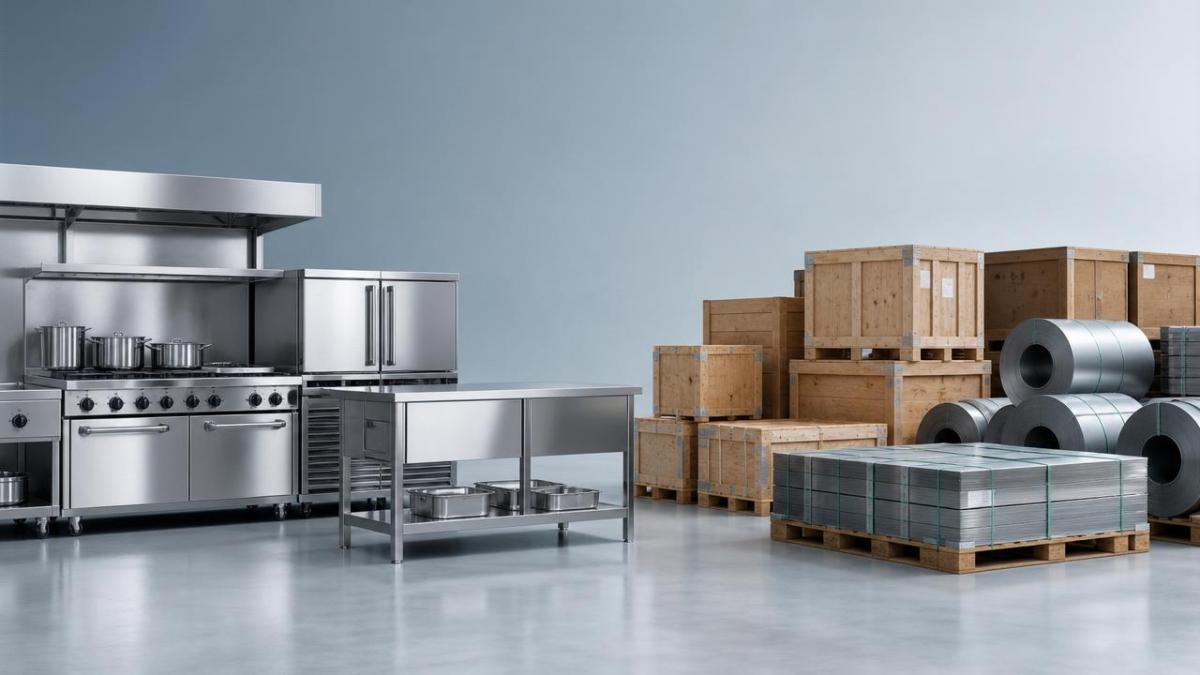
The rising cost of restaurant kitchen supplies is becoming harder to ignore across foodservice operations, hotels, catering sites, central kitchens, and food production facilities.
From stainless steel equipment to refrigeration units, prices are being pushed upward by material costs, supply chain pressure, labor shortages, and smarter equipment requirements.
Understanding these price drivers helps compare restaurant kitchen supplies more strategically and balance upfront cost with durability, safety, energy efficiency, and long-term value.
Why a Checklist Helps Control Restaurant Kitchen Supplies Costs
Restaurant kitchen supplies now cover more than basic tools and appliances. They include connected equipment, food processing machinery, cleaning systems, storage solutions, and compliance-related accessories.
A checklist reduces emotional buying and prevents missed specifications. It also makes supplier quotations easier to compare across materials, warranties, lead times, and operating costs.
Prices may look similar at first, but total ownership cost can differ sharply. Restaurant kitchen supplies with better insulation, motors, or controls may reduce utility bills.
A structured review also identifies when lower-priced restaurant kitchen supplies create hidden risks, such as downtime, spare parts delays, or premature replacement.
Core Checklist for Evaluating Restaurant Kitchen Supplies
- Compare raw material grades, especially stainless steel thickness, surface finish, corrosion resistance, and food-contact suitability before accepting a low quotation.
- Verify energy performance for ovens, fryers, refrigeration units, dishwashers, and holding equipment to estimate monthly operating cost.
- Check whether restaurant kitchen supplies meet relevant hygiene, electrical, gas, ventilation, and safety standards in the destination market.
- Review warranty scope, replacement part availability, service response time, and technical support before comparing purchase prices.
- Confirm lead times, packaging quality, shipping method, and import requirements because freight delays can increase project costs.
- Assess automation features carefully, including programmable controls, sensors, monitoring functions, and compatibility with kitchen management systems.
- Calculate lifecycle value by combining price, energy use, maintenance frequency, cleaning time, downtime risk, and expected service life.
- Request documentation such as manuals, certifications, installation diagrams, spare parts lists, and maintenance instructions before final approval.
This checklist makes restaurant kitchen supplies easier to evaluate when market prices move quickly. It also supports clearer negotiation with local and international suppliers.
Main Reasons Restaurant Kitchen Supplies Are More Expensive
Higher Stainless Steel and Component Costs
Stainless steel remains essential for many restaurant kitchen supplies because it resists corrosion, supports sanitation, and withstands heavy commercial use.
When nickel, chromium, aluminum, copper, and electronic component prices rise, equipment makers usually adjust quotations to protect production margins.
Cheaper substitutes may reduce the initial bill, but poor material quality can shorten service life and increase food safety risks.
Global Shipping and Supply Chain Pressure
Many restaurant kitchen supplies rely on international sourcing. Motors, compressors, controllers, valves, fittings, and finished products may cross several borders.
Container rates, port congestion, customs inspection, packaging costs, and longer transit times all affect landed cost.
A supplier with a lower unit price may become less competitive after freight, duties, documentation, and delivery risk are included.
Labor Shortages and Skilled Manufacturing Requirements
Commercial kitchen equipment production often needs welding, polishing, assembly, testing, electrical work, and quality inspection.
As skilled labor becomes more expensive, the cost of reliable restaurant kitchen supplies increases, especially for customized or heavy-duty products.
Labor pressure also affects installation, maintenance, repair, and after-sales service, which may be reflected in total project pricing.
Demand for Smart and Energy-Efficient Equipment
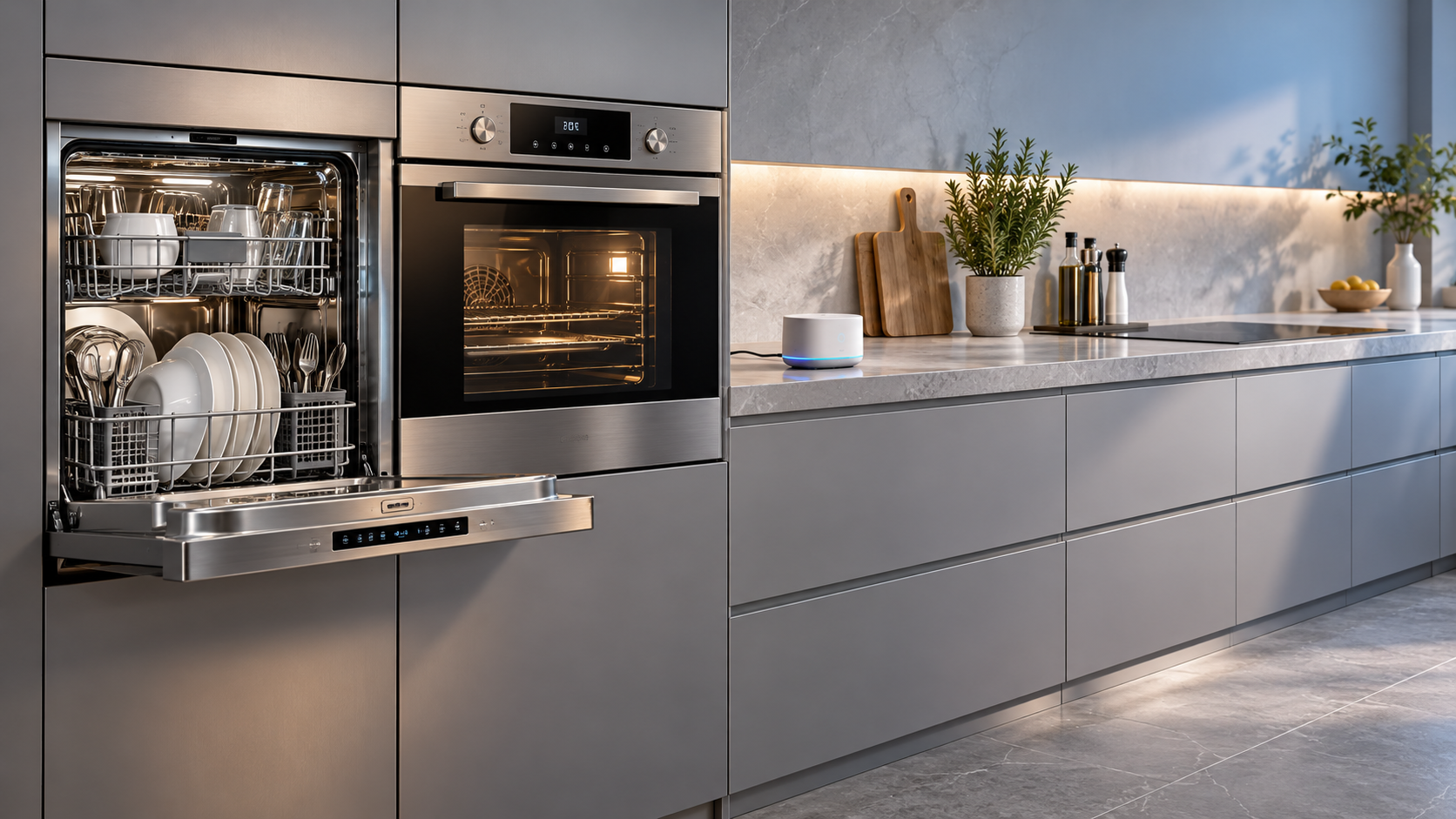
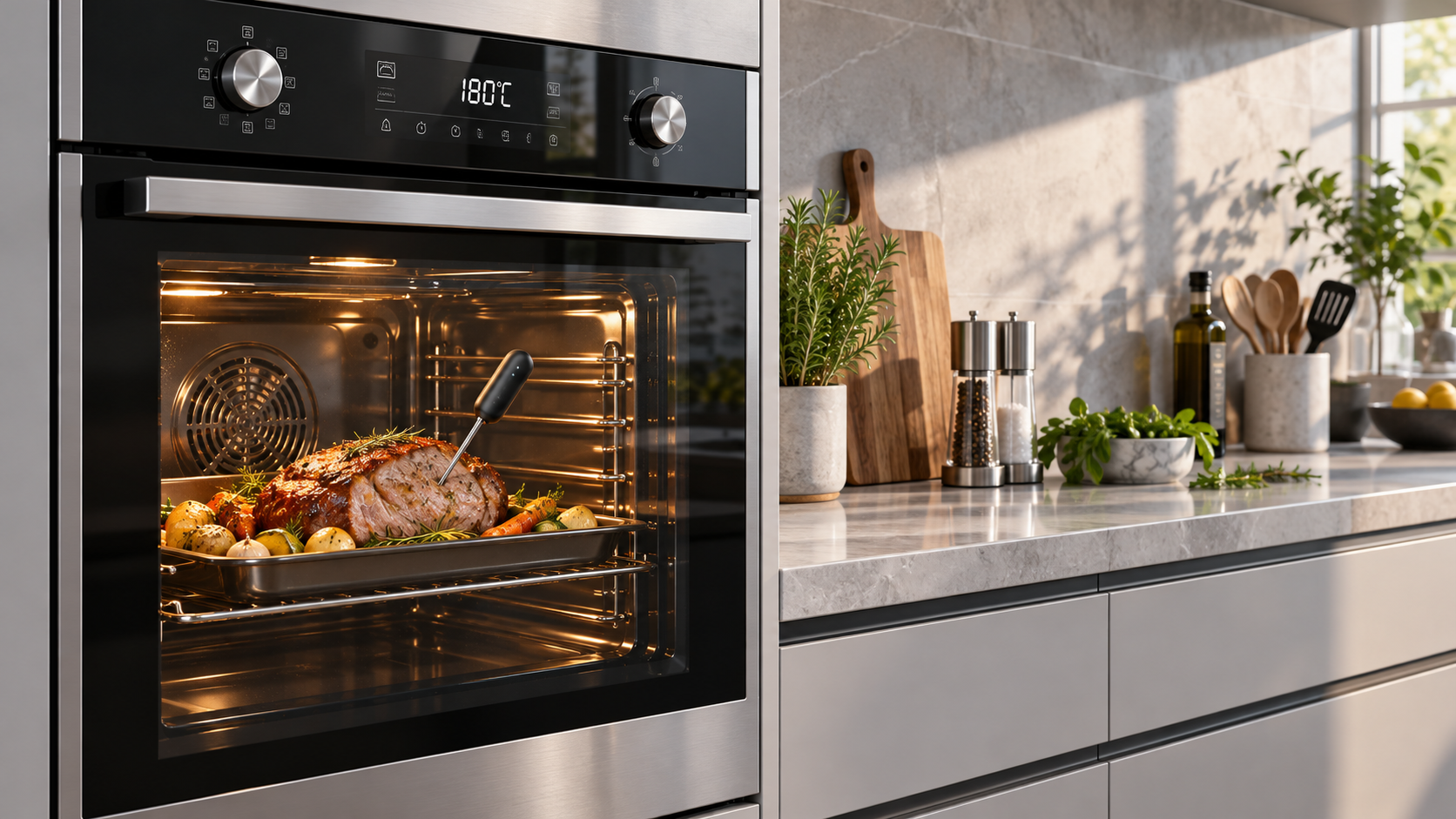
Modern restaurant kitchen supplies increasingly include sensors, digital controls, automated cooking programs, remote monitoring, and energy-saving designs.
These upgrades raise manufacturing complexity, but they may reduce waste, labor dependency, temperature fluctuation, and utility consumption.
The best decision is not always the lowest price. It is often the equipment that delivers stable performance at predictable cost.
Scenario Notes for Different Kitchen Applications
Full-Service Restaurants
Full-service kitchens need restaurant kitchen supplies that tolerate high heat, frequent cleaning, and continuous use during peak dining hours.
Cooking lines, prep tables, refrigeration, warewashing, and small utensils should be matched to menu complexity and daily production volume.
Hotels and Banquet Kitchens
Hotel kitchens often require flexible restaurant kitchen supplies because breakfast, banquets, room service, and events may share the same production areas.
Durable holding cabinets, combi ovens, large refrigeration systems, and modular prep equipment can improve consistency across changing service demands.
Central Kitchens and Food Processing Facilities
Central kitchens focus on volume, repeatability, traceability, and hygiene control. Restaurant kitchen supplies must support standardized output and efficient cleaning.
Automated mixers, slicers, packaging machines, blast chillers, conveyors, and digital monitoring systems may cost more but reduce manual variation.
Quick-Service and Cloud Kitchens
Quick-service operations need compact restaurant kitchen supplies that improve speed, reduce training time, and fit limited floor space.
Programmable fryers, rapid cook ovens, undercounter refrigeration, and organized storage systems help protect throughput during busy ordering periods.
Commonly Overlooked Cost Risks
Ignoring installation conditions: Restaurant kitchen supplies may require specific gas pressure, electrical capacity, drainage, ventilation, or clearance around equipment.
If these conditions are missed, site modification costs can exceed the savings gained from choosing a cheaper product.
Underestimating spare parts: Compressors, thermostats, gaskets, heating elements, belts, switches, and filters determine how quickly equipment returns to service.
Restaurant kitchen supplies without stable spare parts support can cause production delays, emergency repair fees, and avoidable downtime.
Choosing by catalog price only: A low quotation may exclude accessories, installation kits, freight, certifications, training, commissioning, or extended warranty coverage.
Always compare restaurant kitchen supplies using delivered and usable cost, not only the price printed beside the model number.
Overlooking cleaning labor: Poorly designed equipment surfaces, tight corners, weak drainage, and removable parts can increase daily sanitation time.
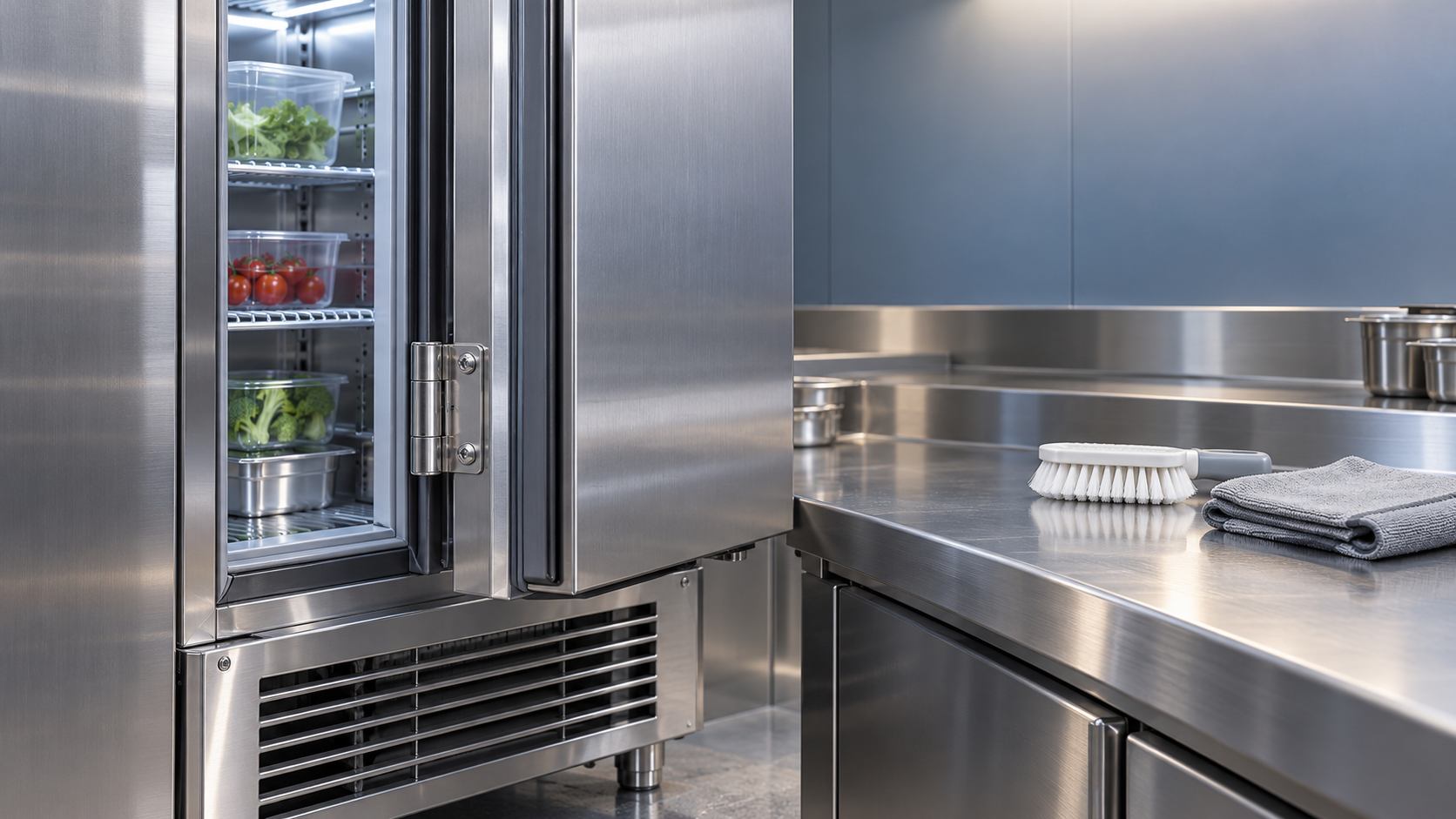
Easy-clean restaurant kitchen supplies reduce labor pressure and support stronger hygiene compliance during routine operations.
Practical Steps to Buy Smarter in a Rising Price Market
- Define required capacity, temperature range, cooking method, installation space, and cleaning process before requesting quotations.
- Separate essential restaurant kitchen supplies from optional upgrades so budget pressure does not affect critical equipment.
- Ask suppliers to quote comparable specifications, including material grade, certification, accessories, warranty, and freight terms.
- Compare at least three offers using lifecycle cost, not only purchase price, especially for refrigeration and cooking equipment.
- Negotiate spare parts packages, preventive maintenance support, operator training, and clear service response commitments.
- Plan purchases earlier for imported restaurant kitchen supplies, because lead time uncertainty can affect opening schedules.
When budgets are tight, standardizing equipment models can also reduce parts inventory, training complexity, and maintenance confusion.
For large projects, phased purchasing may help secure essential restaurant kitchen supplies first while delaying non-critical additions.
Summary and Next Action
Restaurant kitchen supplies are getting pricier because material markets, logistics, labor, compliance demands, and technology upgrades are changing at the same time.
The strongest buying decisions come from structured comparison, realistic lifecycle costing, and careful review of supplier capability.
Start by listing required equipment, checking installation conditions, confirming certifications, and comparing delivered cost across reliable suppliers.
Use the checklist above to evaluate restaurant kitchen supplies by performance, durability, serviceability, and operating value before committing budget.
Popular Tags
Kitchen Industry Research Team
Dedicated to analyzing emerging trends and technological shifts in the global hospitality and foodservice infrastructure sector.
Industry Insights
Join 15,000+ industry professionals. Get the latest market trends and tech news delivered weekly.
No spam. Unsubscribe anytime.

Contact With us
Contact:
Anne Yin (Ceramics Dinnerware/Glassware)
Lucky Zhai(Flatware)