
Durable kitchen tools can lower replacement costs
For kitchen operations, purchasing decisions are no longer based only on upfront price.
Durable kitchen tools can reduce replacement frequency, improve operational stability, and support long-term cost control.
They matter in restaurants, hotels, food processing facilities, central kitchens, and residential cooking spaces.
As foodservice demand rises, reliable tools become strategic assets, not routine consumables.
Understanding durability helps compare suppliers, manage lifecycle value, and improve daily performance.
What makes durable kitchen tools different from standard tools?
Durable kitchen tools are designed for repeated use under pressure, heat, moisture, impact, and frequent cleaning.
They usually combine stronger materials, better finishing, safer handles, and more consistent production quality.
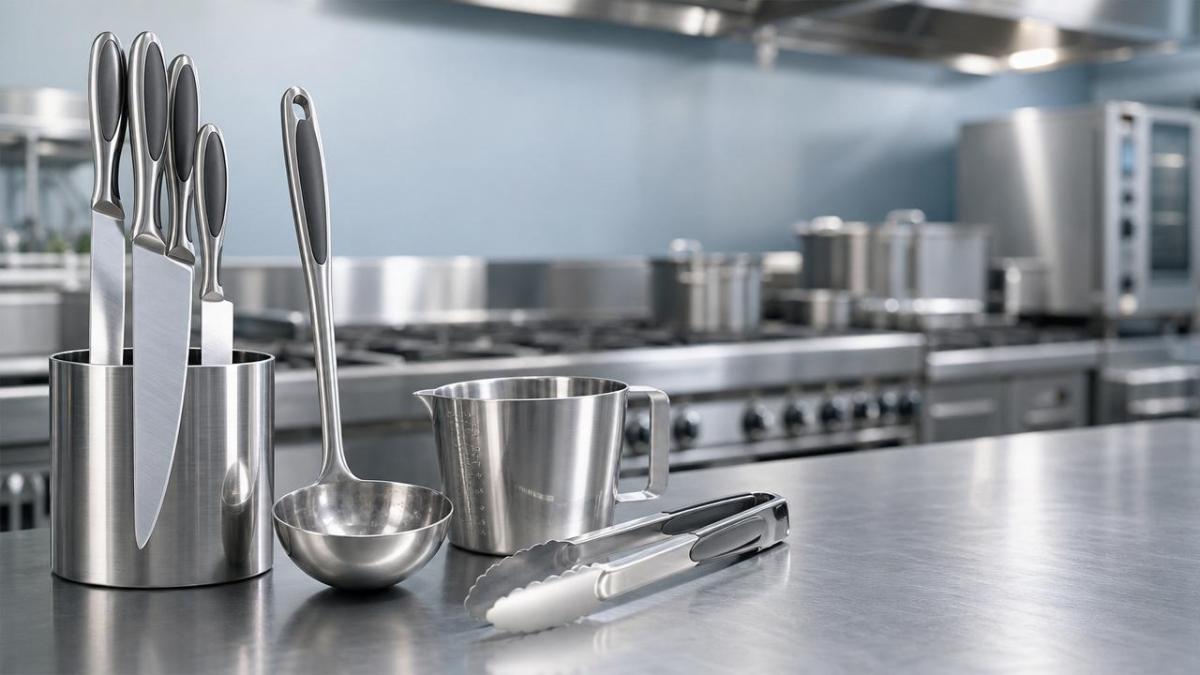
A low-cost utensil may work well at first, but wear often appears after intensive service cycles.
Durable kitchen tools resist bending, cracking, corrosion, dulling, loosening, and surface degradation.
In commercial kitchens, this difference affects preparation speed, hygiene control, and staff confidence.
A sturdy ladle, knife, tong, pan, scraper, or measuring tool supports predictable work during peak hours.
The core value is not simply strength, but stable performance over a longer service life.
Which materials usually improve durability?
Material selection strongly influences whether durable kitchen tools deliver long-term savings.
- Stainless steel offers corrosion resistance and easy sanitation.
- High-carbon steel supports sharpness retention for cutting tools.
- Silicone handles heat exposure and protects coated surfaces.
- Cast aluminum provides light weight and efficient heat transfer.
- Reinforced polymers suit light tools exposed to moisture.
The best choice depends on temperature, cleaning method, food contact requirements, and usage intensity.
How can durable kitchen tools lower replacement costs?
Replacement cost is not limited to the price of a new item.
It also includes downtime, reorder handling, inventory gaps, inconsistent preparation, and disposal waste.
Durable kitchen tools reduce these hidden costs by extending usable life.
A tool replaced once every three years often costs less than a cheaper item replaced every few months.
This becomes clearer when multiplied across multiple stations, shifts, branches, or production lines.
What lifecycle factors should be calculated?
A practical cost review should consider purchase price, maintenance, cleaning compatibility, failure rate, and replacement interval.
Durable kitchen tools should also be assessed by labor impact and safety performance.
For example, a knife that stays sharp longer reduces sharpening frequency and preparation delays.
A pan with stable coating lowers food waste, cleaning time, and quality inconsistency.
Where are durable kitchen tools most valuable?
Durable kitchen tools create value wherever cooking, preparation, storage, and service happen repeatedly.
In restaurants, they support speed and consistency during lunch and dinner rushes.
In hotels, they help maintain standardized service across banquet, buffet, bakery, and room dining areas.
In food processing plants, durability supports sanitation cycles and continuous output.
In household kitchens, durable kitchen tools reduce waste and improve cooking comfort.
Which operations benefit first?
High-volume kitchens usually see the fastest return from durable kitchen tools.
Frequent cutting, stirring, portioning, frying, baking, and cleaning quickly expose weak construction.
Cold preparation areas need corrosion-resistant tools that tolerate moisture and acidic ingredients.
Hot cooking stations need handles, coatings, and metals that stay stable under heat.
Central kitchens need standardized durable kitchen tools to simplify training, stocking, and maintenance.
How should durable kitchen tools be selected?
Selection should begin with actual work conditions, not product appearance alone.
The right durable kitchen tools match task intensity, cleaning process, food type, and safety expectations.
A tool used for light home cooking differs from one used in a high-output kitchen line.
Ergonomics also matter because heavy tools can slow work and increase fatigue.
What should be checked before purchase?
- Confirm food-contact material compliance.
- Check welding, rivets, joints, edges, and handle security.
- Review heat, impact, and corrosion resistance.
- Ask whether tools are dishwasher safe.
- Compare warranty, spare parts, and supplier support.
- Test samples under real kitchen conditions when possible.
Durable kitchen tools should feel balanced, easy to clean, and suitable for repeated movement.
A smooth finish helps sanitation, while poor seams can collect moisture and residues.
What mistakes increase costs despite buying durable kitchen tools?
Even durable kitchen tools can fail early if they are used outside their intended conditions.
A common mistake is using one tool for every task, regardless of design limits.
Another issue is poor cleaning practice, especially with harsh chemicals or unsuitable dishwasher cycles.
Storage also affects lifespan. Moisture, stacking pressure, and impact can damage edges and coatings.
How can maintenance extend service life?
Basic maintenance protects the value of durable kitchen tools.
- Clean tools promptly after use.
- Dry metal items before storage.
- Separate sharp tools from other utensils.
- Avoid overheating nonstick or coated items.
- Inspect cracks, loose handles, and worn surfaces regularly.
Simple routines can delay replacement and protect hygiene standards.
They also make it easier to plan purchasing before failures disrupt service.
How do durable kitchen tools compare with cheaper alternatives?
Cheaper tools may be suitable for light or temporary use.
However, intensive kitchens usually need durable kitchen tools with verified performance and stable construction.
The right comparison is total ownership cost, not shelf price alone.
A lower price can become expensive when replacements, delays, waste, and safety concerns are included.
What questions should guide the final decision?
Before committing, the decision should connect tool performance with kitchen workflow and cost targets.
Durable kitchen tools should support efficiency, food safety, and predictable replacement planning.
Useful questions include:
- Will this tool face daily heavy use?
- Does the material match heat, moisture, and cleaning exposure?
- Can the supplier provide consistent specifications?
- Is the tool easy to inspect, clean, and store?
- Does the expected lifespan justify the purchase price?
When these answers are clear, durable kitchen tools become easier to compare across suppliers.
Conclusion: how can replacement costs be reduced in practice?
Durable kitchen tools lower replacement costs by lasting longer and performing more consistently.
They also reduce hidden expenses linked to downtime, waste, cleaning problems, and unpredictable failures.
The most practical next step is to list high-use tools and review their current replacement frequency.
Then compare materials, construction, cleaning suitability, warranty terms, and real workload requirements.
Choosing durable kitchen tools with a lifecycle mindset supports safer, smoother, and more cost-efficient kitchen operations.
Popular Tags
Kitchen Industry Research Team
Dedicated to analyzing emerging trends and technological shifts in the global hospitality and foodservice infrastructure sector.
Industry Insights
Join 15,000+ industry professionals. Get the latest market trends and tech news delivered weekly.
No spam. Unsubscribe anytime.

Contact With us
Contact:
Anne Yin (Ceramics Dinnerware/Glassware)
Lucky Zhai(Flatware)