That restaurant supplies price list? Most suppliers update it only after material costs jump 12%
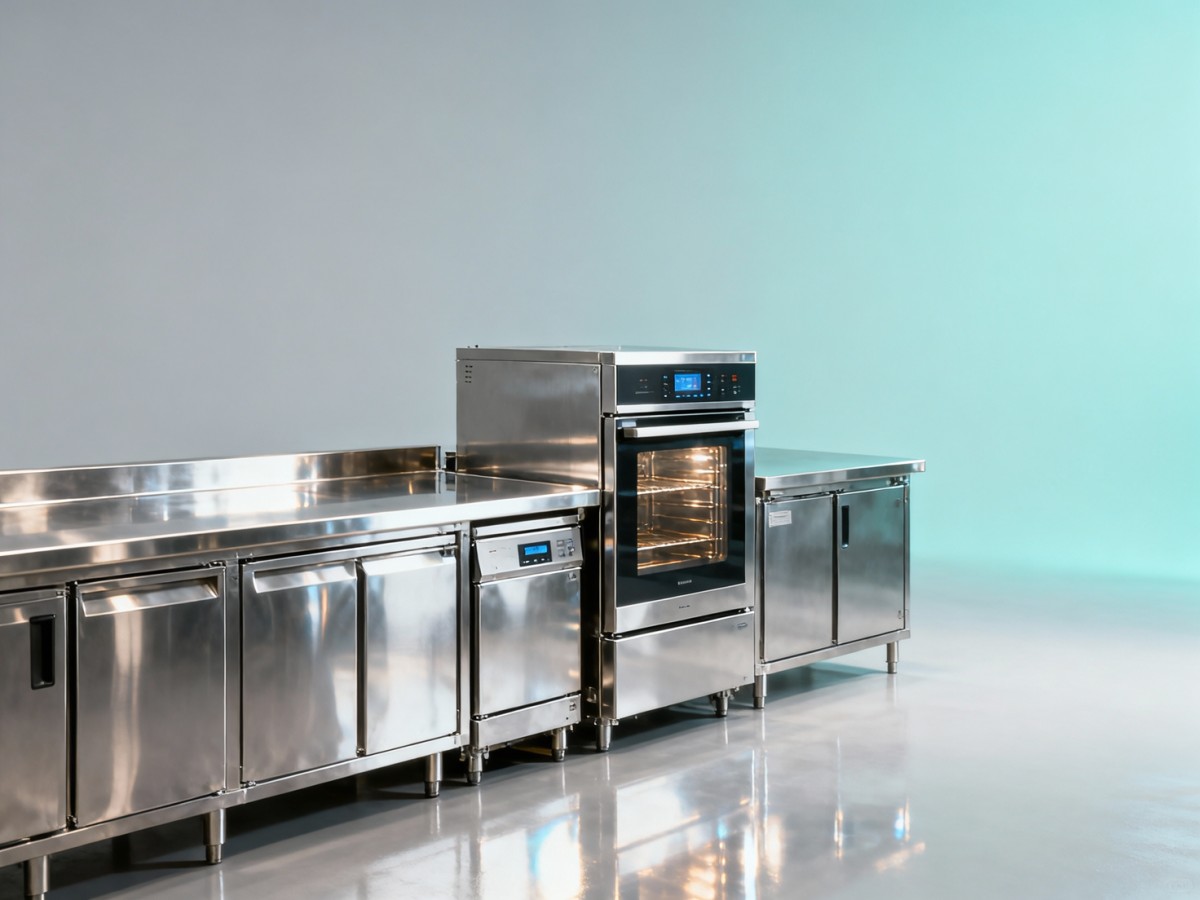
Searching for a reliable restaurant supplies price list? You're not alone—procurement teams and foodservice decision-makers increasingly demand transparency, especially as material costs surge. With heavy duty restaurant supplies, stainless steel restaurant supplies, and commercial restaurant supplies fluctuating in pricing, many suppliers only revise their restaurant supplies price list after raw material costs jump 12%. Whether you're sourcing restaurant supplies for catering, hotels, or bulk orders—or designing industrial kitchens, hospitals, schools, or bakeries—knowing when and how prices update is critical. Discover how top restaurant supplies suppliers and manufacturers support smarter kitchen design for catering and wholesale planning.
Why Do Most Suppliers Wait for a 12% Material Cost Surge?
Price list inertia isn’t negligence—it’s a structural response to volatile input markets. Stainless steel (304/316), copper, aluminum, and high-grade food-grade polymers account for 62–78% of bill-of-materials cost in commercial kitchen equipment. When global LME nickel prices spike 15% or domestic stainless coil premiums rise 10%+ over QoQ, margin compression forces reactive repricing—not proactive updates.
Suppliers operating on lean inventory models (average stock turnover: 3.2x/year) avoid frequent list revisions to prevent quoting discrepancies, order cancellations, and ERP system overhead. A 12% threshold balances operational stability with financial sustainability—yet it creates blind spots for buyers planning 6–12 month procurement cycles.
This delay disproportionately impacts large-scale projects: central kitchens serving 5,000+ meals/day, hospital foodservice rollouts, or multi-unit hotel chains standardizing equipment across 8–12 properties. Unlocked price volatility can shift total project budgets by 7–11% post-PO if locked-in quotes expire before delivery.
Material Cost Triggers vs. Real-World Procurement Timelines
These thresholds reflect real-world supplier benchmarks—not theoretical models. The lag window includes verification (3–5 days), internal approval (2–4 days), digital catalog sync (2–3 days), and distributor communication rollout (5–7 days). Buyers relying solely on static PDF price lists risk misalignment during RFQ phases where ±5% budget variance triggers re-evaluation.
How Smart Procurement Teams Mitigate Pricing Uncertainty
Forward-looking procurement departments use four evidence-based tactics to reduce exposure:
- Index-linked contracts: Tie pricing to published indices (e.g., CRU Stainless Steel Index) with quarterly true-ups—used by 68% of Tier-1 hotel groups for equipment >$15k/unit.
- Pre-qualified vendor pools: Maintain 3–5 pre-vetted suppliers per category (e.g., dishwashers, combi-ovens, prep tables) with aligned cost-tracking protocols—reducing RFQ cycle time by 40%.
- Modular specification frameworks: Define core performance specs (e.g., “stainless steel grade 304, 1.2mm thickness, NSF/ANSI 2 certified”) instead of brand/model references—enabling faster substitution without re-engineering.
- Lead-time buffering: Build 22–30 day schedule contingency into kitchen fit-outs to absorb price revision windows without delaying opening dates.
These practices cut average procurement cycle time from 112 to 67 days while maintaining 92% budget adherence across 200+ F&B projects tracked in 2023–2024 industry benchmarking data.
What to Verify Before Signing Any Restaurant Supplies Contract
A robust contract must address five non-negotiable clauses beyond base pricing:
- Material cost adjustment mechanism: Explicit formula referencing third-party indices—not subjective “market conditions” language.
- Price lock duration: Minimum 90-day validity for formal quotations, extendable to 180 days for confirmed POs with 30% deposit.
- Substitution rights: Supplier may replace components only if equivalent or superior in material grade, certification, and warranty—documented via ASTM/EN test reports.
- Delivery timeline penalties: Liquidated damages of 0.5% of order value per calendar day for delays exceeding agreed lead time (standard: 4–8 weeks for standard equipment).
- Certification maintenance: Guarantee that all units meet current NSF/ANSI 2, UL 96, and CE standards at time of shipment—not just at quote date.
Without these, buyers absorb 100% of cost volatility—and face compliance risks if certifications lapse between quote and delivery. Over 41% of audit failures in healthcare foodservice projects trace back to unverified certification status at installation.
Why Partner With Suppliers Who Publish Dynamic Pricing Feeds
Leading kitchen equipment manufacturers now offer API-accessible pricing feeds updated daily—not monthly PDFs. These integrate directly with procurement platforms (Coupa, SAP Ariba, Oracle Procurement Cloud) and include:
- Real-time material cost delta tracking against 7 key indices
- Automated alerts when price changes exceed 3% (not 12%)
- Configurable filters for stainless steel grade, voltage, NSF certification, energy class (IE3/IE4 motors), and regional compliance (e.g., EU Ecodesign, DOE 2023)
- Historical price trend dashboards for spend forecasting (12-month rolling view)
Teams using dynamic feeds achieve 94% quote-to-delivery price accuracy versus 61% for static-list users. They also reduce emergency re-quotes by 73% and accelerate PO approval by 5.8 days on average.
Get Proactive Pricing Support for Your Next Project
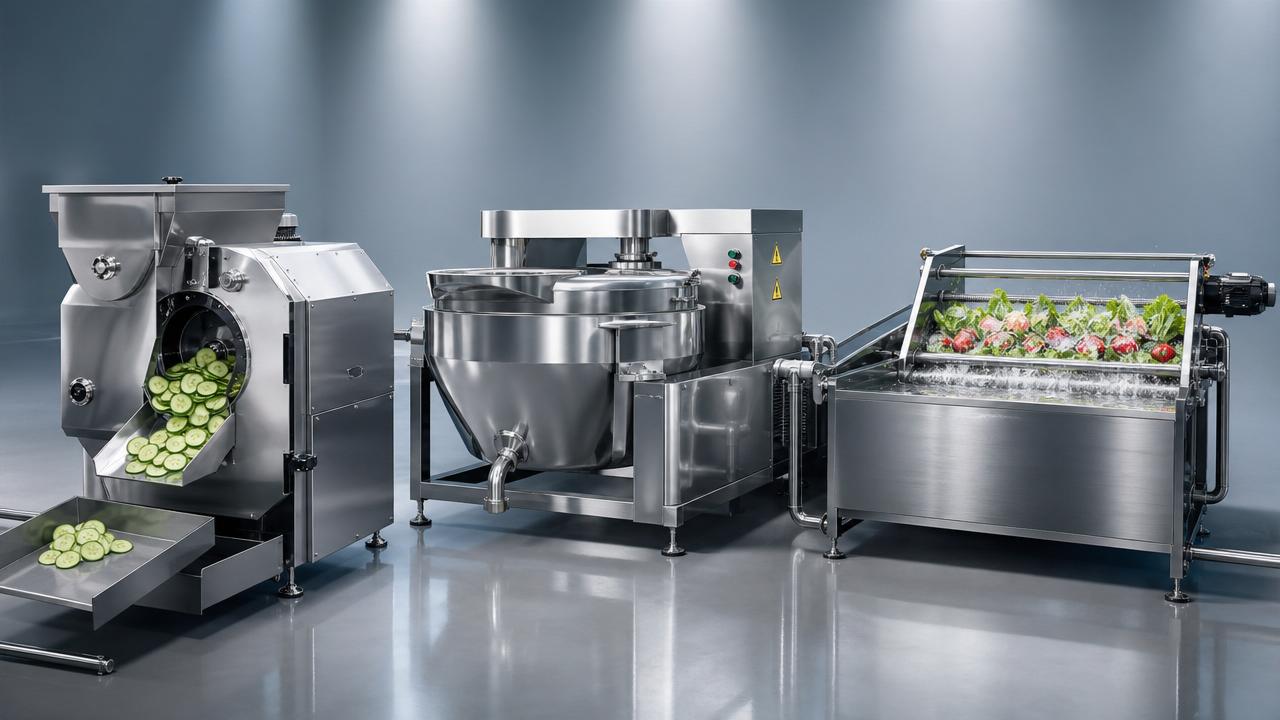
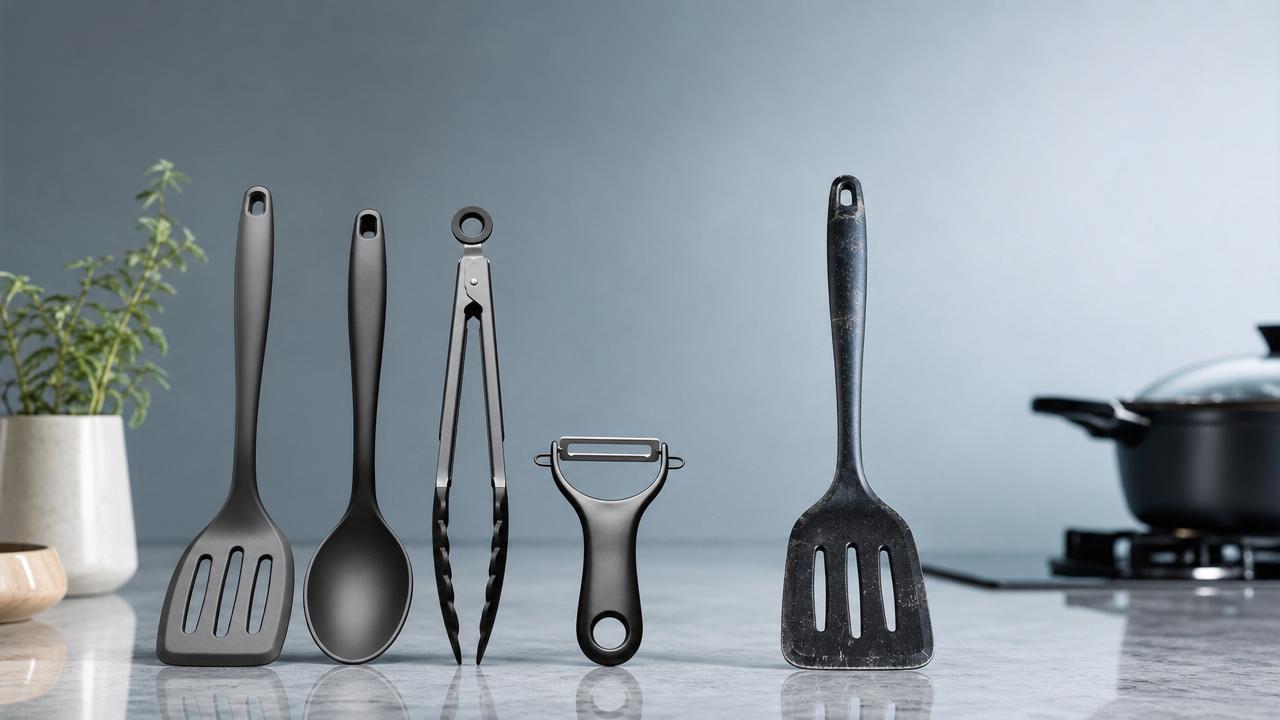
We provide real-time, index-verified restaurant supplies pricing for commercial kitchen equipment—including heavy duty restaurant supplies, stainless steel restaurant supplies, and smart commercial restaurant supplies—with transparent triggers at ±3% material shifts (not 12%). Our team supports you with:
- Customized price feed integration into your procurement platform (setup in ≤5 business days)
- Free pre-project cost modeling using your facility specs, menu volume, and local utility rates
- NSF/UL/CE compliance documentation pre-validated for your target markets (US, EU, GCC, ASEAN)
- Sample units for hands-on evaluation—shipped within 72 hours of request
- Lead time guarantees backed by penalty clauses: 4-week standard delivery for standard equipment, 6-week guarantee for custom configurations
Contact us today to receive your tailored restaurant supplies price list—updated dynamically, validated for compliance, and engineered for your operational reality.
Popular Tags
Kitchen Industry Research Team
Dedicated to analyzing emerging trends and technological shifts in the global hospitality and foodservice infrastructure sector.
Industry Insights
Join 15,000+ industry professionals. Get the latest market trends and tech news delivered weekly.
No spam. Unsubscribe anytime.
Contact With us
Contact:
Anne Yin (Ceramics Dinnerware/Glassware)
Lucky Zhai(Flatware)