
Restaurant kitchen equipment setup mistakes that raise costs
Many cost overruns start before the first service begins. A flawed restaurant kitchen equipment setup often locks in higher labor, energy, repair, and compliance costs for years.
As foodservice operations become more automated, connected, and efficiency-driven, restaurant kitchen equipment setup decisions now affect total cost of ownership more than many operators expect.
This shift matters across the broader kitchen equipment industry. Smart appliances, energy-efficient systems, and integrated kitchen layouts are raising expectations for performance, safety, and measurable returns.
The result is clear: setup mistakes are no longer minor installation issues. They are strategic cost risks that influence throughput, food quality, downtime, and long-term asset value.
Why restaurant kitchen equipment setup is becoming a bigger cost issue
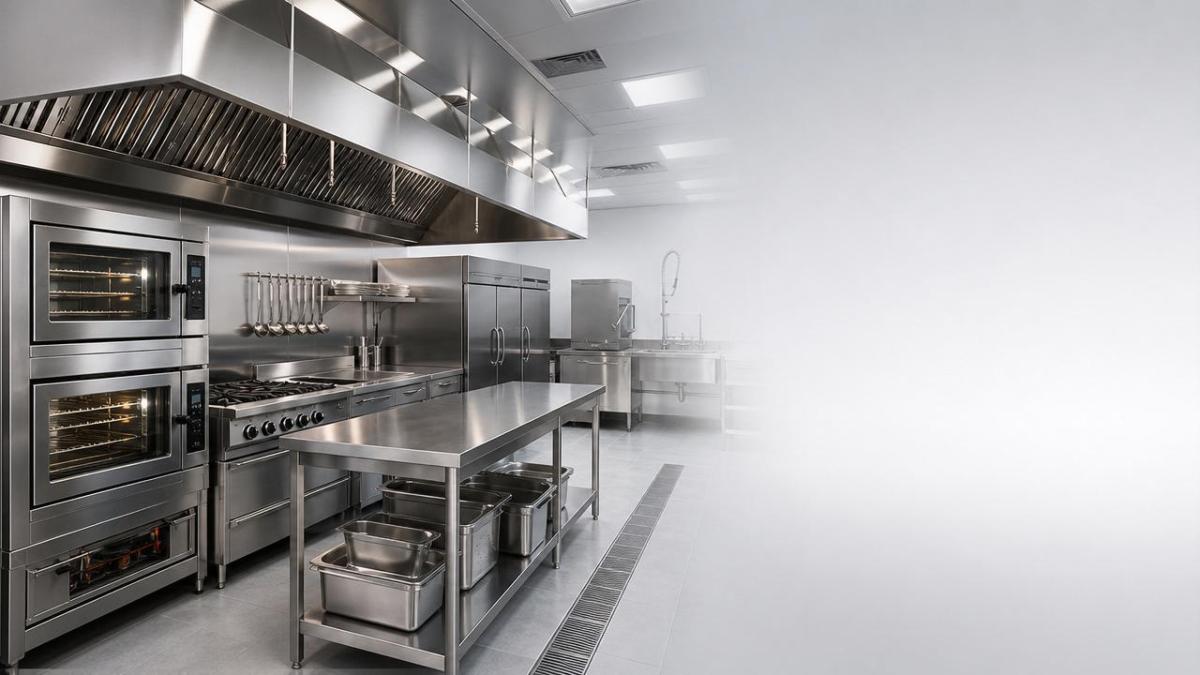
The kitchen equipment sector is changing quickly. Digital controls, higher utility prices, tighter food safety expectations, and labor shortages are reshaping what a successful restaurant kitchen equipment setup must deliver.
In the past, many layouts focused mainly on fitting equipment into available space. Today, poor placement, undersized utilities, and disconnected systems can undermine efficiency from day one.
This is especially relevant in restaurants, hotels, central kitchens, and food processing-linked operations. Equipment no longer works as isolated units. It operates as part of an integrated production environment.
That means restaurant kitchen equipment setup must support workflow, ventilation, cleaning access, digital monitoring, maintenance planning, and future expansion at the same time.
The strongest signals behind rising setup costs
Several industry shifts explain why setup errors now create larger financial consequences than before.
The setup mistakes that silently raise operating costs
1. Buying for peak output without matching actual workflow
Oversized equipment looks safe on paper, but it often wastes energy, floor area, and cleaning time. It may also require larger ventilation and electrical capacity than necessary.
A better restaurant kitchen equipment setup starts with realistic production volumes, menu mix, prep cycles, and service peaks rather than maximum theoretical demand.
2. Ignoring utility coordination during restaurant kitchen equipment setup
Gas, water, drainage, power, and ventilation must be planned together. When one system is undersized, the entire line loses efficiency or requires expensive post-installation changes.
This issue is common when equipment selection happens before engineering review. The result is delayed startup, unstable performance, or repeated service calls.
3. Creating poor movement paths between stations
A weak restaurant kitchen equipment setup often forces unnecessary walking between storage, prep, cooking, holding, and dishwashing areas. Small delays multiply across every shift.
When hot and cold paths cross, safety risks increase. When clean and dirty flows overlap, sanitation control becomes harder and slower.
4. Leaving no space for cleaning and maintenance access
Tight installation may save space initially, but blocked access around equipment raises service time and cleaning difficulty. Grease buildup, hidden leaks, and part failures become more likely.
Maintenance access is not extra space. It is part of cost control in any durable restaurant kitchen equipment setup.
5. Underestimating ventilation and heat load
Poor air balance affects comfort, cooking consistency, and equipment life. Excess heat also increases HVAC demand and can slow staff performance during peak periods.
As kitchens adopt higher-output or automated cooking equipment, ventilation planning becomes even more important for sustainable operation.
6. Missing future technology and menu expansion needs
Many kitchens now add combi ovens, smart holding systems, digital monitoring, or automated prep equipment after opening. A rigid setup makes each upgrade expensive.
Flexible utility points and modular thinking protect the restaurant kitchen equipment setup from becoming outdated too quickly.
Why these mistakes matter across business performance
The financial effect goes beyond equipment invoices. Setup quality shapes daily productivity, guest experience, food consistency, and the useful life of assets.
- Higher utility use from inefficient placement and ventilation
- More labor hours caused by poor movement and waiting time
- Faster wear from overheating, overloading, or weak cleaning access
- Increased downtime when maintenance teams cannot reach key components
- Food safety exposure from weak zoning and traffic conflicts
- Lower adaptability when menu strategy changes
In a broad industry context, these effects also influence supplier relationships, replacement cycles, and sustainability targets. Poor setup weakens the value of even high-quality equipment.
What deserves closer attention in restaurant kitchen equipment setup now
Current industry direction suggests several priorities should move higher in planning decisions.
- Workflow-first layout planning instead of product-first placement
- Energy modeling for cooking, refrigeration, and ventilation loads
- Clear separation of raw, cooked, clean, and waste pathways
- Service clearance around major appliances and utility points
- Compatibility with digital controls and smart monitoring tools
- Scalability for menu evolution and volume growth
- Material and equipment choices that support easier sanitation
These priorities align with larger trends in the kitchen equipment industry, where intelligence, efficiency, and integrated systems are replacing isolated purchasing decisions.
A practical way to reduce setup risk before costs escalate
How to judge whether a setup decision supports long-term returns
A strong restaurant kitchen equipment setup should answer a few clear questions before installation begins.
- Does the layout reduce steps during peak production?
- Can each major unit operate at efficient load levels?
- Are ventilation and utilities matched to real demand?
- Can cleaning and service happen without moving multiple machines?
- Will the setup still work if the menu or volume changes?
If several answers are unclear, the setup likely carries hidden cost exposure. Addressing those gaps early is usually cheaper than correcting them after opening.
The next move should be prevention, not correction
The biggest lesson from current industry trends is simple. Restaurant kitchen equipment setup should be treated as a performance system, not just an installation task.
When setup aligns with workflow, utility planning, sanitation, and future technology, costs become easier to control and equipment value lasts longer.
Review existing plans or operating kitchens against the mistakes above. Small layout corrections, utility checks, and access improvements can prevent larger long-term losses.
In a market moving toward smart, efficient, and integrated kitchens, better restaurant kitchen equipment setup is one of the most practical ways to protect margins and improve returns.
Popular Tags
Kitchen Industry Research Team
Dedicated to analyzing emerging trends and technological shifts in the global hospitality and foodservice infrastructure sector.
Industry Insights
Join 15,000+ industry professionals. Get the latest market trends and tech news delivered weekly.
No spam. Unsubscribe anytime.
Hot Articles
 How to Select Restaurant Kitchen Equipment for High-Volume Catering Operations
- Hygienic Restaurant Kitchen Design: Layout Rules to Reduce Cross-Contamination
- Why Glass Tea Servers Crack—and How to Prevent Thermal Shock When Brewing Tea
- How to Choose a Glass Tea Server for Hot and Cold Brewing Without Cracking


Contact With us
Contact:
Anne Yin (Ceramics Dinnerware/Glassware)
Lucky Zhai(Flatware)