
What Makes Stoneware Dinnerware a Safer Daily Choice?
Choosing tableware for everyday meals is about more than style—it also affects food safety, durability, and long-term comfort at the table.
Stoneware dinnerware has become a popular daily choice because it feels sturdy, handles heat well, and suits modern household and foodservice kitchens.
For people who care about safe materials, easy cleaning, and reliable use, understanding stoneware dinnerware helps support healthier daily meals.
Why Stoneware Dinnerware Matters in Daily Kitchen Scenarios
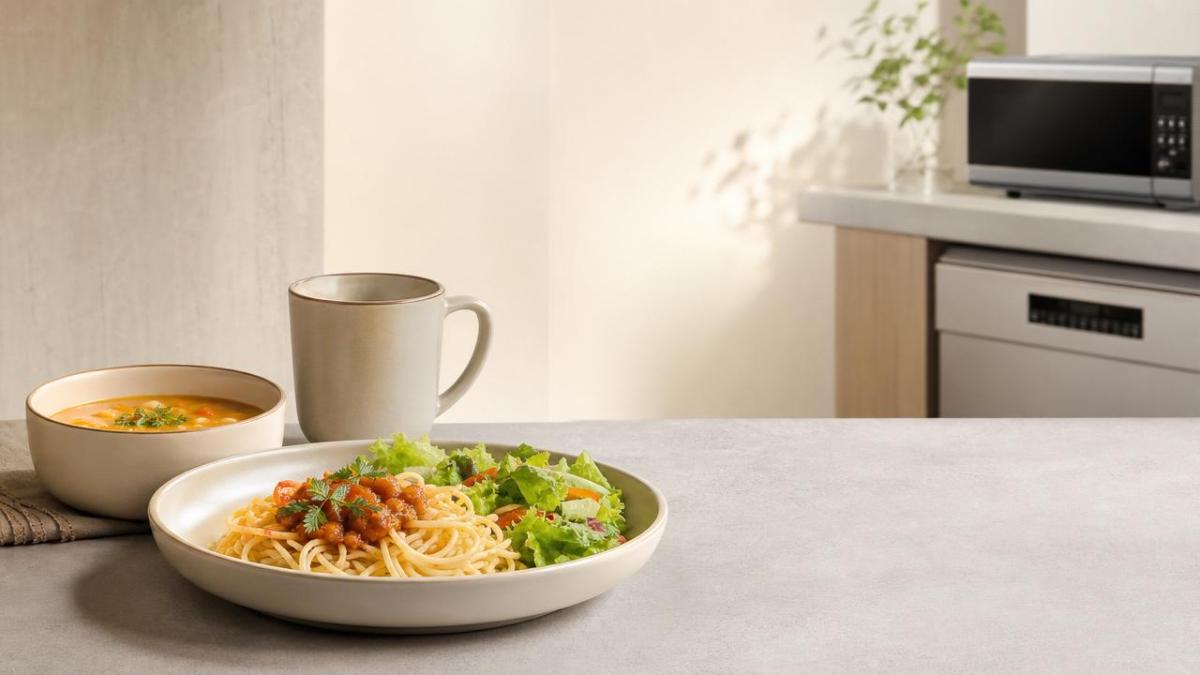
Daily tableware faces repeated contact with hot food, acidic sauces, dishwashers, microwaves, and sudden handling pressure.
That makes material choice important in both home kitchens and light commercial dining spaces.
Stoneware dinnerware is fired at high temperatures, creating a dense ceramic body with dependable strength and practical heat resistance.
Compared with very delicate ceramics, stoneware dinnerware usually offers a more forgiving balance between beauty and everyday resilience.
Compared with some plastic tableware, it avoids concerns about softening, staining, odors, and heat-related material changes.
In kitchens focused on food safety, stoneware dinnerware supports a cleaner serving routine when properly glazed and maintained.
Scene One: Family Meals Need Safe Contact and Everyday Durability
At home, plates and bowls are used repeatedly for breakfast, lunch, snacks, and reheated dinners.
The main concern is not only appearance, but whether the surface remains stable after repeated washing and heating.
Quality stoneware dinnerware uses a glazed surface that helps reduce food absorption and makes cleaning easier.
This matters when serving soups, pasta sauces, curries, roasted vegetables, or oily dishes.
A dense glazed surface helps prevent lingering smells and discoloration when the dinnerware is used correctly.
Stoneware dinnerware also provides reassuring weight, which can make plates feel stable during serving and dining.
For family meals, choose pieces labeled food-safe, lead-safe, dishwasher-safe, and microwave-safe when those functions are needed.
Scene Two: Reheating and Warm Serving Require Heat Stability
Modern kitchens often rely on microwaves, ovens, warming drawers, and hot serving surfaces.
Tableware must handle realistic temperature changes without creating unnecessary safety risks.
Stoneware dinnerware performs well for many reheating and serving tasks because it retains warmth effectively.
Warm plates can improve the dining experience for soups, stews, rice dishes, and slow-served meals.
However, safe use depends on following manufacturer instructions and avoiding extreme thermal shock.
Do not move stoneware dinnerware directly from freezer to hot oven unless it is specifically rated for that use.
Also avoid placing hot stoneware dinnerware on wet, cold, or highly conductive surfaces.
In practical terms, stoneware is safe when used within its designed temperature range.
Scene Three: Foodservice Tables Need Consistency and Easy Maintenance
Restaurants, cafés, hotels, and catering spaces need tableware that looks consistent after frequent washing cycles.
In these settings, chipped edges, stained surfaces, and uneven heat performance quickly affect table presentation.
Stoneware dinnerware can be a suitable option for casual dining, breakfast service, room service, and buffet presentation.
Its natural, handcrafted appearance also fits many contemporary dining concepts focused on warmth and authenticity.
The key decision point is whether the selected stoneware dinnerware is designed for repeated commercial dishwashing.
Commercial use demands stronger edge design, stackability, glaze durability, and predictable replacement availability.
For busy service environments, stoneware dinnerware should be tested for stacking noise, storage efficiency, and chip resistance.
Scene Four: Health-Conscious Kitchens Need Transparent Material Choices
Food safety concerns often begin with invisible questions about coatings, colorants, and chemical stability.
Stoneware dinnerware is generally considered safe when made with compliant clay bodies and properly tested glazes.
The safest choice is not simply any ceramic product, but tested stoneware dinnerware from reliable production sources.
Look for compliance with relevant food-contact standards in the intended market.
Common concerns include lead, cadmium, glaze wear, crazing, and unsealed porous areas.
A smooth, intact glaze helps create a safer barrier between food and ceramic body.
If a piece shows cracks, deep scratches, or flaking glaze, it should be removed from food service.
This simple habit keeps stoneware dinnerware safer during long-term daily use.
Different Daily Scenarios Create Different Dinnerware Requirements
The safest tableware choice depends on how meals are prepared, served, cleaned, and stored.
Stoneware dinnerware works best when its features match the real usage environment.
This comparison shows why one product description rarely answers every safety question.
The correct stoneware dinnerware choice depends on matching performance to actual serving habits.
How to Choose Stoneware Dinnerware for Safer Daily Use
A practical selection process should combine safety labels, surface inspection, shape evaluation, and cleaning expectations.
Use the following checks before buying stoneware dinnerware for home or professional kitchens.
- Confirm food-contact safety information and any applicable testing claims.
- Choose smooth glazing without pinholes, rough patches, or uneven exposed areas.
- Check whether plates, bowls, and mugs are microwave-safe if reheating is common.
- Confirm dishwasher safety when frequent machine washing is expected.
- Inspect rims and handles because these areas often receive the most impact.
- Test stackability to avoid pressure points that may cause chips during storage.
For daily use, avoid choosing stoneware dinnerware only because of color or texture.
A beautiful plate still needs safe glaze, stable construction, and practical handling comfort.
Common Misjudgments When Using Stoneware Dinnerware
One common mistake is assuming all ceramic tableware performs the same way.
Porcelain, earthenware, bone china, and stoneware dinnerware differ in firing temperature, density, and daily handling behavior.
Another mistake is ignoring small cracks or crazing in the glaze.
These flaws may trap moisture, food residue, or cleaning chemicals over time.
A third mistake is exposing stoneware dinnerware to sudden temperature extremes without checking product guidance.
Even strong ceramic materials can fail if thermal shock is severe.
Some users also overlook weight and rim design.
Heavy dishes may feel premium, but they must remain comfortable for everyday serving and cleaning.
Care Habits That Keep Stoneware Dinnerware Safer for Longer
Safe tableware performance continues after purchase through proper use and maintenance.
Rinse acidic sauces and strongly colored foods promptly when possible.
Use non-abrasive sponges to protect the glazed surface from unnecessary wear.
Allow hot stoneware dinnerware to cool gradually before washing with cold water.
Stack pieces with care, especially when plates have handmade rims or textured finishes.
In foodservice settings, establish a routine inspection for chips, cracks, and glaze damage.
These habits help preserve the safety, appearance, and value of stoneware dinnerware over time.
Action Guide: Match Stoneware Dinnerware to Real Meal Patterns
Before selecting a dinnerware set, list the meals, appliances, and cleaning methods used most often.
Then match those habits with verified product features instead of relying only on visual appeal.
- For everyday family meals, prioritize food-safe glazing and dishwasher convenience.
- For reheating, confirm microwave suitability and avoid metallic decoration.
- For restaurants, test chip resistance, stacking behavior, and supply continuity.
- For health-focused kitchens, review safety claims and inspect surfaces regularly.
Stoneware dinnerware becomes a safer daily choice when material quality, usage scenario, and care routine work together.
With the right selection, stoneware dinnerware supports durable service, comfortable meals, and confident food contact every day.
For homes and modern kitchen environments, it offers a practical balance of safety, function, and lasting table appeal.
Popular Tags
Kitchen Industry Research Team
Dedicated to analyzing emerging trends and technological shifts in the global hospitality and foodservice infrastructure sector.
Industry Insights
Join 15,000+ industry professionals. Get the latest market trends and tech news delivered weekly.
No spam. Unsubscribe anytime.

Contact With us
Contact:
Anne Yin (Ceramics Dinnerware/Glassware)
Lucky Zhai(Flatware)