
Why restaurant kitchen equipment prices vary across suppliers
Restaurant kitchen equipment prices can vary widely from one supplier to another, making procurement decisions more complex for business evaluators. Factors such as material grade, production scale, certifications, customization, logistics, and after-sales support all influence final quotations. Understanding why restaurant kitchen equipment prices differ is essential for comparing offers accurately, controlling budgets, and selecting suppliers that deliver the best long-term value.
For procurement teams, finance reviewers, and project evaluators, the challenge is not simply finding a lower quote. The real task is identifying what is included, what is missing, and how each price level affects operating cost, installation risk, service life, and compliance.
In commercial kitchens, a 10% difference in upfront equipment cost can translate into a far larger gap over 3 to 7 years when maintenance, downtime, energy use, spare parts, and service response are considered. That is why restaurant kitchen equipment prices should always be reviewed through a total-value lens rather than by unit price alone.
Key reasons restaurant kitchen equipment prices differ across suppliers
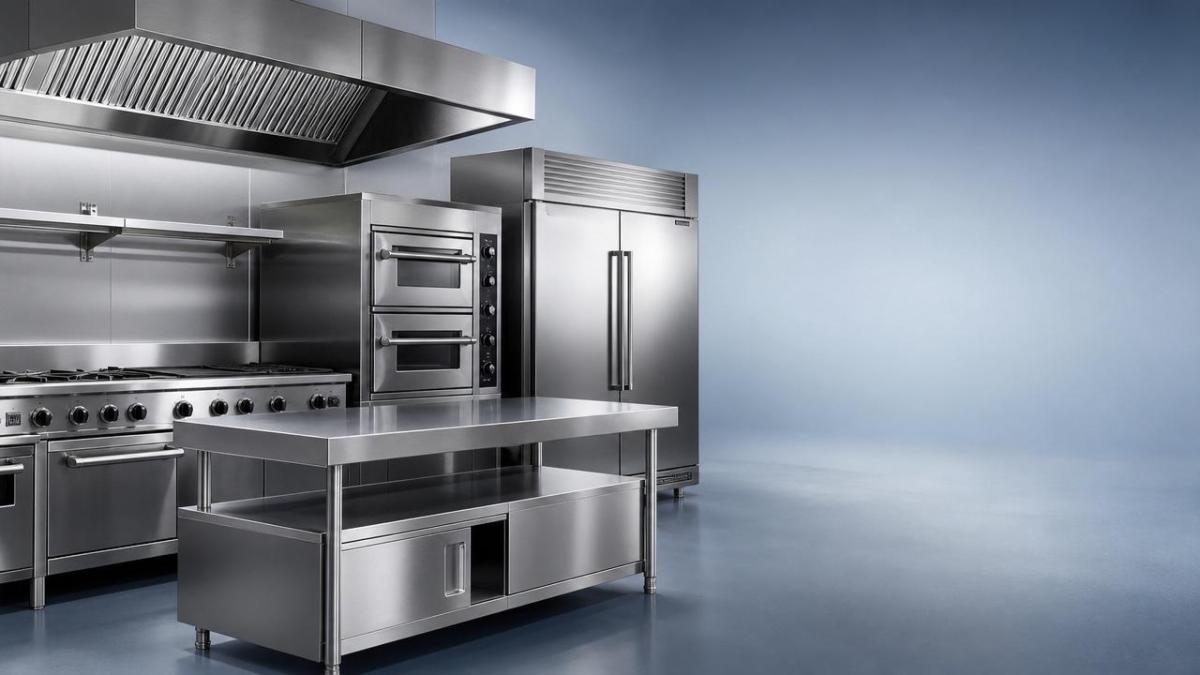
The biggest reason restaurant kitchen equipment prices vary is that suppliers are rarely offering identical products, even when the equipment appears similar in photos or basic specifications. Small differences in stainless steel grade, burner design, compressor brand, insulation thickness, or control systems can change the quotation significantly.
In B2B purchasing, price variation usually comes from 6 core dimensions: raw materials, manufacturing method, certification scope, customization level, logistics structure, and service commitment. A quote that looks 15% lower may exclude installation drawings, spare parts, on-site commissioning, or a 12-month warranty extension.
Material grade and component quality
A common example is stainless steel. Equipment made with 201 stainless steel is generally cheaper than equipment using 304 stainless steel, while 316 stainless steel may further increase cost in high-corrosion environments. Thickness matters too. A 0.8mm panel and a 1.2mm panel may look similar at first glance, but they differ in durability, structural stability, and long-term resistance to deformation.
Internal components also affect restaurant kitchen equipment prices. Compressors, thermostats, valves, motors, and digital controllers from internationally recognized suppliers usually cost more than entry-level alternatives. However, they may reduce breakdown frequency, improve temperature accuracy within a range such as ±1℃ to ±2℃, and extend service intervals from 6 months to 12 months.
Typical cost-driving material differences
- 304 stainless steel instead of 201 for food-contact surfaces
- 1.0mm to 1.2mm body panels instead of thinner sheet metal
- Heavy-duty castors, hinges, and handles for high-traffic kitchen use
- Branded refrigeration or control components with wider service availability
Manufacturing scale and production efficiency
Suppliers with larger production lines often purchase steel, compressors, burners, and electrical parts in higher volumes. This can lower per-unit cost by 5% to 20%, depending on the product category and annual output. Automated fabrication, laser cutting, robotic welding, and standardized assembly further improve consistency and reduce labor cost.
Smaller workshops may provide flexibility for low-volume orders, but their labor cost per unit is often higher, and lead times may stretch from 2 weeks to 6 weeks when scheduling is tight. As a result, restaurant kitchen equipment prices from small suppliers are not always lower, especially for projects with repeated SKUs or larger quantities.
Certification, compliance, and testing scope
Commercial kitchen equipment intended for different markets may require electrical, gas, food-contact, or energy-related compliance checks. Suppliers that build products for export often include more testing, documentation, and quality control. These costs are reflected in the quote.
For business evaluators, a lower price can become expensive if the equipment later requires rework, extra inspection, or delayed approval. In restaurant projects, even a 7-day installation delay may affect opening schedules, staffing plans, and revenue forecasts.
The table below shows how common pricing factors influence quotation levels and what evaluators should verify before comparing offers.
The main takeaway is that restaurant kitchen equipment prices reflect a package of specifications and responsibilities, not just a single product shell. A comparable quote review should therefore begin with a side-by-side specification matrix rather than a simple price ranking.
Commercial conditions that change the final quotation
Beyond product construction, supplier quotations are shaped by commercial terms. Payment structure, order quantity, packaging type, shipping mode, import duties, and installation responsibility can all change the final landed cost. This is one of the most overlooked reasons restaurant kitchen equipment prices vary across suppliers.
Order volume, MOQ, and bundled purchasing
A supplier quoting for 1 unit will price differently from a supplier quoting for 20 units or an entire kitchen package. Bulk orders allow better raw material planning, lower packaging cost per unit, and more efficient shipping. In some categories, bundled procurement can reduce total purchasing cost by 8% to 18% compared with buying each item separately.
MOQ also matters. Some factory-based suppliers are competitive only when the order reaches a threshold such as 10 tables, 20 sinks, or 1 full container. Distributors, by contrast, may support lower quantities but charge more per item due to inventory carrying cost and local handling.
Logistics, packaging, and destination complexity
Freight can represent 5% to 25% of final procurement cost depending on equipment size, shipping distance, and delivery terms. A stainless worktable ships differently from a refrigerated counter or combi oven. Products with glass, refrigeration systems, or precision controls may need reinforced wooden crates, moisture protection, and shock-resistant packing.
Business evaluators should also check whether pricing is based on EXW, FOB, CIF, or delivered terms. Two suppliers may offer similar equipment, yet one quote excludes inland transport, export documentation, and destination port charges. That creates misleading price comparisons if the landed basis is not aligned.
Customization, layout integration, and project engineering
Standard equipment is usually cheaper because tooling, dimensions, and workflows are already defined. Once a restaurant project requires custom lengths, pass-through design, ventilation coordination, utility cutouts, or central kitchen integration, engineering cost rises. Even a simple change in bench depth from 700mm to 800mm may affect material usage, packaging volume, and transport planning.
For larger hospitality or foodservice projects, suppliers may include 3 to 5 pre-sales tasks in the quotation stage: layout review, utility advice, drawing confirmation, equipment matching, and production revision. These services create value, but they also influence restaurant kitchen equipment prices compared with low-detail standard offers.
The following table helps evaluators compare commercial quotation structures and identify where visible and hidden costs may appear.
When these commercial elements are clarified early, price differences become easier to explain. More importantly, the buyer can compare true delivered value instead of reacting only to headline numbers.
How business evaluators should compare supplier quotes
The most effective way to assess restaurant kitchen equipment prices is to break the review into a structured procurement model. This prevents low-price bias and creates a more defensible decision for finance, operations, and project stakeholders.
Build a 4-part comparison framework
A practical framework includes product specification, commercial terms, service scope, and lifecycle risk. Each quote should be scored line by line. For multi-site or chain restaurant projects, using a weighted review sheet can reduce evaluation inconsistency across departments.
- Confirm whether dimensions, capacity, power rating, and material are identical.
- Normalize trade terms, payment conditions, and shipping basis.
- Review warranty length, spare parts policy, and service response time.
- Estimate 3-year operating cost, including energy, repairs, and downtime.
Look beyond purchase price to total cost of ownership
Restaurant kitchen equipment prices should not be separated from energy efficiency, labor impact, and maintenance planning. For example, an energy-efficient cooking or refrigeration unit may cost more upfront but lower monthly utility consumption over a 36-month period. In high-volume kitchens operating 10 to 16 hours per day, this difference can be meaningful.
The same logic applies to maintenance. If one supplier uses components that require service every 6 months while another uses components with a 12-month maintenance interval, the annual support cost may differ even if the purchase price gap is modest.
Red flags during quote review
- Missing steel grade, thickness, or electrical rating
- No delivery schedule tied to deposit or drawing approval
- Warranty language that does not define parts and labor clearly
- Custom equipment quoted without approved drawings
- Very low prices paired with long spare-part lead times
Use supplier capability as a pricing context
A supplier’s business model affects restaurant kitchen equipment prices. Manufacturers may offer stronger cost control for larger orders, while local distributors may provide faster installation and 24 to 72-hour service response. Importers, trading companies, and project integrators each add value differently.
For evaluators, the right choice depends on project type. A new build with 30 to 50 equipment items may benefit from engineering coordination and consolidated sourcing. A replacement purchase for 1 refrigerator or 2 prep tables may justify a higher local price in exchange for faster delivery and simpler service access.
Common pricing misunderstandings and better procurement decisions
One frequent mistake is assuming that all commercial kitchen products within the same category are directly comparable. A sink, freezer, oven, or stainless table can vary widely in duty level, internal design, and expected usage cycle. Restaurant kitchen equipment prices therefore need context: menu type, kitchen workload, operating hours, and space constraints.
Misunderstanding 1: lower price means better savings
Short-term savings can become long-term cost if the equipment fails early, consumes more energy, or creates sanitation issues. In many kitchens, one day of refrigeration failure or cooking line downtime can cost more than the original purchase difference. That is especially true for restaurants with fixed service windows or delivery-heavy operations.
Misunderstanding 2: specifications on paper tell the whole story
Two products can show the same external dimensions and power rating but differ in weld quality, insulation density, hinge cycle life, controller stability, and cleaning accessibility. These factors are harder to see in a quotation but are often where restaurant kitchen equipment prices diverge in meaningful ways.
Misunderstanding 3: after-sales service is secondary
Service capability is part of the price. A supplier with technical support, spare-parts planning, troubleshooting guidance, and faster response may quote higher, but that premium can reduce operational risk. In a commercial kitchen, response time of 24 to 48 hours may be far more valuable than a small initial discount.
A practical decision checklist
- Compare on the same Incoterm or delivered basis
- Request a full bill of materials or key component list
- Confirm warranty period, exclusions, and spare-part access
- Check lead time in calendar days, not verbal estimates
- Ask whether layout advice and installation support are included
- Estimate a 3-year cost picture before final approval
Restaurant kitchen equipment prices vary because suppliers differ in product build, supply chain structure, compliance level, customization ability, shipping terms, and service scope. The most effective evaluation method is to compare quotations line by line, normalize commercial assumptions, and judge cost against operational value over time.
If you are reviewing multiple offers for a restaurant, hotel, central kitchen, or foodservice project, a structured assessment can prevent hidden cost and supplier mismatch. Contact us to discuss your equipment list, request a customized comparison framework, or learn more solutions for reliable and cost-effective kitchen procurement.
Popular Tags
Kitchen Industry Research Team
Dedicated to analyzing emerging trends and technological shifts in the global hospitality and foodservice infrastructure sector.
Industry Insights
Join 15,000+ industry professionals. Get the latest market trends and tech news delivered weekly.
No spam. Unsubscribe anytime.
Hot Articles



Contact With us
Contact:
Anne Yin (Ceramics Dinnerware/Glassware)
Lucky Zhai(Flatware)