
Brazil Implements Unilateral Visa-Free Access for Chinese Citizens
Brazil’s unilateral visa-free policy for Chinese citizens took effect on May 16, 2026 — coinciding with heightened procurement activity ahead of the São Paulo International Kitchen Fair (June 18). This development is drawing attention from kitchen appliance exporters, B2B service providers, and supply chain stakeholders in China’s Guangdong and Zhejiang clusters.
Event Overview
Effective May 16, 2026, Brazil introduced unilateral visa-free access for Chinese citizens. The timing aligns with the upcoming São Paulo International Kitchen Fair, scheduled for June 18, 2026. In response, Brazilian foodservice equipment importers have significantly increased group visits to China: B2B procurement group bookings from São Paulo rose by 210% week-on-week. Guangdong and Zhejiang kitchen appliance industrial clusters have initiated preparatory measures, including Portuguese-language live streaming, localized sample warehouses, and dedicated reception channels for visa-exempt visitors.
Which Subsectors Are Affected
Direct Export Enterprises
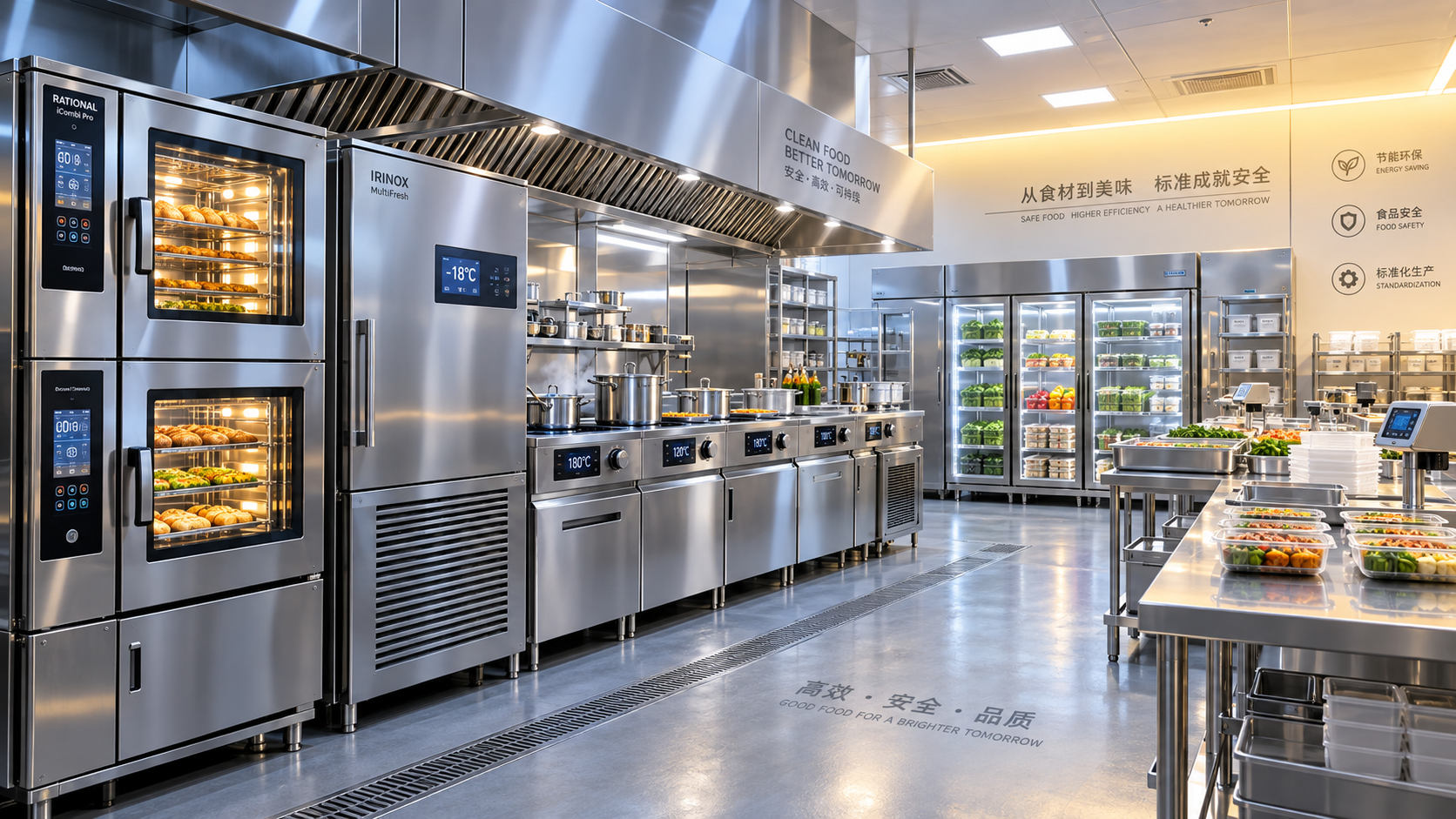
Exporters of commercial kitchen equipment — such as combi-ovens, refrigerated prep tables, and exhaust systems — face immediate demand-side shifts. The visa exemption lowers entry barriers for Brazilian buyers, potentially accelerating face-to-face negotiations and order finalization ahead of the June trade fair. Impact manifests in higher inbound inquiry volume, tighter timelines for sample dispatch, and increased requests for bilingual documentation and certifications aligned with Brazilian standards (e.g., INMETRO).
Supply Chain & Logistics Service Providers
Firms offering cross-border logistics, customs brokerage, or warehousing for kitchen appliances may see short-term demand spikes for services supporting rapid sample delivery and just-in-time staging near major export hubs (e.g., Foshan, Ningbo). Localized sample warehouses — now being deployed in Guangdong and Zhejiang — imply a shift toward pre-positioned inventory for fast-turnaround buyer evaluations, altering traditional lead-time expectations.
Manufacturing Clusters & OEM/ODM Facilities
Production facilities serving B2B export markets are adapting operational workflows to support accelerated buyer engagement: Portuguese-language digital outreach (e.g., livestreams), multilingual technical staff deployment, and flexible scheduling for factory tours. These adjustments reflect responsiveness to a more accessible buyer cohort — not a structural change in production capacity or product design.
Channel Intermediaries & Trade Facilitation Platforms
B2B platforms, trade associations, and fair organizers facilitating China–Brazil kitchen equipment trade may experience increased demand for matchmaking, translation, and regulatory guidance services. The 210% weekly rise in São Paulo-based procurement group bookings signals growing reliance on structured, coordinated visits — suggesting value in standardized pre-fair orientation and post-visit follow-up protocols.
What Relevant Enterprises or Practitioners Should Focus On
Monitor official implementation details and potential reciprocity updates
While Brazil’s policy is unilateral and confirmed effective May 16, 2026, no official announcement confirms whether China will reciprocate or adjust its own visa requirements. Enterprises should track updates from both the Brazilian Ministry of Foreign Affairs and China’s National Immigration Administration — particularly regarding duration of stay, permitted activities (e.g., business vs. tourism), and documentation requirements beyond passport validity.
Prepare for intensified short-cycle procurement cycles tied to the June fair
The São Paulo International Kitchen Fair begins June 18, 2026 — leaving less than five weeks after the visa exemption takes effect. Exporters should prioritize readiness for rapid sample verification, contract drafting in Portuguese or bilingual format, and alignment with Brazilian labeling, safety, and energy efficiency requirements. Delayed compliance preparation may constrain conversion of newly enabled buyer visits into firm orders.
Distinguish between policy signal and operational readiness
The 210% week-on-week booking increase reflects intent and scheduling momentum — not yet finalized purchase commitments. Enterprises should avoid overestimating near-term revenue impact. Instead, treat this as a signal to refine buyer engagement infrastructure: verify Portuguese-language content accuracy, test livestream bandwidth and interpretation quality, and audit sample warehouse stock levels against top 10 requested SKUs from Brazilian importers.
Align internal coordination across sales, logistics, and compliance functions
Shortened buyer visit windows require synchronized response: sales teams need real-time inventory visibility; logistics partners must confirm express sample routing to São Paulo; compliance officers must validate that technical dossiers meet ABNT/NBR standards. Cross-functional readiness checks — not just marketing activation — determine whether visa-enabled visits translate into measurable pipeline advancement.
Editorial Perspective / Industry Observation
Observably, this policy functions primarily as a near-term facilitation mechanism — not a structural trade agreement or tariff adjustment. Its significance lies in lowering non-tariff friction for high-intent B2B buyers, especially those preparing for a major regional trade event. Analysis shows the 210% booking surge reflects calendar-driven procurement planning rather than broad-based market expansion. From an industry perspective, it is better understood as a logistical enabler than a demand catalyst: it accelerates existing buyer behavior but does not independently generate new end-market demand in Brazil. Sustained impact depends on follow-through — including post-fair order fulfillment, after-sales support localization, and long-term regulatory alignment — none of which are addressed by the visa measure itself.
Conclusion
This visa exemption is a procedural development with tangible, time-bound implications for China-based kitchen equipment exporters and their service partners — particularly those engaged with Brazilian commercial foodservice markets. It does not alter underlying trade terms, certification pathways, or competitive dynamics. Rather, it compresses the timeline for buyer evaluation and decision-making around a known event window. Current conditions favor pragmatic, operationally grounded preparation over strategic repositioning. The measure is best interpreted as a short-term access accelerator — one requiring execution discipline, not fundamental business model revision.
Information Sources
Main source: Official announcement of Brazil’s unilateral visa exemption policy, effective May 16, 2026; publicly reported booking data from São Paulo-based kitchen equipment procurement groups; statements from Guangdong and Zhejiang cluster development agencies regarding Portuguese-language livestreams, localized sample warehouses, and visa-exempt visitor reception channels. Ongoing monitoring is advised for updates on implementation scope (e.g., eligible passport types, maximum stay duration) and any related Brazilian import regulation changes ahead of the June 18, 2026 fair.
Popular Tags
Kitchen Industry Research Team
Dedicated to analyzing emerging trends and technological shifts in the global hospitality and foodservice infrastructure sector.
Industry Insights
Join 15,000+ industry professionals. Get the latest market trends and tech news delivered weekly.
No spam. Unsubscribe anytime.
Hot Articles
 How to Size a Commercial Kitchen Hood for Cooking Equipment and Heat Loads
- How to Size a Planetary Mixer Machine for High-Viscosity Batch Production
- How to Choose Ceramic Rice Plates for Restaurants: Size, Glaze, and Chip Resistance
- Kitchen Innovation Trends in Emerging Markets: Where Growth Will Come From in 2026

Contact With us
Contact:
Anne Yin (Ceramics Dinnerware/Glassware)
Lucky Zhai(Flatware)