
Why a restaurant kitchen exhaust system affects compliance
A restaurant kitchen exhaust system does far more than remove heat and smoke. It shapes compliance outcomes, fire protection, air quality, energy use, and daily kitchen stability.
Across the broader kitchen equipment industry, expectations are rising. Smart controls, efficient airflow design, and safer filtration now influence how commercial kitchens are evaluated and operated.
For technical assessment, the restaurant kitchen exhaust system has become a compliance-critical asset. Its design affects inspections, insurance exposure, maintenance burden, and long-term operational resilience.
Compliance pressure is increasing around the restaurant kitchen exhaust system
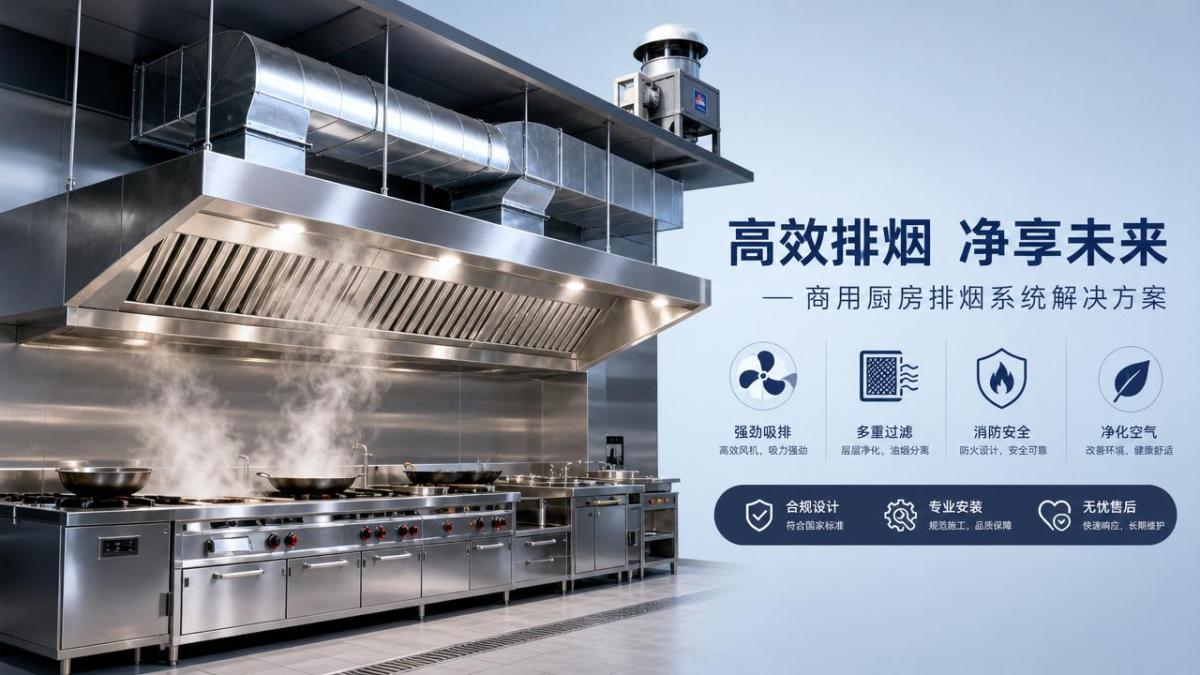
Commercial kitchens now operate under closer scrutiny. Fire codes, ventilation standards, food safety expectations, and worker health rules are becoming more connected.
That shift means a restaurant kitchen exhaust system is no longer judged only by smoke removal. It must also support documented performance, safe grease capture, and balanced airflow.
In many facilities, noncompliance starts quietly. Grease accumulates, airflow falls, filters clog, and hood capture weakens before visible failure appears.
When that happens, the restaurant kitchen exhaust system can trigger several risks at once. These include failed inspections, elevated fire hazards, odor complaints, and unstable kitchen temperatures.
The kitchen equipment sector is also changing quickly. More sites now expect integrated controls, monitoring, and energy-aware ventilation strategies that align with modern compliance demands.
Why standards and expectations are moving upward
Several industry signals explain why the restaurant kitchen exhaust system has gained strategic importance. These changes come from regulation, technology, insurance practices, and operating economics.
These drivers reflect a larger industry trend. Kitchen equipment is moving toward intelligent, efficient, and integrated systems rather than isolated devices.
As a result, a restaurant kitchen exhaust system is increasingly evaluated as part of a whole-kitchen performance framework, not just a mechanical installation.
The main compliance links are technical, not cosmetic
A restaurant kitchen exhaust system affects compliance through measurable technical factors. Visual cleanliness matters, but inspectors and evaluators also look for functional integrity.
Airflow balance determines capture and containment
If exhaust volume is too low, smoke and grease vapor escape the hood area. If it is too high, comfort, energy use, and make-up air performance can suffer.
Balanced airflow helps the restaurant kitchen exhaust system maintain stable capture conditions across changing cooking loads. This supports both compliance and kitchen usability.
Grease filtration affects fire risk and cleaning frequency
Filters that underperform allow grease to move deeper into ducts and fans. That raises ignition risk and increases the probability of code-related maintenance findings.
A restaurant kitchen exhaust system with effective grease separation supports safer duct conditions. It also reduces contamination of downstream components.
Duct layout and access influence inspectability
Even a strong design can create compliance problems when inspection access is poor. Hidden grease deposits are difficult to verify, document, and remove.
The restaurant kitchen exhaust system should therefore be assessed for service access, cleaning points, and practical maintenance pathways, not only rated airflow.
Control logic can improve or weaken consistency
Variable-speed controls and smart sensors help modern kitchens save energy. However, poor calibration can reduce capture performance during peak cooking periods.
That means a smart restaurant kitchen exhaust system must be validated carefully. Energy savings should never compromise code-aligned ventilation performance.
The operational impact extends beyond inspections
The restaurant kitchen exhaust system influences multiple business and technical outcomes at once. Its effect reaches daily operations, maintenance planning, and long-term facility performance.
- Safer cooking environments through stronger smoke and grease control
- Better staff comfort through improved heat removal and air stability
- Lower interruption risk when cleaning and maintenance are more predictable
- Reduced complaint exposure related to odor migration or visible emissions
- Stronger equipment efficiency when make-up air and exhaust are coordinated
In mixed-use buildings, these effects become even more important. A restaurant kitchen exhaust system can influence neighboring spaces, landlord requirements, and building-wide ventilation behavior.
This is why technical reviews increasingly consider exhaust performance early. Late correction is often expensive because it affects ducts, fans, controls, and structural interfaces.
What deserves close attention during evaluation
A reliable restaurant kitchen exhaust system should be reviewed using performance, safety, and lifecycle criteria together. Focusing on one factor alone can hide future compliance gaps.
- Hood capture effectiveness under actual cooking conditions
- Airflow balance between exhaust and make-up air
- Grease filtration efficiency and ease of replacement
- Duct cleanliness access and inspection visibility
- Fan reliability, vibration control, and service accessibility
- Control system response during low and peak load periods
- Compatibility with local fire, ventilation, and building standards
- Availability of maintenance records and performance verification data
These checks align with broader kitchen equipment trends. The market increasingly rewards systems that combine safety, measurable efficiency, and easier technical oversight.
How to respond as requirements keep evolving
Because standards and expectations continue to change, response planning should be structured. The goal is not only to pass inspection, but to sustain dependable performance.
This approach fits the direction of the global kitchen equipment industry. High-performing systems are increasingly expected to be safe, efficient, digital-ready, and easy to verify.
A practical next step for better long-term performance
If a restaurant kitchen exhaust system is being reviewed, start with a gap-based assessment. Compare installed performance, cleaning access, and documentation against real compliance obligations.
Then identify where airflow balance, grease control, or monitoring capability can be improved. Small technical corrections often prevent larger safety and inspection problems later.
In today’s market, the restaurant kitchen exhaust system is not a background utility. It is a visible indicator of how seriously a kitchen addresses safety, efficiency, and operational control.
A well-evaluated restaurant kitchen exhaust system supports compliance with confidence. It also strengthens the broader kitchen environment as the industry moves toward smarter and more sustainable performance.
Popular Tags
Kitchen Industry Research Team
Dedicated to analyzing emerging trends and technological shifts in the global hospitality and foodservice infrastructure sector.
Industry Insights
Join 15,000+ industry professionals. Get the latest market trends and tech news delivered weekly.
No spam. Unsubscribe anytime.
Hot Articles


Contact With us
Contact:
Anne Yin (Ceramics Dinnerware/Glassware)
Lucky Zhai(Flatware)