
How to plan a restaurant kitchen setup that avoids rework
A well-planned restaurant kitchen setup can save project teams from costly rework, schedule delays, and compliance issues. For project managers and engineering leads, success depends on getting workflow, equipment, utilities, and future capacity right before procurement and installation begin.
This article explains how to plan a restaurant kitchen setup that reduces redesign, improves operational efficiency, supports food safety, and gives stakeholders a clearer basis for technical and investment decisions.
Why rework happens in a restaurant kitchen setup
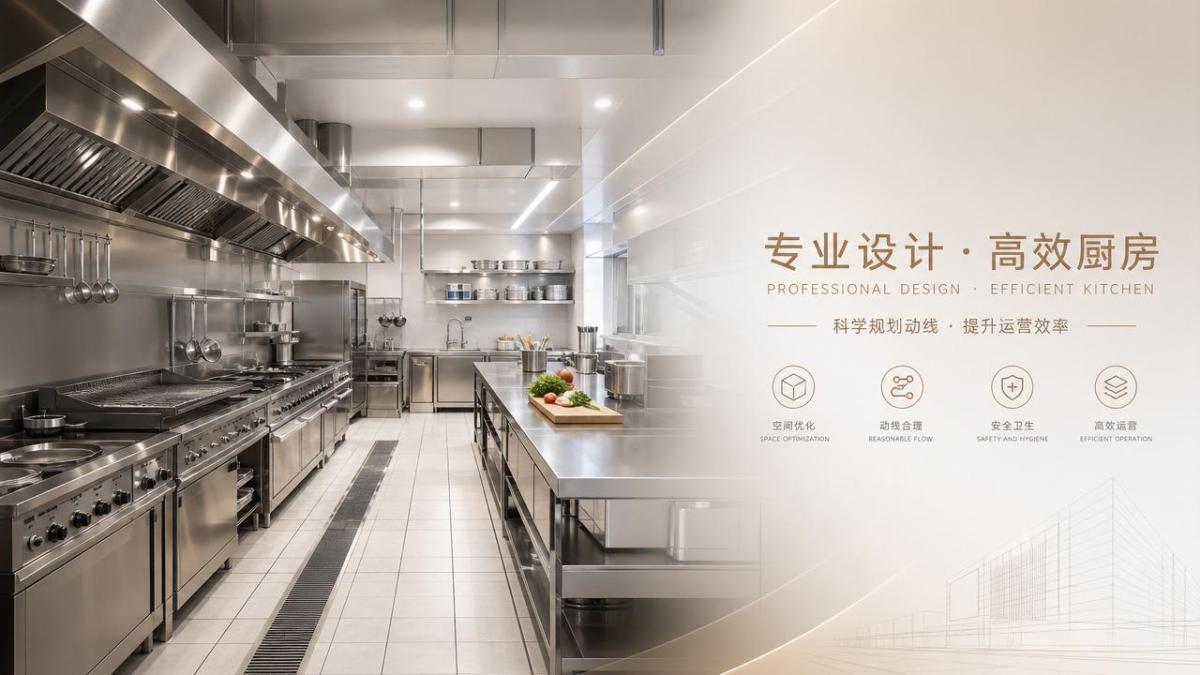
Most kitchen rework does not start with construction errors. It starts much earlier, when design decisions are made without enough operational input, utility verification, or coordination between consultants, suppliers, and end users.
For project managers, the biggest risk is treating the kitchen as an equipment list instead of a production system. A restaurant kitchen setup must support menu output, staffing patterns, cleaning routines, food safety controls, and maintenance access.
Common causes of rework include incorrect workflow zoning, undersized exhaust systems, missing drainage points, power loads that exceed capacity, poor clearance around equipment, and late changes in the menu or service model.
Another frequent problem is buying equipment too early. If the final equipment selection happens before layout, utility mapping, and production volume are confirmed, the project often pays twice through relocation, replacement, or custom modification.
The overall lesson is simple: avoid locking in equipment and construction details until the operating model has been translated into a coordinated, buildable kitchen plan.
Start with the operating model, not the floor plan
The most practical way to plan a restaurant kitchen setup is to begin with how the kitchen will actually operate. That means defining output, menu complexity, peak covers, service style, prep strategy, and labor assumptions first.
A quick-service concept, a fine dining restaurant, a buffet operation, and a central production kitchen may all serve food, but their equipment logic, storage needs, and circulation patterns are completely different.
Before layout design begins, project leaders should align stakeholders around a few operational questions. What is the expected daily and peak-hour volume? Which items are cooked to order? Which products are prepped in batches? What level of menu expansion is expected later?
These answers influence almost every downstream decision, including hot line length, cold storage size, dishwashing capacity, ventilation demand, and whether multifunction equipment is better than single-purpose machines.
When this step is skipped, design teams often create a visually efficient plan that fails in live operation. The result is congestion, production bottlenecks, and costly changes after commissioning.
Map workflow in detail before selecting equipment
For engineering and project teams, workflow mapping is one of the highest-value steps in avoiding rework. It turns abstract requirements into practical movement paths for food, staff, clean items, waste, and service output.
A sound restaurant kitchen setup should separate receiving, storage, washing, prep, cooking, plating, service, and waste handling in a way that minimizes cross-traffic. This is essential for both efficiency and food safety compliance.
One useful approach is to trace each high-volume menu item from delivery to service. This helps reveal where refrigeration is needed, where handwashing access must be placed, and whether staff must cross paths during peak periods.
Project managers should also identify which steps create waiting time. If ingredients move too far between cold storage and prep, or if cooked food must pass through a busy prep zone to reach service, the layout is likely to create operational friction.
Good workflow planning often prevents later requests such as moving a sink, adding a pass counter, expanding the prep bench, or relocating small appliances. These changes may seem minor on paper, but they often affect plumbing, power, and finishes.
Choose equipment based on production logic and utility reality
Equipment selection should support the operating model, not supplier preference or catalog convenience. The best restaurant kitchen setup uses equipment that fits production volume, menu needs, available utilities, and maintenance capability.
For example, a combi oven may reduce the number of separate units required, but only if staff can use its functions properly and the site can support its power, water, and drainage requirements. Otherwise, complexity may increase instead of decreasing.
Similarly, selecting larger equipment “for safety” can create hidden problems. Oversized units may consume unnecessary space, increase ventilation loads, and reduce flexibility in circulation. Bigger is not always better in a constrained kitchen footprint.
Every shortlisted machine should be reviewed against six practical criteria: output capacity, footprint, clearance, utility demand, cleaning access, and service support. If any one of these is overlooked, rework risk rises sharply.
It is also wise to check lead times early. In many projects, layout and construction decisions are forced to adapt to delayed equipment deliveries. That can trigger sequence disruption and rushed substitutions that compromise the final setup.
Coordinate ventilation, drainage, power, gas, and water as one system
Many kitchen changes happen after installation starts because utilities were reviewed separately instead of as an integrated system. A restaurant kitchen setup is only as reliable as the coordination behind its exhaust, plumbing, electrical, and gas planning.
Ventilation is a common failure point. Hood size, air balance, duct routing, make-up air, and fire suppression requirements must all match the cooking equipment beneath. If one assumption changes late, the mechanical design may need revision.
Drainage also deserves early attention. Floor drains, grease management, equipment waste connections, and wash-down zones must align with sanitation procedures and local code. A missing or poorly placed drain can disrupt multiple workstations.
Electrical design should account for both total connected load and operational diversity. Peak usage patterns matter. Projects that only calculate nameplate power without usage logic may overdesign infrastructure or, worse, underprovide critical circuits.
Water supply, hot water recovery, gas pressure, and shut-off access should be validated before procurement. Utility coordination meetings between designers, contractors, and equipment suppliers can prevent many field conflicts that otherwise emerge too late.
Design for compliance, cleaning, and maintenance access from day one
Project teams often focus heavily on cooking capacity and speed, then discover later that the kitchen is difficult to clean, inspect, or service. That creates long-term operational cost and can lead to retrofits soon after opening.
A practical restaurant kitchen setup should support routine sanitation, pest control, and preventive maintenance without forcing equipment removal or shutdown of adjacent stations. Clearances matter not only for staff movement, but also for hygiene and service access.
Food safety compliance should be built into the layout through separated raw and ready-to-eat workflows, accessible handwash stations, proper cold holding, and safe storage logic. These are not secondary details; they influence line design directly.
Equipment mounted too tightly against walls, blocked service panels, inaccessible grease filters, or undersized warewashing zones are classic examples of short-term layout decisions that generate long-term rework and operating difficulty.
For project managers, it is worth asking a simple review question before approval: can this kitchen be cleaned, inspected, repaired, and safely operated at peak volume without workarounds? If not, redesign is cheaper now than after handover.
Plan for peak load, not average conditions
Many kitchens look adequate during design reviews because stakeholders imagine average service levels. Rework becomes necessary when the real test arrives: the lunch rush, weekend spike, event service, or seasonal menu expansion.
A robust restaurant kitchen setup should be tested against peak scenarios. This includes staff density, queue formation, dish return volume, cold storage turnover, and temporary holding needs during service surges.
Capacity planning should consider not only equipment throughput, but also the supporting infrastructure around it. A grill may handle demand, but if plating space is too limited or the pass is undersized, output will still bottleneck.
It is also useful to model failure scenarios. What happens if one refrigerator is offline, a fryer needs maintenance, or a receiving delivery arrives during active prep? Resilient layouts reduce the impact of these common disruptions.
Designing only for normal conditions often leads to emergency add-ons later, such as extra shelving, mobile prep tables, undercounter refrigeration, or revised staff paths that weaken the original layout logic.
Leave room for menu changes and future expansion
Even when the initial concept is clear, restaurants evolve. New menu items, delivery channels, labor constraints, and technology upgrades can all change kitchen needs within a short period. A rigid design increases the chance of future rework.
That does not mean overspending on unused capacity. It means building sensible flexibility into the restaurant kitchen setup through modular equipment zones, spare utility allowances, and adaptable prep or finishing areas where possible.
For example, leaving strategic access to capped utilities, allowing space for an additional cold unit, or selecting multipurpose workstations can make later changes far less disruptive and expensive.
This is especially important for project leaders managing branded rollouts or multi-site programs. Standardization should not prevent local adaptation. The best repeatable kitchen model includes controlled flexibility, not fixed assumptions that fail on site.
Future-readiness is also tied to digital systems. If the operation may adopt smart kitchen monitoring, kitchen display systems, or automated cooking equipment later, infrastructure pathways should be considered during the initial setup.
Use a structured review process before final approval
One of the most effective ways to avoid redesign is to formalize design review before construction release. A restaurant kitchen setup should pass operational, technical, compliance, and maintainability checks, not just fit within the room.
A useful review team typically includes operations, chef leadership, engineering, MEP coordination, food safety, equipment supply, and installation stakeholders. Each group sees different risks that others may miss.
At this stage, project managers should verify at least the following: workflow sequence, equipment dimensions, utility points, service clearances, cleaning access, code compliance, lead times, and commissioning requirements.
It is also smart to review drawings against actual equipment submittals, not just concept blocks. Many rework issues occur because design assumptions differ from final manufacturer specifications or accessory requirements.
If possible, conduct a tabletop simulation or marked-floor walkthrough with the operating team. These simple exercises often reveal circulation conflicts and ergonomic issues before they become expensive construction changes.
A practical checklist for project managers
For teams that need a concise decision framework, the best restaurant kitchen setup process follows a clear sequence. First define the menu, volume, and service model. Then map workflow. Then validate equipment, utilities, and compliance together.
After that, review peak load behavior, maintenance access, and future flexibility before releasing procurement and construction packages. This sequence reduces the chance of discovering major conflicts late in the project.
It is also important to track design assumptions formally. If menu scope changes, seating increases, or brand standards are revised, the project team should know immediately which kitchen decisions must be reevaluated.
From a business perspective, avoiding rework protects more than construction cost. It helps preserve opening dates, reduces contractor claims, improves staff readiness, and supports a smoother ramp-up after launch.
For project managers and engineering leads, the strongest result is not simply a finished kitchen. It is a kitchen that performs as intended without repeated correction, workaround, or capital spend immediately after opening.
Conclusion
Planning a restaurant kitchen setup that avoids rework requires early alignment between operations, equipment, engineering, and compliance. The core principle is to design the kitchen as a working production system, not just a room filled with appliances.
When workflow is mapped carefully, equipment is selected against real production needs, utilities are coordinated early, and flexibility is built in, project teams can significantly reduce redesign, delay, and avoidable cost.
For decision-makers, the most valuable question is not whether the kitchen fits the plan. It is whether the plan supports real service conditions now and realistic changes later. That is what turns a kitchen setup into a durable project asset.
Popular Tags
Kitchen Industry Research Team
Dedicated to analyzing emerging trends and technological shifts in the global hospitality and foodservice infrastructure sector.
Industry Insights
Join 15,000+ industry professionals. Get the latest market trends and tech news delivered weekly.
No spam. Unsubscribe anytime.
Hot Articles

Contact With us
Contact:
Anne Yin (Ceramics Dinnerware/Glassware)
Lucky Zhai(Flatware)