
What slows restaurant kitchen efficiency most during peak hours?
During peak hours, restaurant kitchen efficiency often falls because many small delays stack together. A single late prep task, crowded station, or unclear call can slow the whole line.
This matters across the broader kitchen equipment industry. Restaurants, hotels, central kitchens, and food processors all depend on reliable tools, smart layouts, and stable workflows.
Improving restaurant kitchen efficiency is not only about faster cooking. It also involves food safety, labor balance, energy use, order accuracy, and better use of modern equipment.
Understanding restaurant kitchen efficiency during peak hours
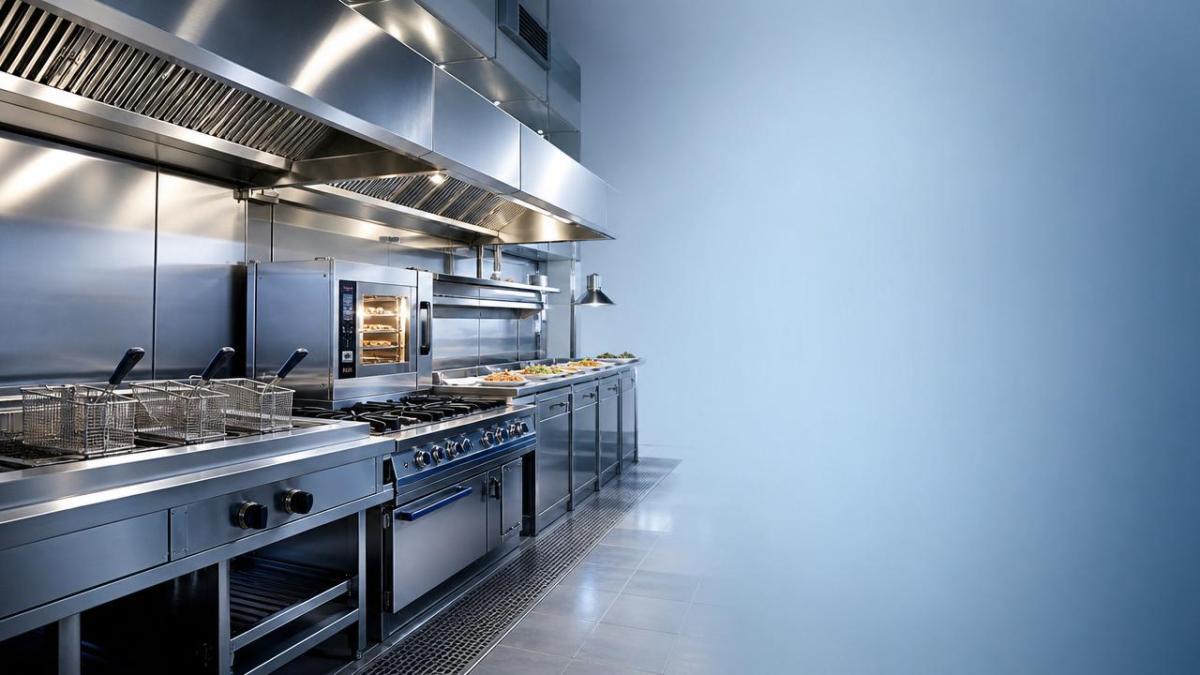
Restaurant kitchen efficiency describes how smoothly a kitchen turns incoming orders into finished dishes. During rush periods, the same system faces higher order volume and less recovery time.
Peak-hour pressure reveals hidden weaknesses. Equipment may be adequate in quiet periods, yet become a bottleneck when every burner, fryer, oven, and prep table is occupied.
The biggest slowdowns usually come from interaction effects. Staff movement, station design, holding capacity, order timing, and machine performance influence each other constantly.
That is why restaurant kitchen efficiency should be reviewed as a system. Focusing on one problem alone often misses the real source of delay.
Core factors that slow service the most
Several causes appear repeatedly across commercial kitchens. They are operational issues, but they are also connected to equipment choice, layout design, and process discipline.
1. Poor workflow design
When staff cross paths too often, seconds are lost on every order. Those seconds become minutes when service volume rises.
Common workflow problems include raw and cooked items sharing space, distant storage, limited landing zones, and prep tools placed away from active stations.
2. Equipment bottlenecks
A kitchen may have skilled staff but still struggle if one fryer, grill, or combi oven handles too many menu items.
Restaurant kitchen efficiency often drops when equipment capacity does not match ticket mix. The issue is not only quantity, but recovery speed, heat consistency, and holding performance.
3. Inconsistent prep timing
Prep that finishes late pushes pressure into service time. Missing sauces, portioned proteins, or garnishes quickly delay plating and create line frustration.
4. Staff miscommunication
Verbal calls can be missed in noisy kitchens. Unclear priorities, duplicate work, and delayed refires are common signs of weak communication systems.
5. Menu complexity
Large menus with many modifiers increase cognitive load. Each variation adds decision time, station stress, and greater risk of sequencing errors.
6. Cleaning and restocking interruptions
During rush periods, teams often stop cooking to refill ingredients, change pans, wipe spills, or locate missing utensils. These small interruptions reduce restaurant kitchen efficiency sharply.
Industry signals shaping current kitchen operations
Across foodservice and the wider kitchen equipment market, several trends affect how operators approach peak-hour performance.
These signals show why restaurant kitchen efficiency is now linked with technology decisions. Better hardware and digital control can reduce manual friction during high-volume service.
Why the issue matters beyond speed
Slow kitchen performance affects more than ticket times. It shapes cost, quality, staff stress, and guest satisfaction.
- Longer waits can reduce table turnover and delivery ratings.
- Rushed work increases mistakes, waste, and refire frequency.
- Congested stations raise safety risks around heat, oil, and knives.
- Poor flow leads to inconsistent product quality and portion control.
- Overworked equipment may consume more energy and need earlier repair.
For the kitchen equipment sector, this creates demand for integrated solutions. Operators increasingly value durable appliances, faster recovery, modular layouts, and digital production visibility.
Typical bottleneck scenarios in commercial kitchens
Restaurant kitchen efficiency problems differ by service model, but several patterns are widely recognized.
Practical ways to improve restaurant kitchen efficiency
The strongest improvements usually come from combining process changes with equipment upgrades. Small changes, applied consistently, can remove many hidden delays.
Map the movement path
Track how ingredients, tools, and people move during a rush. If staff take repeated extra steps, reposition storage, utensils, and landing surfaces.
Balance capacity by menu demand
Review which menu items rely on the same cooking platform. If one station handles too many best sellers, add capacity or adjust recipes.
Standardize prep and par levels
Set clear cutoffs for sauces, proteins, garnishes, and containers. Standard prep windows help maintain restaurant kitchen efficiency before the rush begins.
Use digital visibility where possible
Kitchen display systems, temperature monitoring, and equipment alerts reduce missed tickets and support better timing across stations.
Reduce menu friction
Limit unnecessary modifiers, share ingredients across dishes, and identify items that cause frequent backups. A simpler menu often protects quality and speed.
Plan maintenance around peak exposure
A fryer with slow recovery or a weak refrigeration seal becomes far more damaging during busy service. Preventive maintenance supports stable restaurant kitchen efficiency.
Equipment considerations that support better flow
Because the industry is moving toward automation and intelligence, equipment selection increasingly affects labor productivity as much as cooking output.
- Fast-recovery cooking equipment helps maintain output under constant load.
- Programmable systems improve consistency across different staff shifts.
- Energy-efficient appliances reduce operating pressure during long service hours.
- Modular stations make layout adjustments easier as menus evolve.
- Integrated monitoring tools improve control over temperature and downtime.
These choices do not replace training. However, they reduce variability and make restaurant kitchen efficiency easier to sustain every day.
Action steps for a more reliable kitchen operation
Start with one busy service period and document every delay. Note where tickets stall, which tools run short, and which stations create waiting lines.
Then compare those findings with prep timing, menu design, and equipment capacity. This reveals whether the main issue is layout, communication, production planning, or machine performance.
Restaurant kitchen efficiency improves fastest when changes are measurable. Track ticket times, refires, holding losses, recovery speed, and restocking frequency after each adjustment.
In most cases, the biggest peak-hour slowdown is not one dramatic failure. It is a chain of repeated micro-delays. Remove those consistently, and the kitchen becomes faster, safer, and more dependable.
Popular Tags
Kitchen Industry Research Team
Dedicated to analyzing emerging trends and technological shifts in the global hospitality and foodservice infrastructure sector.
Industry Insights
Join 15,000+ industry professionals. Get the latest market trends and tech news delivered weekly.
No spam. Unsubscribe anytime.
Hot Articles

Contact With us
Contact:
Anne Yin (Ceramics Dinnerware/Glassware)
Lucky Zhai(Flatware)