
How kitchen tools for hotels shape guest dining standards
In today’s hospitality market, kitchen tools for hotels do far more than support back-of-house operations—they directly influence food quality, service speed, hygiene standards, and overall guest satisfaction. For hotel decision-makers, choosing the right tools is not just an operational issue but a strategic investment that shapes dining consistency, brand reputation, and long-term efficiency in an increasingly competitive industry.
Why do kitchen tools for hotels have such a strong impact on dining standards?

Hotel dining is judged on details. Guests may not see the prep area, but they notice whether breakfast service runs smoothly, whether plated meals arrive at the right temperature, and whether buffet utensils feel clean, durable, and easy to use. That experience starts with the right kitchen tools for hotels.
For business decision-makers, the challenge is broader than replacing worn utensils. The real question is how each tool supports consistency across outlets, shifts, menus, and staff skill levels. In a hotel environment, procurement affects operations, labor planning, food safety control, maintenance costs, and even online guest reviews.
This matters even more as the global kitchen equipment industry moves toward automation, intelligent systems, and energy-efficient solutions. Hotels are no longer buying isolated items. They are building integrated foodservice environments where hand tools, prep tools, cooking support tools, storage accessories, and smart equipment work together.
- Poorly selected tools create hidden costs through waste, breakage, slower prep time, and inconsistent food presentation.
- Well-matched tools improve output speed, reduce operator fatigue, and support hygiene protocols during peak service.
- Standardized hotel kitchen tools help multi-property groups maintain the same guest dining standards across locations.
Which hotel scenarios demand different kitchen tools?
Not all hotels operate the same way. A resort with multiple restaurants, room service, and banquet kitchens has very different requirements from a business hotel serving breakfast and limited all-day dining. This is why kitchen tools for hotels should always be selected by service scenario, not by unit price alone.
The table below compares common hospitality use cases and the operational priorities that should guide tool selection.
This comparison shows a key procurement truth: the best kitchen tools for hotels are not universal. They are matched to workflow intensity, menu structure, cleaning frequency, and guest contact level. A hotel that ignores this often overspends on the wrong categories while still facing service bottlenecks.
Why segmentation improves procurement accuracy
Scenario-based selection reduces waste and improves standardization. It also helps purchasing teams create clearer tender documents, compare suppliers more fairly, and align kitchen teams with finance and operations before rollout.
What should decision-makers evaluate before buying kitchen tools for hotels?
Many hotel procurement problems start with incomplete evaluation criteria. Teams focus on catalog appearance or initial pricing, but miss operating details such as corrosion resistance, ergonomic grip, wash-cycle endurance, edge retention, or compatibility with existing kitchen systems.
A practical selection framework should cover technical, operational, and financial factors at the same time.
For enterprise buyers, this framework turns a basic purchase into an operational asset decision. It also reflects the wider direction of the kitchen equipment industry, where buyers increasingly expect smarter planning, integrated solutions, and better performance over the full service life of each product.
A simple procurement checklist
- Map every kitchen zone: prep, hot line, pastry, buffet, banquet, room service, stewarding.
- Define who uses the tools and how often, including peak occupancy periods.
- Confirm cleaning method, storage limitations, and replacement expectations.
- Ask suppliers to align tool recommendations with menu type and service style.
- Review total cost over 12 to 36 months instead of comparing invoice price only.
How do material, design, and smart integration affect hotel performance?
The performance of kitchen tools for hotels is no longer measured only by strength. Material selection, ergonomic design, and compatibility with digital kitchen operations now shape daily outcomes. Hotels managing labor pressure and strict hygiene controls need tools that reduce physical strain and simplify process discipline.
Material choices that influence service reliability
Stainless steel remains a preferred option for many hotel kitchen tools because it balances hygiene, corrosion resistance, and cleaning convenience. In some applications, heat-resistant polymers or silicone components may improve grip safety, noise reduction, or surface protection during service.
Ergonomics matter more than many buyers expect
In high-volume kitchens, an awkward handle, poor balance, or oversized tool can slow prep and increase operator fatigue. That affects output speed and training time. Ergonomic design is especially relevant in hotels with frequent staff rotation or mixed-skill teams.
The rise of connected and integrated kitchens
As smart kitchen technologies expand, even simple tools are being evaluated in relation to larger systems. Hotels increasingly pair manual utensils with automated cooking lines, digital recipe control, temperature monitoring, and centralized kitchen management. The goal is not to replace every hand tool, but to ensure each tool supports a smoother, traceable workflow.
- Standardized portioning tools help align manual prep with digital food cost control.
- Color-coded utensils can support hygiene zoning and reduce cross-contact risks.
- Tools designed for machine washing can shorten turnaround and support labor efficiency.
What cost mistakes do hotels make when sourcing kitchen tools?
Cost pressure is real, especially during pre-opening, renovation, or brand conversion projects. However, low purchase price often hides higher operating expense. Cheap kitchen tools for hotels may need more frequent replacement, cause delays in service, or create inconsistent food output that damages guest perception.
The table below shows how cost should be viewed through a lifecycle lens rather than an invoice lens.
For hotel operators, the smarter question is not “What is the cheapest option?” but “What level of performance do we need for each service environment?” This makes it easier to combine premium tools in critical stations with cost-controlled alternatives in lower-impact areas.
What standards, compliance points, and sourcing risks should buyers watch?
When sourcing kitchen tools for hotels across borders, compliance cannot be treated as a secondary issue. Buyers should confirm whether materials are suitable for food contact, whether manufacturing quality is consistent, and whether documentation supports import, inspection, or internal brand standards.
Key compliance points to review
- Food-contact material declarations relevant to the destination market.
- Surface finish and construction quality that support cleaning and reduce contamination risks.
- Batch consistency for chain hotels that require standard product appearance and dimensions.
- Export packaging, labeling, and shipping protection suitable for large hospitality projects.
Common sourcing risks
One common mistake is mixing too many suppliers without harmonized specifications. This can create uneven quality, different replacement cycles, and operational confusion in the kitchen. Another risk is approving samples that are not representative of mass production, especially in large-volume procurement.
Because the kitchen equipment industry is highly globalized, buyers often source from major manufacturing regions such as China, Germany, Italy, or Japan depending on product category, quality expectation, and lead time. The best sourcing strategy is usually a controlled balance of specification clarity, supply continuity, and quality verification.
FAQ: what do hotel buyers ask most about kitchen tools for hotels?
How should a hotel choose between standard and premium kitchen tools?
Start with service impact. Premium tools are usually justified in chef-driven outlets, banquet production, or guest-visible service areas where precision and presentation matter. Standard tools may work well for lower-intensity back-of-house tasks if they still meet hygiene, durability, and workflow requirements.
Which departments should be involved in the buying decision?
At minimum, procurement, executive kitchen leadership, operations, and finance should review the selection. For larger projects, engineering or quality teams may also help assess material performance, cleaning compatibility, and delivery coordination.
What is the most overlooked factor in hotel kitchen tool procurement?
Usability under real operating conditions. A tool may look strong on paper but fail in practice because it is too heavy, hard to clean, awkward to store, or poorly suited to the menu. Sample evaluation with actual kitchen staff can prevent this mistake.
How can hotels reduce replacement costs without lowering standards?
Standardize by station, define replacement cycles, and group products by duty level. It also helps to select suppliers that can support repeat orders, stable specifications, and sample-based approval before scaling. This reduces mismatch and improves inventory control.
Why choosing the right supply partner matters more than ever
As hotel foodservice becomes more complex, kitchen tools for hotels are part of a wider transformation toward smarter, cleaner, and more efficient kitchens. Buyers need more than a catalog. They need a supply partner that understands hospitality workflow, product matching, sourcing coordination, and long-term operational value.
A capable partner should be able to discuss application scenarios, compare material options, clarify lead times, and align product recommendations with hotel type, kitchen format, and brand positioning. That level of support is especially useful for new openings, renovations, chain standardization, and international procurement.
Why choose us
We support hotel buyers with practical guidance, not generic product talk. You can consult us on parameter confirmation, product selection by outlet type, sample support, delivery cycle planning, material and compliance questions, and custom solutions for buffet, banquet, restaurant, or central kitchen use.
If you are comparing kitchen tools for hotels for a new project or replacement plan, contact us with your application list, expected quantities, service scenarios, and target timeline. We can help you narrow the options, organize specifications, discuss quotation details, and build a sourcing plan that balances quality, cost, and operational fit.
Popular Tags
Kitchen Industry Research Team
Dedicated to analyzing emerging trends and technological shifts in the global hospitality and foodservice infrastructure sector.
Industry Insights
Join 15,000+ industry professionals. Get the latest market trends and tech news delivered weekly.
No spam. Unsubscribe anytime.
Hot Articles
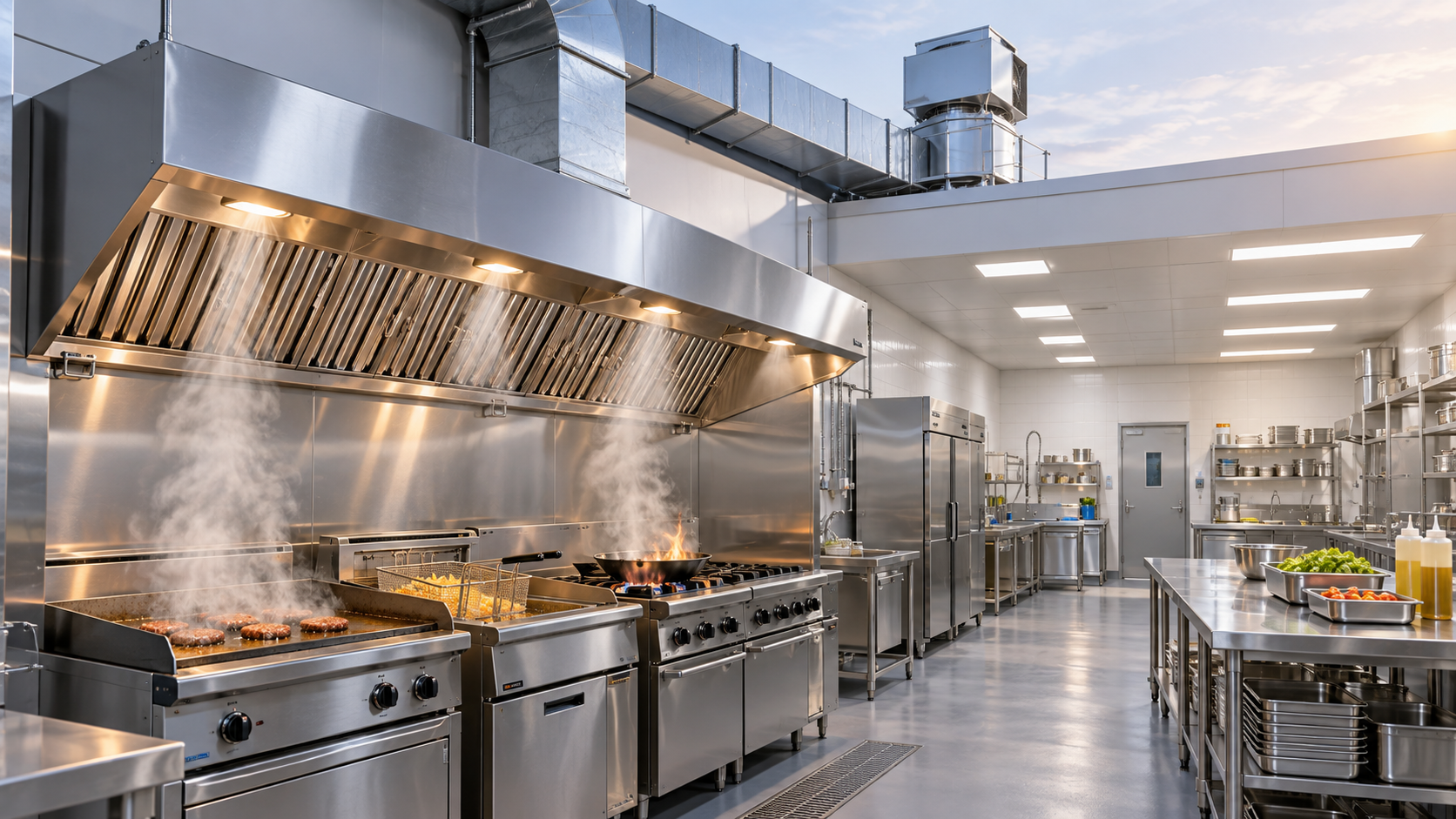
 How to Size a Commercial Kitchen Hood for Cooking Equipment and Heat Loads
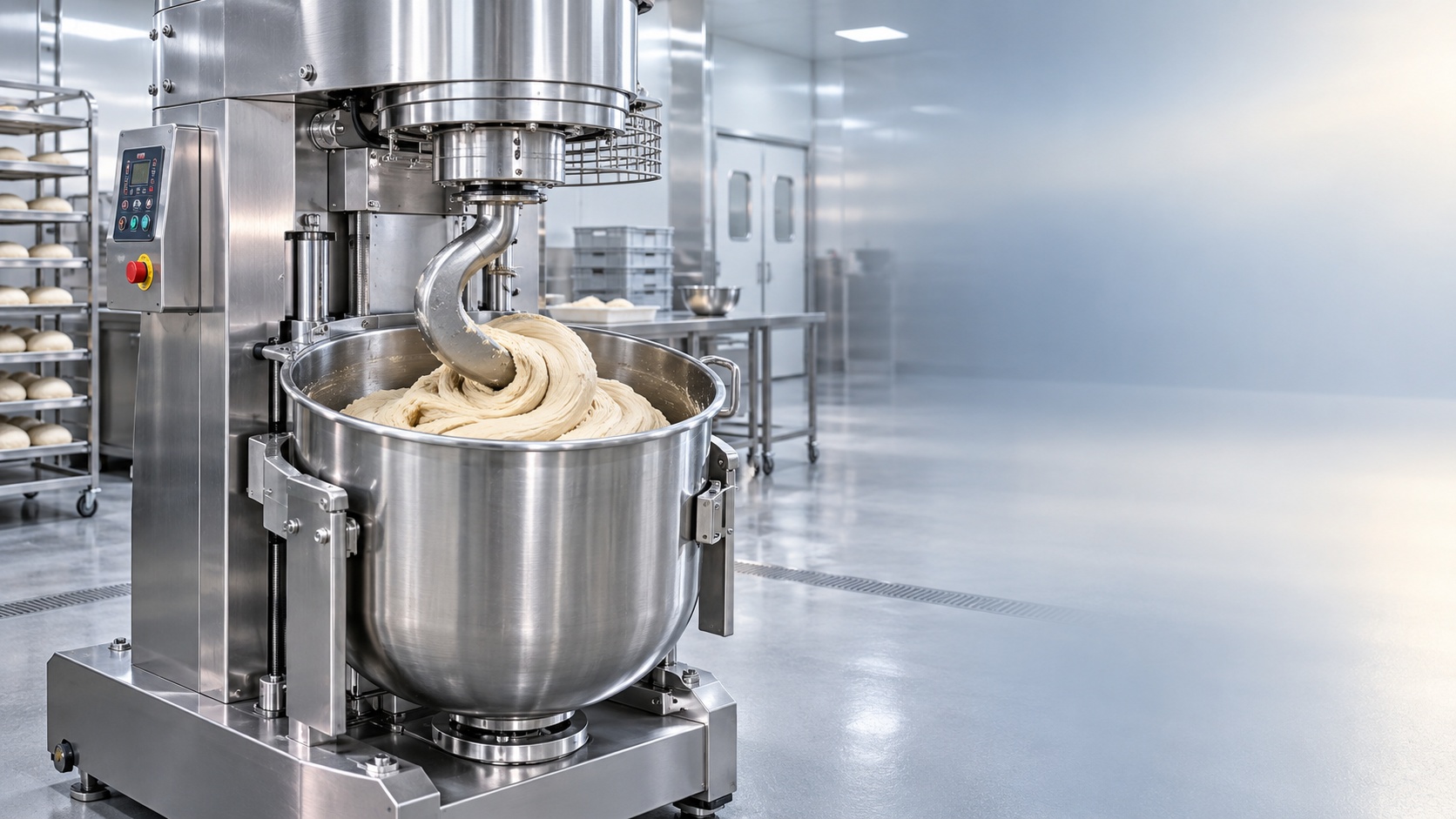
- How to Size a Planetary Mixer Machine for High-Viscosity Batch Production
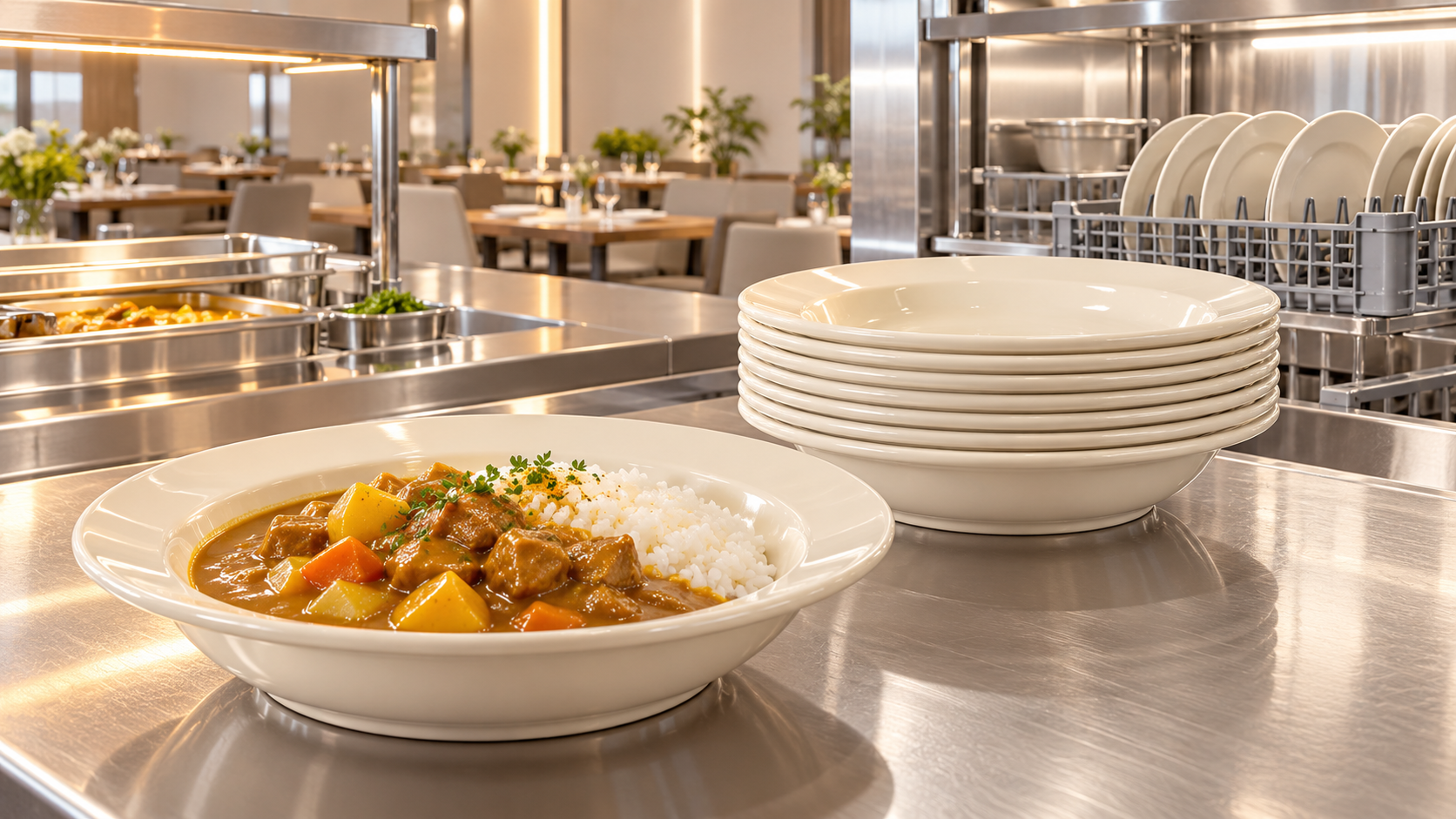
- How to Choose Ceramic Rice Plates for Restaurants: Size, Glaze, and Chip Resistance
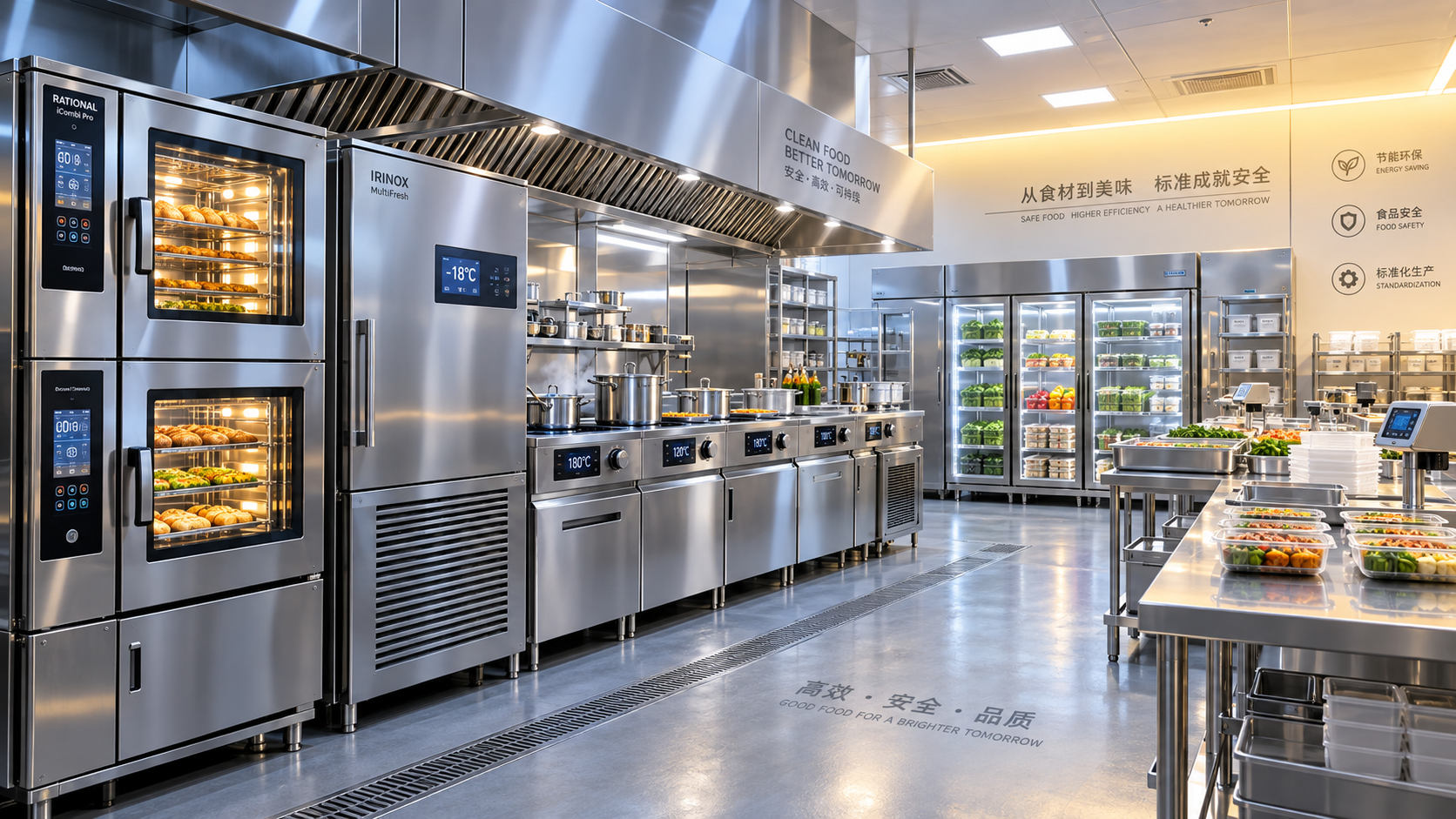
- Kitchen Innovation Trends in Emerging Markets: Where Growth Will Come From in 2026
Contact With us
Contact:
Anne Yin (Ceramics Dinnerware/Glassware)
Lucky Zhai(Flatware)