
Glass mojito cup sourcing in 2026: where margins get tight
As 2026 approaches, sourcing a reliable glass mojito cup is no longer a simple price comparison exercise.
In the kitchen equipment trade, tighter margins now meet higher expectations for durability, design, compliance, and delivery accuracy.
A glass mojito cup sits at the intersection of beverage presentation, hospitality efficiency, and cost discipline.
For businesses serving restaurants, hotels, bars, and retail channels, the right sourcing model can protect profits even in a more competitive global market.
This article reviews market signals, sourcing risks, commercial value, and practical steps for choosing the right glass mojito cup supply strategy in 2026.
What a glass mojito cup means in today’s kitchen equipment market
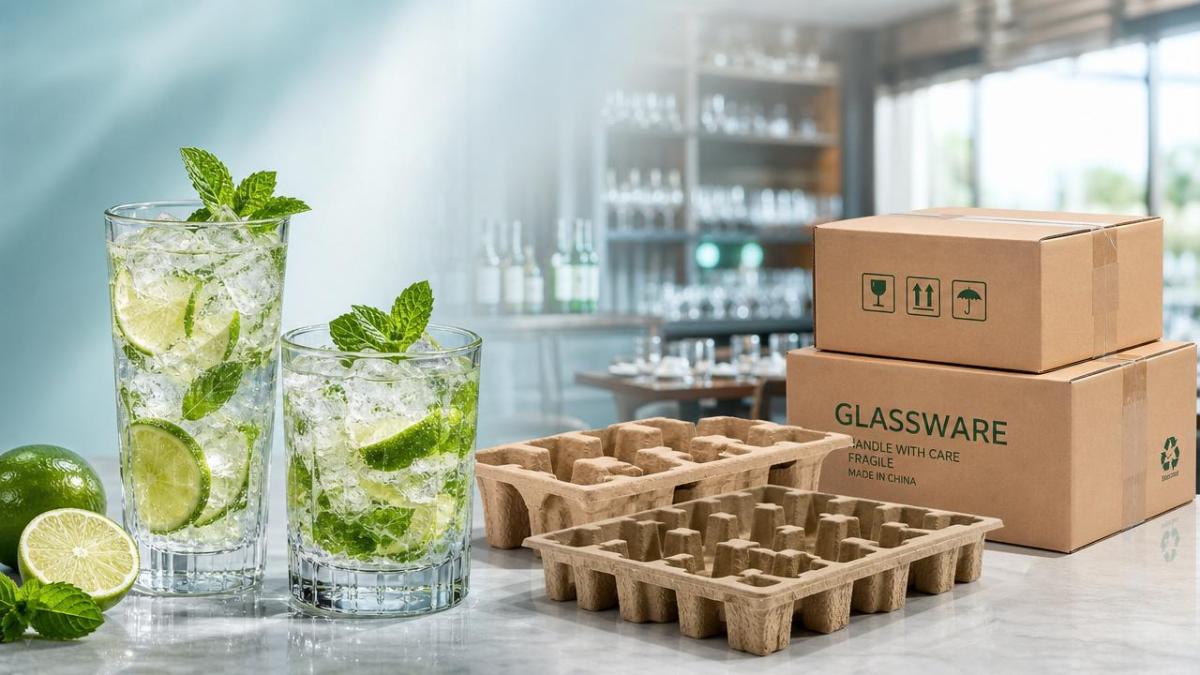
A glass mojito cup is generally a tall or mid-height drinking glass designed for mojitos, iced cocktails, mocktails, and cold mixed beverages.
In practice, it is often expected to support both visual appeal and repeated foodservice use.
That means buyers look beyond appearance.
They evaluate wall thickness, rim consistency, stacking behavior, dishwasher resistance, and carton protection during international shipping.
Within the broader kitchen equipment industry, drinkware is a small category with outsized operational impact.
Breakage, inconsistent sizing, and delayed replenishment can quickly erode margins for beverage-led businesses.
A well-selected glass mojito cup also supports menu pricing.
Presentation influences perceived drink value, especially in hotels, premium casual dining, and high-volume event service.
Why margins are getting tighter in 2026
Several structural changes are making glass mojito cup sourcing more demanding.
These pressures affect both landed cost and sales flexibility.
- Energy and raw material costs remain volatile in glass production.
- Freight rates have stabilized compared with peak disruption, but they are still sensitive to route changes and seasonal congestion.
- Hospitality buyers now expect lower defect rates and faster replenishment.
- Private label requests are increasing, adding tooling and packaging complexity.
- Environmental scrutiny is pushing suppliers toward better packaging and energy-efficient manufacturing.
At the same time, the global kitchen equipment industry is becoming more data-driven.
Buyers compare not only unit price, but also fill rate, complaint frequency, and replacement cost.
This shift changes the real meaning of a “cheap” glass mojito cup.
Key cost signals to monitor
Where real profit still exists in glass mojito cup sourcing
Even in a tighter market, margin is still available.
The opportunity usually comes from smarter specification, not only harder price negotiation.
1. Standardized best-selling formats
A standard glass mojito cup with proven dimensions often delivers better margins than a highly customized design.
Factories can run such items more efficiently, and replacement orders become easier.
2. Better breakage economics
A slightly higher factory price may be justified if carton structure, separators, and palletization reduce transit loss.
For fragile drinkware, delivered usable quantity matters more than invoice quantity.
3. Multi-channel positioning
The same glass mojito cup can serve bars, restaurants, hotels, event supply, and retail gift packaging with minor adjustments.
This broad application improves volume planning and lowers inventory risk.
4. Private label with limited complexity
Simple branding upgrades, such as custom cartons or subtle logo decoration, can raise selling value without excessive tooling cost.
That is often a better margin strategy than redesigning the entire cup.
Supply market signals across major sourcing regions
The kitchen equipment supply chain remains global, but each sourcing region offers a different balance of cost, design, and consistency.
For many buyers, China remains central for glass mojito cup sourcing because it combines manufacturing scale with broad kitchen equipment export infrastructure.
However, supplier screening has become more important than country selection alone.
Application value in hospitality and beverage service
A glass mojito cup is not only a vessel.
It supports operating flow, visual merchandising, and customer experience.
- Restaurants use it for signature cocktails, iced tea, lemon drinks, and soda service.
- Hotels value consistency across banquet, rooftop bar, and room service programs.
- Cafes and dessert shops use it for layered cold beverages and seasonal menu photography.
- Retail channels look for shelf appeal, gift readiness, and stable replenishment packaging.
In the wider kitchen equipment industry, products that cross several use cases usually offer stronger long-term volume stability.
That makes the glass mojito cup commercially attractive when selected carefully.
Typical glass mojito cup specifications and category choices
Choosing the right specification depends on service environment, price target, and replacement frequency.
Practical sourcing checks that protect margin
A profitable glass mojito cup program depends on disciplined evaluation before ordering.
- Confirm capacity, height, rim diameter, and carton count in writing.
- Request drop-test or transit packaging evidence for export shipments.
- Check visual consistency across random samples, not only showroom pieces.
- Verify dishwasher suitability when targeting foodservice accounts.
- Review lead time reliability during peak beverage seasons.
- Assess whether the supplier can maintain repeat production quality.
- Calculate total landed cost, including breakage, duties, storage, and replacement orders.
These checks matter because hidden losses often erase the apparent savings of a lower-priced glass mojito cup.
A workable next step for 2026 sourcing plans
In 2026, successful glass mojito cup sourcing will depend on balancing price with durability, packaging performance, and replenishment certainty.
The best opportunities are usually found in repeatable specifications, reliable suppliers, and application-focused product planning.
Within the evolving kitchen equipment industry, drinkware decisions should be treated as operational investments, not isolated commodity purchases.
A practical next step is to compare two or three validated glass mojito cup options using the same landed-cost and breakage benchmark.
That method gives a clearer view of where margin can still be protected in a tighter market.
Popular Tags
Kitchen Industry Research Team
Dedicated to analyzing emerging trends and technological shifts in the global hospitality and foodservice infrastructure sector.
Industry Insights
Join 15,000+ industry professionals. Get the latest market trends and tech news delivered weekly.
No spam. Unsubscribe anytime.
Hot Articles
 Kitchen Tools for Restaurants That Reduce Prep Bottlenecks During Peak Service
- How to Choose a Leak-Proof Glass Storage Container for Meal Prep and Transport
- How to Size a Commercial Charbroiler for Peak-Hour Restaurant Output
- How to Specify Stainless Steel Kitchen Equipment for High-Volume Commercial Kitchens
Contact With us
Contact:
Anne Yin (Ceramics Dinnerware/Glassware)
Lucky Zhai(Flatware)