
Porcelain mug glaze defects that often pass early inspection
Early inspection often misses subtle porcelain mug glaze defects that later affect safety, durability, and brand reputation. In kitchens, hospitality settings, and retail channels, a porcelain mug must handle heat, washing, stacking, and daily impact.
When glaze flaws slip through first checks, the result may be staining, crack growth, poor appearance, or customer complaints. This article explains the hidden defects that often pass early inspection and how to catch them sooner.
Why a structured inspection process matters for porcelain mug quality
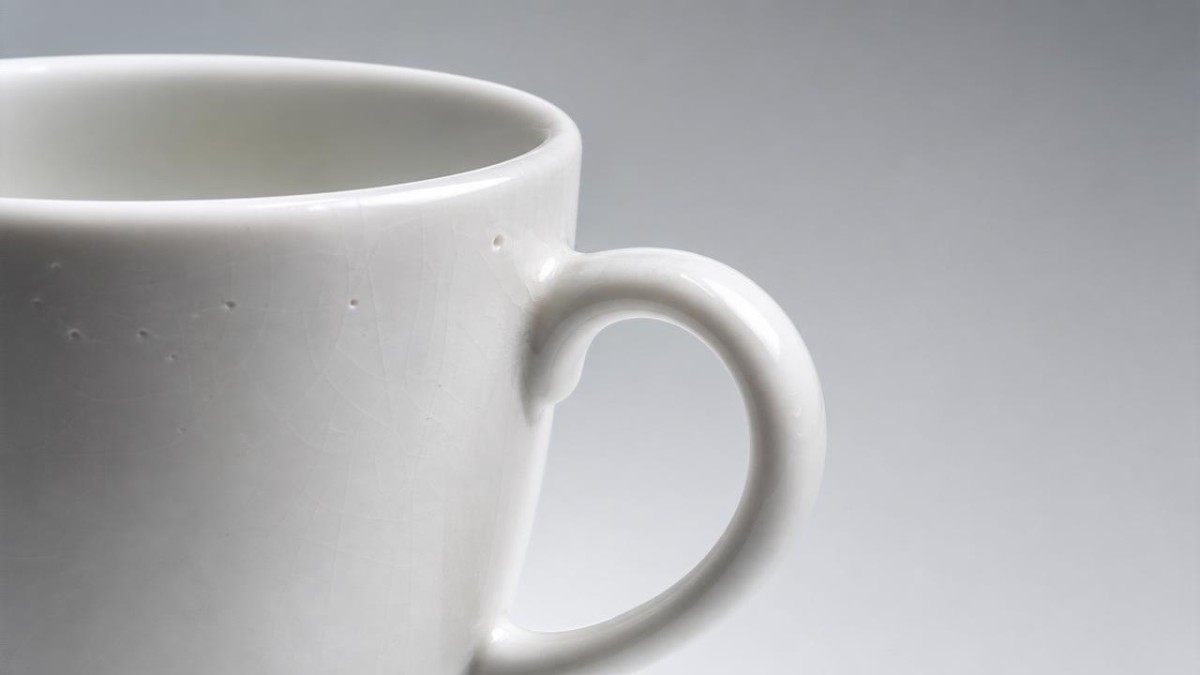
A porcelain mug glaze can look smooth under normal lighting yet still contain risk. Some defects remain invisible until the mug faces boiling liquid, dishwashing chemicals, or repeated thermal cycling.
This matters across the kitchen equipment industry because mugs are part of broader food-contact systems. A weak porcelain mug can undermine service quality, product safety perception, and replacement cost control.
Using a clear inspection list helps standardize decisions. It also reduces reliance on quick visual checks, which often miss early-stage glaze instability on a porcelain mug surface.
Core inspection points that reveal glaze defects before market release
The following points help identify a porcelain mug that appears acceptable at first glance but carries hidden glazing problems.
- Check for fine crazing under angled light after hot-water exposure, because micro-cracks on a porcelain mug often appear only after sudden temperature change.
- Look for pinholes near the rim and handle joints, where trapped gases can break through glaze and create weak, stain-prone points.
- Inspect glaze pooling at the base curve, since excessive thickness on a porcelain mug may hide stress concentration and lead to later chipping.
- Compare gloss consistency across body and handle, because uneven sheen often signals unstable firing or poor glaze application uniformity.
- Rub the surface with a dark cloth after wetting, as rough micro-defects can catch fibers and reveal hidden glaze discontinuities.
- Examine the lip area carefully, because a porcelain mug rim with slight crawling or thin glaze can become a hygiene and comfort issue.
- Use magnification on decoration edges, where overglaze transitions may conceal peeling risk, blistering, or weak bonding after repeated washing.
- Check color uniformity after cooling, since subtle shade variation may indicate inconsistent kiln temperature and uneven glaze maturity.
- Assess the handle attachment zone for hairline rings, because glaze tension can expose structural stress before visible cracking reaches the ceramic body.
- Review the foot ring and nearby glaze stop line, where hidden chips or overrun glaze can reduce stability and increase edge damage.
Defects that often pass the first visual check
Micro-crazing is one of the most overlooked issues in any porcelain mug review. At room temperature, the glaze may appear intact. After heat exposure, a fine crack network becomes visible.
Pinholes are another common problem. They may be tiny, scattered, and easy to ignore. Yet on a porcelain mug, they can trap residue and gradually discolor the surface.
Crawling creates bare or thin spots where glaze pulls away during firing. On white ware, these areas can blend in visually. Functional failure appears much later.
Blisters and glaze bubbles may flatten during cooling. Even when smooth to the eye, the porcelain mug surface can remain mechanically weaker in those zones.
How hidden porcelain mug glaze defects develop in production
Most hidden glaze problems begin before final inspection. Raw material variation, body absorption rate, glaze viscosity, drying speed, and kiln atmosphere all influence the finished porcelain mug.
If the glaze fit does not match the ceramic body well, stress remains locked in after firing. That stress may not show immediately, but later causes crazing or edge failure.
Fast production cycles also increase risk. When cooling is rushed, a porcelain mug can leave the line looking acceptable while carrying unstable glaze tension.
Production signals worth tracking
- Unexpected gloss variation between batches often points to firing drift, even when each porcelain mug still passes a basic appearance check.
- Higher reject rates around handles or rims may indicate spray inconsistency, glaze thickness problems, or local thermal stress concentration.
- Frequent stain complaints in field use can reveal micro-porosity that was invisible during standard factory inspection.
Additional checks for different use environments
Commercial foodservice and hospitality
In restaurants, cafés, and hotels, a porcelain mug faces constant dishwashing, stacking, and rapid refill cycles. Rim durability and stain resistance matter more than showroom appearance alone.
Extra attention should go to lip smoothness, base chipping risk, and handle stress marks. Repetitive service exposes weak glaze areas very quickly.
Household retail use
For home kitchens, the porcelain mug must handle microwave heating, hand washing, and occasional impact. Small glaze defects become visible through tea staining and cosmetic wear.
Thermal shock screening is useful here. A mug that survives display conditions may still fail after repeated hot beverage and sink-rinse cycles.
Promotional and decorated mug programs
Printed or decorated porcelain mug products need extra checking at logo edges and layered glaze areas. Surface defects often hide where decoration masks texture differences.
Dishwasher resistance and adhesion testing are especially important. A visually attractive mug can still fail once repeated washing attacks weak decorative zones.
Commonly ignored warning signs
A slight gray shadow near the handle root may suggest glaze thinning or trapped stress. It is often dismissed as a cosmetic variation, but can predict future cracking.
Tiny rim roughness is another warning sign. On a porcelain mug, even minor lip irregularity may indicate glaze crawling, incomplete melt, or edge undercoverage.
An unusually glossy patch can also be risky. Local overmelt may hide thickness imbalance, making the porcelain mug more vulnerable to impact damage nearby.
Do not ignore isolated stain marks found after sample washing. They often reveal micro-pits that escaped dry inspection and can worsen in active use.
Practical ways to strengthen porcelain mug inspection
A stronger process does not always require complex equipment. It requires better sequence, lighting, sampling logic, and stress-based verification.
- Inspect each porcelain mug under direct, angled, and diffused light instead of relying on one lighting condition.
- Add a hot-water hold test before final approval to expose craze lines and weak glaze fit.
- Use random destructive sampling for rim, handle, and foot ring zones where glaze failures often start.
- Record defects by location, not only by quantity, to reveal recurring process weakness on the same porcelain mug areas.
- Retain comparison samples from approved batches so subtle drift in gloss, color, or texture becomes easier to detect.
Simple acceptance questions
Does the porcelain mug remain visually stable after heat exposure? Does the rim feel fully smooth? Are handle joints free from rings, shadows, or texture breaks?
Does washing reveal stain traps, pinholes, or dull patches? If any answer is uncertain, the product needs deeper review before release.
FAQ about porcelain mug glaze defects
Can a porcelain mug look perfect and still have glaze problems?
Yes. Early defects such as micro-crazing, pinholes, and glaze tension may remain hidden until heat, washing, or daily use reveals them.
Which area of a porcelain mug fails most often?
The rim, handle attachment, and foot ring are the most failure-prone areas. These zones combine geometry changes, stress concentration, and glaze thickness variation.
Why do some defects pass initial inspection?
Because first inspections often rely on quick dry visual checks. Many porcelain mug glaze defects only appear after thermal or moisture-related stress.
Final takeaways and next steps
A reliable porcelain mug is not defined by appearance alone. Glaze performance under real kitchen conditions determines long-term value, safety confidence, and complaint risk.
By using a structured review process, checking hidden stress zones, and adding heat and wash verification, teams can catch glaze defects before distribution.
Start with the inspection points above, document recurring defect locations, and build approval standards around actual service conditions. That is the most practical way to improve porcelain mug quality consistency.
Popular Tags
Kitchen Industry Research Team
Dedicated to analyzing emerging trends and technological shifts in the global hospitality and foodservice infrastructure sector.
Industry Insights
Join 15,000+ industry professionals. Get the latest market trends and tech news delivered weekly.
No spam. Unsubscribe anytime.
Hot Articles
 Kitchen Tools for Restaurants That Reduce Prep Bottlenecks During Peak Service
- How to Choose a Leak-Proof Glass Storage Container for Meal Prep and Transport
- How to Size a Commercial Charbroiler for Peak-Hour Restaurant Output
- How to Specify Stainless Steel Kitchen Equipment for High-Volume Commercial Kitchens




Contact With us
Contact:
Anne Yin (Ceramics Dinnerware/Glassware)
Lucky Zhai(Flatware)