
When a restaurant supplies supplier becomes a bottleneck
When a restaurant supplies supplier becomes a bottleneck, project timelines, kitchen efficiency, and budget control can quickly fall apart. For project managers and engineering leaders, the issue is no longer just procurement—it affects installation, compliance, workflow design, and long-term operational performance. In a fast-evolving kitchen equipment industry driven by automation, energy efficiency, and smart systems, choosing the right supplier has become a critical factor in keeping foodservice projects on track.
Why does a restaurant supplies supplier become a project bottleneck so often?
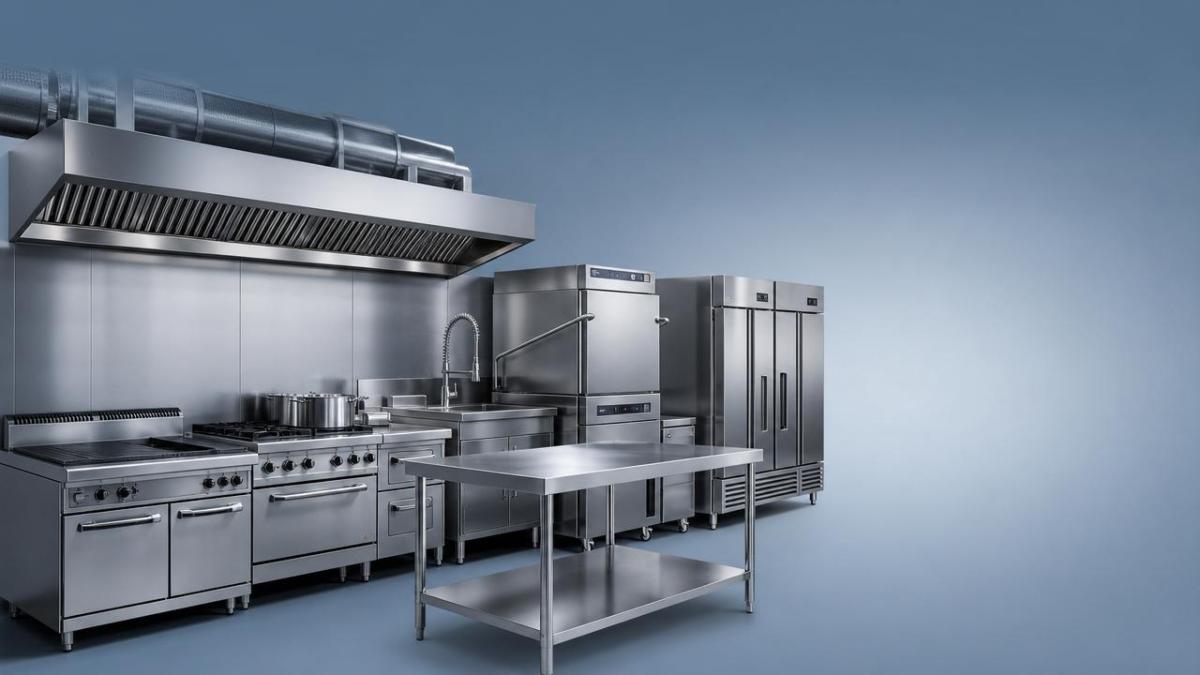
A restaurant supplies supplier can become a bottleneck when its role is treated as a simple purchasing channel instead of a core delivery partner. In foodservice construction and kitchen fit-out projects, supply decisions influence equipment dimensions, utility connections, ventilation coordination, hygiene compliance, installation sequencing, and final commissioning. If the supplier misses one link in that chain, the entire project can slow down.
For project managers, the biggest risk is not only late delivery. The deeper issue is dependency. One supplier may control key items such as cooking lines, refrigeration units, stainless workstations, warewashing systems, preparation equipment, and smallwares. If product information is incomplete, lead times shift, or substitutions are unmanaged, contractors cannot finalize site conditions and operators cannot validate workflow.
This challenge is more visible today because the kitchen equipment industry is becoming more integrated. Smart appliances, energy-saving systems, digital controls, and automated food processing equipment must work together. A weak restaurant supplies supplier does not just delay goods; it interrupts coordination across trades, from electrical and plumbing to HVAC and software setup.
What are the earliest warning signs that your supplier is the real problem?
Many teams realize too late that the restaurant supplies supplier is driving project risk. The warning signs usually appear early, but they are often mistaken for normal project friction. Recognizing them quickly helps engineering leaders prevent cascading delays.
The first sign is inconsistent technical documentation. If equipment cut sheets, utility load data, certification records, and installation requirements arrive late or in incomplete form, consultants and contractors cannot coordinate accurately. Even a short delay in data approval can create rework in wall layouts, floor drains, power routing, or extraction systems.
The second sign is unstable lead time communication. A capable restaurant supplies supplier should explain which items are stock-based, which are built to order, and which depend on imported components. Vague responses such as “about six to eight weeks” without factory confirmation usually indicate weak supply chain control.
A third signal is excessive product substitution. Substitution is not always bad, but frequent changes without engineering review can affect kitchen capacity, energy consumption, food safety standards, and workflow logic. This is especially dangerous in hotels, central kitchens, and food processing spaces where throughput and compliance must be predictable.
How does a weak restaurant supplies supplier affect budget, schedule, and kitchen performance?
The budget impact is broader than product price. When a restaurant supplies supplier fails to deliver on time or delivers mismatched equipment, project teams absorb hidden costs: expedited freight, idle labor, redesign fees, temporary storage, additional site visits, and commissioning delays. In many cases, the cheapest quoted supplier becomes the most expensive option in total project cost.
On schedule, supplier issues often hit critical path activities. Kitchen equipment is typically installed after major building services are prepared but before final testing, operator training, and handover. If one key item such as a combi oven, blast chiller, walk-in cooler, or dishwashing line is delayed, dependent tasks stall. That creates a chain reaction across MEP teams, finishing works, and opening preparation.
Operational performance is the most overlooked consequence. Restaurants and foodservice facilities depend on ergonomic workflow, stable output, and low downtime. A poor restaurant supplies supplier may deliver equipment that technically fits the plan but performs below expected production volume, wastes energy, complicates cleaning, or lacks after-sales support. That means the project may be “completed” on paper while the kitchen underperforms in real use.
What should project managers evaluate before selecting a restaurant supplies supplier?
Selection should begin with capability, not catalog size. A large product list does not guarantee delivery quality. Project managers should evaluate whether the restaurant supplies supplier can support the full lifecycle of the project: design coordination, procurement planning, logistics, installation interface, training, and after-sales service.
First, review technical depth. Can the supplier provide accurate utility schedules, BIM-compatible data if required, equipment layout input, and compliance documentation for local or international standards? In modern kitchen equipment projects, technical readiness saves more time than aggressive quoting.
Second, check manufacturing and sourcing transparency. In the global kitchen equipment market, products may come from multiple factories across China, Germany, Italy, Japan, or regional distributors. Ask which products are manufactured directly, which are OEM, and which rely on third-party sourcing. Supply transparency reduces the risk of sudden availability problems.
Third, evaluate service infrastructure. A reliable restaurant supplies supplier should have clear escalation paths for defects, spare parts, and warranty response. For restaurants, hotels, and food processing companies, after-sales support is not optional. Equipment uptime influences labor productivity, food safety, and customer experience.
Fourth, assess whether the supplier understands new industry trends. As kitchens adopt automation, intelligent cooking systems, digital monitoring, and energy-efficient designs, suppliers must align product recommendations with future operating goals, not just immediate purchase needs.
Which evaluation criteria matter most in a practical supplier review?
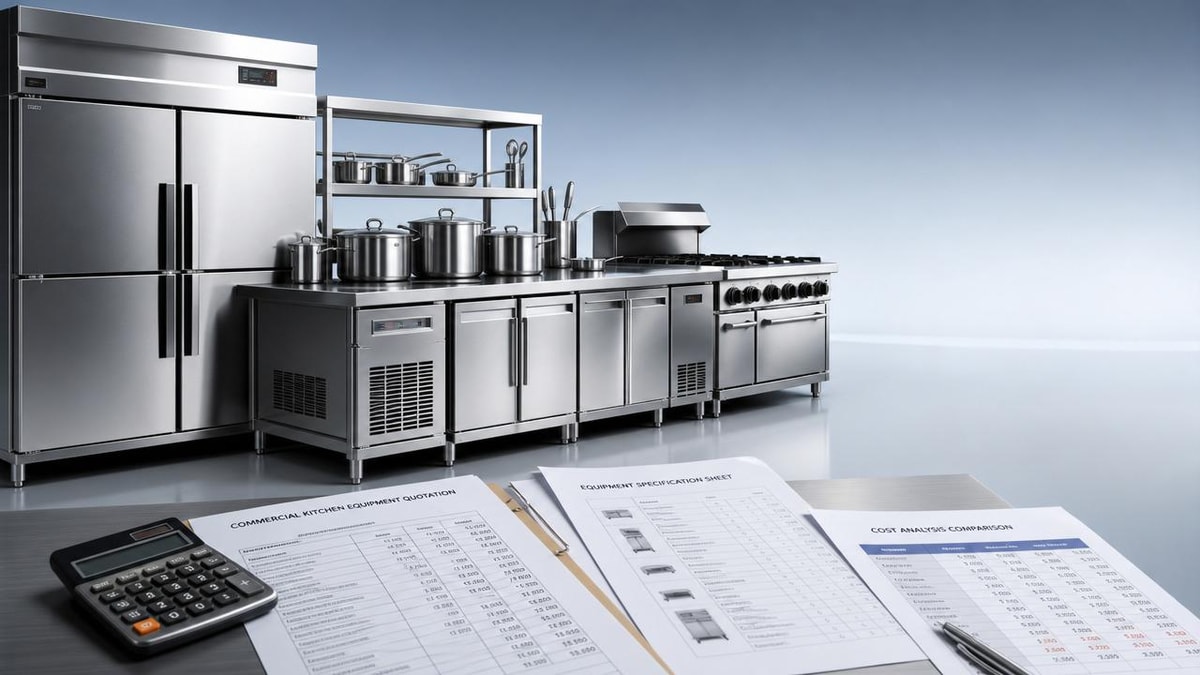
A structured review helps teams compare suppliers beyond price. The table below summarizes the criteria project managers and engineering leads should prioritize when screening a restaurant supplies supplier for commercial kitchen or foodservice projects.
Is it better to choose the lowest-cost supplier or the most specialized one?
This is one of the most common questions in kitchen projects, and the answer depends on risk exposure. A low-cost restaurant supplies supplier may work for standard items with stable specifications and easy replacement options. However, for core kitchen systems, specialized support often creates better value than a lower purchase price.
Specialized suppliers usually perform better in technically demanding environments such as central kitchens, hotel back-of-house operations, institutional catering, and food processing lines. These projects require coordination of workflow, hygiene zoning, production volume, and energy efficiency. In such cases, supplier expertise can prevent design mistakes that would cost far more than the original price difference.
That said, specialization alone is not enough. Some niche suppliers have strong products but weak logistics or poor communication. The best restaurant supplies supplier is the one that combines technical understanding with dependable execution, transparent sourcing, and responsive service.
What common mistakes do buyers make when managing a restaurant supplies supplier?
A common mistake is buying too late. Teams sometimes delay final supplier engagement until construction is already moving, assuming kitchen equipment can be inserted near the end. In reality, many items affect early-stage decisions including power capacity, gas points, floor loading, drainage, and ventilation design.
Another mistake is evaluating only unit price. This overlooks freight terms, packaging standards, site delivery restrictions, commissioning responsibility, and service coverage. A restaurant supplies supplier that looks competitive at quotation stage may create major variation costs later.
A third mistake is failing to define approval rules for substitutions. Without a formal process, teams may accept alternative products that change dimensions, utility requirements, output capacity, or cleaning procedures. This creates conflict between procurement speed and operational suitability.
Finally, many buyers underestimate after-sales risk. In a kitchen equipment environment shaped by automation and smart controls, technical support matters more than ever. Downtime on connected cooking systems, refrigeration controls, or digital kitchen tools can disrupt both service and compliance if support is weak.
How can project teams reduce supplier bottlenecks before they happen?
The most effective strategy is early alignment. Bring the restaurant supplies supplier into the project discussion before drawings are frozen. This allows verification of dimensions, utility loads, lead times, and installation constraints while changes are still manageable.
Next, separate critical items from routine items. High-risk equipment such as cooking suites, refrigeration systems, ventilation-linked devices, and automated preparation machinery should be tracked with stricter milestone control. Standard smallwares and low-complexity products can follow a simpler purchasing process.
It also helps to build a supplier communication matrix. Define who handles technical queries, who approves substitutions, who confirms shipping status, and who signs off installation readiness. This prevents information gaps between procurement, engineering, site teams, and operations.
For larger projects, include contingency planning. Identify backup options for critical equipment, especially when international sourcing is involved. Because the global kitchen equipment industry depends on complex manufacturing and trade networks, disruption can come from materials shortages, logistics delays, certification issues, or customs complications.
What should you clarify before moving forward with a supplier?
Before awarding or expanding cooperation, project leaders should confirm a short but decisive set of points with the restaurant supplies supplier: exact scope of supply, technical documentation timeline, confirmed production and shipping schedule, installation responsibilities, testing and commissioning steps, spare parts policy, warranty terms, and escalation contacts.
If the project includes smart kitchen systems, automated food processing equipment, or energy-efficient appliances, also ask how integration will be supported and what operating data or training the end user will receive. These details matter because the future of kitchen equipment is moving toward connected, efficient, and more intelligent systems.
For project managers and engineering decision-makers, the right restaurant supplies supplier is not simply a vendor. It is a delivery partner that protects schedule reliability, budget discipline, compliance readiness, and kitchen performance. If you need to confirm a practical sourcing plan, technical parameters, lead times, quotation logic, or cooperation model, start the conversation with those operational questions first. That is usually the fastest way to discover whether a supplier will remove risk or become the next bottleneck.
Popular Tags
Kitchen Industry Research Team
Dedicated to analyzing emerging trends and technological shifts in the global hospitality and foodservice infrastructure sector.
Industry Insights
Join 15,000+ industry professionals. Get the latest market trends and tech news delivered weekly.
No spam. Unsubscribe anytime.
Contact With us
Contact:
Anne Yin (Ceramics Dinnerware/Glassware)
Lucky Zhai(Flatware)