
What hotels often miss when buying kitchen tools
When hotels invest in kitchen tools for hotels, they often focus on price and appearance while overlooking durability, workflow efficiency, food safety, and long-term operating costs. In a fast-moving hospitality environment, the wrong tools can slow service, increase waste, and affect guest satisfaction. Understanding these overlooked factors helps decision-makers choose smarter, more reliable solutions that support performance, consistency, and sustainable growth.
Why do hotels so often make the wrong decision when buying kitchen tools for hotels?
The most common reason is that purchasing decisions are made too narrowly. In many hotels, procurement teams compare quotes, review product photos, and check whether a supplier can deliver on time. Those steps matter, but they do not reveal how kitchen tools for hotels will actually perform during breakfast rush, banquet prep, room service peaks, or late-night cleaning cycles.
Hotels operate differently from standalone restaurants. A hotel kitchen may need to support buffets, à la carte dining, events, in-room dining, and staff meals at the same time. That means kitchen tools are exposed to repeated handling, fast turnover, frequent washing, and varied users across shifts. A tool that looks acceptable in a catalog may fail quickly in real use if it is not designed for commercial hospitality conditions.
Another mistake is treating all tools as low-value accessories. Decision-makers may apply strict evaluation standards to ovens, refrigeration, or food processing machinery, yet purchase knives, tongs, pans, cutting boards, ladles, and storage tools with limited analysis. In reality, these smaller items directly affect speed, consistency, hygiene, labor efficiency, and replacement frequency. Over time, poor tool choices can create hidden costs that exceed the initial savings.
What should decision-makers evaluate beyond price when selecting kitchen tools for hotels?
Price should be one factor, not the decision itself. For hotels, a better evaluation framework includes material quality, ergonomic design, heat resistance, corrosion resistance, dishwasher compatibility, ease of sanitation, and expected lifespan. Stainless steel grade, handle construction, edge retention, and anti-slip performance all matter when tools are used continuously in high-pressure environments.
Workflow fit is equally important. Kitchen tools for hotels should match menu type, production volume, staff skill level, and service style. For example, a luxury property with plated fine dining needs precision tools that support presentation and consistency. A business hotel with a heavy breakfast buffet may prioritize durability, speed, and easy cleaning. A resort hosting frequent banquets may need stackable, standardized tools that support large-batch preparation and quick turnover.
Decision-makers should also consider replacement logistics. Can the supplier provide the same product line consistently? Are spare items easy to reorder? Will tools remain available if the hotel expands, renovates, or standardizes across multiple sites? Supply continuity matters because inconsistency in basic kitchen tools can disrupt training, operating rhythm, and output quality.
Which hidden operational risks are usually overlooked?
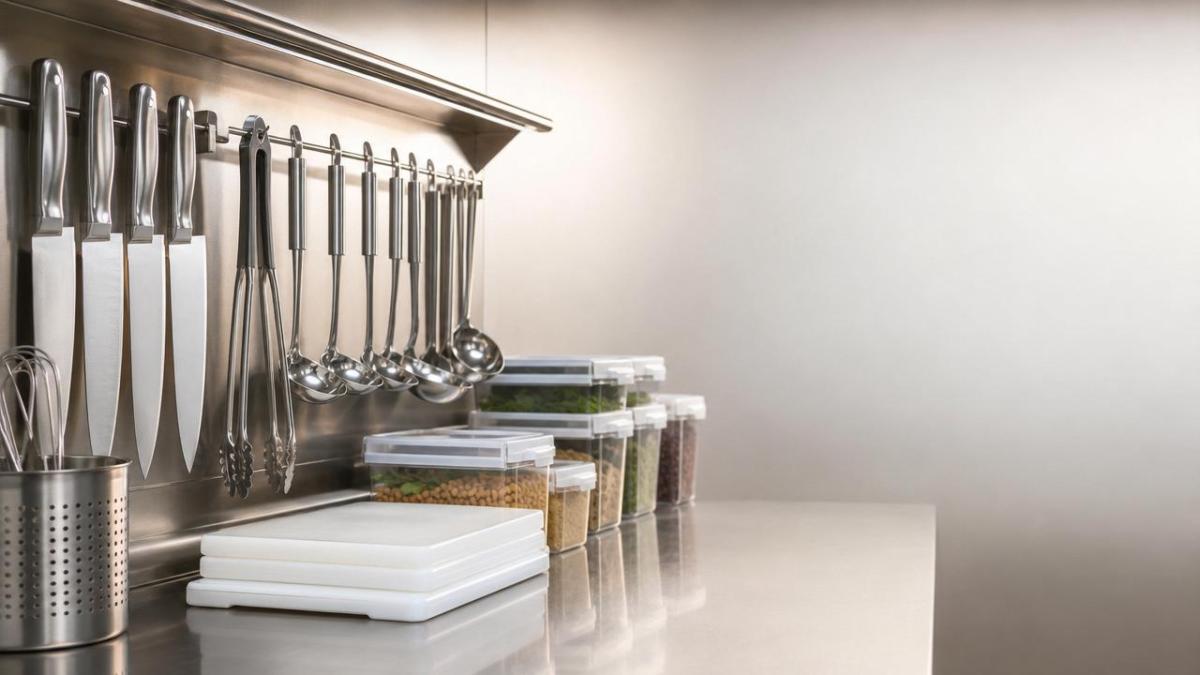
One major risk is poor durability under commercial cleaning conditions. Many tools degrade not during cooking, but during washing, sanitizing, stacking, and storage. Handles loosen, coatings peel, edges dull, and surfaces warp. In a hotel environment, this leads to more frequent replacement, inconsistent performance, and potential food safety concerns.
A second risk is inefficiency in staff movement. If kitchen tools for hotels are poorly sized, difficult to grip, or unsuitable for the actual workstation layout, employees lose seconds in every task. Across hundreds of daily actions, that translates into slower ticket times, more fatigue, and greater service variability. In hospitality, small inefficiencies can become visible to guests very quickly.
A third issue is safety. Sharp tools without proper balance, heat-contact tools with weak insulation, or storage tools with hard-to-clean seams can create accidents or contamination points. Hotels are especially exposed because they must protect staff, guests, and brand reputation at the same time. A preventable injury or hygiene incident has both direct and reputational costs.
There is also the risk of poor standardization. If each chef or shift buys different tools based on personal preference, kitchens become harder to manage. Training takes longer, inventory becomes fragmented, and replacement becomes unpredictable. Standardized kitchen tools for hotels support smoother onboarding, clearer operating procedures, and more stable output across departments.
How do food safety and compliance influence the choice of kitchen tools for hotels?
Food safety is not limited to large equipment. Basic tools come into direct contact with ingredients, cooked food, allergens, and high-risk surfaces. Materials should be food-safe, non-reactive, and easy to sanitize thoroughly. Tools with cracks, absorbent surfaces, weak joints, or hard-to-clean corners increase the chance of bacterial buildup and cross-contamination.
Hotels serving international guests or operating under brand standards often need to align purchasing with HACCP-based procedures, local health regulations, and internal quality systems. That means kitchen tools for hotels should support color coding, segregation of raw and cooked handling, and traceable procurement from reliable manufacturers. Certification alone is not enough; practical cleanability and process fit are just as important.
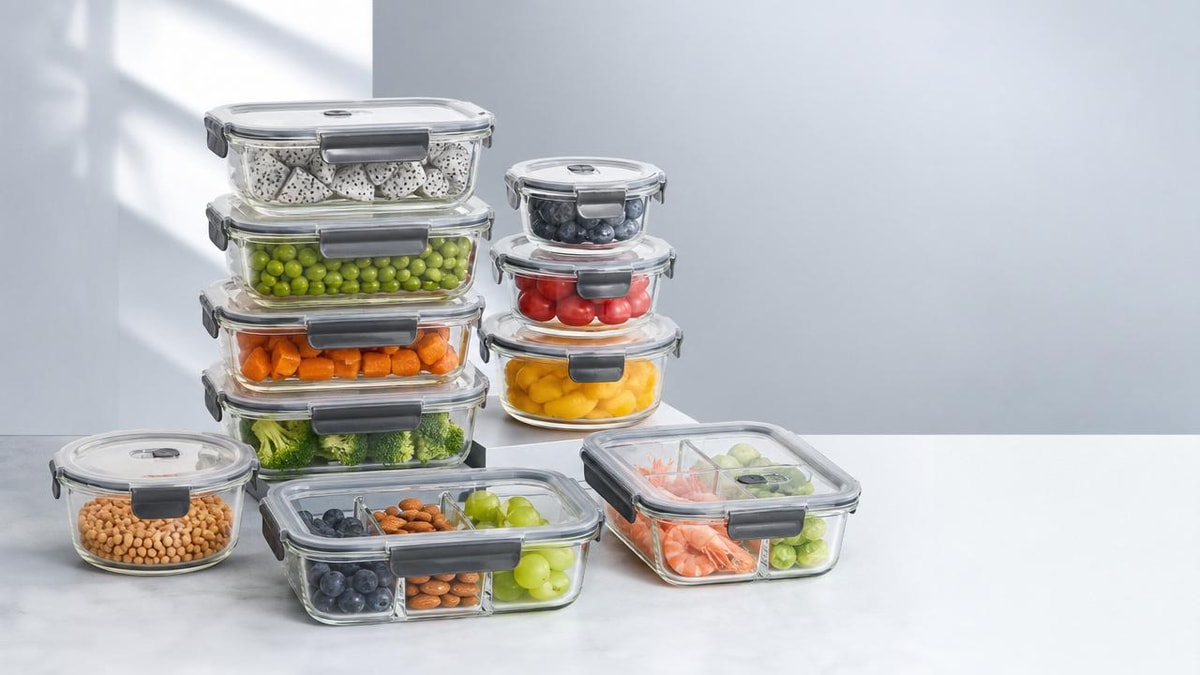
For example, cutting tools and boards should be selected not only for cutting performance but also for sanitation protocol. Serving utensils must withstand repeated washing at commercial temperatures. Storage containers should seal properly and resist staining or odor retention. When hotels ignore these details, food safety management becomes harder, labor demands increase, and audit risks rise.
What does a smart cost comparison actually look like?
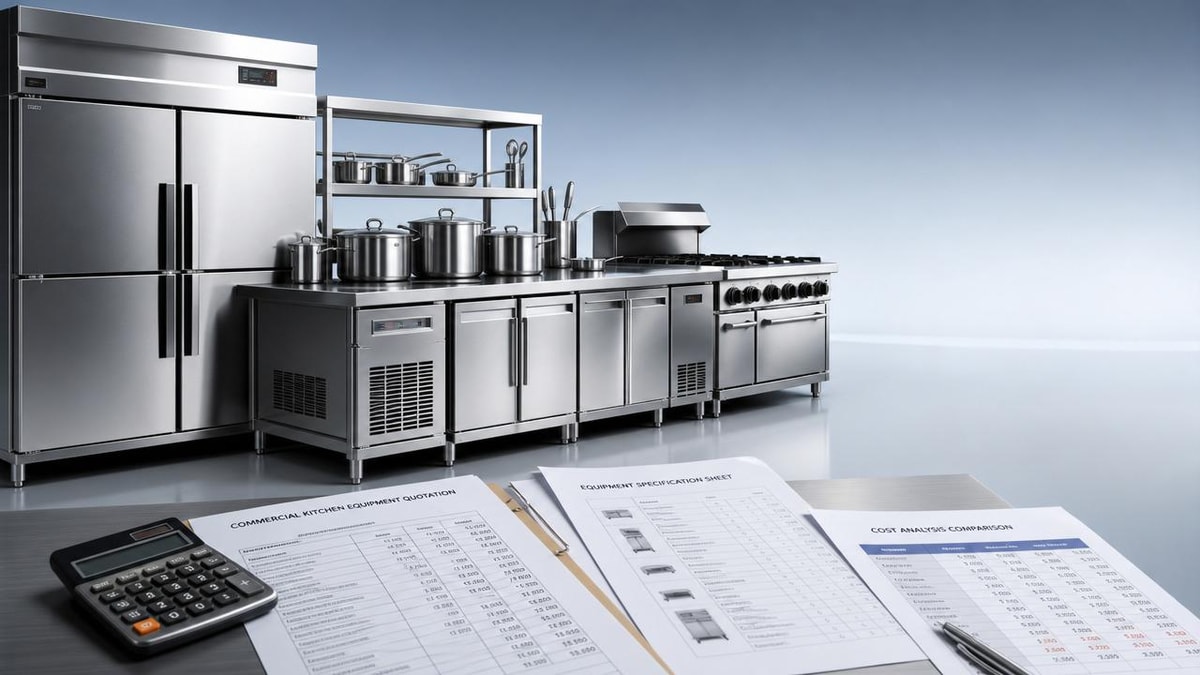
A smart comparison goes beyond purchase price and examines total cost of ownership. That includes usable life, breakage rate, cleaning time, maintenance needs, impact on labor, replacement frequency, and supply reliability. A lower-cost product may be more expensive over twelve months if it wears out quickly or disrupts operations.
The table below summarizes how enterprise buyers can compare kitchen tools for hotels more effectively.
For hotel groups, this comparison becomes even more important. Standardized procurement across properties can reduce training complexity, simplify inventory management, and strengthen supplier relationships. In that context, kitchen tools for hotels are not just consumables; they are part of operational infrastructure.
How can hotels tell whether a supplier is truly suitable?
A suitable supplier should understand hospitality workflows, not simply offer a broad catalog. Buyers should ask whether the supplier has experience with hotels, resorts, central kitchens, or multi-outlet foodservice operations. Knowledge of banquet volume, housekeeping coordination, food safety routines, and replenishment cycles often matters more than a long product list.
Hotels should also examine manufacturing consistency and quality control. In the kitchen equipment industry, especially with global sourcing, visual similarity does not guarantee equal performance. Two products may look almost identical online, yet differ in steel quality, weld strength, handle attachment, or finishing detail. Procurement teams need samples, usage testing, and clear technical specifications before making volume decisions.
After-sales responsiveness is another key signal. If a supplier cannot answer practical questions about maintenance, product limits, cleaning methods, or batch consistency, the hotel may face avoidable disruptions later. Strong suppliers of kitchen tools for hotels help buyers align products with real service conditions, not just submit quotations.
What are the most common buying mistakes hotels should avoid?
Several mistakes appear repeatedly across the hospitality sector:
- Choosing based only on unit price instead of total operating value.
- Ignoring how tools perform during repeated washing and sanitizing.
- Buying attractive designs that do not fit actual kitchen workflow.
- Allowing too many product variations across outlets or shifts.
- Failing to test tools with chefs, stewards, and operations managers before full rollout.
- Overlooking supplier continuity, lead time, and reorder stability.
Avoiding these errors does not always require a larger budget. Often, it requires a better process: define use cases, involve end users, compare total cost, and confirm that the supplier can support long-term hospitality operations.
What questions should a hotel ask before placing a final order?
Before approving a purchase, decision-makers should confirm a practical set of questions. Will these kitchen tools for hotels survive the actual cleaning cycle? Are the materials food-safe and suitable for the intended ingredients? Do the dimensions match station layout and storage systems? Can staff use them comfortably across long shifts? Is the product standardized enough for multi-property or multi-outlet use? Can the supplier deliver the same specification again in six or twelve months?
It is also wise to ask how the tools support larger business goals. Do they reduce waste, improve consistency, support faster prep, or simplify training? In a market moving toward smarter, more efficient, and more sustainable kitchen operations, even basic tools should contribute to productivity and resource control. That is especially relevant as the global kitchen equipment industry continues evolving toward integrated systems, stronger quality assurance, and better energy and labor efficiency.
If you need to confirm a specific solution, specifications, sourcing direction, lead time, pricing structure, or cooperation model, start by discussing usage volume, kitchen format, cleaning process, standardization needs, compliance expectations, and replacement planning. Those questions will lead to better decisions than price alone and help ensure the right kitchen tools for hotels support both daily performance and long-term growth.
Popular Tags
Kitchen Industry Research Team
Dedicated to analyzing emerging trends and technological shifts in the global hospitality and foodservice infrastructure sector.
Industry Insights
Join 15,000+ industry professionals. Get the latest market trends and tech news delivered weekly.
No spam. Unsubscribe anytime.
Contact With us
Contact:
Anne Yin (Ceramics Dinnerware/Glassware)
Lucky Zhai(Flatware)