
Chafing Dish choices that reduce heat loss at events
At large-scale events, even small temperature drops can affect food quality, service efficiency, and guest satisfaction. Choosing the right Chafing Dish is not just about presentation—it is a practical decision that helps reduce heat loss, improve energy use, and support smoother operations. For project managers and engineering leads, understanding which designs and features perform best is essential when planning reliable, cost-effective catering setups.
Why does Chafing Dish heat loss become a project risk at events?
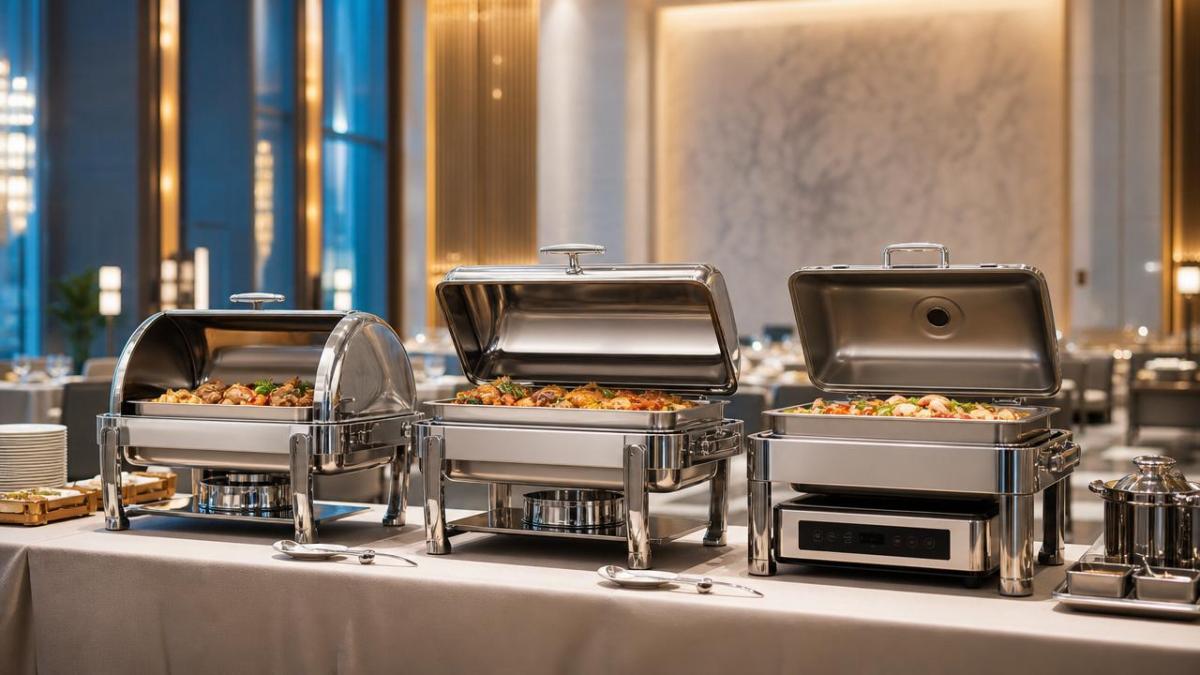
In banquet halls, hotel buffets, conference catering, and temporary foodservice installations, heat retention is not a minor detail. It directly affects food safety windows, replenishment frequency, labor scheduling, fuel or power consumption, and overall guest flow. A poorly selected Chafing Dish can force staff to replace pans too often, overheat food at the edges, or allow the core temperature to drift below acceptable serving levels.
For project managers, this issue usually appears in three forms: operational instability during peak service, avoidable energy costs, and complaints that emerge only after the event starts. Engineering leads face a related problem. They must evaluate not only the container itself, but also the heating source, lid geometry, material thickness, ventilation design, and compatibility with existing buffet lines or mobile serving systems.
The kitchen equipment industry is moving toward energy efficiency, integrated systems, and smarter operational control. That trend matters here. A modern Chafing Dish should not be treated as a simple stainless steel box. It is part of a broader hot-holding solution that influences food quality, labor planning, and equipment standardization across venues.
- Heat loss increases when lids stay open too long, when body walls are thin, or when the water pan design transfers heat unevenly.
- Temporary event sites often have air movement, unstable ambient temperatures, and limited utility access, all of which make Chafing Dish selection more critical.
- Different menu types behave differently. Sauces, proteins, rice, and fried items respond to holding heat in very different ways.
Where heat loss usually happens
Most heat escapes from the lid opening area, from poorly insulated side walls, and from long refill intervals where fresh hot food is mixed into a cooling pan. In practical event operations, user behavior matters as much as equipment design. A premium Chafing Dish can still underperform if the lid does not close properly or if the pan depth is mismatched to the food volume.
Which Chafing Dish designs reduce heat loss more effectively?
When evaluating a Chafing Dish for heat retention, project teams should compare structural designs rather than only appearance or purchase price. The table below summarizes common formats and their practical behavior in buffet and event service environments.
For most project-based event catering, roll-top and controlled electric Chafing Dish systems offer the best balance between lower heat loss and service speed. Lift-off units may still fit cost-sensitive deployments, but they usually perform worse in busy self-service lines where lids remain open for extended periods.
Design details that often matter more than expected
- A deeper water pan can stabilize heat transfer, but it may slow recovery time if the heating source is weak.
- A lid that opens only partially can dramatically reduce direct heat escape during repeated guest access.
- Heavier gauge stainless steel tends to resist deformation and supports more consistent thermal behavior over repeated use.
- Rounded corners and better pan fit reduce cold spots and simplify cleaning, which matters in high-turnover event operations.
What technical features should project managers check before purchasing?
A Chafing Dish procurement decision should be based on measurable features, not just catalog photos. The next table can be used as a practical screening tool when comparing suppliers or requesting quotations for event, hotel, or central catering projects.
This checklist helps teams avoid common purchasing errors. The most frequent mistake is focusing on unit price without modeling service duration, staff handling patterns, and venue utility constraints. A cheaper Chafing Dish can create higher total cost when food waste, labor time, and guest dissatisfaction are included.
A simple selection path for engineering and operations teams
- Define the event holding time by menu category, not by buffet line as a whole.
- Confirm whether the venue permits open flame fuel or requires electric heating.
- Estimate guest access frequency per dish during peak service.
- Check transport, storage, and cleaning workflow if units will move between venues.
- Request consistent pan dimensions to simplify replenishment and spare planning.
How do different event scenarios change the best Chafing Dish choice?
Not every event needs the same Chafing Dish solution. A hotel breakfast buffet, an exhibition lunch line, and a remote wedding venue each create different heat-loss risks. Matching the design to the operating environment usually produces better results than buying one universal format.
High-traffic indoor buffets
For conference centers and business hotels, guest access is frequent and continuous. Roll-top or controlled hinged Chafing Dish models work well because they reduce the time the food surface stays fully exposed. Electric or induction-supported heating is often preferred where stable utilities are available and visual consistency matters.
Outdoor or semi-open venues
Wind, cooler evening temperatures, and uneven surfaces increase performance variability. In these situations, project managers should prioritize stable frames, reliable lid closure, and stronger recovery from the heating source. Fuel-based Chafing Dish setups may still be practical where electrical access is limited, but fuel safety controls and refueling procedures must be planned carefully.
Premium banquet service
Presentation and consistency matter equally. A polished stainless steel Chafing Dish with smoother lid motion and better thermal control can justify a higher capital cost when events are frequent and brand image is important. The gain is not only visual. Better heat retention helps reduce food texture degradation over long service periods.
How should buyers compare cost, efficiency, and alternatives?
A realistic budget comparison should look beyond purchase price. For many commercial kitchen and event teams, the more useful question is: which Chafing Dish setup gives the lowest operational friction over one season or one annual event cycle?
The strongest cost-saving strategy is often not buying the cheapest Chafing Dish. It is building a system that combines the right lid style, the right heating method, and the right replenishment plan. In high-volume events, smaller display pans with faster back-of-house replacement can outperform oversized pans that lose heat while sitting half full.
What compliance and operational checks should not be skipped?
Compliance is especially important when equipment is used across hotels, public venues, or cross-border supply projects. While exact requirements depend on market and application, buyers should ask suppliers about food-contact material suitability, electrical safety for powered models, and consistency of manufacturing specifications.
- Confirm that food-contact parts are suitable for commercial use and easy to sanitize.
- For electric Chafing Dish models, verify voltage, plug format, and applicable safety approvals for the destination market.
- If units will be shipped internationally, standardize packing protection and spare parts planning to reduce replacement delays.
- For engineering projects, request dimensional drawings to ensure buffet counter compatibility and service clearance.
In the broader kitchen equipment industry, buyers increasingly prefer products that fit energy-efficient and integrated kitchen strategies. That means a Chafing Dish should be reviewed as part of the full service line, including food prep flow, transport route, cleaning area, and utility layout.
Common mistakes and FAQ about Chafing Dish selection
Is a heavier Chafing Dish always better for heat retention?
Not always. Heavier construction can support thermal stability and durability, but it also affects transport efficiency and handling safety. For mobile catering teams, the better question is whether the material thickness, lid fit, and heating method work together. Weight alone is not a reliable buying standard.
Should large-capacity pans be chosen to reduce refills?
Only if turnover is high enough. Large pans can become inefficient when food sits too long and the exposed surface area remains open during repeated service. Many event teams achieve better temperature control by using moderate pan volumes and more disciplined replenishment timing.
Are fuel-heated Chafing Dish models outdated?
No. They remain useful for venues with limited electrical infrastructure or for temporary event setups. However, they require more manual control, stronger safety discipline, and careful cost review if events are frequent. For long-term buffet systems, electric or induction-compatible alternatives may offer better consistency.
What is the most overlooked procurement factor?
Lid behavior during real service. Catalog descriptions often focus on appearance, but actual heat loss depends heavily on how often the lid is opened, how quickly it closes, and whether guests or staff can use it smoothly without leaving it open.
Why choosing the right supplier matters for long-term event performance
A capable supplier does more than ship a Chafing Dish. They help confirm pan formats, heating compatibility, quantity planning, lead times, packing approach, and destination-market requirements. This is especially important for project managers handling hotel openings, catering expansions, or cross-border kitchen equipment sourcing where standardization reduces risk.
If you are comparing Chafing Dish options for an upcoming project, contact us to discuss the practical details that affect performance: parameter confirmation, model selection, heating method matching, delivery schedule, packaging for export, sample support, and quotation planning. We can also help review whether your event setup is better served by fuel, electric, induction-compatible, or mixed-service solutions based on venue conditions, service duration, and operational budget.
Popular Tags
Kitchen Industry Research Team
Dedicated to analyzing emerging trends and technological shifts in the global hospitality and foodservice infrastructure sector.
Industry Insights
Join 15,000+ industry professionals. Get the latest market trends and tech news delivered weekly.
No spam. Unsubscribe anytime.
Contact With us
Contact:
Anne Yin (Ceramics Dinnerware/Glassware)
Lucky Zhai(Flatware)