
What Affects Porcelain Baking Dish Costs in 2026
In 2026, the cost of a porcelain baking dish is shaped by far more than material alone. Buyers comparing a porcelain baking dish with a ceramic baking bowl, stoneware soup bowl, or ceramic serving platter also need to consider design complexity, production scale, glazing, energy costs, and global supply trends. This guide helps researchers, users, purchasers, and decision-makers understand the key pricing factors before sourcing with confidence.
What really drives porcelain baking dish costs in 2026?
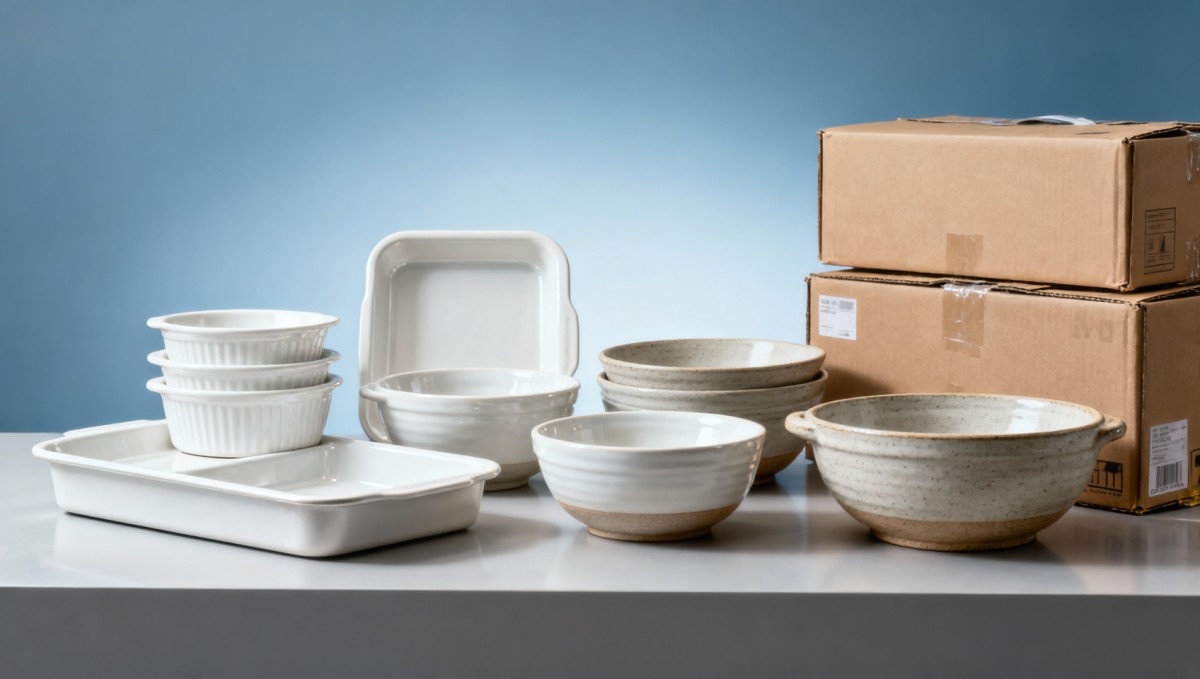
A porcelain baking dish may look simple, but its price structure is layered. In commercial kitchen equipment and household cookware sourcing, the final cost usually combines raw material quality, forming method, firing temperature, glaze system, decoration process, packaging, and logistics. For procurement teams, this means two dishes with similar dimensions can still show a noticeable price gap.
Porcelain is often priced differently from a ceramic baking bowl or stoneware soup bowl because of its denser body, lower porosity, and higher firing requirements. Typical firing ranges for porcelain can exceed 1200°C, while other ceramic categories may use different body formulas and production cycles. Higher kiln temperatures generally mean higher energy input, longer process control, and tighter quality consistency requirements.
In 2026, buyers also need to watch external cost drivers. Fuel and electricity volatility, labor adjustments, export packaging requirements, and sea or inland freight can all affect landed cost. For B2B kitchen equipment projects, especially in restaurants, hotels, and central kitchens, a low unit price is only one part of the decision. Breakage rate, replenishment speed, and batch consistency often matter just as much.
Another point often missed is order structure. A standard white porcelain baking dish in a recurring order of 3,000–10,000 pieces is usually more cost-efficient than a custom embossed or colored series ordered in small batches. Tooling, decal setup, sample approval, and carton customization can spread efficiently across volume, but they raise the per-unit cost when quantities stay low.
Core cost layers buyers should separate
- Body material and recipe: purity of raw minerals, whiteness target, thermal shock expectations, and body density requirements.
- Manufacturing process: roller forming, pressure casting, hand-finishing, trimming, glazing, and multiple inspection steps.
- Commercial add-ons: logo application, gift-box packaging, barcode labeling, pallet standards, and export carton reinforcement.
- Supply chain variables: lead time of 15–45 days, raw material fluctuation, seasonal energy cost, and destination-specific freight.
How does porcelain compare with ceramic and stoneware on cost?
Comparing a porcelain baking dish with a ceramic baking bowl, ceramic serving platter, or stoneware soup bowl is useful because buyers rarely evaluate one product in isolation. In foodservice and kitchen equipment procurement, selection depends on menu type, service frequency, oven use, visual expectations, and replacement budget. The lowest initial price may not produce the best operating cost over 12–24 months.
Porcelain usually performs well when buyers want a cleaner appearance, tighter body structure, and stronger premium presentation. Stoneware may appeal where a rustic look matters, while general ceramic pieces can provide flexibility for casual service or mixed tabletop programs. Cost differences often come from process intensity and finish quality rather than shape alone.
The table below helps separate practical cost logic from surface-level assumptions. It is especially useful for purchasing managers comparing product categories for hotels, bakeries, restaurant chains, and distributors building multi-item cookware or tabletop lines.
This comparison shows why cost evaluation should include usage intensity and replacement rate. A porcelain baking dish may cost more upfront, but if it supports a stronger brand image and a lower defect rate in high-visibility service, total value can be better. For budget-sensitive projects, a mixed strategy is common: porcelain for presentation lines, ceramic or stoneware for lower-exposure items.
When the higher unit price can still make business sense
For chain restaurants and hospitality buyers, premium tabletop and bakeware products are not only kitchen tools. They affect plating perception, social media presentation, and replacement planning. If a porcelain baking dish remains visually stable after frequent heating cycles and repeated washing, it may reduce hidden costs related to customer complaints, product mismatch, and short reorder intervals.
Operators should also assess handling. A dish that stacks safely, fits standard rack systems, and moves smoothly from oven to pass-through reduces damage risk. In busy kitchens, even a small reduction in chipping over weekly service cycles can influence annual purchasing efficiency.
Which product specifications change the price most?
Not every specification affects cost equally. For a porcelain baking dish, the biggest pricing changes usually come from size, wall thickness, handle design, body finish, glaze color, and decoration method. A deeper rectangular baker with reinforced handles requires more material and more careful forming than a simple oval tray. Larger dishes also increase firing-space usage and packaging volume.
Design complexity matters because defects become more likely when the shape includes sharp transitions, embossed textures, or multi-angle rims. The more difficult the shape, the more quality checks are usually needed. In practical sourcing, buyers may see different quotations for products that share a similar capacity but use different edge profiles or handle geometry.
Decoration is another major factor. Plain white is often the baseline. Reactive glazes, colored glazes, decal logos, metallic trims, or handcrafted-looking finishes usually add process steps and quality control points. For foodservice applications, some decorative methods may also require closer review of wear resistance and cleaning performance under repeated use.
Below is a practical selection table that helps purchasers estimate which specification choices tend to move cost upward, and which choices support balanced sourcing for commercial kitchen equipment programs.
For many buyers, the best strategy is not maximum specification but fit-for-use specification. If the dish is used in bakery display rotation, casual family-style service, or institutional foodservice, a standard glaze and standard form can often deliver better supply stability than highly customized aesthetics.
Three technical checks before approving samples
1. Thermal use range and kitchen rhythm
Confirm whether the porcelain baking dish is designed for oven use, serving use, or both. In fast-paced kitchens, products may move through heating, holding, washing, and restocking in short cycles. Ask how the item is intended to perform across typical restaurant handling routines instead of assuming all ceramic cookware behaves the same way.
2. Dimensional consistency across batches
Batch consistency matters for stacking, shelving, and carton planning. Purchasers ordering 2,000 pieces today and replenishing after 60–90 days should confirm tolerance expectations, nesting behavior, and whether later production can match glaze tone and footprint closely enough for mixed inventory use.
3. Surface quality and cleaning practicality
A visually attractive glaze is not enough. Operators should inspect cleaning ease, edge smoothness, and how the surface behaves after repeated contact with sauces, oils, or dishwasher cycles. In institutional kitchens, easier cleaning can save labor time over months of use.
How should buyers evaluate total procurement cost, not just unit price?
The true cost of a porcelain baking dish is the landed and usable cost, not the ex-factory number alone. For importers, distributors, hotels, and foodservice groups, total procurement cost usually includes sampling, mold or artwork charges, production, export packaging, inland transport, ocean or air freight, duties where applicable, warehousing, and expected breakage during delivery and use.
Lead time is another financial factor. Standard items may move in 15–30 days, while custom programs can extend to 30–60 days or longer during peak seasons. If your opening schedule is fixed, delays can force expensive substitutions. This is why many experienced procurement teams evaluate supplier responsiveness, sample timing, and production planning alongside price.
For enterprise decision-makers, a structured evaluation model works better than price-only bidding. It helps align kitchen operations, brand requirements, and finance expectations. The four-step approach below is commonly practical for kitchen equipment sourcing and tabletop procurement.
- Define the usage scenario: oven-to-table, buffet display, batch baking, portion serving, or retail sale.
- Set 4 key checks: material category, dimensional fit, finish durability, and packing method.
- Compare total landed cost over one buying cycle, usually 6–12 months for recurring programs.
- Review replenishment reliability, including sample lead time, repeat-order lead time, and communication speed.
Practical cost risks that are often overlooked
One common mistake is selecting an oversized or overly heavy porcelain baking dish because it feels premium in the hand. In reality, extra weight can increase freight cost, reduce carton efficiency, and raise handling fatigue for staff. Another mistake is choosing decorative surfaces that look attractive in showrooms but are harder to maintain in daily service.
A second hidden cost is fragmented SKU planning. Ordering too many shapes, sizes, and glaze variants in one small program often leads to higher setup costs and weaker replenishment efficiency. For many B2B buyers, reducing a line from 8 SKUs to 4–5 core SKUs can improve both pricing and stock control.
The third risk is ignoring compliance and food-contact expectations in target markets. While requirements differ by destination and application, buyers should clarify food-contact suitability, packaging labeling needs, and any customer-specific testing process before order confirmation. This avoids redesign, retesting, or shipment holds later.
What sourcing questions should researchers, operators, and decision-makers ask in 2026?
The best sourcing outcomes happen when each stakeholder asks different questions. Information researchers need pricing logic and market context. Operators care about handling, cleaning, and durability in real kitchens. Purchasers focus on specification clarity, consistency, and delivery. Business decision-makers want predictable cost, manageable risk, and a product range that supports brand positioning.
In the kitchen equipment industry, these roles increasingly overlap because foodservice operations now expect better efficiency, stronger food safety awareness, and more sustainable purchasing. Even a traditional product like a porcelain baking dish is affected by energy efficiency, supply chain resilience, and standardized kitchen workflows.
To make internal approval easier, buyers can use a short qualification checklist before requesting formal quotation. This reduces back-and-forth and helps suppliers provide more accurate commercial proposals within 2–5 working days for standard inquiries.
- What is the intended use frequency: occasional retail use, daily restaurant service, or continuous hospitality rotation?
- Do you need standard stock shapes or custom OEM dimensions, logo, color, and packaging?
- What quantity range applies: sample stage, pilot order, or full-volume production above several thousand pieces?
- What shipping model is expected: mixed container consolidation, distributor stocking, or direct project delivery?
FAQ: common questions behind porcelain baking dish pricing
Why can two similar porcelain baking dishes have different quotes?
Because dimensions alone do not define cost. Body formula, glaze type, shape difficulty, acceptable defect level, packaging method, and order volume all affect pricing. A standard model and a custom private-label model may look similar online but require very different production planning.
Is porcelain always more expensive than ceramic or stoneware?
Not always. It is often positioned higher when better finish, denser body, and premium presentation are required. However, a heavily decorated ceramic serving platter or artisan-style stoneware soup bowl can also carry a high cost if the process is labor-intensive or the packing is complex.
What is a reasonable lead time for sourcing in 2026?
For standard items, 15–30 days is a common planning range after order confirmation, while custom orders often need 30–60 days depending on mold readiness, decoration approval, and production load. Sampling may take 7–15 days for simple designs and longer for custom development.
Should buyers request samples before bulk order?
Yes, especially for commercial kitchen equipment programs or branded tabletop lines. A sample helps verify weight, stacking, glaze appearance, handling comfort, and packing fit. If possible, test the sample in actual kitchen conditions over several use cycles rather than relying only on photos.
Why choose us for porcelain baking dish sourcing and project support?
If you are evaluating porcelain baking dish costs in 2026, the most useful supplier is not simply the one offering a low quote. You need a sourcing partner that understands kitchen equipment applications across restaurants, hotels, central kitchens, distributors, and retail programs. That means turning technical details into practical buying guidance and helping your team avoid expensive mismatches.
We can support discussions around product selection, specification confirmation, sample planning, packing options, delivery windows, and custom development feasibility. Whether you are comparing a porcelain baking dish with a ceramic baking bowl, a stoneware soup bowl, or a ceramic serving platter, the goal is to match cost with real operating needs and market positioning.
You can contact us to review 6 practical points before placing an order: size and capacity, finish and color, intended kitchen use, target quantity, packaging requirement, and expected lead time. If your project includes OEM or private label work, we can also discuss artwork application, carton marking, sample schedules, and repeat-order planning.
For faster quotation and clearer comparison, send your target product type, estimated quantity, preferred dimensions, usage scenario, and destination market. We can then help you narrow down suitable options, explain the main cost drivers, outline a realistic production cycle, and prepare a sourcing route that fits your budget, timeline, and performance expectations.
Popular Tags
Kitchen Industry Research Team
Dedicated to analyzing emerging trends and technological shifts in the global hospitality and foodservice infrastructure sector.
Industry Insights
Join 15,000+ industry professionals. Get the latest market trends and tech news delivered weekly.
No spam. Unsubscribe anytime.
Contact With us
Contact:
Anne Yin (Ceramics Dinnerware/Glassware)
Lucky Zhai(Flatware)