
Restaurant Kitchen Appliances With Features You May Never Use
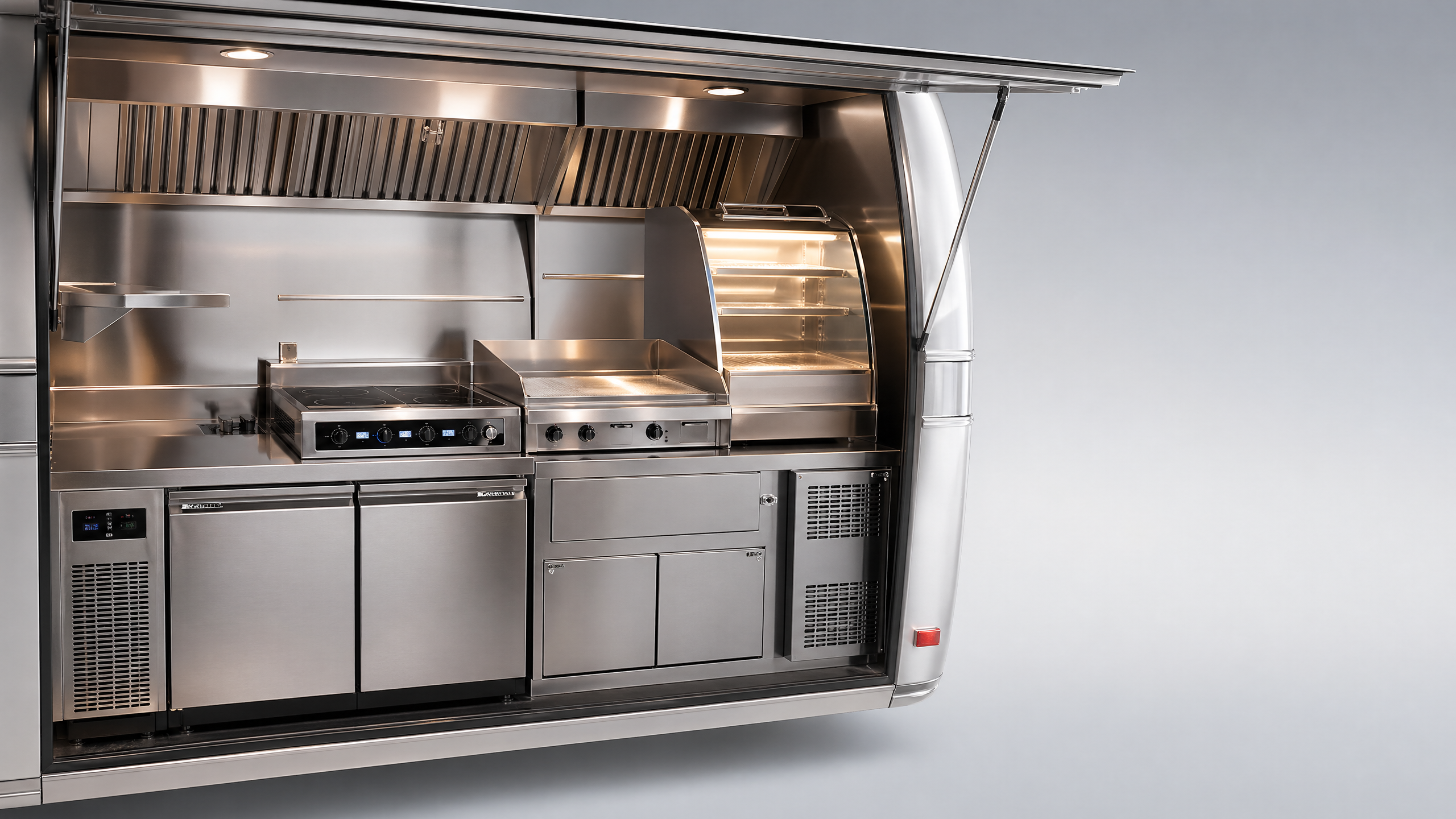
From restaurant kitchen appliances to restaurant kitchen organization and storage, today’s commercial restaurant kitchen is filled with features that look impressive but may add little real value. For buyers, operators, and decision-makers, understanding what truly matters in restaurant kitchen equipment can improve efficiency, simplify restaurant kitchen cleaning, and support smarter investments in stainless steel restaurant kitchen solutions.
Which restaurant kitchen appliance features are often underused?
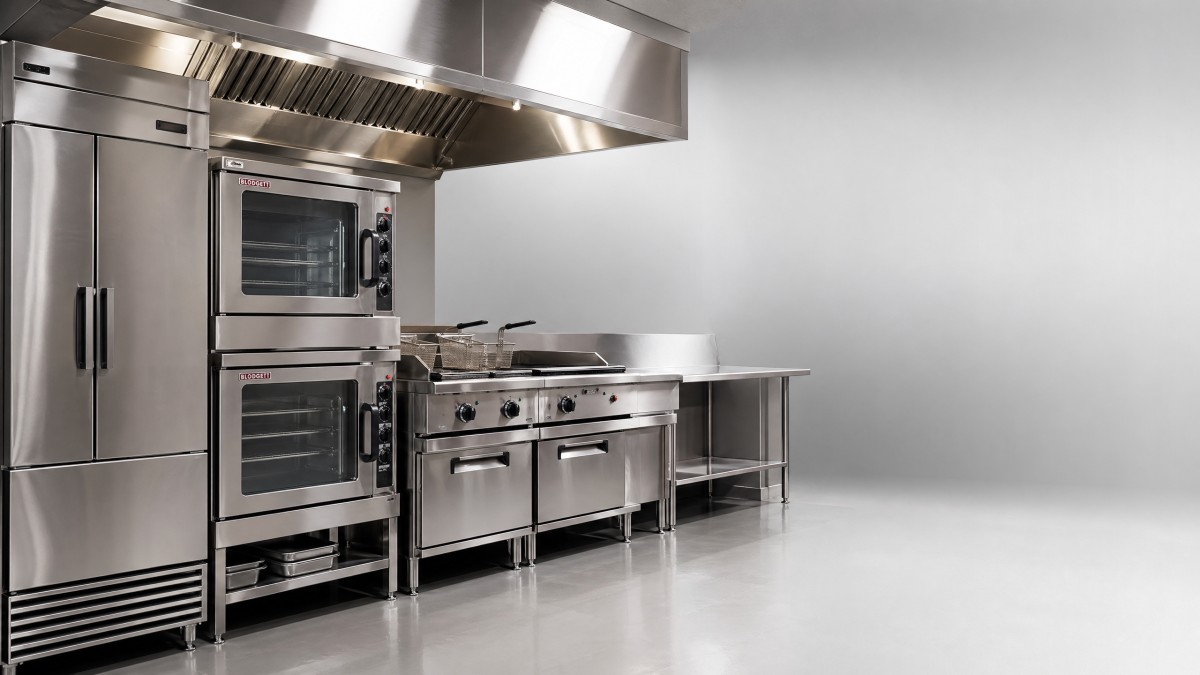
In many restaurant kitchen equipment projects, the problem is not a lack of features but a mismatch between functions and daily workflow. A combi oven with 40 programmable modes, a refrigerator with advanced data dashboards, or a fryer with multi-language menu banks may sound attractive during evaluation. Yet in a real commercial restaurant kitchen, teams often use only 20% to 40% of those functions.
This matters because unused features increase acquisition cost, training time, maintenance complexity, and replacement risk. For operators, each extra control layer can slow service during peak periods. For procurement teams, a feature-heavy quote may look technically superior but may not improve output, food safety, or restaurant kitchen organization and storage in measurable ways.
The kitchen equipment industry is moving toward automation, intelligence, and energy efficiency, and that progress is valuable. However, not every smart function fits every site. A 40-seat café, a hotel breakfast kitchen, and a central kitchen running 12 hours per day have very different needs. Good selection starts with usage frequency, staffing skill level, cleaning routines, and utility conditions such as 220V–380V power, gas type, and ventilation capacity.
Common examples of features that may not justify the cost
The issue is not that these features are bad. The issue is whether they solve a high-frequency problem. If they do not, they become expensive decoration inside an already busy restaurant kitchen.
- Advanced recipe libraries with 50+ preset cooking programs when the menu changes rarely and staff rely on 6–10 core items.
- Remote app control for appliances in small kitchens where the chef works within 3–5 meters of the equipment all shift long.
- Touchscreen interfaces on stations exposed to grease, steam, and gloves, where simple physical controls can be more reliable and faster to clean.
- Complex self-diagnostics that require proprietary service access, increasing downtime if local after-sales support is limited.
A more practical approach is to rank appliance functions into three groups: mission-critical, useful but secondary, and rarely used. In many foodservice operations, the first group includes temperature stability, recovery speed, cleanability, spare parts availability, and energy consumption. These five factors usually outperform flashy controls when measured over 3–5 years of ownership.
How should buyers compare useful functions versus expensive extras?
A structured comparison helps procurement teams avoid overbuying. The goal is not simply to choose lower-cost restaurant appliances, but to identify which specifications improve throughput, consistency, labor efficiency, and restaurant kitchen cleaning. In practical purchasing reviews, buyers should compare function-to-cost ratio, training burden, expected maintenance, and compatibility with the existing kitchen layout.
The table below shows how typical appliance features perform when evaluated from an operational and purchasing perspective. It is especially useful for restaurants, hotel kitchens, and multi-site foodservice groups reviewing stainless steel restaurant kitchen upgrades.
The key lesson is simple: high-value functions solve repeated operational problems. If a feature affects food safety, labor time, energy use, or output consistency at least several times per week, it deserves attention. If it is only used during setup, audits, or rare menu changes, the premium may not be justified.
A practical 4-point decision filter
Before approving a restaurant kitchen equipment purchase, decision-makers can apply four simple questions. This reduces confusion and aligns finance, kitchen staff, and procurement.
- Will this function be used at least weekly, or ideally daily, during real service operations?
- Can new staff learn it within 1–2 training sessions rather than repeated retraining over several weeks?
- Does it reduce labor, waste, downtime, or cleaning time by a noticeable amount?
- Can local service teams support it within a typical 24–72 hour response window?
If the answer is “no” to three or more questions, that feature is likely a low-priority add-on rather than a strong buying reason.
What should operators and purchasers focus on instead?
For most commercial restaurant kitchen environments, a smaller set of core performance factors delivers better long-term value than a long feature list. These factors are easier to observe, easier to measure, and easier to defend during budget approval. They also align more directly with food safety, labor control, and service continuity.
Core priorities that usually matter more than premium add-ons
In hot lines, prep areas, dishwashing zones, and storage rooms, equipment performance should support repeatable output under pressure. For example, temperature holding range, door seal quality, stainless steel thickness, and drain accessibility often matter more than digital display style or menu graphics. In kitchens running 8–16 hours per day, durability and cleanability quickly outweigh novelty.
High-priority checks before ordering restaurant appliances
- Material and construction: verify stainless steel grade used on food-contact and high-moisture areas, weld quality, edge finishing, and resistance to frequent chemical cleaning.
- Capacity matching: compare pan capacity, batch volume, or storage range to actual service count, such as 50, 150, or 300 meals per service window.
- Utility fit: confirm electrical load, gas type, water inlet, drainage, and exhaust conditions before installation to avoid costly site modification.
- Cleaning access: inspect corners, hinges, removable parts, and splash zones to reduce hidden grease buildup and daily cleaning labor.
- Parts and service: ask about consumables, replacement lead times, and whether wear items are standard or proprietary.
When restaurant kitchen organization and storage are part of the project, layout discipline can provide more value than advanced device features. Better shelf placement, undercounter refrigeration, separated clean and dirty flows, and clearly zoned prep stations often save more labor than expensive digital controls. In many kitchens, a 3-zone workflow plan—receiving and storage, prep and cook, cleaning and dispatch—improves speed immediately without complex technology.
Procurement teams should also look at total cost of ownership over 3–7 years. A lower-feature machine with better serviceability may outperform a premium model if it reduces downtime and keeps replacement parts simple. That is especially relevant in emerging markets, high-turnover labor environments, and operations with limited technical supervision.
The next table can be used as a selection guide when comparing stainless steel restaurant kitchen solutions, cooking equipment, refrigeration, and prep stations across different facility types.
This type of selection table helps buyers stay focused on measurable issues. It turns the discussion from “How many features does it have?” into “How well will it perform in our kitchen, with our staff, under our cleaning and service routines?”
How do compliance, maintenance, and workflow affect feature value?
A feature only creates value if it works inside compliance and maintenance realities. In the kitchen equipment industry, food-contact safety, electrical safety, ventilation compatibility, and cleaning access often determine whether equipment remains practical over time. This is why enterprise buyers and hotel groups increasingly assess appliances as part of an integrated kitchen system rather than isolated products.
For example, an advanced cooking unit may promise labor savings, but if it requires special chemicals, longer wash cycles, or nonstandard parts, the maintenance burden can offset the benefit. In facilities with 2 shifts per day or limited downtime between meal periods, serviceability becomes a frontline issue. The same applies to refrigeration alarms, sensor calibration, and control board replacement.
Where standards and routine checks matter most
Although specific regulatory requirements differ by market, buyers typically review common compliance areas such as food-contact material suitability, electrical safety conformity, sanitation design principles, and ventilation or gas installation rules. The practical question is not whether a feature exists, but whether it can be operated safely, cleaned thoroughly, and maintained locally.
A 5-item maintenance and compliance checklist
- Can operators inspect and clean critical contact points every day without special tools?
- Are replacement parts available through local or regional channels within a practical lead time?
- Does the equipment fit site power, gas, and exhaust conditions without custom reengineering?
- Can supervisors document operating temperatures, cleaning steps, or alarm history when required?
- Does the design minimize hidden dirt traps, exposed cables, and difficult-to-sanitize gaps?
In many restaurant kitchen cleaning programs, simpler equipment performs better because it is cleaned correctly and consistently. A stainless steel restaurant kitchen setup with rounded corners, removable trays, accessible drains, and visible joints often supports hygiene more effectively than a more complex machine that staff clean poorly after a 10-hour shift.
This is one reason smart kitchen technologies should be adopted selectively. In central kitchens, chain restaurants, and food processing environments, automation can deliver clear returns. In smaller independent kitchens, the same features may create complexity without enough throughput gain. Fit-for-purpose selection remains the best rule.
FAQ: what do buyers and operators ask most about restaurant kitchen equipment?
The questions below reflect common search intent from information researchers, kitchen users, purchasers, and business decision-makers. They focus on selection risk, actual use, and implementation rather than marketing claims.
How do I know if a smart feature is worth paying for?
Start with frequency and impact. If the feature improves an everyday task such as temperature control, cleaning, batch consistency, or remote monitoring across multiple locations, it may be worth the premium. If it is only used during setup or special menu events, it is often a low-return option. As a rule, useful features should save time, reduce errors, or support compliance within the first 6–12 months of operation.
What is the most common purchasing mistake in a commercial restaurant kitchen?
A very common mistake is buying by brochure specifications instead of workflow. Teams compare wattage, screens, or preset functions, but skip line flow, menu volume, and cleaning routines. This leads to over-specified appliances in low-demand kitchens or under-capacity equipment in high-turnover sites. A better process is to map menu type, output volume, service hours, and utility conditions before reviewing models.
Are stainless steel restaurant kitchen solutions always the best choice?
For most foodservice environments, stainless steel remains the preferred material because it is durable, cleanable, and suited to wet, high-use conditions. But material choice alone is not enough. Buyers should also review weld finish, gauge, structural support, and how surfaces behave under repeated sanitation cycles. A well-designed stainless steel workstation with good drainage and access usually adds more value than a polished but poorly planned layout.
What delivery and implementation timeline should I expect?
For standard restaurant appliances, a common market range is 7–15 days if stock is available. Custom stainless steel fabrication, integrated kitchen lines, or imported equipment may require 3–6 weeks or longer depending on drawings, approvals, and shipping. Most projects follow 3 stages: requirement confirmation, production or procurement, and installation with commissioning. Early utility checks can prevent delays late in the schedule.
Why choose a solution partner that focuses on fit, not feature overload?
In the kitchen equipment industry, long-term value comes from matching equipment to operation, not from maximizing feature count. A capable supplier should help you compare restaurant kitchen equipment by application, workload, cleaning method, and budget level. That includes guidance for restaurants, hotels, food processing companies, and central kitchens looking for practical, energy-conscious, and scalable solutions.
If you are evaluating restaurant kitchen appliances, commercial refrigeration, prep equipment, or stainless steel restaurant kitchen systems, the most useful support usually happens before ordering. This includes parameter confirmation, layout review, utility matching, cleaning and maintenance planning, and lead-time coordination for standard or custom products.
What you can discuss with us
- Product selection based on menu type, service volume, and available space rather than unnecessary premium features.
- Confirmation of key parameters such as power supply, gas type, ventilation, drainage, and operating intensity.
- Custom stainless steel restaurant kitchen solutions for storage, workflow zoning, and easier restaurant kitchen cleaning.
- Estimated delivery cycle for stock versus custom equipment, plus installation and commissioning planning.
- Certification and compliance considerations for different export or project markets, using common industry guidance.
- Quotation comparison, sample support where applicable, and cost alternatives for phased purchasing.
If your team wants to reduce overbuying and build a more efficient commercial restaurant kitchen, contact us with your equipment list, floor plan, target opening date, and required output range. We can help you review which features are truly necessary, which options can be simplified, and which solutions best support daily use, compliance, and long-term operating value.
- kitchen appliances
- smart kitchen
- cooking equipment
- central kitchen
- restaurant kitchen
- kitchen solutions
- kitchen equipment
- restaurant kitchen equipment
- stainless steel restaurant kitchen
- commercial restaurant kitchen
- restaurant kitchen appliances
- restaurant kitchen organization
- restaurant kitchen cleaning
- restaurant kitchen setup
Popular Tags
Kitchen Industry Research Team
Dedicated to analyzing emerging trends and technological shifts in the global hospitality and foodservice infrastructure sector.
Industry Insights
Join 15,000+ industry professionals. Get the latest market trends and tech news delivered weekly.
No spam. Unsubscribe anytime.
Contact With us
Contact:
Anne Yin (Ceramics Dinnerware/Glassware)
Lucky Zhai(Flatware)