
Why Modular Restaurant Kitchen Setups Are Gaining Attention
As foodservice operations seek faster expansion and better efficiency, modular restaurant kitchen solutions are drawing attention across the industry. From commercial restaurant kitchen design to restaurant kitchen layout planning, businesses are rethinking flexibility, hygiene, and workflow. For buyers, operators, and decision-makers, understanding how modular systems improve restaurant kitchen organization, storage, and equipment integration is becoming essential.
Why are modular restaurant kitchen setups becoming a practical choice?
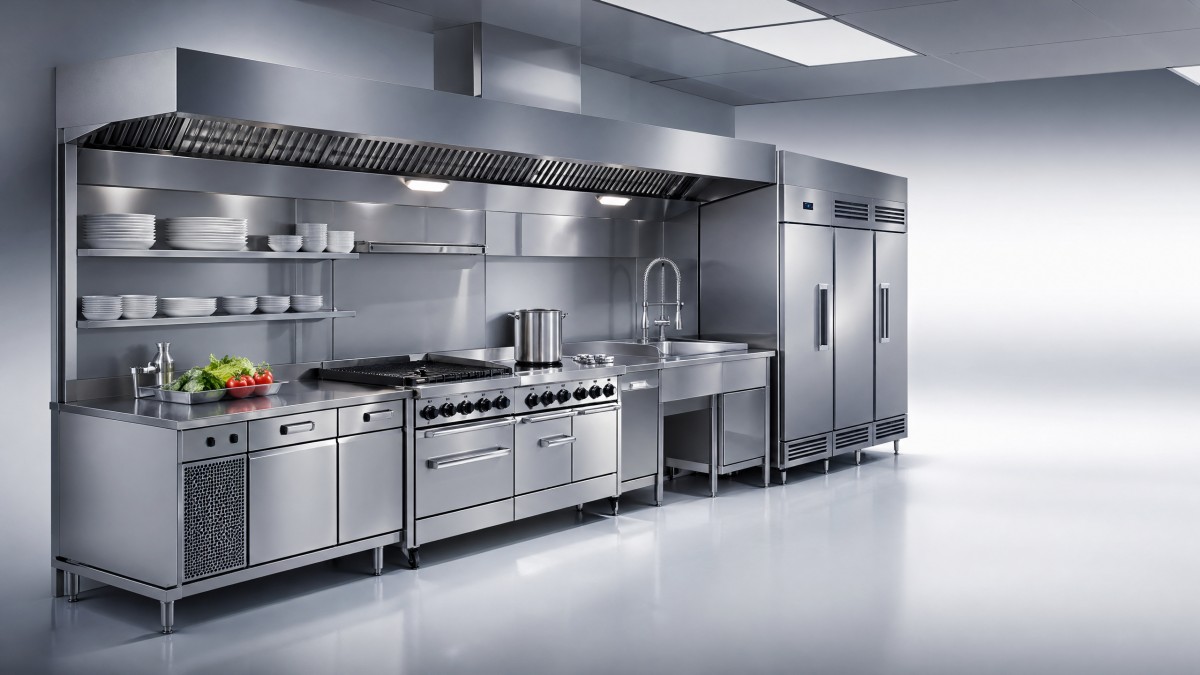
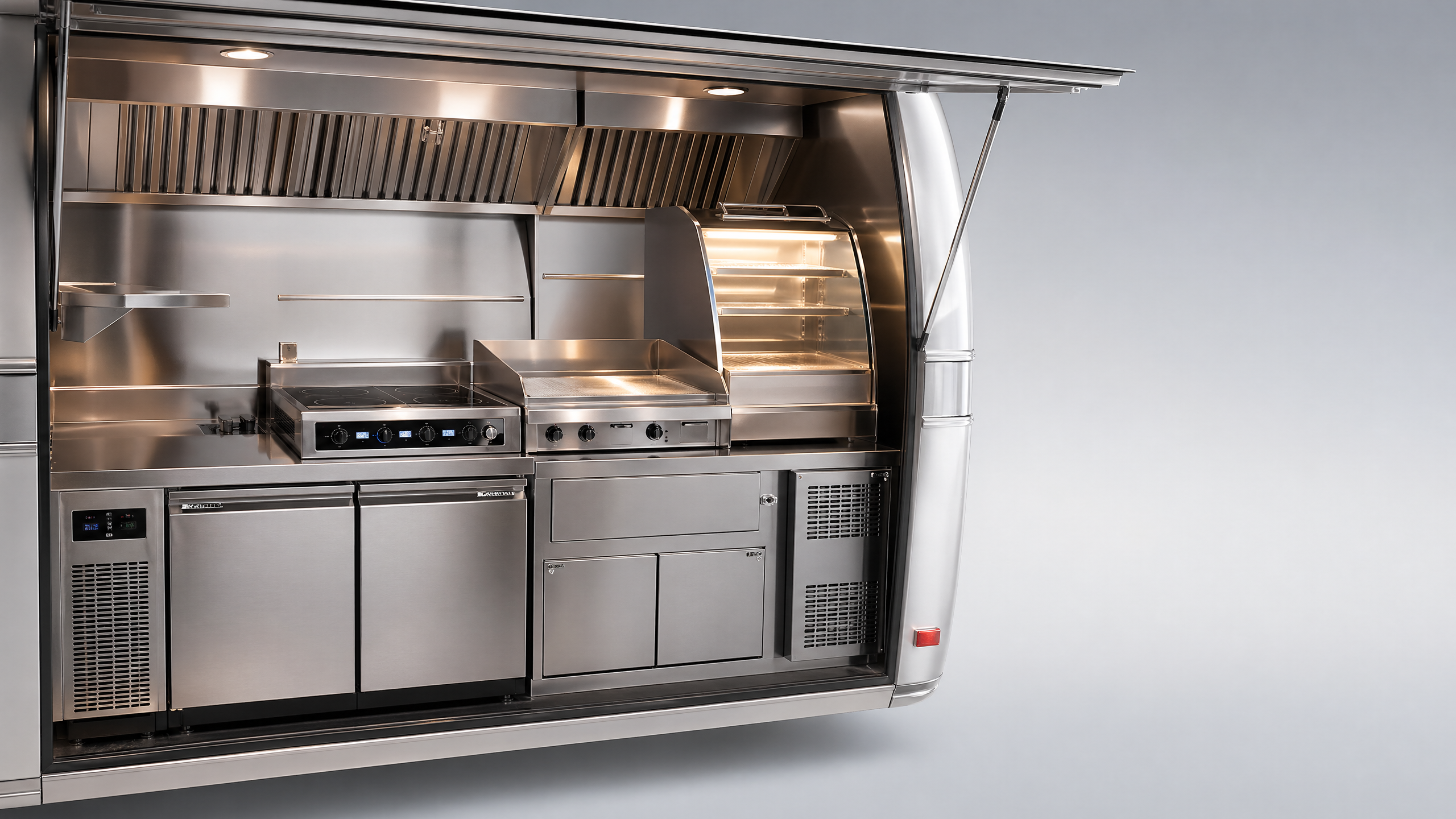
A modular restaurant kitchen is built from standardized but configurable units such as prep stations, cooking blocks, washing sections, refrigerated storage, shelving, and utility connections. Instead of treating the kitchen as a fixed construction project, operators can treat it as an operational system that can be expanded, reconfigured, or partially replaced over time. This approach is gaining attention because restaurant formats now change faster, menus rotate more often, and opening schedules are tighter than they were 5–10 years ago.
For information researchers, the attraction is easy to understand: modular restaurant kitchen design promises flexibility without starting from zero whenever a brand adds a new line, adjusts service flow, or enters a smaller location. For users and kitchen staff, the appeal is more practical. They want clear movement paths, reduced cross-traffic, accessible storage, and equipment placement that supports repetitive tasks during long operating hours such as 8–12 hours per shift.
For procurement teams, modular systems can simplify comparison because they break a project into clear categories: core cooking, cold storage, washing, ventilation coordination, and worktable capacity. For business decision-makers, the value often lies in phased investment. A site may open with a base configuration and then add modules within 3–6 months as demand becomes more predictable. That lowers the risk of overbuilding a kitchen before sales patterns are proven.
The kitchen equipment industry is also moving toward automation, digital control, and energy-efficient equipment, which fits naturally with modular planning. Smart combi ovens, induction ranges, undercounter refrigeration, monitoring sensors, and digital kitchen management tools can be integrated more easily when the layout is planned in modules rather than through a rigid one-piece build. In practical terms, modularity supports both operational flexibility and future technology upgrades.
What problems does modular planning solve?
- It reduces redesign pressure when a restaurant changes from dine-in heavy service to takeout, delivery, or hybrid operations.
- It supports cleaner zoning between raw preparation, cooking, holding, and dishwashing, which helps food safety management.
- It makes maintenance easier because individual modules can be serviced or replaced without disrupting the entire kitchen.
- It gives procurement teams a clearer way to compare capacity, utility load, and installation sequence across suppliers.
These advantages matter across restaurants, hotels, central kitchens, and food processing support areas. In all of these environments, growth in food safety requirements and labor efficiency expectations is pushing buyers away from purely static layouts toward integrated kitchen systems that can evolve with the business.
Which restaurant formats benefit most from modular kitchen design?
Not every foodservice concept needs the same level of modularity. A high-volume quick-service brand with repeated openings across multiple cities often benefits differently from a boutique hotel restaurant or a central production kitchen. The key is matching kitchen modules to service speed, menu complexity, labor structure, and available floor area. In many projects, the first 3 planning variables are output volume, menu heat intensity, and storage turnover.
Fast-casual and quick-service operations are usually early adopters because they need repeatable layouts. A modular restaurant kitchen setup allows standardization across sites while still adjusting for local footprints. A brand may keep the same hot line, cold prep, and pickup logic in locations ranging from 60 to 150 square meters, changing only module lengths, door directions, and refrigeration capacity.
Hotels and institutional dining programs often gain value from modularity when they operate multiple service periods, such as breakfast, lunch, banquets, and room service. Their kitchens need flexible stations that can support both batch production and à la carte work. In these cases, modular restaurant kitchen organization improves task separation and reduces congestion during peak windows that may last 2–4 hours.
Cloud kitchens, delivery kitchens, and emerging food halls are another strong fit. These businesses often test brands, rotate menus, or host multiple concepts under one roof. Modular restaurant kitchen layout planning helps them assign zones by cuisine, output level, or utility demand, then reconfigure as order mix changes week by week or quarter by quarter.
Typical application scenarios and layout priorities
The table below shows how modular restaurant kitchen solutions align with different operating models, including layout priorities, likely equipment focus, and reconfiguration needs.
The main takeaway is that modular restaurant kitchen storage and equipment integration are not only for large chains. Even single-site operators can benefit when labor is tight, floor area is limited, or lease terms require a quicker path from design approval to installation.
How operators should evaluate fit
Three practical screening questions
- Will the menu or service model likely change within the next 12 months? If yes, modularity usually deserves priority.
- Is the kitchen expected to operate in more than 2 service modes, such as dine-in, delivery, and catering? If yes, flexible zoning is highly valuable.
- Does the project require phased purchasing or staggered opening? If yes, modular procurement can help control cash flow and reduce idle equipment.
These questions help separate genuine operational need from trend-driven purchasing. A modular kitchen should solve a workflow or business problem, not just appear modern in a proposal.
Modular vs traditional restaurant kitchen layout: what changes in daily operations?
The most important difference between modular and traditional kitchen planning is not visual. It is operational. Traditional kitchens are often designed as a fixed construction environment, with equipment decisions locked early and workflow adjusted later. Modular restaurant kitchen design starts from the opposite direction. It begins with movement, output, hygiene, and utility coordination, then selects modules that support those functions.
For staff, this difference can affect walking distance, reaching height, storage access, and task interference. In a poorly planned fixed layout, prep workers may cross the cookline repeatedly, cold ingredients may sit too far from the finishing area, and cleaning flow may intersect with food production. A modular setup aims to reduce these conflicts by organizing work in linked zones. The result is often easier training within the first 1–2 weeks after opening.
For procurement and management, the difference appears in upgrade strategy. A traditional system may require a larger one-time commitment for built-in counters, fixed utility points, and site-specific fabrication. A modular approach often allows clearer cost segmentation between essential modules and later expansion modules. That makes comparisons easier during tendering or supplier review.
It is also worth noting that modular does not mean temporary or low-grade. In commercial kitchen equipment, modularity can still include heavy-duty stainless steel construction, high-output cooking appliances, integrated extraction coordination, and compatibility with smart kitchen technologies. The difference is that the system is designed for adjustability rather than permanence alone.
Operational comparison for buyers and decision-makers
The following comparison helps buyers evaluate modular restaurant kitchen setups against more conventional planning methods across workflow, installation, and long-term adaptability.
This comparison does not mean traditional layouts are obsolete. Fixed fabrication can still suit highly stable operations with mature menus and long lease terms. However, where uncertainty, expansion, or multi-format use exists, modular restaurant kitchen layout planning typically gives decision-makers more room to adapt without restarting the project.
Common operational gains to look for
- Clearer separation between receiving, prep, hot production, packing, and cleaning.
- Better use of vertical and undercounter storage in small kitchens.
- Simpler replacement planning when one equipment block reaches end of service life before others.
- More consistent replication for chain expansion across 3, 5, or 20 locations.
When these gains are mapped before purchase, modularity becomes a measurable operations tool rather than a design trend.
What should buyers check before purchasing modular restaurant kitchen equipment?
A strong modular kitchen project depends less on how many units are listed in a quotation and more on how well those units match real production flow. Buyers should begin with a structured review of menu process, output peaks, staff positions, and utility constraints. In many restaurant projects, 5 key checks reveal most fit issues: product flow, power and gas load, ventilation coordination, cleaning access, and future expansion allowance.
Procurement teams should also avoid evaluating modular restaurant kitchen equipment in isolation. A fryer, range, prep table, or refrigerator may be suitable on its own but inefficient in sequence. Restaurant kitchen organization depends on adjacency. For example, cold prep, assembly, and holding should be coordinated within a short operating path, especially in high-speed service models where seconds matter during rush periods.
Decision-makers should request practical configuration details rather than broad promises. Useful questions include: What is the standard lead time, often 2–6 weeks depending on customization? Which modules are stocked and which are made to order? Can utility connections be adapted for local site standards? What maintenance clearances are needed around cooking and refrigeration blocks? These questions improve both budgeting and installation planning.
In global sourcing, buyers may also compare manufacturing regions such as China, Germany, Italy, or Japan depending on product type, budget, technology preference, and compliance expectations. The right sourcing strategy depends on project priorities: cost efficiency, engineering detail, export documentation, or compatibility with local service networks.
A practical selection checklist
- Map the full workflow from receiving to service or dispatch, then identify 4–6 core zones that cannot interfere with each other.
- Define output range by service period, such as low, medium, or peak batch demand, before fixing cookline capacity.
- Check utility compatibility, including electric load, gas availability, drainage position, and ventilation interface.
- Review cleaning and maintenance access, especially for corners, undercounter areas, and grease-generating equipment.
- Reserve expansion space or spare connection points if menu growth is likely within 6–18 months.
Key procurement dimensions and evaluation focus
The table below is useful when comparing modular restaurant kitchen suppliers, equipment packages, or alternative layouts during a purchasing review.
A disciplined selection process protects both daily users and management. Operators get a more workable kitchen, procurement gains comparable technical inputs, and decision-makers reduce the chance of paying twice for corrections after installation.
How do compliance, hygiene, and future trends influence modular kitchen decisions?
Modular restaurant kitchen setups are not only about convenience. They also fit broader industry shifts toward food safety control, smarter equipment management, and energy efficiency. In many commercial kitchen projects, hygiene zoning is easier to implement when prep, cooking, washing, and storage modules are clearly separated. This can support cleaner workflows and better staff discipline during daily operation and routine inspection.
Compliance requirements vary by market, but buyers commonly need to consider electrical safety, food-contact material suitability, sanitation-friendly construction, and ventilation or fire-related local rules. Rather than assuming one universal standard, procurement teams should confirm destination-specific requirements at the start of the project. This is especially important when sourcing internationally or combining equipment from several manufacturers within one modular kitchen system.
Another trend shaping decisions is digital integration. Smart kitchen technologies are moving from premium options to operational tools. Temperature monitoring, programmable cooking cycles, maintenance alerts, and connected kitchen dashboards can be easier to deploy when equipment is planned in modules with organized power, access, and data management. This matters for chains, hotels, and central kitchens that want more consistent results across multiple locations.
Energy efficiency is also rising on procurement checklists. In a kitchen that runs 10–16 hours per day, the benefit of better insulation, more efficient heating methods, and optimized equipment grouping can become significant over time. Modular restaurant kitchen planning helps because it encourages buyers to look at the total system rather than single appliances in isolation.
Common mistakes and realistic guidance
Mistakes that delay ROI
- Buying modular equipment before finalizing workflow, which creates attractive but mismatched kitchen blocks.
- Ignoring cleaning and service clearance, especially around heat-producing equipment and undercounter refrigeration.
- Focusing only on upfront equipment price without reviewing installation sequence, utility adaptation, and expansion cost.
- Assuming every module can be moved freely, when some units still require fixed coordination with extraction, drainage, or gas lines.
A realistic modular kitchen strategy starts with process mapping, then moves to equipment selection, utility review, and phased implementation. In many projects, this can be handled in 4 steps: needs assessment, preliminary layout, technical confirmation, and installation planning. That structure is more reliable than choosing units purely from a catalog.
FAQ for researchers, operators, and buyers
How long does a modular restaurant kitchen project usually take?
It depends on stock level, customization, and site readiness. For standard commercial kitchen equipment packages, review and production may take around 2–6 weeks, while installation coordination can require additional time. Projects involving custom stainless fabrication, international shipping, or multi-stage approvals often need a longer schedule.
Are modular restaurant kitchen setups only suitable for chains?
No. Chains benefit from repeatability, but independent restaurants also gain from better restaurant kitchen organization, space efficiency, and staged investment. The strongest fit is any operation that expects layout changes, menu evolution, or limited floor area.
What should operators prioritize first: storage, cookline, or prep?
Start with workflow and peak output, not a single equipment category. In many kitchens, the most stable planning sequence is prep first, hot production second, storage coordination third, and washing isolation fourth. That order usually prevents bottlenecks better than purchasing a large cookline before understanding product movement.
Can modular kitchens support smart and energy-efficient upgrades later?
In many cases, yes. This is one of the main reasons modular restaurant kitchen solutions are gaining attention. If the initial layout includes suitable utility planning and equipment spacing, later additions such as connected ovens, monitoring systems, or energy-saving replacements are often easier to integrate than in rigid fixed layouts.
Why choose us for modular restaurant kitchen planning and sourcing?
If you are evaluating modular restaurant kitchen setups, the most useful support is not a generic product list. It is a clear discussion around layout logic, equipment matching, lead time, and compliance needs. We help buyers, operators, and business decision-makers move from concept to workable configuration by focusing on application details instead of one-size-fits-all recommendations.
Our support can begin with practical points that directly affect your project: confirming kitchen workflow, comparing module combinations, checking utility compatibility, discussing common delivery windows, and identifying where standard units are sufficient versus where custom fabrication is more suitable. This helps reduce uncertainty before quotation approval or site preparation.
We can also discuss product selection across commercial kitchen equipment categories such as cooking lines, prep systems, storage solutions, washing areas, and integrated stainless workstations. If your project involves export sourcing, we can align discussions around documentation, packing expectations, destination-market requirements, and phased procurement planning.
Contact us if you want support with parameter confirmation, modular restaurant kitchen layout planning, product selection, customization scope, estimated delivery cycle, certification-related questions, sample discussion, or formal quotation communication. A focused technical conversation early in the project often saves far more time and cost than redesigning the kitchen after installation begins.
- commercial kitchen equipment
- smart kitchen
- central kitchen
- kitchen design
- restaurant kitchen
- kitchen solutions
- kitchen equipment
- restaurant kitchen equipment
- restaurant kitchen design
- restaurant kitchen planning
- modular kitchen design
- commercial restaurant kitchen design
- modular restaurant kitchen
- restaurant kitchen layout planning
- commercial restaurant kitchen
- restaurant kitchen layout
- restaurant kitchen storage
- restaurant kitchen organization
- restaurant kitchen setup
Popular Tags
Kitchen Industry Research Team
Dedicated to analyzing emerging trends and technological shifts in the global hospitality and foodservice infrastructure sector.
Industry Insights
Join 15,000+ industry professionals. Get the latest market trends and tech news delivered weekly.
No spam. Unsubscribe anytime.
Contact With us
Contact:
Anne Yin (Ceramics Dinnerware/Glassware)
Lucky Zhai(Flatware)