
When restaurant kitchen equipment wholesale saves money
For procurement professionals, restaurant kitchen equipment wholesale is more than a purchasing channel—it is a practical way to cut costs, standardize quality, and improve supply efficiency. As restaurants and foodservice businesses expand, buying wholesale can reduce unit prices, simplify sourcing, and support long-term operational performance without sacrificing reliability or compliance.
Why does restaurant kitchen equipment wholesale matter more in today’s market?
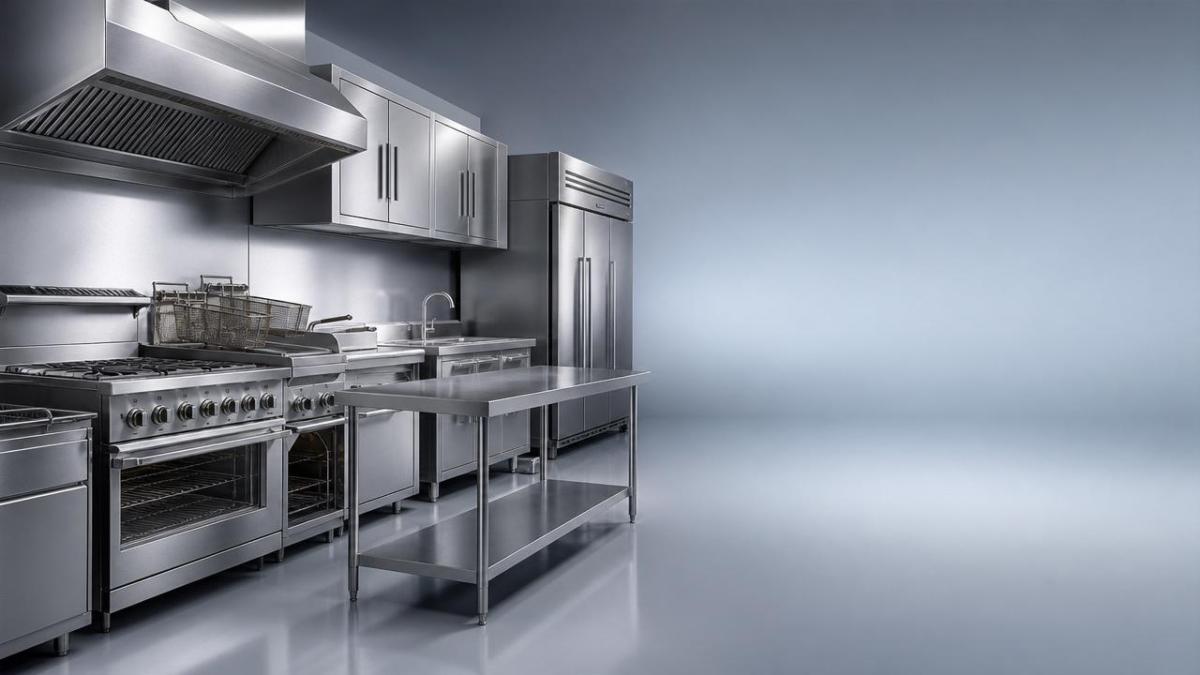
Procurement teams are under pressure from several directions at once: tighter budgets, faster opening schedules, stricter food safety expectations, and more complex equipment categories. In this environment, restaurant kitchen equipment wholesale is not only about bulk buying. It is a structured sourcing strategy that helps control total acquisition cost across cooking, refrigeration, preparation, washing, storage, and serving systems.
The kitchen equipment industry is also changing quickly. Commercial kitchens now rely on energy-saving appliances, automated food processing units, digital control systems, and integrated workflows. For buyers, this means equipment decisions affect more than purchase price. They influence labor efficiency, cleaning routines, compliance risk, maintenance planning, and power consumption for years after installation.
Restaurant kitchen equipment wholesale becomes especially valuable when a buyer needs consistency across multiple outlets, central kitchens, hotel operations, or franchise projects. Standardized product selection reduces training issues, makes spare parts management easier, and simplifies future expansion. This is why many professional buyers treat wholesale sourcing as a long-term operational decision rather than a one-time transaction.
- Lower unit cost through volume purchasing and bundled category sourcing.
- More stable product specifications across branches or projects.
- Better coordination of delivery schedules for opening, renovation, or replacement cycles.
- Stronger visibility into warranties, compliance documents, and after-sales support.
Where does wholesale purchasing save money in real restaurant operations?
Savings from restaurant kitchen equipment wholesale come from more than the invoice discount. Procurement professionals should evaluate four layers of value: purchase price, logistics efficiency, operational efficiency, and lifecycle cost. A lower-priced fryer that consumes excess energy or fails during peak service may cost more over time than a slightly higher-priced unit with better durability and support.
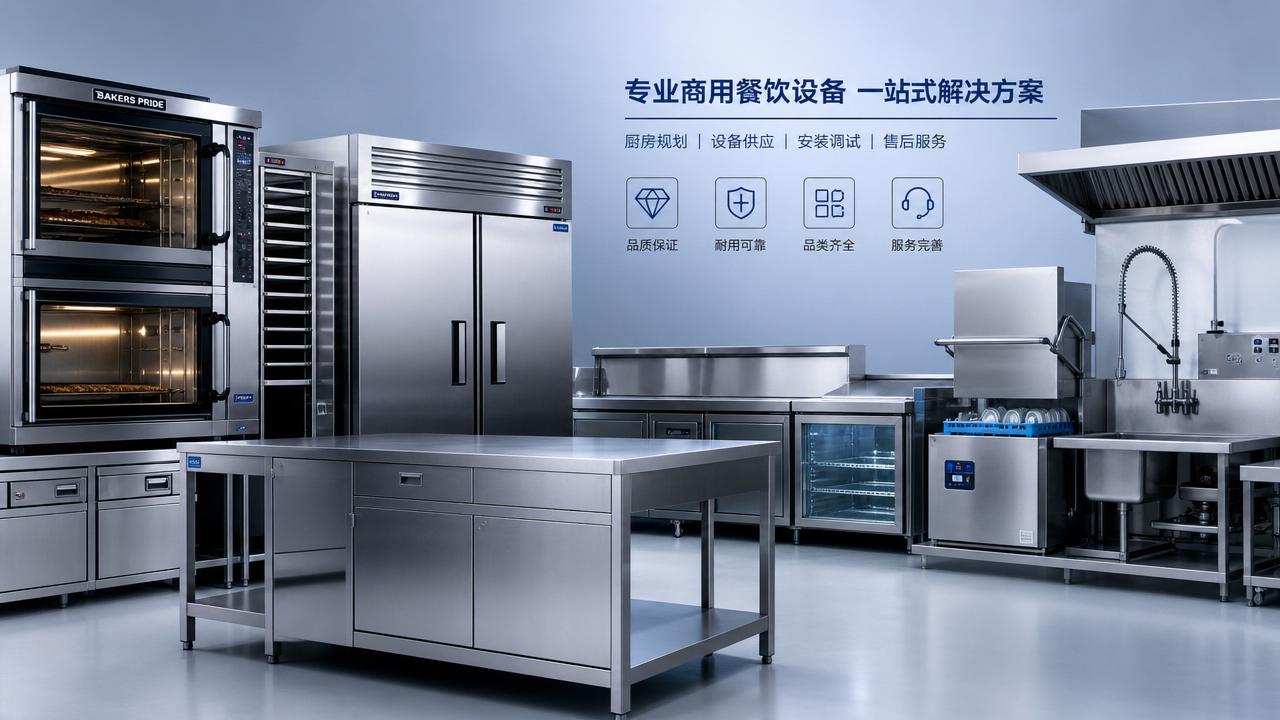
The most common savings appear in grouped purchases. For example, when a restaurant sources ranges, ovens, worktables, sinks, refrigerators, shelving, and smallwares from fewer suppliers, it usually reduces shipping fragmentation, packaging waste, coordination time, and receiving errors. It also improves the chance of negotiating accessory packages, spare components, or preventive maintenance terms.
The table below shows where restaurant kitchen equipment wholesale often creates measurable cost advantages for buyers comparing wholesale sourcing with fragmented single-item purchasing.
For many buyers, the largest hidden benefit is fewer operational surprises. Consistent specifications and coordinated supply reduce rework during fit-out, avoid mismatched utility connections, and shorten the time between installation and full kitchen launch.
How should procurement teams compare wholesale options?
Not all restaurant kitchen equipment wholesale offers the same value. The lowest quotation may omit key accessories, exclude technical documents, or provide limited support after delivery. Procurement teams should compare suppliers on a matrix that includes specification fit, compliance readiness, delivery control, and service responsiveness.
A practical comparison framework
- Product range coverage: Can one supplier support cooking, cold storage, stainless fabrication, preparation, and dishwashing together?
- Specification transparency: Are voltage, frequency, capacity, dimensions, material grade, and output clearly stated?
- Commercial terms: Are deposit, balance, packaging, lead time, and warranty conditions easy to compare?
- Project support: Does the supplier assist with layout coordination, product matching, or phased delivery planning?
The following comparison table helps buyers assess restaurant kitchen equipment wholesale sources beyond headline price.
A disciplined comparison process protects buyers from false savings. In restaurant operations, delayed delivery, poor documentation, or incompatible specifications can erase wholesale pricing advantages very quickly.
Which equipment categories benefit most from restaurant kitchen equipment wholesale?
Wholesale value is strongest in categories that require standardization, repeated purchasing, or coordinated installation. Procurement teams often see the best results when they bundle core back-of-house equipment with fabrication items and operational accessories rather than sourcing each line separately.
High-priority categories for bulk sourcing
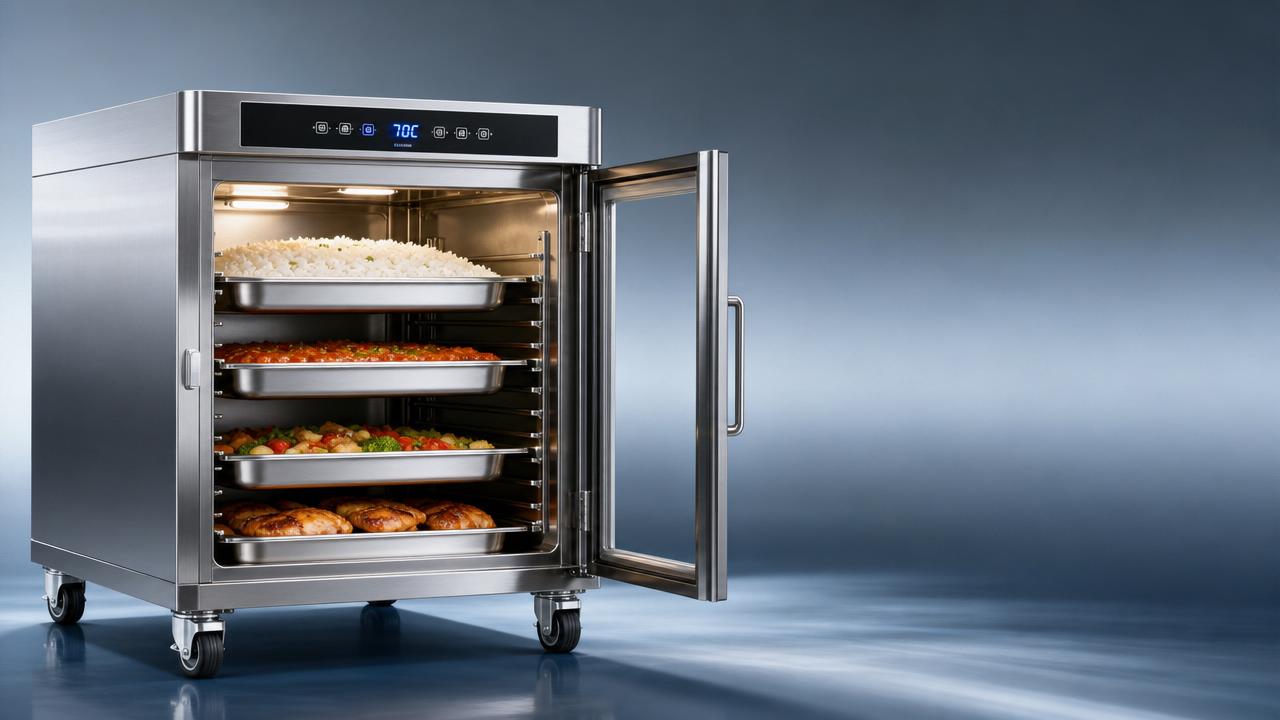
- Cooking equipment such as ranges, ovens, fryers, griddles, and steamers, where output consistency and energy use directly affect service capacity.
- Refrigeration and freezing units, where insulation, temperature stability, and internal configuration influence food safety and inventory control.
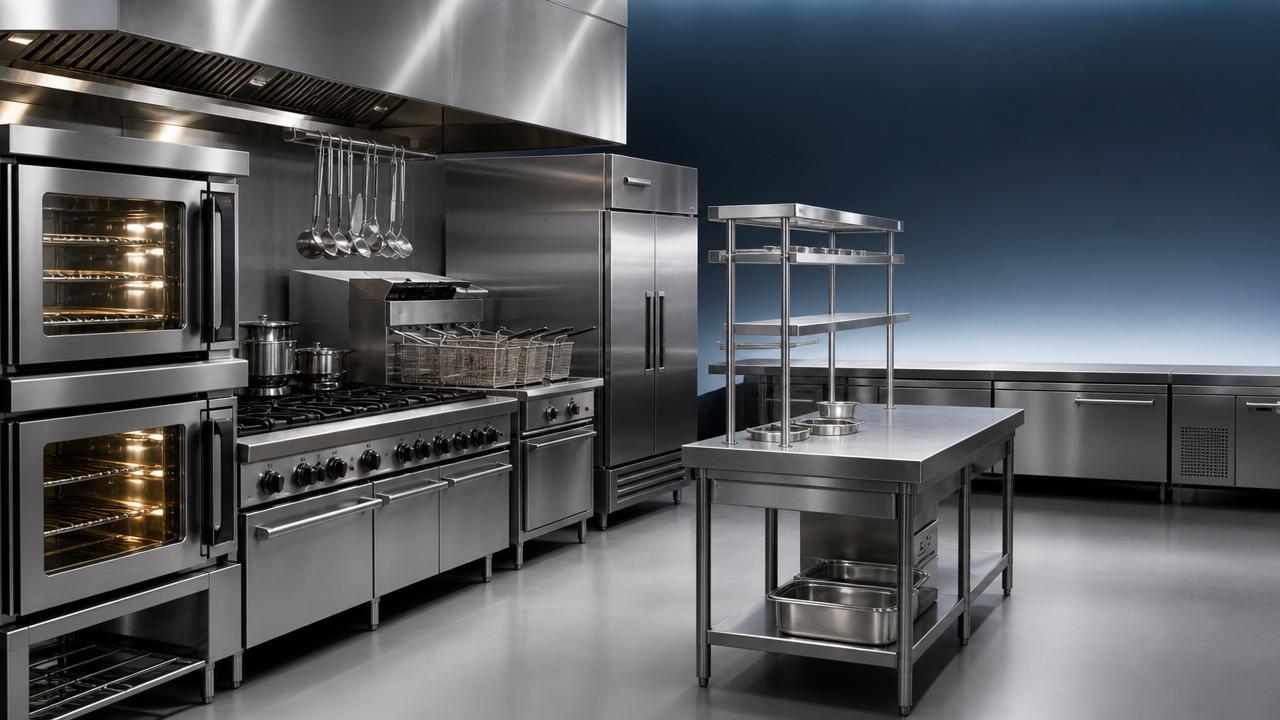
- Stainless steel fabrication including worktables, sinks, shelving, and exhaust-related components, where dimensions must match kitchen layout precisely.
- Preparation equipment such as mixers, slicers, cutters, and vegetable processing units, especially in central kitchens and high-volume operations.
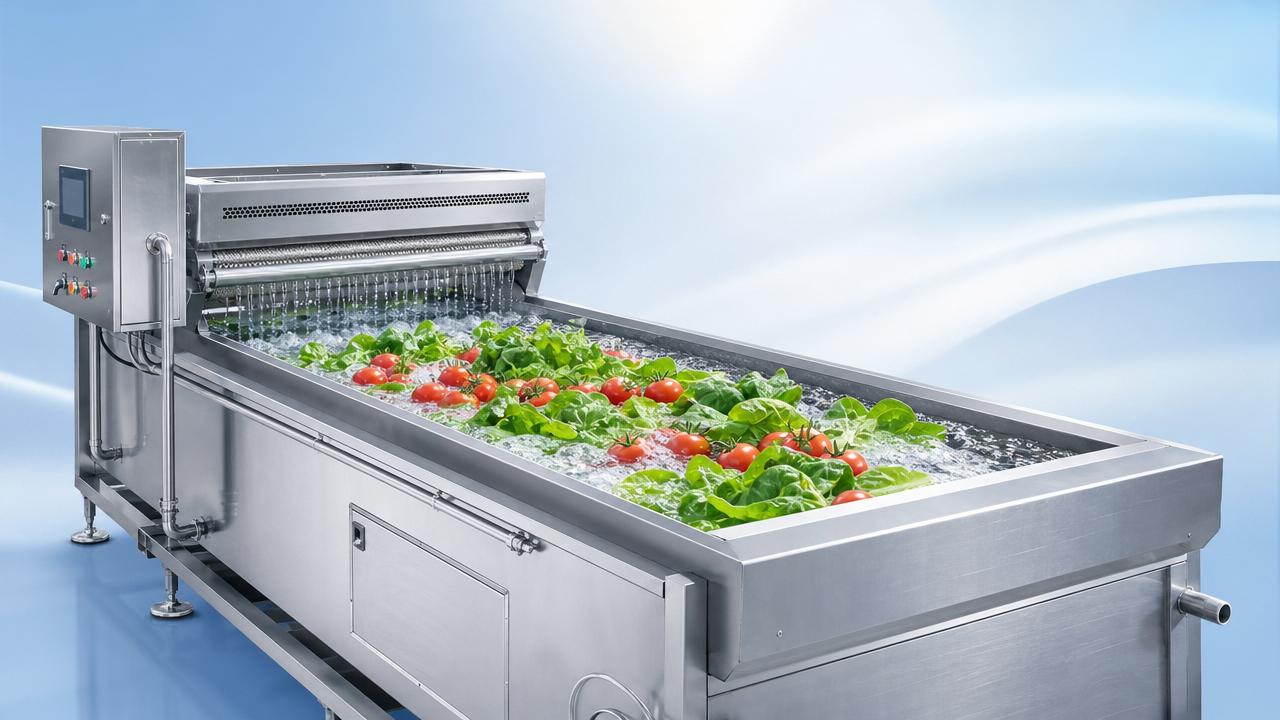
- Washing and sanitation systems, where labor reduction, hygiene control, and water use matter as much as initial purchase price.
Restaurants with multiple service formats can also benefit from hybrid sourcing plans. A chain may standardize refrigerators, tables, and sinks across all stores while choosing different cooking lines for quick-service, fine dining, or bakery locations. This approach balances wholesale efficiency with operational flexibility.
What technical and compliance points should buyers check before ordering?
Restaurant kitchen equipment wholesale should never skip technical verification. Procurement professionals need a short but disciplined review checklist before purchase approval. In global trade, equipment may come from major manufacturing centers such as China, Germany, Italy, or Japan, but suitability still depends on the destination market’s power standards, safety expectations, and installation conditions.
Key specification checks
- Electrical details: voltage, phase, frequency, plug type, and rated power must match the local site.
- Gas configuration: fuel type, pressure requirements, and local adaptation needs should be confirmed before shipment.
- Material contact surfaces: food-contact areas should use suitable stainless steel or other accepted food-safe materials.
- Ventilation and drainage needs: ovens, dishwashers, and steam equipment may require supporting infrastructure beyond the unit itself.
Common compliance considerations
Certification needs vary by market, but buyers often review electrical safety, food-contact material declarations, hygiene design, and energy-related documentation. Even where a formal mark is not legally required for every category, procurement teams should request clear technical files, operating manuals, packing records, and traceable product identification. These documents make customs clearance, site acceptance, and future service easier.
It is also wise to ask whether replacement parts are interchangeable across batches. This is particularly important for chain restaurants and hotel groups that want to keep maintenance simple over several years.
How can buyers avoid common mistakes in restaurant kitchen equipment wholesale?
Many cost overruns come from preventable errors rather than supplier pricing. Buyers may focus too much on visible equipment and too little on utility compatibility, workflow fit, or spare part planning. Wholesale purchasing works best when technical review and operational planning happen before order confirmation.
Frequent procurement mistakes
- Ordering by catalog only without checking actual kitchen dimensions, door access, and installation paths.
- Choosing oversized equipment that increases energy use but does not match peak menu demand.
- Ignoring cleaning access and maintenance space, which raises labor time and hygiene risk.
- Failing to align delivery with construction milestones, causing storage damage or site congestion.
- Treating warranty as the only service metric instead of checking parts access and response procedures.
A useful rule for procurement teams is to evaluate equipment in the context of the full kitchen system. An efficient prep line, for example, depends on adjacent refrigeration, worktable height, waste flow, and cleaning processes. Wholesale savings are strongest when products are sourced as a coordinated operating solution.
What does a practical procurement process look like?
A structured buying process reduces both cost and uncertainty. Restaurant kitchen equipment wholesale becomes easier to manage when the procurement team uses a repeatable workflow from demand definition to final acceptance.
Recommended sourcing workflow
- Define project scope by menu type, expected output, service hours, and kitchen zoning.
- Build an equipment list with utility requirements, dimensions, and quantity by area.
- Request quotations with clear commercial terms, documentation needs, and delivery milestones.
- Compare suppliers on total landed and operating cost, not price alone.
- Confirm drawings, packing method, labeling, inspection expectations, and spare part recommendations.
- Coordinate site readiness before dispatch, then perform receiving and acceptance checks on arrival.
This process is especially important for central kitchens, new restaurant openings, hotel foodservice projects, and multi-site rollouts, where missed details can affect many downstream tasks at once.
FAQ: what do procurement teams ask most about restaurant kitchen equipment wholesale?
How do I know whether wholesale is better than local spot buying?
If you are buying across several categories, opening multiple outlets, or planning long-term standardization, restaurant kitchen equipment wholesale usually offers better value. Local spot buying may work for urgent replacement of a single item, but it often creates inconsistency in specifications, finish, accessories, and service records.
What order size makes wholesale purchasing worthwhile?
There is no single threshold. Value depends on category mix, shipping mode, and project timing. Even a medium-sized order can justify wholesale sourcing if it includes coordinated refrigeration, stainless fabrication, and cooking equipment that can be shipped together and standardized for future maintenance.
What should be included in a quotation request?
Ask for detailed specifications, quantity, dimensions, utility requirements, accessories, packaging, lead time, warranty terms, spare parts options, and any documentation needed for import or local acceptance. The more precise the request, the easier it is to compare restaurant kitchen equipment wholesale offers fairly.
How long is the typical delivery cycle?
Lead times vary by product complexity, customization level, and shipping method. Standard items may move faster, while fabricated stainless products and integrated kitchen packages often need longer coordination. Procurement teams should ask for milestone-based schedules rather than a single estimated date.
Why choose us for restaurant kitchen equipment wholesale?
For procurement professionals, useful supplier support means more than sending a catalog. We focus on helping buyers reduce decision risk by aligning equipment selection with kitchen workflow, utility conditions, compliance expectations, and delivery timing. This is especially important in a market where commercial kitchens are moving toward smarter controls, automation, and energy-efficient operation.
You can contact us to discuss practical details such as parameter confirmation, product selection by menu and output, delivery cycle planning, customization needs for stainless fabrication, certification and document requirements, sample support for selected categories, and quotation comparison for complete restaurant kitchen equipment wholesale packages. If you are planning a new outlet, replacing aging equipment, or standardizing across multiple sites, we can help organize the requirements into a clearer purchasing plan.
Popular Tags
Kitchen Industry Research Team
Dedicated to analyzing emerging trends and technological shifts in the global hospitality and foodservice infrastructure sector.
Industry Insights
Join 15,000+ industry professionals. Get the latest market trends and tech news delivered weekly.
No spam. Unsubscribe anytime.
Contact With us
Contact:
Anne Yin (Ceramics Dinnerware/Glassware)
Lucky Zhai(Flatware)