
Stoneware Cereal Bowl Capacity: What Users Prefer
Choosing the right stoneware cereal bowl capacity matters more than many buyers expect. From home kitchens to restaurants, users compare size, comfort, and serving flexibility alongside related products like stoneware soup bowl, stoneware rice bowl, and ceramic dessert bowl options. This guide explores what users prefer, how capacity affects daily use, and what purchasing teams should consider when selecting practical, durable tableware.
In the kitchen equipment industry, tableware selection is no longer a minor finishing decision. For operators, the right bowl size affects serving consistency, stackability, breakage risk, and diner comfort. For procurement teams, capacity influences SKU planning, warewashing efficiency, shipping cost, and menu presentation across household, hospitality, and foodservice settings.
Stoneware cereal bowls are especially sensitive to capacity preferences because they are used for more than cereal. In many kitchens, one bowl may handle breakfast grains, rice portions, side dishes, soups, desserts, and light meal service. That is why users often evaluate capacity not in isolation, but against depth, rim diameter, weight, and compatibility with broader tabletop programs.
Why Bowl Capacity Matters in Real-World Use
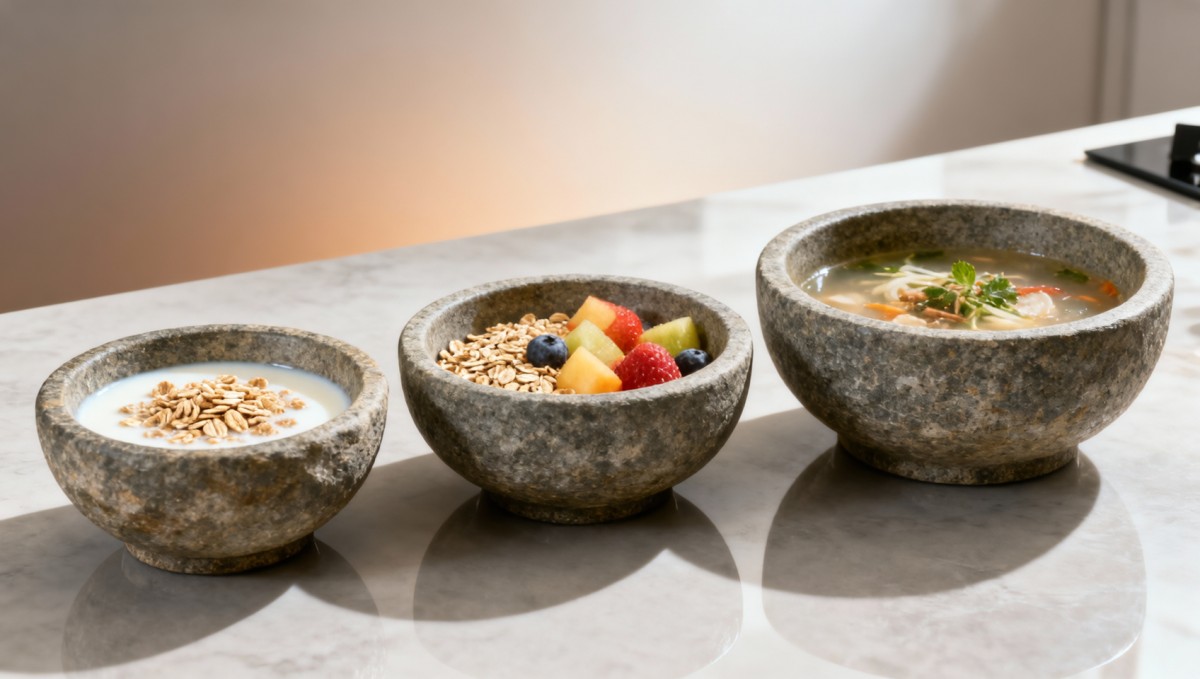
A stoneware cereal bowl that looks attractive on a product sheet may perform poorly in daily service if the capacity is mismatched. In home kitchens, users typically prefer a bowl that holds about 500 ml to 700 ml for cereal with milk, fruit, yogurt, or oatmeal. In commercial environments, operators often seek a practical fill range rather than maximum brimful volume, because bowls are rarely filled to 100% capacity during service.
Capacity affects portion control directly. A bowl with an 18 oz to 24 oz brimful capacity may provide an effective serving volume of around 12 oz to 18 oz, depending on plating style and safe carrying space below the rim. This difference is important for restaurants, hotels, and central kitchens where standard portions reduce food waste and help maintain visual consistency across shifts and outlets.
User comfort is another deciding factor. If a bowl is too shallow, liquid items may spill during transport. If it is too deep, a cereal serving can look visually lost, especially in breakfast buffets or casual dining settings. Operators also consider hand feel: a bowl used 50 to 200 times per day in a busy service operation must balance usable volume with manageable weight.
For procurement managers, capacity also influences back-of-house efficiency. Bowls that are oversized may take up 10% to 20% more rack space in warewashing and storage. Across hundreds or thousands of units, this has a measurable effect on storage density, replacement planning, and shipping cost per carton.
Capacity should be evaluated in two ways
- Brimful capacity: the total liquid volume up to the rim, often used in product specifications.
- Recommended serving capacity: the realistic usable volume during normal dining or foodservice handling, usually 20% to 30% below brimful.
- Menu-fit capacity: the volume that aligns with actual dishes such as cereal, rice, side soup, poke-style bowls, or desserts.
The table below shows how common capacity ranges perform across different kitchen and tabletop use cases.
For most buyers, the 500 ml to 700 ml segment delivers the best balance between versatility and everyday usability. It covers breakfast service well while remaining practical for side dishes and casual all-day dining formats.
What Users Prefer by Scenario and Buyer Type
Capacity preferences differ by audience. Household users often prioritize a bowl that feels generous without looking bulky in a cabinet. Restaurant operators focus on presentation consistency, speed of service, and resistance to chipping. Hotel and buffet buyers may prefer a bowl that supports both breakfast and dessert stations to reduce SKU complexity by 1 or 2 core shapes per collection.
Information researchers frequently compare stoneware cereal bowl products with stoneware soup bowl and stoneware rice bowl alternatives because overlap exists in the 450 ml to 700 ml range. However, the preferred profile changes by food type. A cereal bowl generally benefits from a wider opening for toppings and spoon movement, while a rice bowl can be narrower and deeper to keep portions visually full.
Procurement professionals also look at service frequency and replacement cycles. In high-turnover foodservice environments, a bowl used daily may enter warewashing 2 to 5 times per day. If the product is too heavy, fatigue and handling damage can increase. If it is too light or too thin, durability may become a concern during stacking and transport.
Decision-makers often prefer standardization. A bowl that works across breakfast, side dish, and dessert service can simplify purchasing, training, and storage. That is why many commercial buyers shortlist stoneware cereal bowls only after reviewing 4 core dimensions together: capacity, diameter, height, and weight.
Common preference patterns
Home and lifestyle users
This group usually prefers a 550 ml to 650 ml bowl with a medium-wide rim. The target is comfort and flexibility: enough room for cereal, milk, fruit, and a spoon without splash risk. A diameter around 14 cm to 16 cm is often practical for cabinet storage and dishwashers.
Restaurants and cafés
Operators often choose 450 ml to 600 ml if the bowl is intended for controlled portions and faster table turnover. For venues offering breakfast bowls, brunch menus, or grain bowls, demand may shift upward to 650 ml to 800 ml. The final choice depends on menu engineering and visual plating standards.
Hotels and buffet programs
Hotels commonly prioritize multi-functionality. A capacity of 500 ml to 700 ml can serve cereal in the morning, desserts at lunch, and side soup in all-day dining. This reduces inventory fragmentation and may improve replenishment speed during peak service windows.
The following comparison helps buyers match capacity to user expectations more precisely.
The main takeaway is that there is no single best capacity for every market. Still, the mid-capacity range consistently performs well because it supports more than one service task without creating obvious waste in storage or handling.
How to Select the Right Stoneware Cereal Bowl Capacity
A practical buying process starts with the menu, not the catalog. Buyers should map at least 3 to 5 intended uses before choosing capacity. If the bowl must handle cereal, side soup, fruit, and dessert, a very small format may create complaints. If it will mainly serve breakfast buffet portions, an oversized bowl may make portions appear inconsistent and increase food cost perception.
The second step is to test actual fill volume. Many teams rely only on brimful numbers, but the more useful measure is safe service capacity. For example, a 650 ml bowl may only offer about 450 ml to 500 ml of comfortable serving space once headroom for movement is considered. This gap matters in both product specification and user satisfaction.
Third, buyers should look at bowl geometry. Two bowls with the same 600 ml capacity can behave very differently. A broader bowl improves topping visibility and spoon access, while a deeper, narrower bowl preserves heat better and can be more suitable as a stoneware soup bowl alternative. Shape is therefore part of capacity performance, not a separate issue.
Fourth, assess operational fit. In commercial kitchens, bowls should align with rack dimensions, shelf spacing, and packing density. A difference of even 1.5 cm in height or diameter can affect nesting stability and carton count. Across repeated purchase cycles, these details influence inventory cost and replenishment efficiency.
A four-step selection checklist
- Define 3 primary menu uses and 2 secondary uses for the bowl.
- Measure real serving volume with typical foods, not water only.
- Check diameter, height, base stability, and unit weight together.
- Run a sample test for stacking, dishwashing, and carrying comfort over 7 to 14 days.
Warning signs during sample evaluation
- The bowl looks half-empty with a standard breakfast portion.
- The rim is too narrow for cereal, fruit, and milk together.
- The unit is heavy enough to slow service during peak hours.
- Nested bowls jam together or dry slowly after warewashing.
For buyers balancing appearance and utility, the best choice is usually not the largest bowl, but the one that matches the highest-frequency use case with the least compromise. In mixed-use tabletop programs, that often places the preferred stoneware cereal bowl capacity in the middle range rather than at either extreme.
Procurement Risks, Specifications, and Long-Term Value
Stoneware bowl procurement should go beyond visual appeal. Capacity selection affects packing efficiency, replacement volume, and menu adaptability over time. When buyers choose a capacity that is too narrow in application, they often add extra SKUs within 6 to 12 months. This increases inventory complexity and can complicate replenishment when matching glazes or forms later.
One frequent mistake is comparing only nominal volume across suppliers. In practice, wall thickness, interior curvature, and foot ring design all influence usable space and handling. A 20 oz bowl from one supplier may feel smaller in service than an 18 oz bowl from another if the interior floor is raised or the side walls taper sharply.
Buyers should also account for breakage and warewashing cycles. In hospitality and restaurant use, replacement planning often considers annual loss rates, which vary by handling intensity and stacking conditions. While exact numbers depend on operations, procurement teams commonly reserve a backup quantity of 5% to 15% for continuity of service and pattern consistency.
Lead time is another factor. Standard stoneware tableware programs may follow a 2 to 6 week replenishment window for stocked items, while customized finishes or mixed-capacity collections can require longer planning. That is why many enterprise buyers narrow choices to 1 or 2 bowl capacities that cover most menu needs instead of building an overly fragmented assortment.
Specification points buyers should document
A disciplined specification process reduces the risk of buying a bowl that photographs well but underperforms in service. For procurement and executive teams, long-term value usually comes from operational fit, replacement control, and menu flexibility rather than from capacity alone.
FAQ: Common Questions About Stoneware Cereal Bowl Capacity
The questions below reflect common buying and usage concerns across household, hospitality, and foodservice environments. They can also help sourcing teams refine product briefs before requesting samples or quotations.
Is a 500 ml bowl enough for cereal?
For many users, yes. A 500 ml stoneware cereal bowl is usually sufficient for standard cereal portions with milk, especially if the bowl has a wide opening. However, if the intended use includes fruit, nuts, yogurt, or mixed breakfast toppings, many users prefer 550 ml to 650 ml for added flexibility and reduced spill risk.
Can one bowl replace both a stoneware rice bowl and a stoneware soup bowl?
Sometimes, but not always. A mid-size 500 ml to 650 ml bowl can cover cereal, rice dishes, small soups, and desserts in many operations. Still, dedicated rice bowls are often smaller and deeper, while soup bowls may prioritize larger capacity or heat retention. Multi-use works best when the menu is broad but portion sizes stay moderate.
What capacity is best for commercial hospitality use?
A 500 ml to 700 ml range is often the safest starting point for hotels, cafés, and casual restaurants because it supports breakfast service, desserts, and light meals. For buffet or all-day dining operations seeking SKU efficiency, this range usually offers the strongest balance between presentation, utility, and storage practicality.
How many samples should buyers test before placing an order?
A practical approach is to test at least 2 to 3 capacity options and evaluate them over 7 to 14 days under real handling conditions. This helps teams compare serving appearance, carrying comfort, stacking behavior, and dishwashing results before moving into volume purchasing.
Stoneware cereal bowl capacity is a small specification with a large impact. The best-performing choices usually sit in the 500 ml to 700 ml range, where users get enough room for cereal and mixed servings without creating unnecessary handling or storage inefficiency. Buyers who compare capacity together with shape, weight, and service use are far more likely to select tableware that works across daily operations.
If you are sourcing durable stoneware bowls for home collections, restaurants, hotels, or broader kitchen equipment supply programs, a structured selection process will reduce replacement issues and improve menu fit. Contact us to discuss product details, request a tailored recommendation, or explore more tableware solutions for your market and service model.
Popular Tags
Kitchen Industry Research Team
Dedicated to analyzing emerging trends and technological shifts in the global hospitality and foodservice infrastructure sector.
Industry Insights
Join 15,000+ industry professionals. Get the latest market trends and tech news delivered weekly.
No spam. Unsubscribe anytime.

Contact With us
Contact:
Anne Yin (Ceramics Dinnerware/Glassware)
Lucky Zhai(Flatware)